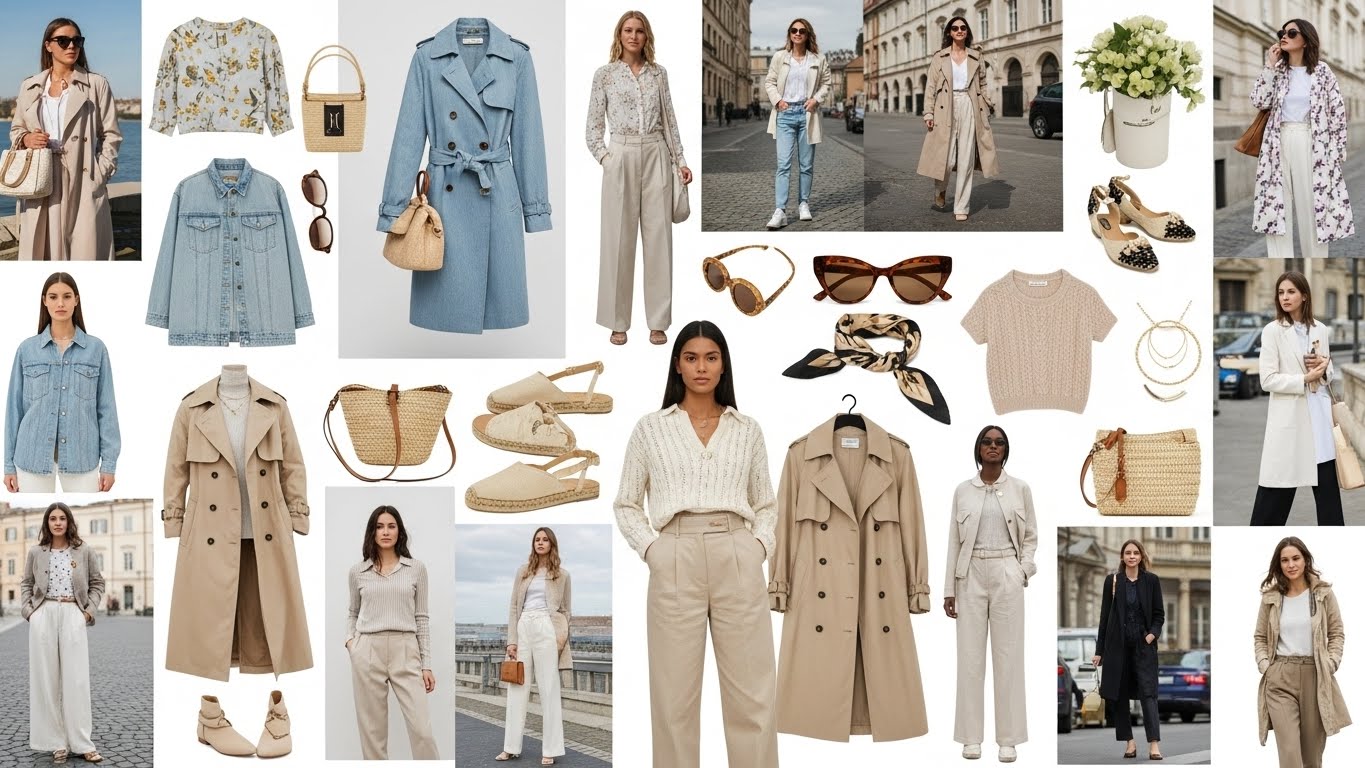
European fashion has long captivated the world with its seemingly innate ability to look polished while appearing completely uncontrived—that coveted aesthetic where style looks natural rather than labored, sophisticated without trying too hard, and timelessly chic regardless of fleeting trends. Spring 2026 brings European-inspired outfit trends that celebrate this continent’s diverse fashion sensibilities, from Parisian minimalist elegance to Scandinavian functional beauty, from Italian sprezzatura to British classic tailoring. The unifying thread across these varied European aesthetics is an emphasis on quality over quantity, investment in timeless pieces over disposable fashion, and confidence in personal style over slavish trend-following. European style prioritizes proper fit, natural fabrics, neutral foundations punctuated with carefully chosen colors, and the art of looking effortlessly put-together through strategic simplicity. Spring’s arrival in European cities—from Copenhagen’s bicycle-lined streets to Rome’s sun-drenched piazzas—inspires outfit combinations that honor both form and function, beauty and practicality, tradition and modernity. These trends embrace the European philosophy that fashion should enhance life rather than complicate it, celebrating individual expression within frameworks of quality, restraint, and timeless sophistication that transcend seasonal whims and geographical boundaries.
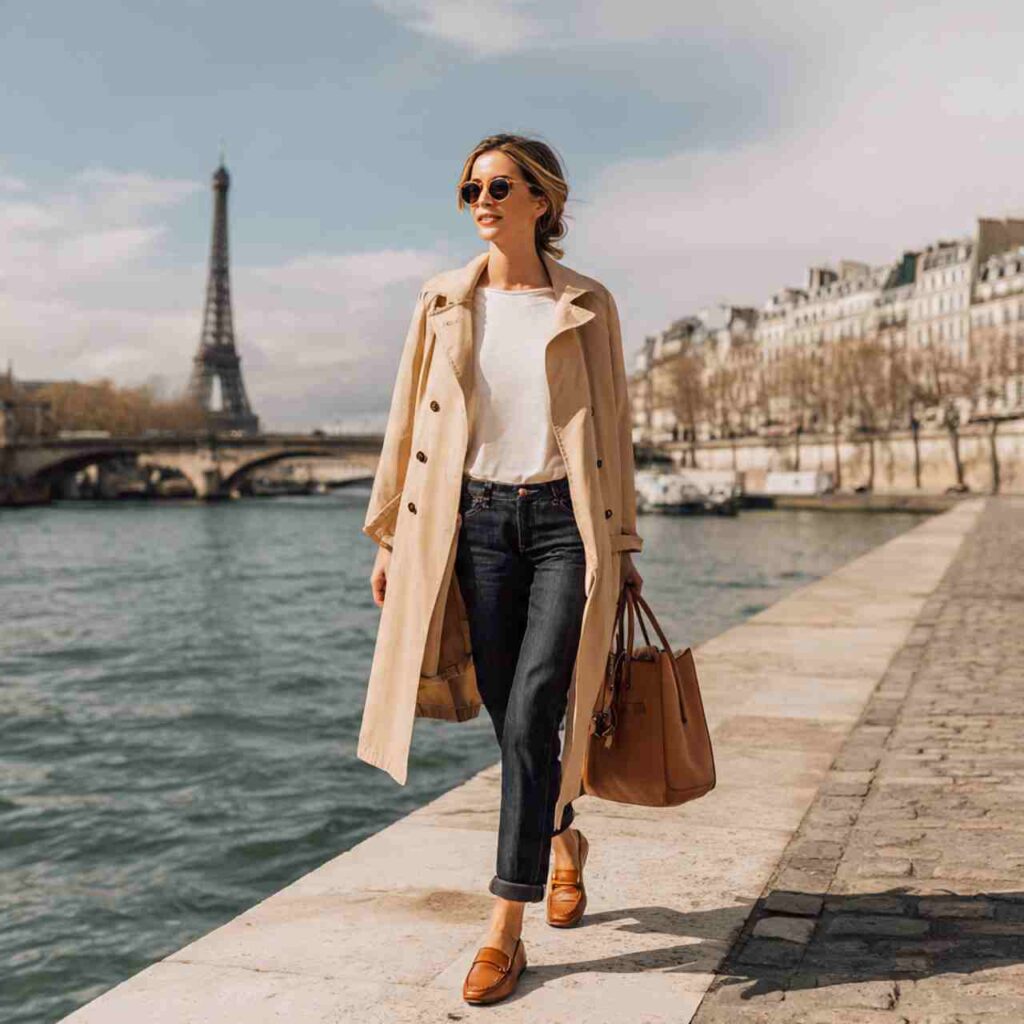
1. Trench Coat with Jeans and Loafers
The quintessential European spring uniform—classic trench coat over simple jeans and white tee with leather loafers creates timeless sophistication that works from Paris to Prague.
2. Linen Shirt with Wide-Leg Trousers
An oversized natural linen shirt tucked loosely into high-waisted wide-leg trousers creates breezy Italian elegance. The relaxed tailoring and natural fabric epitomize Mediterranean spring style.

3. Striped Breton Top with Straight Jeans
The classic French marinière—navy and white striped long-sleeve top—paired with perfectly fitted jeans creates iconic coastal European style that never dates.

4. Blazer with Rolled-Sleeve Charm
A tailored blazer worn with sleeves casually rolled over simple tee and trousers creates the perfect balance of polished and relaxed characteristic of European dressing.

5. Midi Skirt with Tucked Turtleneck
A flowing midi skirt in solid spring color paired with fitted turtleneck creates elegant simplicity. This combination honors European preference for feminine sophistication.

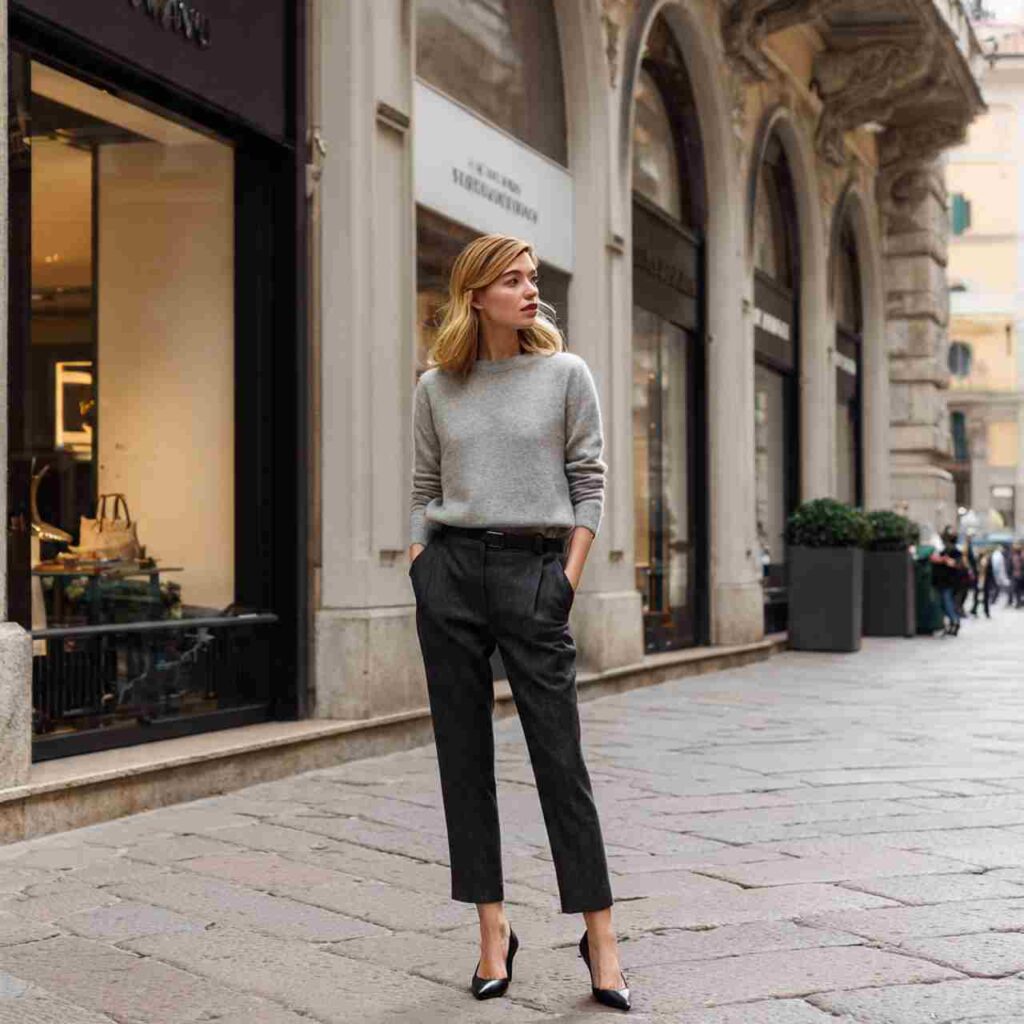
6. Cashmere Sweater with Tailored Pants
Investment in quality cashmere paired with perfectly tailored trousers epitomizes European luxury fundamentals. The simple combination showcases quality over flash.
7. Shirtdress with Statement Belt
A crisp cotton shirtdress cinched with quality leather belt creates effortless one-piece dressing elevated through thoughtful accessorizing.

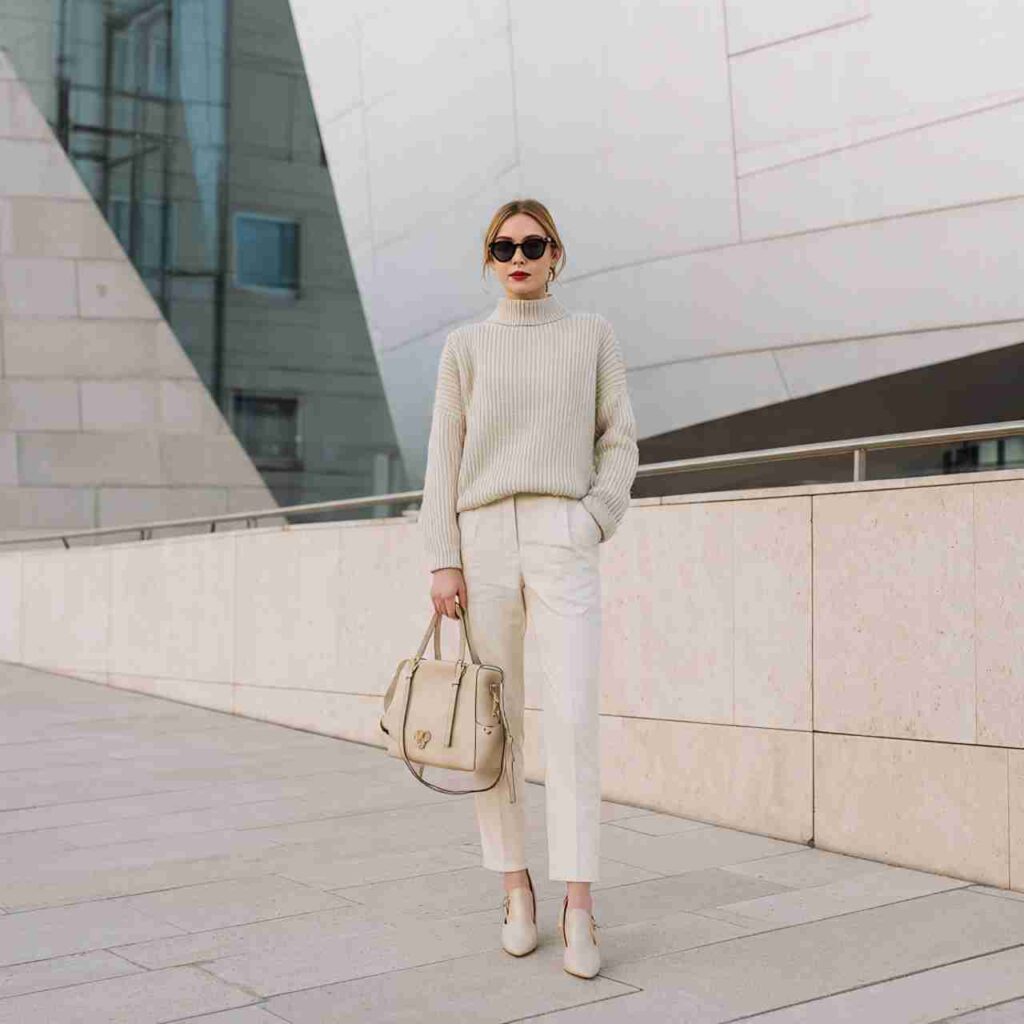
8. Monochrome Neutral Layers
Head-to-toe coordinated neutrals—cream knit, beige trousers, tan coat—creates sophisticated minimalism central to Scandinavian and German aesthetic.
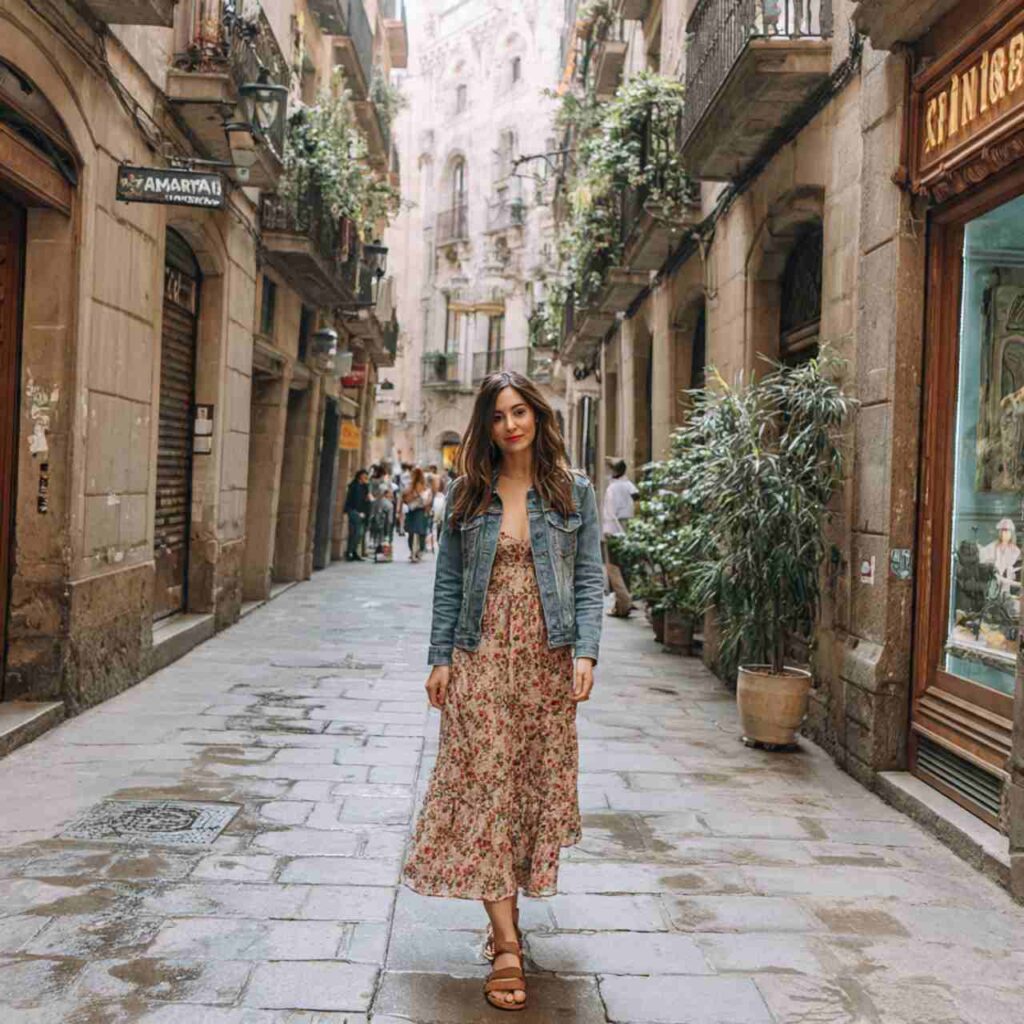
9. Denim Jacket Over Simple Dress
The European casual classic—vintage-inspired denim jacket over flowing dress creates the perfect blend of structured and feminine, casual and elegant.
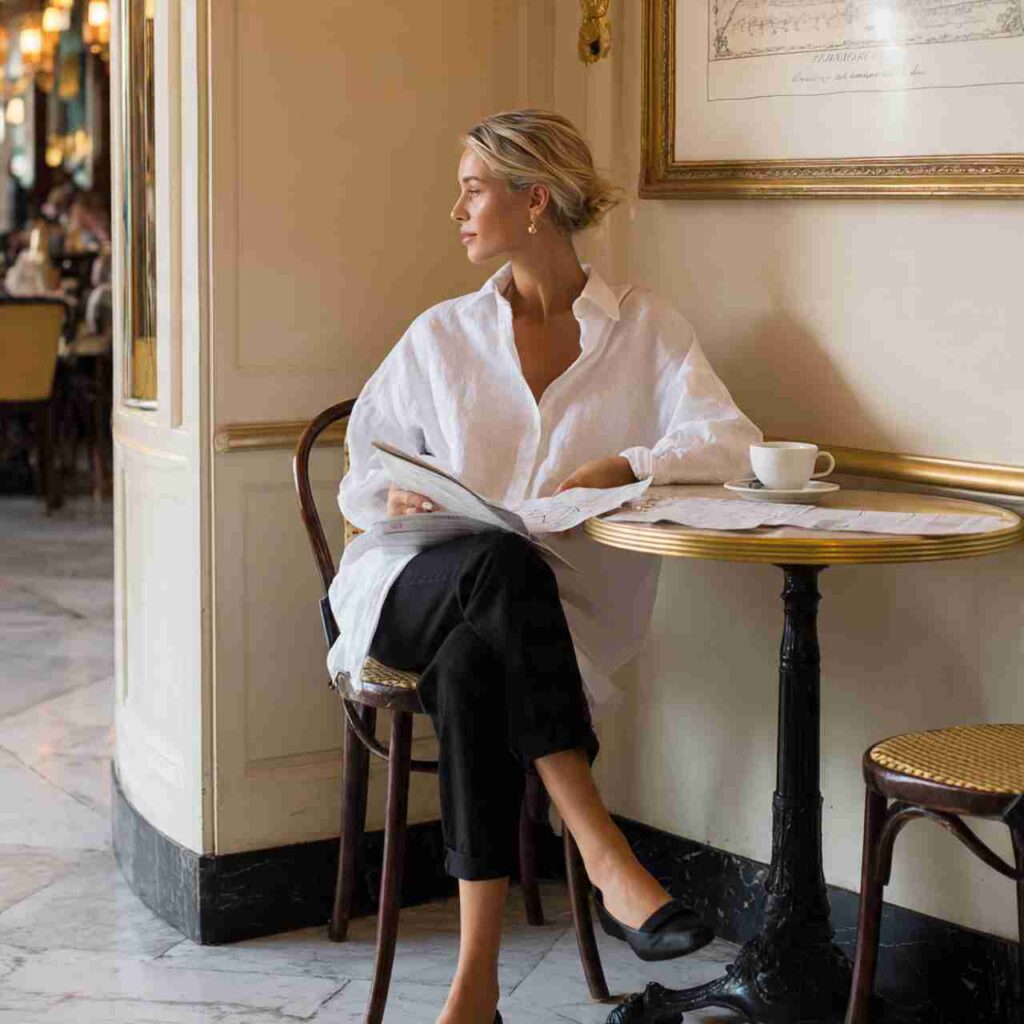
10. Oversized White Shirt with Slim Pants
An oversized white button-down worn loose or half-tucked with slim-fitted pants creates that enviable ratio of effortless to polished.
11. Knit Polo with Pleated Skirt
A fine-knit polo shirt paired with pleated midi skirt creates preppy European elegance perfect for country club or city equally.

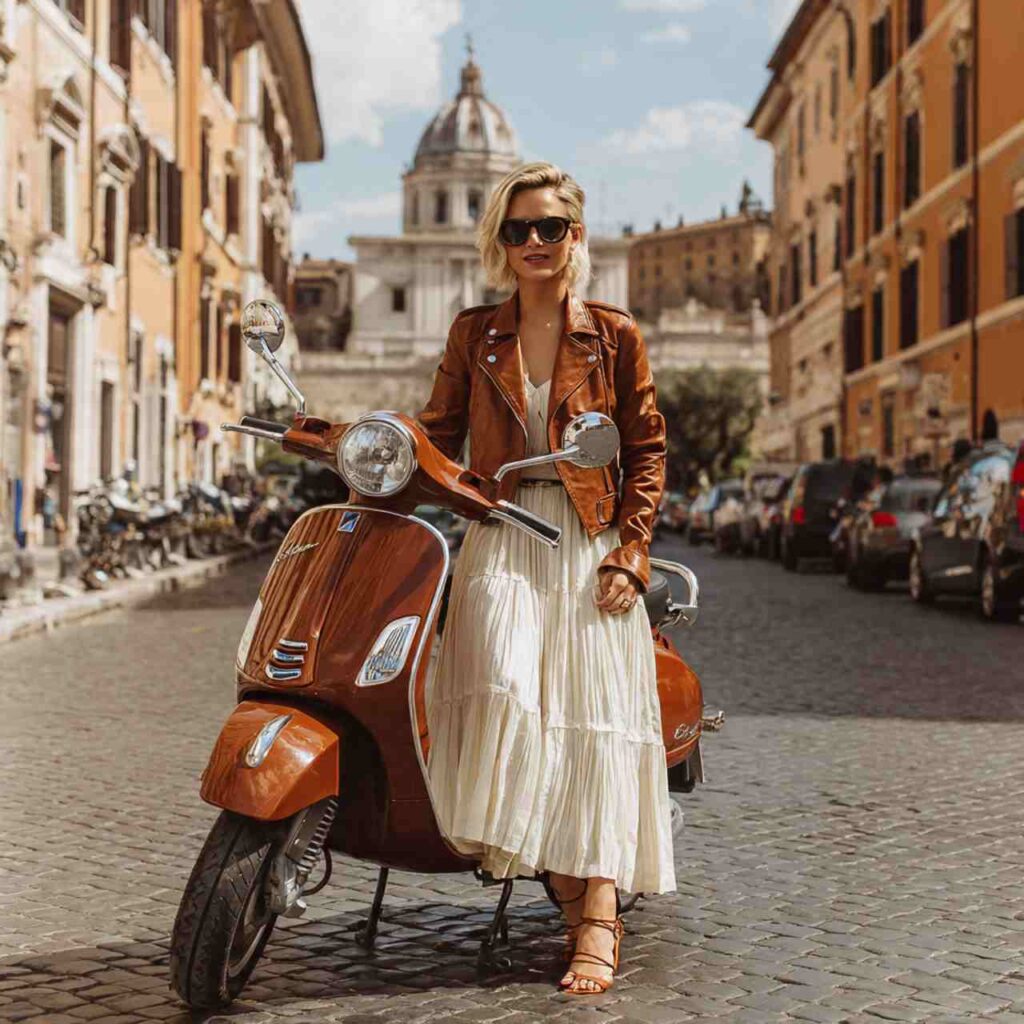
12. Leather Jacket with Flowy Dress
The European contrast classic—structured leather jacket over romantic flowing dress balances tough and feminine beautifully.
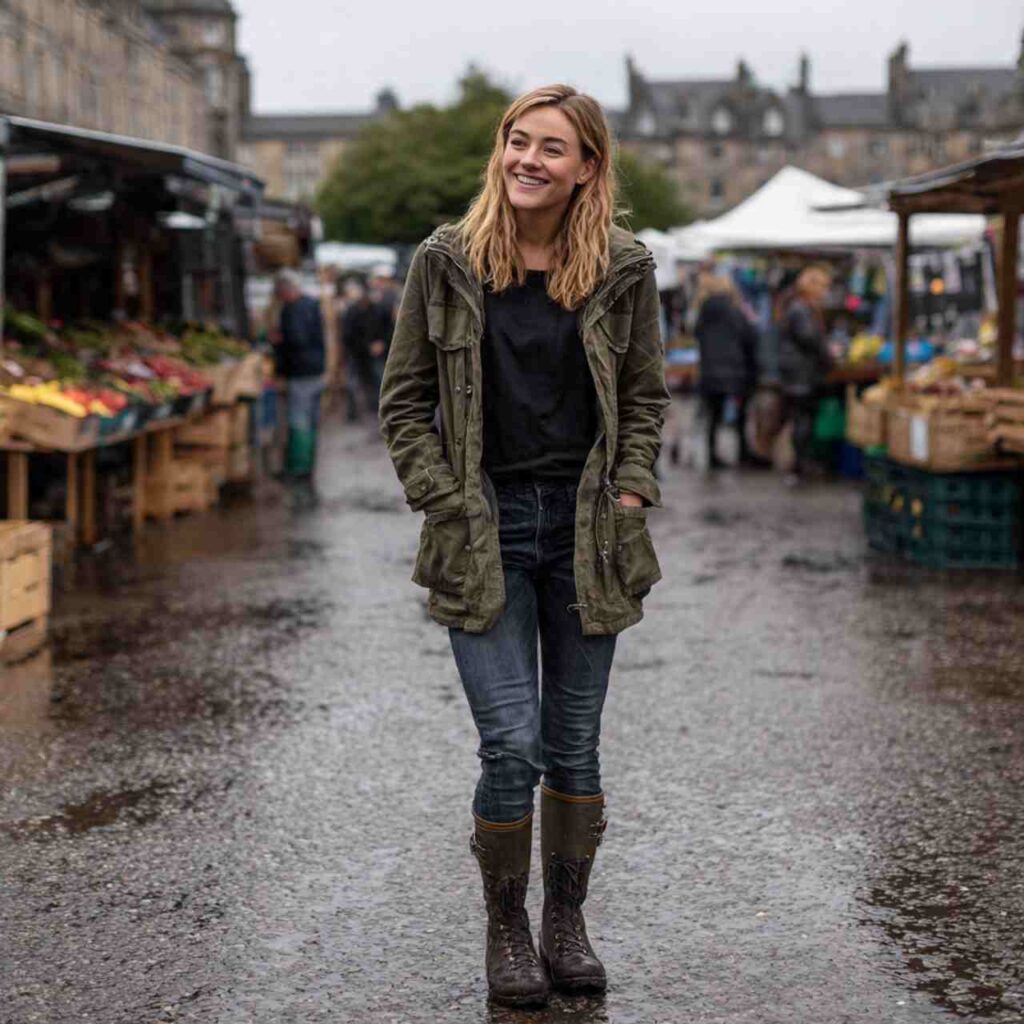
13. Utility Jacket with Neutral Base
A practical utility jacket in olive or khaki over simple black or white basics creates functional European style prioritizing wearability.
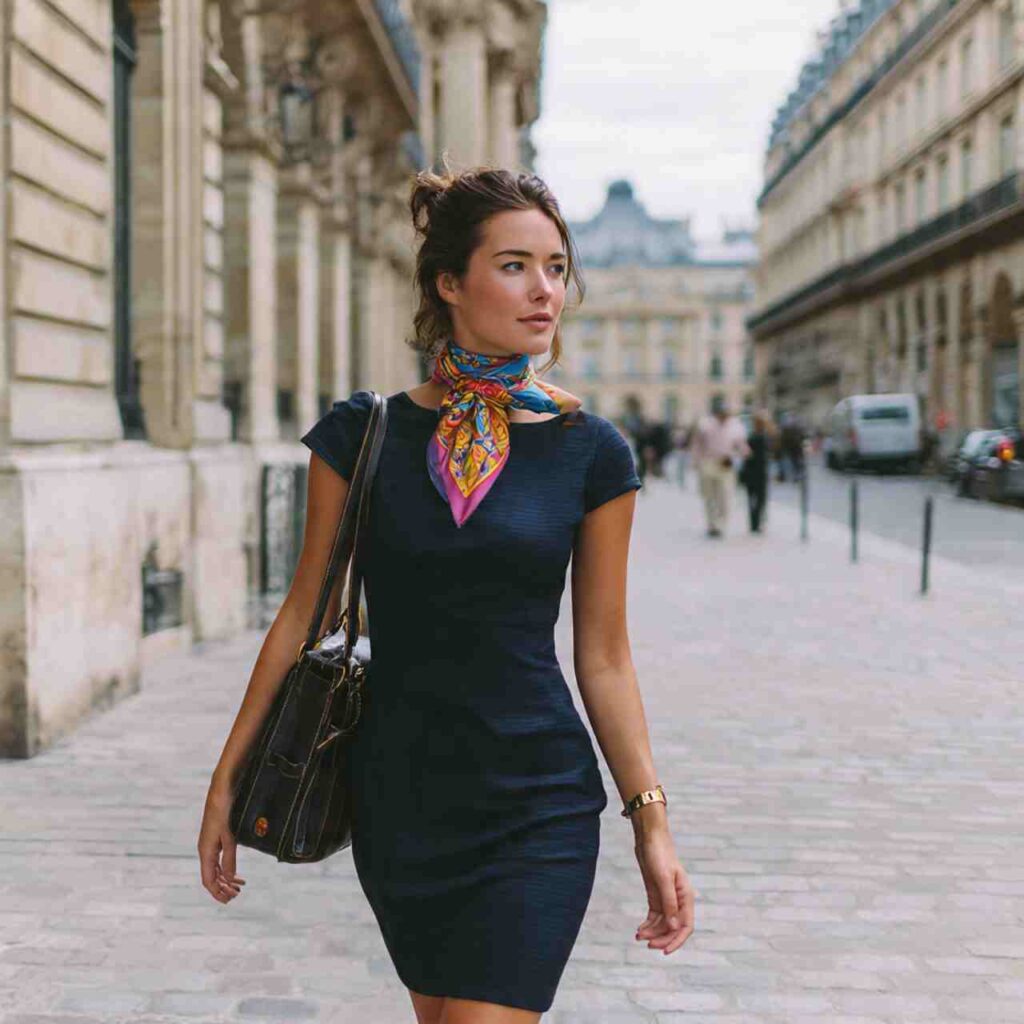
14. Silk Scarf as Accessory
The quintessentially European touch—silk scarf worn loosely at neck or tied on bag transforms simple outfits into polished ensembles.
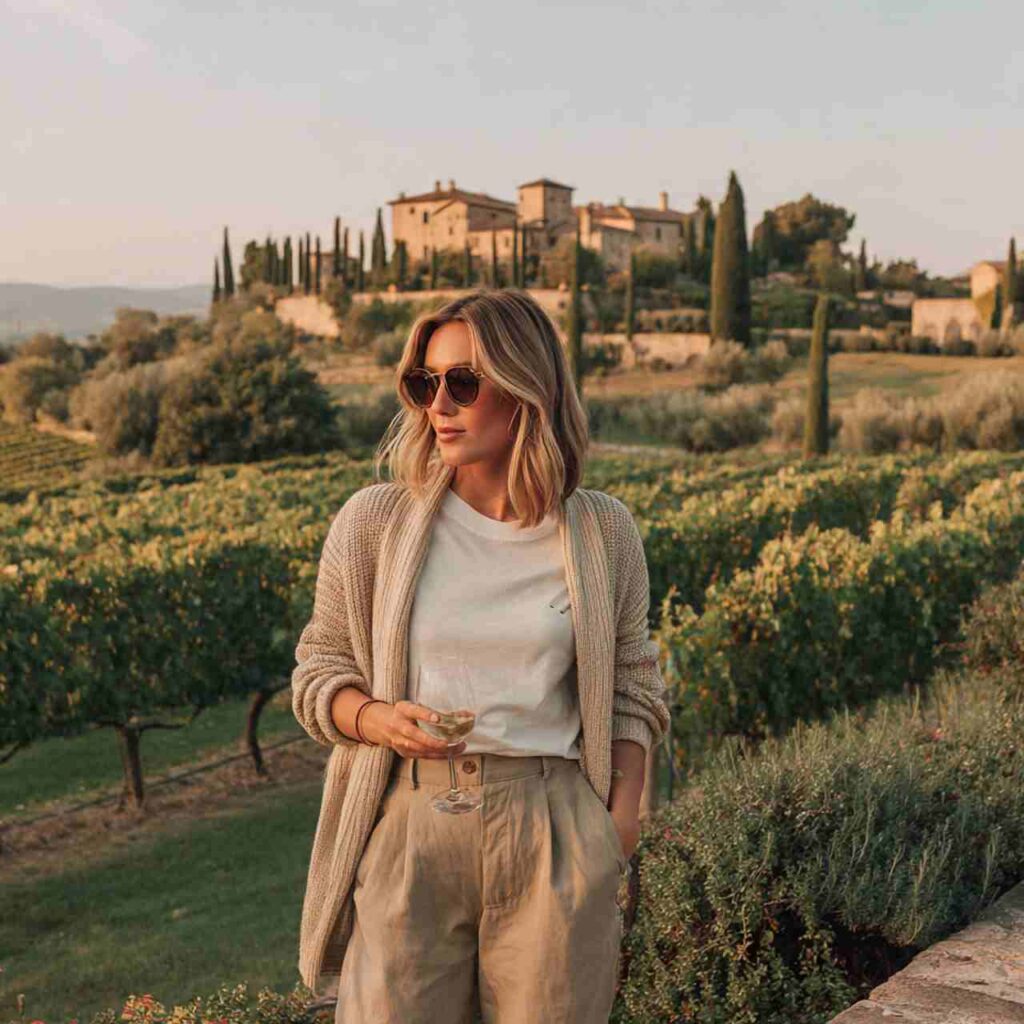
15. Cardigan Draped Over Shoulders
The preppy European touch—cardigan casually draped over shoulders adds sophisticated dimension without actual layering warmth.
16. Minimal White Sneakers Everything
Quality white leather sneakers elevate even dressed-up European outfits, proving comfort and style coexist perfectly.

17. Tonal Beige Coordination
Various shades of beige and cream coordinated head-to-toe creates that expensive-looking European minimalism.
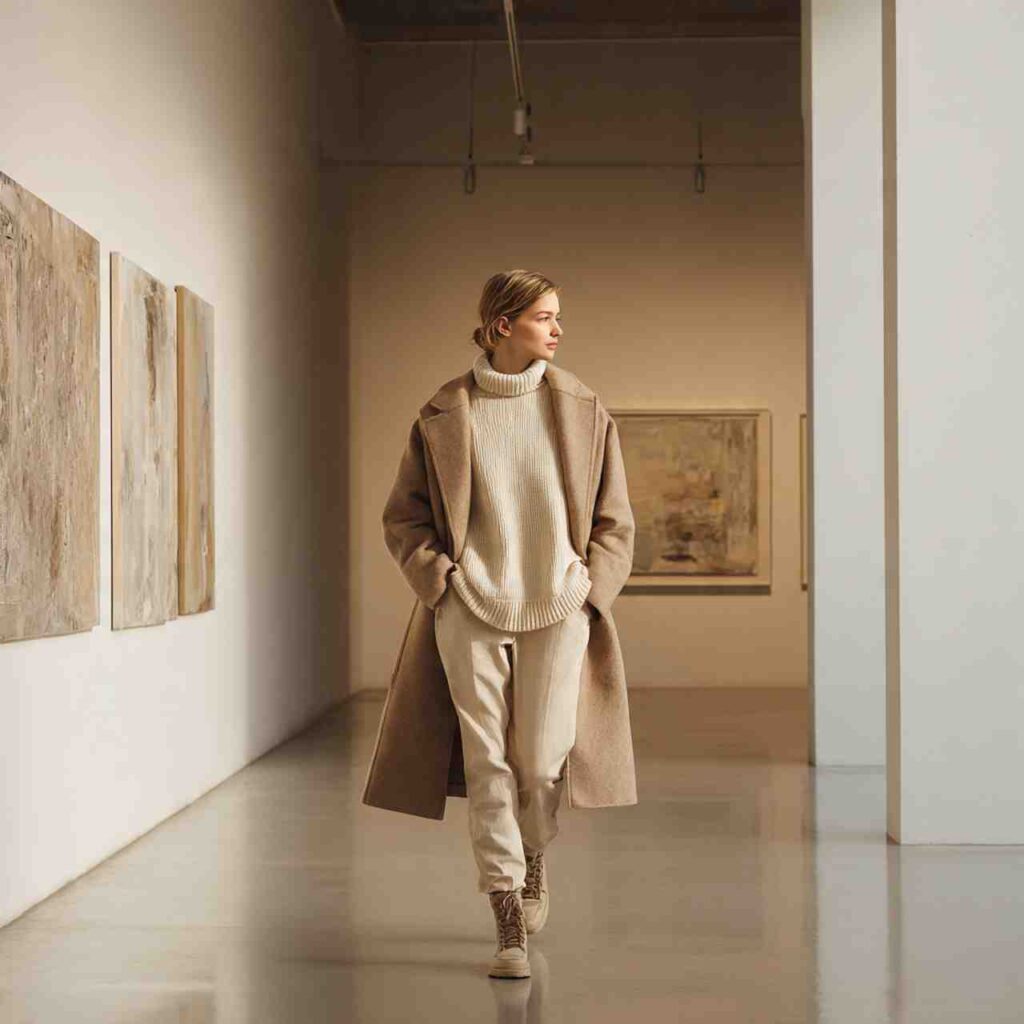
18. Wide-Leg Jeans with Fitted Top
High-waisted wide-leg jeans paired with fitted crop or tucked top creates proportion balance favored across European style capitals.
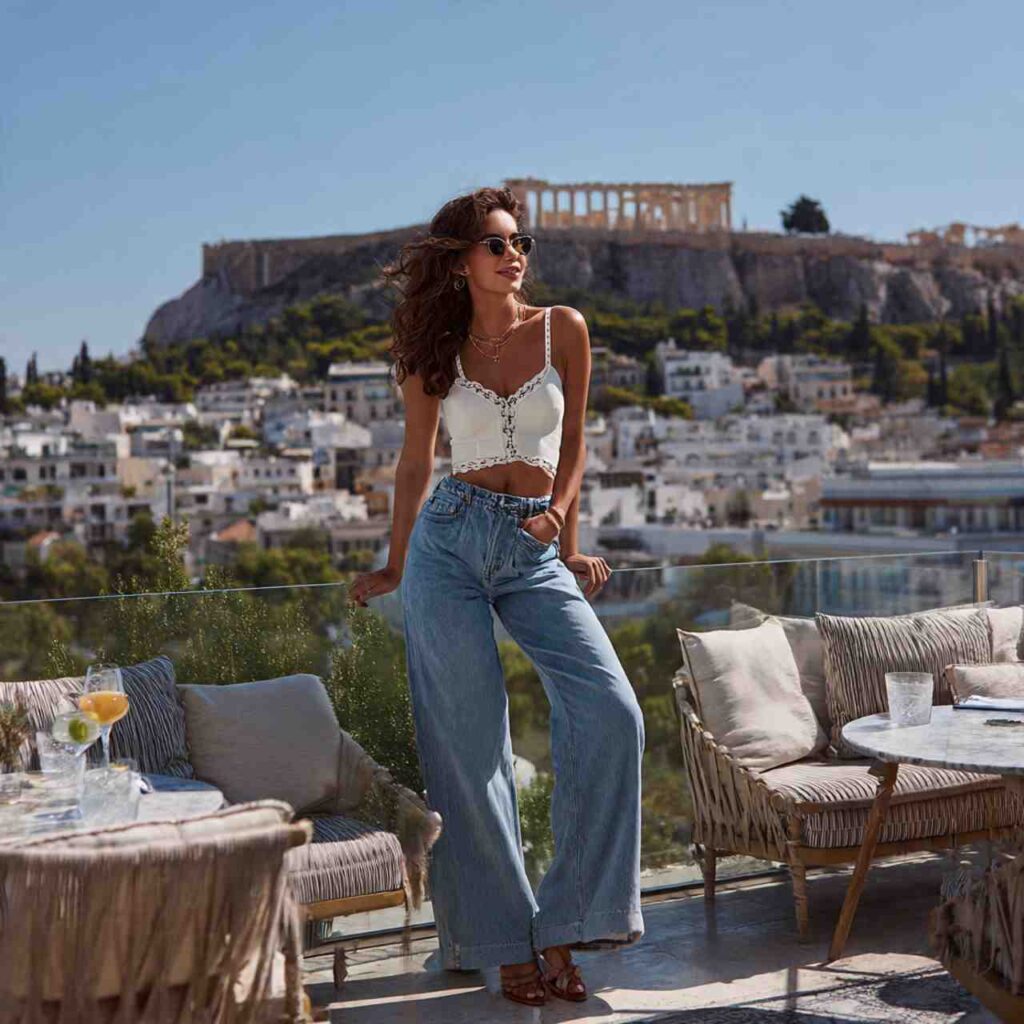
19. Structured Coat Over Minimalism
A perfectly tailored coat in quality wool becomes the statement over completely simple basics underneath.
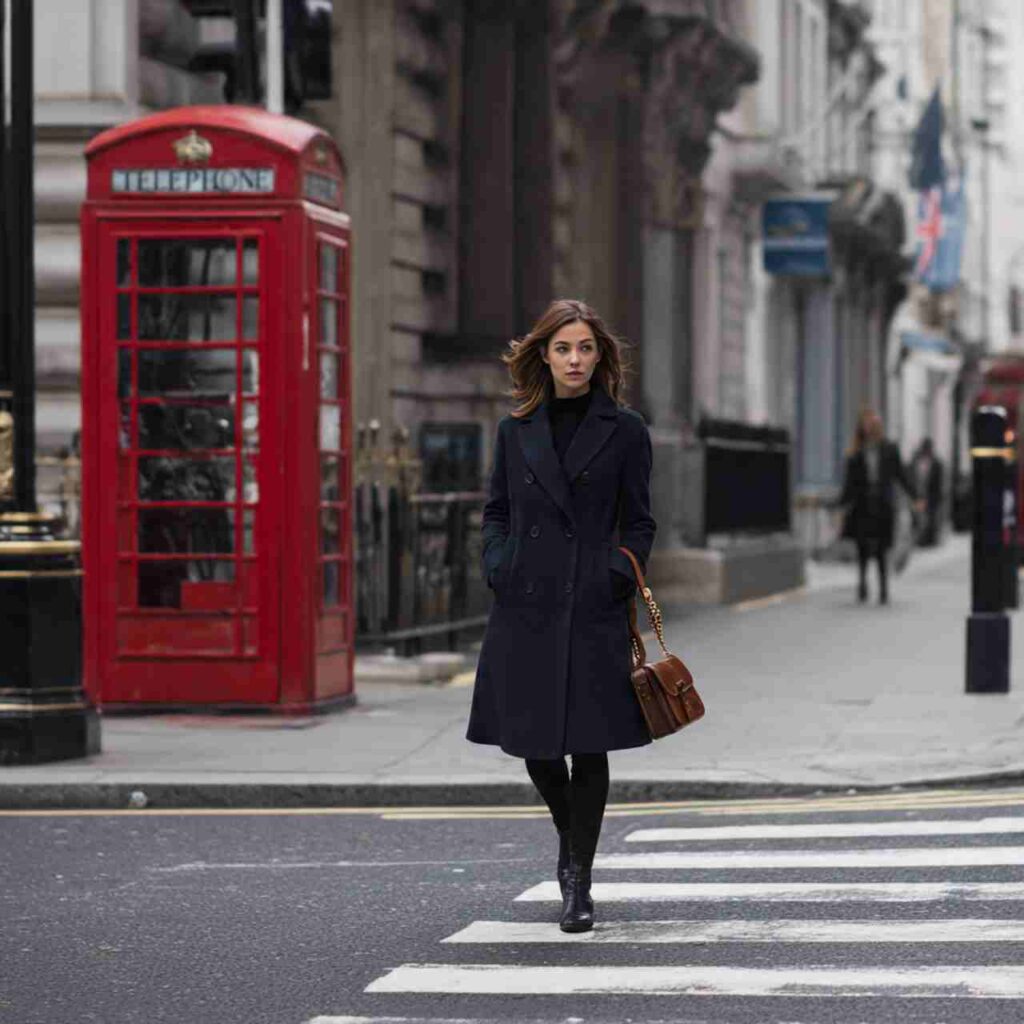
20. Linen Blazer with Cropped Pants
An unstructured linen blazer over simple tee with cropped pants creates that relaxed European summer-approaching aesthetic.
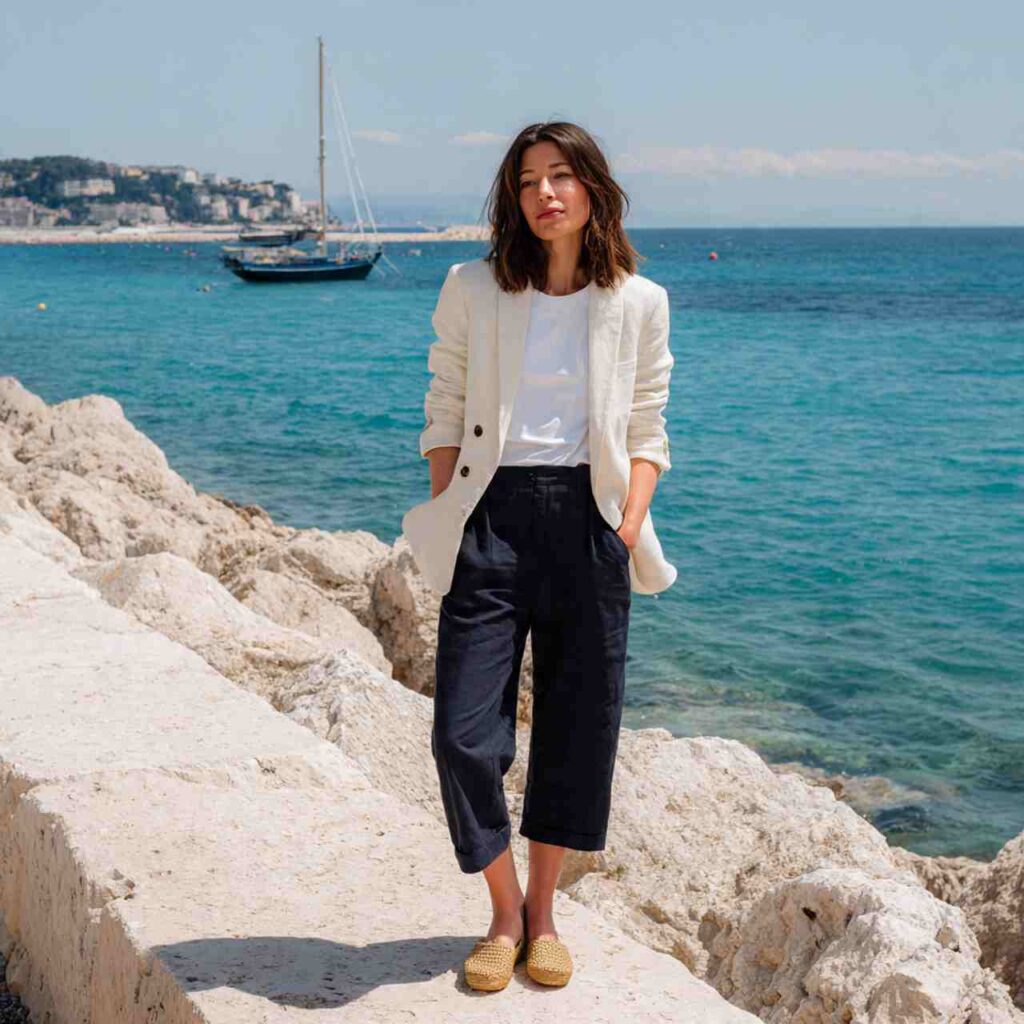
21. Simple Dress with Leather Jacket
The European day-to-night essential—jersey dress that works alone or under leather jacket depending on temperature and occasion.
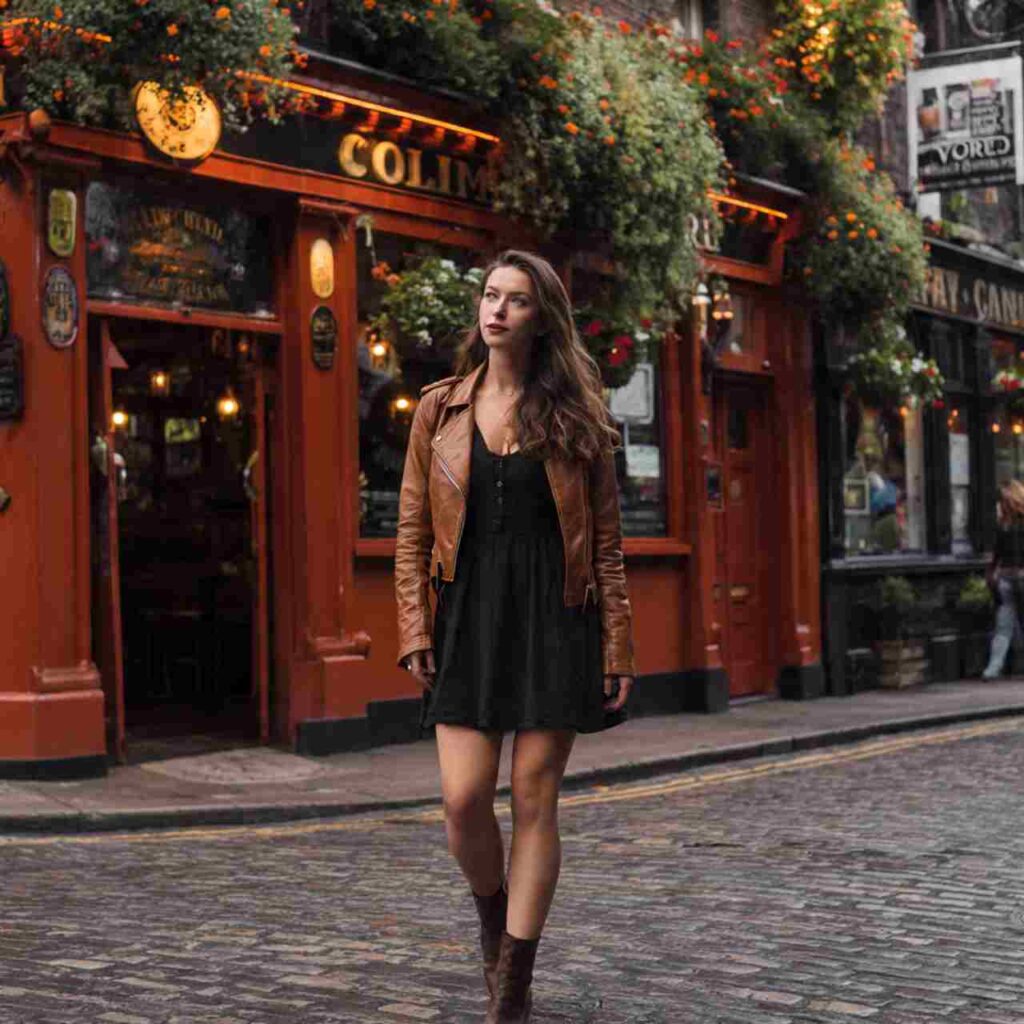
22. All-Black Parisian Uniform
The ultimate Parisian simplicity—all black in quality fabrics and perfect fit creates that iconic Parisian effortless elegance.

Understanding European Fashion Philosophy
European fashion distinguishes itself through core principles transcending specific trends. Quality over quantity means investing in fewer, better-made pieces lasting years rather than accumulating fast fashion. Timeless style over trends emphasizes classic pieces that work across seasons and years. Proper fit receives paramount importance—Europeans prioritize tailoring and fit over size labels. Natural fabrics—wool, cotton, linen, silk—are preferred for their breathability, durability, and improved aging. Understated elegance values restraint and subtlety over logos and flash. These principles create sustainable, versatile wardrobes serving wearers beautifully long-term.
The Concept of “Sprezzatura”
This Italian concept—studied carelessness or effortless elegance—captures European style’s essence. It’s the art of making style appear unconsidered while actually being quite thoughtful. A casually rolled sleeve, an artfully draped scarf, or sleeves pushed to three-quarter length all exemplify sprezzatura. The goal is looking polished without appearing to have tried too hard. This aesthetic rejects obvious effort while celebrating subtle sophistication.
European Color Palettes
European spring dressing revolves around sophisticated neutral foundations. Base neutrals include various shades of white, cream, beige, camel, gray, navy, and black. These create cohesive wardrobes where everything coordinates effortlessly. Accent colors draw from nature—soft sage, muted terracotta, dusty rose, and warm ochre. Classic combinations—navy and white, chambray and cream, black and camel—form reliable outfit foundations. This restrained palette creates visual harmony while allowing personal style expression through subtle color choices rather than overwhelming patterns or neon brights.
Seasonal Color Transitions
European spring means transitioning from winter’s deeper tones to lighter, fresher shades. Heavy charcoals lighten to soft grays. Deep navys shift to softer blues. Black remains constant but gets paired with lighter spring colors. Browns warm from chocolate to caramel and tan. This gradual transition reflects actual weather patterns where spring arrives slowly, requiring layering that bridges seasons. The color evolution feels natural rather than abrupt seasonal wardrobe overhaul.
The Importance of Quality Fabrics
European fashion emphasizes natural fabrics for their superior drape, breathability, and longevity. Cotton in quality weaves—poplin for shirts, denim for jeans, jersey for tees—provides versatile foundations. Linen offers cooling properties perfect for spring and summer despite its wrinkled aesthetic (which Europeans embrace). Wool in various weights provides warmth while breathing beautifully. Silk adds luxury in blouses and scarves. Cashmere provides investment warmth in sweaters. Leather appears in jackets, bags, and shoes, aging beautifully with use. These natural materials simply look and feel better than cheap synthetics.
Fabric Care and Longevity
Quality fabrics deserve proper care extending their lifespan. Follow care labels carefully—many natural fabrics need gentle washing or dry cleaning. Store properly between seasons using breathable garment bags. Address stains promptly with appropriate treatments. Many European quality pieces improve with age, developing character through years of wear. This longevity justifies higher initial costs through extended use and satisfaction.