Spring whispers promises of transformation, and for those with fair complexions, the season brings a gorgeous palette of hair color possibilities that enhance your natural luminosity. Light skin tones possess a delicate beauty that can be either complemented by soft, harmonious shades or dramatically contrasted with deeper, richer hues. The key is understanding which tones make your skin glow, your eyes sparkle, and your overall presence radiate confidence.
Fair-skinned individuals often face unique challenges when selecting hair color. Too light and you risk washing out; too dark without proper undertone consideration and you might look harsh. But when you find that perfect shade—one that works with your skin’s undertones and personal style—the results are absolutely magical. Spring 2026 offers an exceptional range of options that celebrate the versatility of light skin, from buttery blondes that create angelic softness to rich coppers that add warmth and dimension.
The beauty industry has evolved tremendously in understanding how different hair colors interact with various skin tones. Today’s color technology allows for nuanced, multi-dimensional shades that look natural and healthy while still making a statement. Whether you’re a natural blonde looking to refresh your shade, a brunette wanting to go lighter for spring, or someone ready to embrace the warmth of copper tones, there’s never been a better time to explore your options.
This comprehensive guide breaks down 23 stunning hair colors specifically chosen for how beautifully they complement light skin. We’re covering the full spectrum—cool-toned blondes for pink-undertoned skin, warm honey shades for those with peachy undertones, soft brunettes that add depth without harshness, and vibrant coppers that bring unexpected warmth. Each color has been selected to help you find your most radiant self this spring. Let’s explore the shades that will make you absolutely glow.
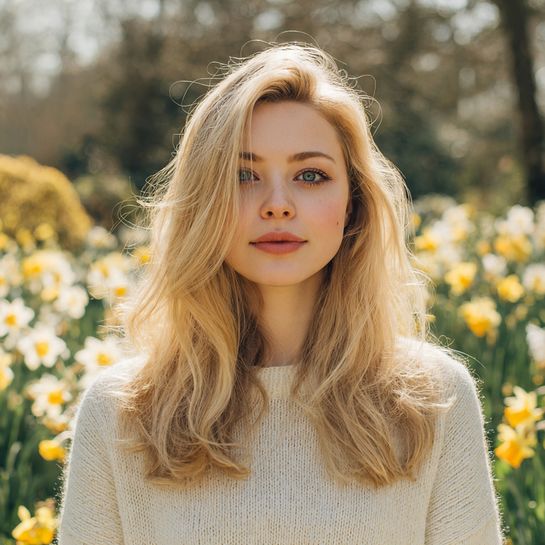
1. Butter Blonde
Creamy, warm blonde with yellow undertones creates a soft, natural look that enhances light skin’s delicate warmth without washing it out.
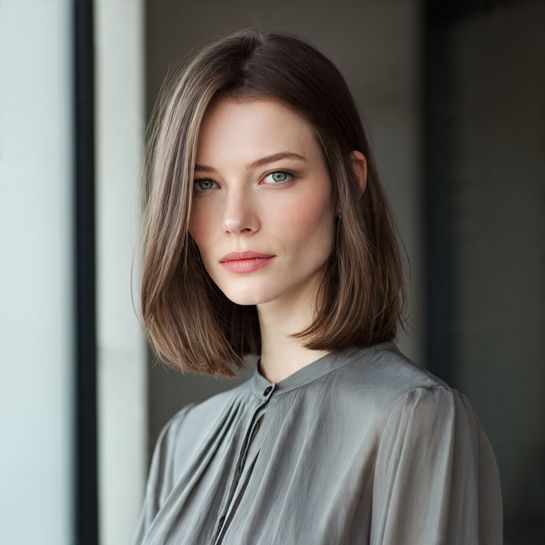
2. Ash Brunette
Cool-toned brown with ash undertones provides depth and sophistication for light skin with pink or cool undertones.
3. Strawberry Copper
Vibrant strawberry-red copper brings warmth and personality, creating beautiful contrast against fair complexions.
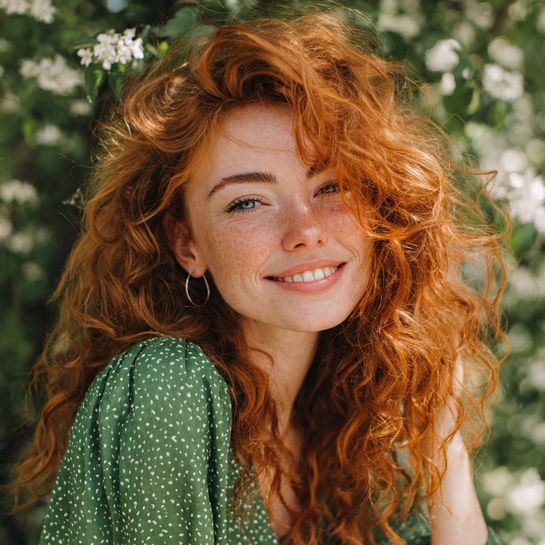
4. Champagne Shimmer
Pale champagne blonde with subtle shimmer creates an ethereal, almost iridescent effect on light skin.
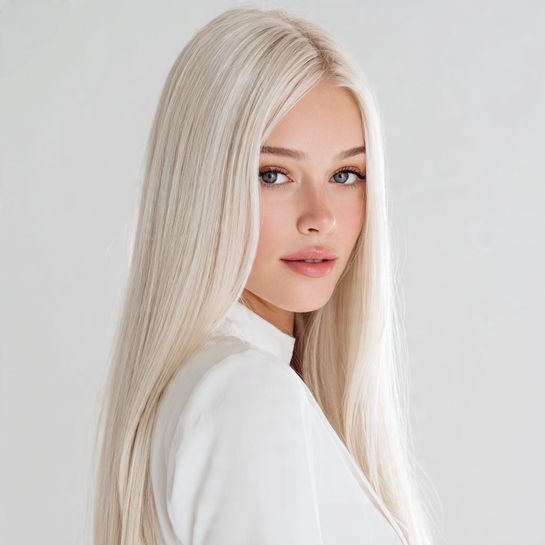
5. Caramel Brunette
Warm caramel-toned brown adds richness and dimension, perfect for light skin with warm or neutral undertones.

6. Platinum Ice Blonde
Ultra-light platinum blonde creates dramatic, high-fashion contrast against fair skin, especially stunning with cool undertones.
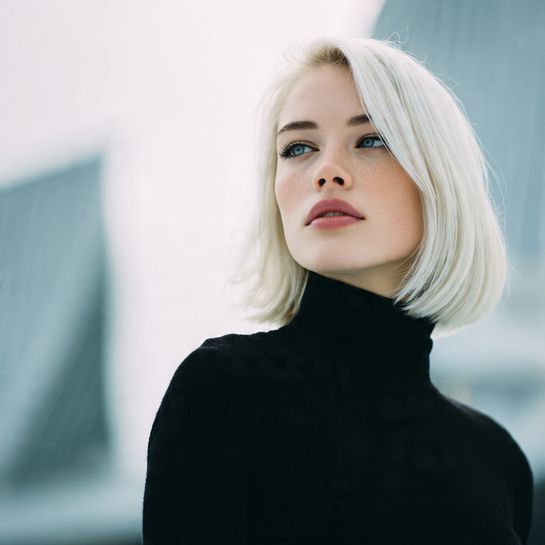
7. Auburn Warmth
Classic auburn with red and brown tones brings timeless elegance and warmth to light complexions.

8. Honey Balayage
Sun-kissed honey highlights through a darker blonde base create natural-looking dimension for fair skin.

9. Chocolate Cherry
Deep chocolate brown with subtle cherry-red undertones adds depth while maintaining warmth for light skin.
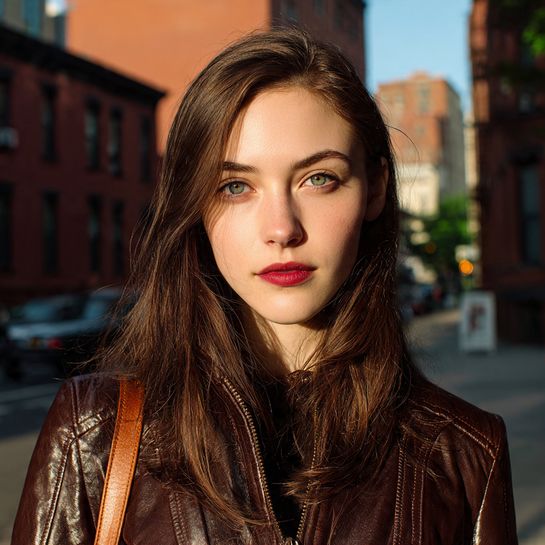
10. Rose Gold Blonde
Blonde with rose-gold tones creates a trendy, feminine look that’s especially flattering on fair skin with pink undertones.
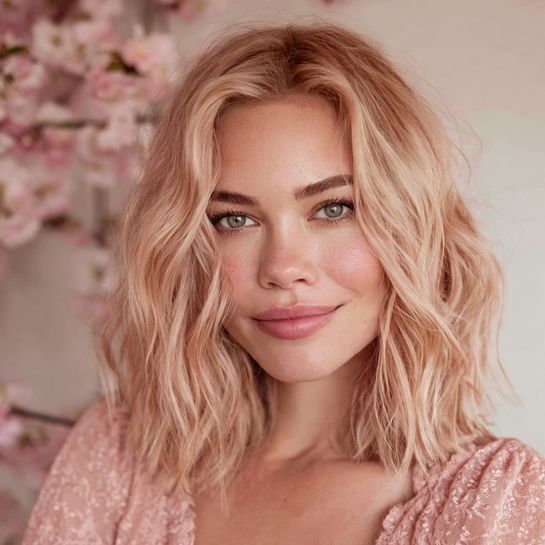
11. Mushroom Brunette
Soft mushroom brown with gray and beige tones offers a modern neutral perfect for cool-toned fair skin.
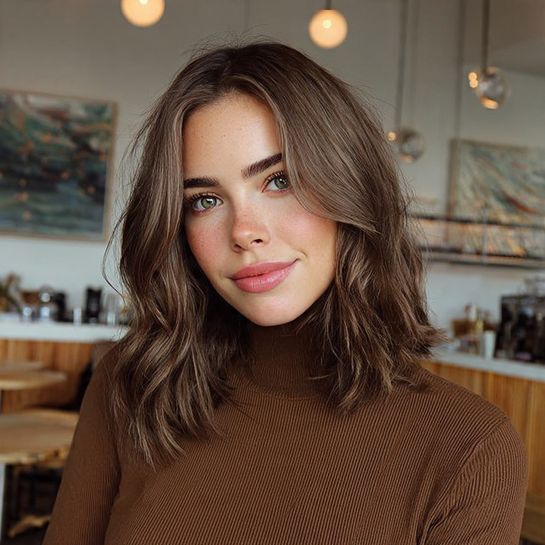
12. Ginger Spice
Vibrant ginger-orange creates bold warmth and unforgettable impact on light complexions.
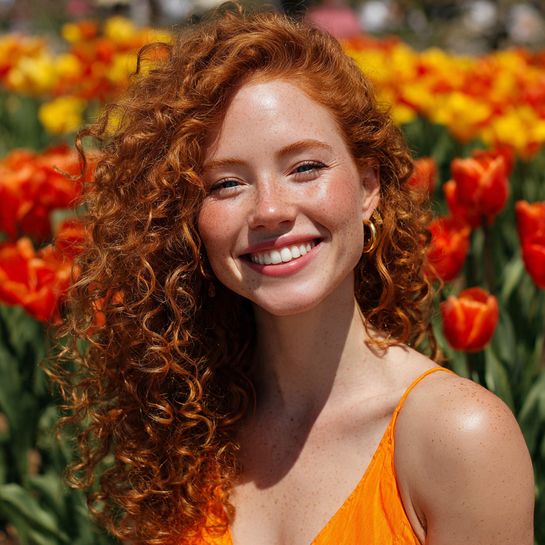
13. Sandy Blonde
Neutral sandy blonde balances warm and cool tones, working beautifully with most light skin undertones.
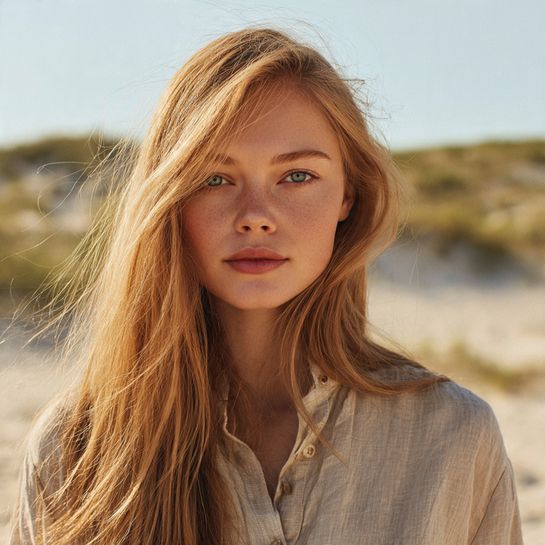
14. Espresso Brunette
Deep espresso brown adds dramatic richness while remaining sophisticated on fair skin, especially with neutral or warm undertones.

15. Peach Blonde
Soft peachy-blonde tones create a unique warmth that’s unexpectedly beautiful on fair skin.
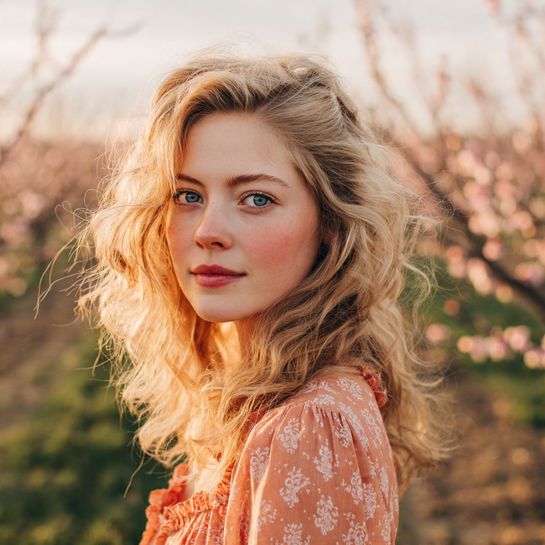
16. Cinnamon Brunette
Warm cinnamon brown with red-orange undertones brings spicy dimension to light complexions.
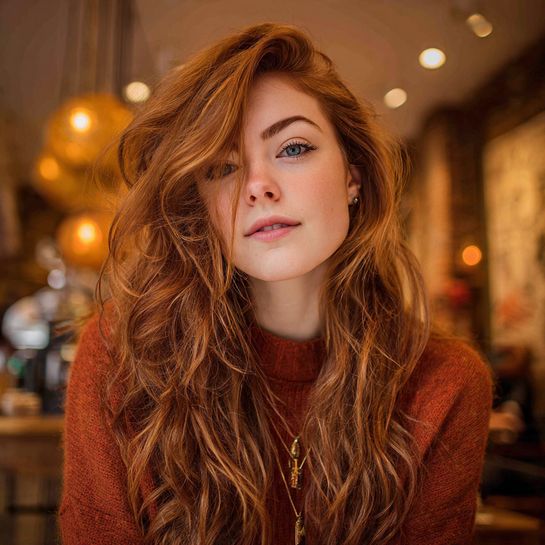
17. Vanilla Blonde
Pale vanilla blonde with cream undertones creates soft, angelic beauty perfect for very fair skin.
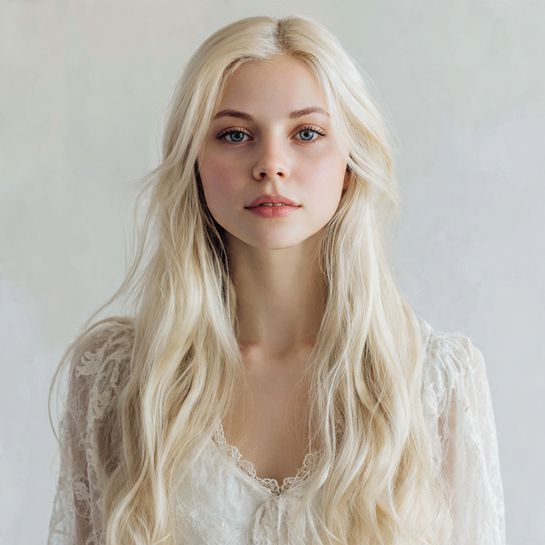
18. Mahogany Brunette
Rich mahogany brown with deep red tones adds luxurious depth and warmth to light skin.
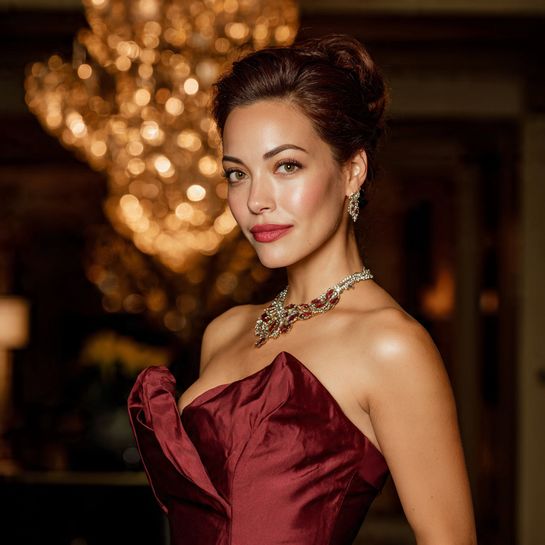
19. Golden Blonde
Warm golden blonde with yellow-gold tones creates sun-kissed radiance on fair skin with warm undertones.

20. Chestnut Glow
Medium chestnut brown with warm undertones provides perfect balance—not too dark, not too light—for many fair complexions.
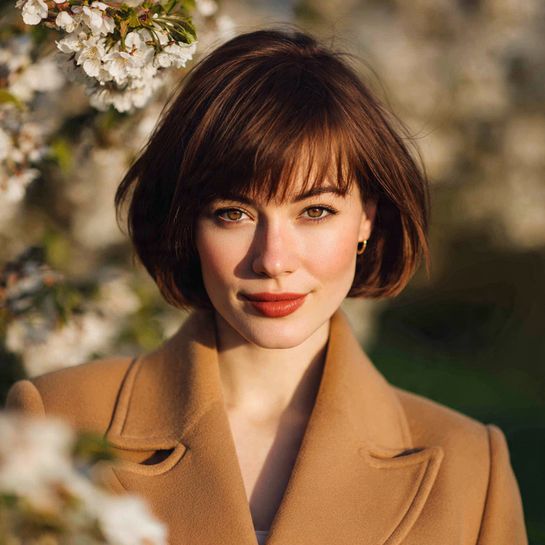
21. Copper Penny
Bright copper-orange creates show-stopping warmth and vibrancy that’s stunning on light skin.
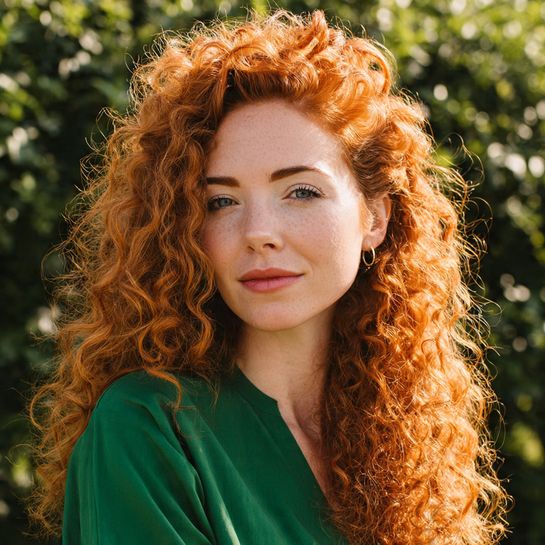
22. Bronde Blend
The perfect blend of brown and blonde creates natural-looking dimension ideal for transitioning between shades on fair skin.
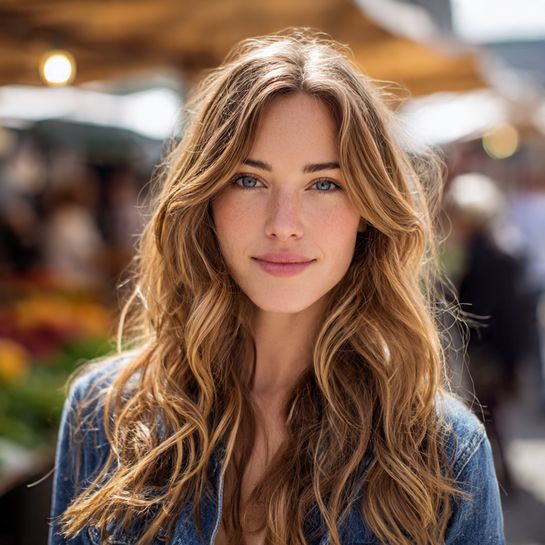
23. Toffee Caramel
Warm toffee-caramel brown brings delicious warmth and dimension to fair complexions seeking richness without going too dark.

Understanding Your Skin’s Undertones
The secret to finding your perfect hair color lies in understanding your skin’s undertones. Fair skin typically falls into three categories: cool undertones with pink or rosy hues, warm undertones with peachy or golden tones, and neutral undertones that balance both.
To identify your undertones, look at the veins on your inner wrist in natural light. Blue or purple veins suggest cool undertones, green veins indicate warm undertones, and if you see both equally, you’re likely neutral. Another test: hold gold and silver fabric against your face—whichever makes you look more radiant indicates your undertone (gold for warm, silver for cool).
Cool-toned fair skin glows with ash blondes, platinum, cool brunettes, and certain coppers with cooler red tones. Warm-toned light skin shines with golden blondes, honey tones, warm brunettes, and vibrant orange-based coppers. Neutral undertones have the luxury of working with almost any shade.
Preventing Washout
One concern for fair-skinned individuals is avoiding colors that wash out their complexion. The key is ensuring sufficient contrast or warmth. Very pale skin with pale blonde hair can sometimes lack dimension—adding lowlights, choosing slightly warmer tones, or incorporating strategic highlights prevents this flat appearance.
Multi-dimensional color is your friend. Instead of single-process all-over color, consider techniques like balayage, ombré, or highlights that create depth and movement. This dimensional approach ensures your hair color enhances rather than fades into your skin tone.
Brows and lashes also play a role. If going very light blonde, consider tinting brows slightly darker to maintain facial definition and prevent the washed-out look.
Transitioning Between Shades Safely
Moving from dark to light or light to dark requires careful planning to protect hair health. Dramatic lightening processes can be damaging if done too quickly. Many colorists recommend gradual transitions over multiple sessions, especially when going from dark brunette to blonde.
If lightening significantly, deep conditioning treatments before, during, and after the process help maintain hair integrity. Olaplex and similar bond-building treatments minimize damage during bleaching processes.
When going darker from blonde, filling the hair with appropriate undertones prevents colors from turning green or ashy. Professional colorists understand these technical requirements and can guide you through safe transitions.
Seasonal Color Evolution
Spring hair colors can evolve throughout the year. Many people go lighter in spring and summer when sun exposure naturally lightens hair, then deepen tones in fall and winter. This natural rhythm works with seasonal changes rather than against them.
Blondes might add more highlights or lighten their base as spring progresses. Brunettes could incorporate caramel or honey tones for spring dimension. Coppers might brighten or shift toward strawberry-blonde territory as summer approaches.
Planning your color journey seasonally allows strategic timing of appointments and gives hair recovery periods between intensive processes.
Maintaining Your Spring Color
Different colors require different maintenance approaches. Blondes need purple or blue shampoos to neutralize brassiness. Brunettes benefit from color-depositing conditioners that refresh richness between appointments. Coppers require the most maintenance, as red tones fade fastest.
Sulfate-free shampoos preserve color longer than regular shampoos. Washing less frequently—every 2-3 days rather than daily—significantly extends color vibrancy. Cold water rinses seal the cuticle and lock in color better than hot water.
UV protection prevents fading, especially important for vibrant coppers and light blondes. Wear hats in direct sun or use UV-protectant hair products. Chlorine is particularly harsh on color, so wet hair with clean water before swimming and use protective products.
Working with Your Natural Base
Your natural hair color provides clues about which colors will be easiest to achieve and maintain. Natural blondes can play within the blonde spectrum with less processing than those starting from dark brunette. Similarly, natural brunettes might find deeper shades easier to maintain than platinum blonde.
However, don’t let your natural color limit you. With today’s color technology and skilled colorists, virtually any transformation is possible. It’s more about understanding the process, commitment, and maintenance required for your desired shade.
Gray coverage becomes a consideration for some. Cool-toned colors often camouflage grays better than warm tones. Discuss gray coverage needs with your colorist so they can formulate accordingly.
Professional vs. At-Home Color
While drugstore box dyes have improved, achieving the nuanced, multi-dimensional colors showcased here typically requires professional expertise. Home color works fine for single-process, close-to-natural shades, but complex techniques like balayage, ombré, or platinum blonde are best left to professionals.
Professional colorists customize formulas for your specific hair, adjusting developers and tones to achieve desired results while minimizing damage. They also correct issues if colors don’t turn out as expected—something difficult with box dyes.
If budget constrains frequent salon visits, consider getting your base color professionally done and maintaining it with glosses or root touch-ups between appointments.
Embracing Your Perfect Shade
The most important factor in choosing hair color is selecting a shade that makes you feel beautiful and confident. These 23 options offer inspiration, but your perfect color might be a custom blend or slight variation based on your unique coloring and preferences.
Bring inspiration photos to consultations, but remember that hair texture, current color, and natural undertones all affect final results. Trust your colorist’s expertise when they suggest modifications to make your desired color work optimally for you.