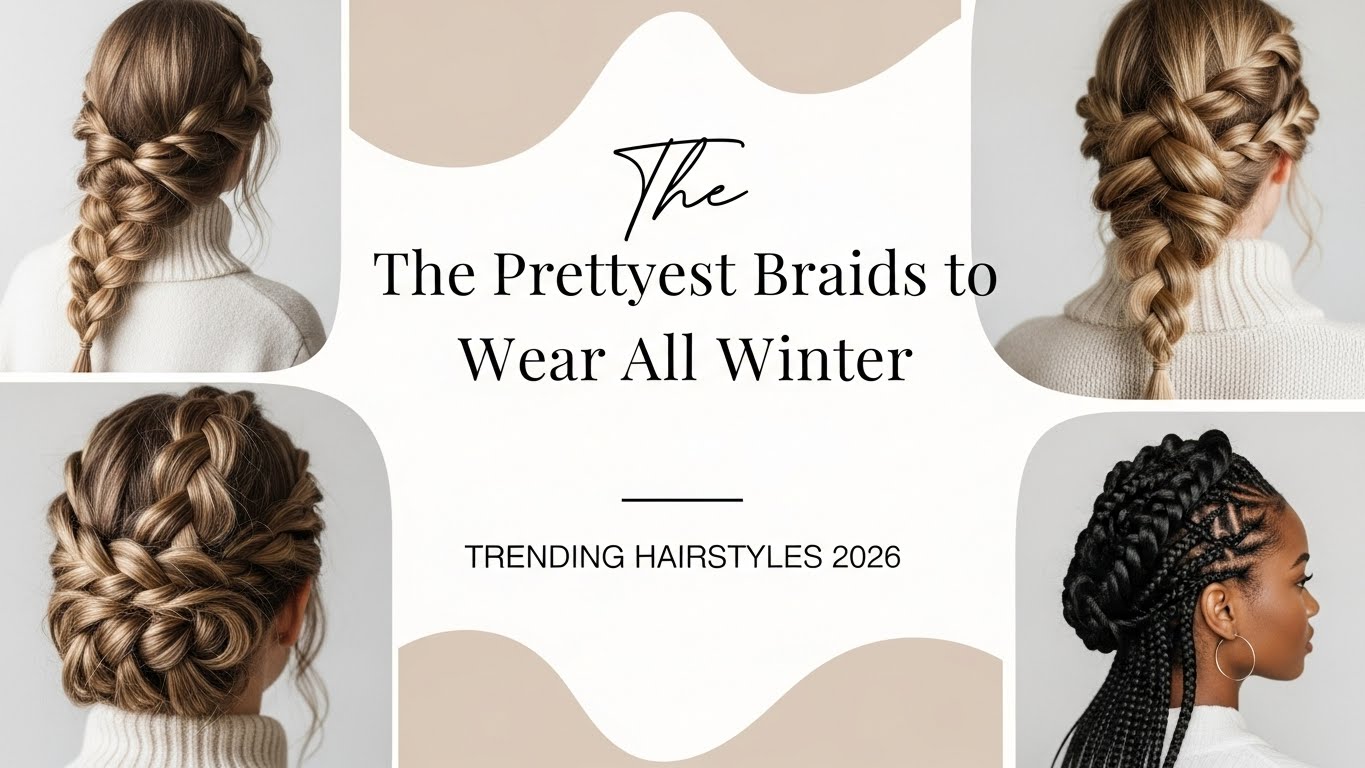
Braided hairstyles offer the perfect solution for winter hair challenges—keeping hair protected from harsh weather, reducing daily styling time, and creating stunning looks that work across all occasions and hair textures. In 2026, braids have evolved beyond basic three-strand plaits into sophisticated styles that celebrate natural texture, incorporate modern techniques, and adapt beautifully whether you’re heading to the office, hitting the gym, or attending elegant evening events. The beauty of braids lies in their universal adaptability—they work on straight, wavy, curly, and coily hair, can be dressed up or down depending on execution, and provide protective styling that promotes hair health during winter’s drying conditions. These styles range from quick five-minute solutions for busy mornings to elaborate creations perfect for special occasions, ensuring there’s always a braid appropriate for your mood, schedule, and hair type. Winter specifically benefits from braided styles as they tuck hair away from scarves and coats, prevent static and breakage, and maintain their shape under hats and winter accessories. Whether you’re a braiding novice looking for simple techniques or an experienced stylist seeking fresh inspiration, these 23 braid hairstyles demonstrate the incredible versatility of this timeless styling method that has been adapted across cultures and generations.
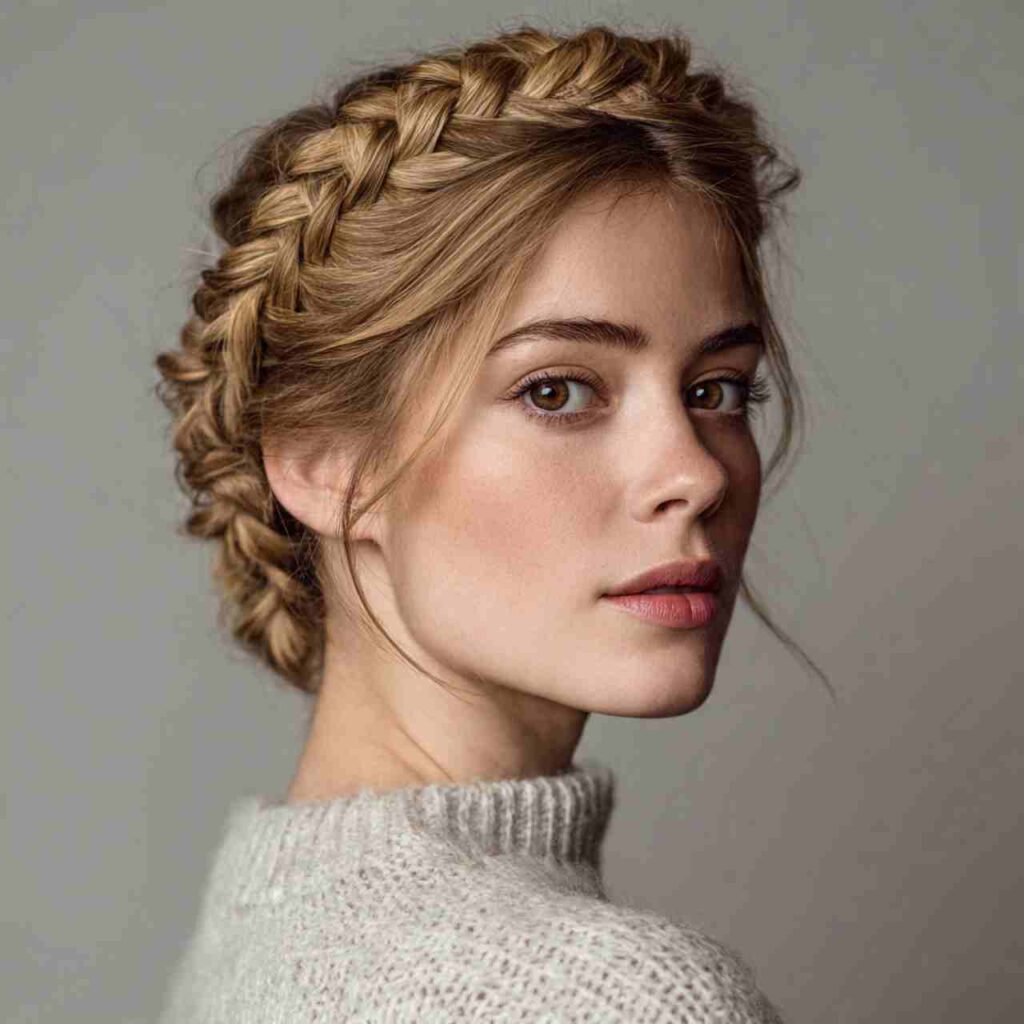
1. Classic French Braid Crown
A traditional French braid wrapped around the head creates elegant crown effect. This sophisticated style keeps hair completely secured while looking polished and intentional.
2. Dutch Braid Pigtails
Two Dutch braids (inside-out French braids) create dimensional pigtails that stand out from the head. This playful yet chic style works across ages and occasions.

3. Messy Side Braid
A loosely woven braid swept over one shoulder creates effortless romance. Gentle pulling creates intentional messiness that looks casually beautiful.
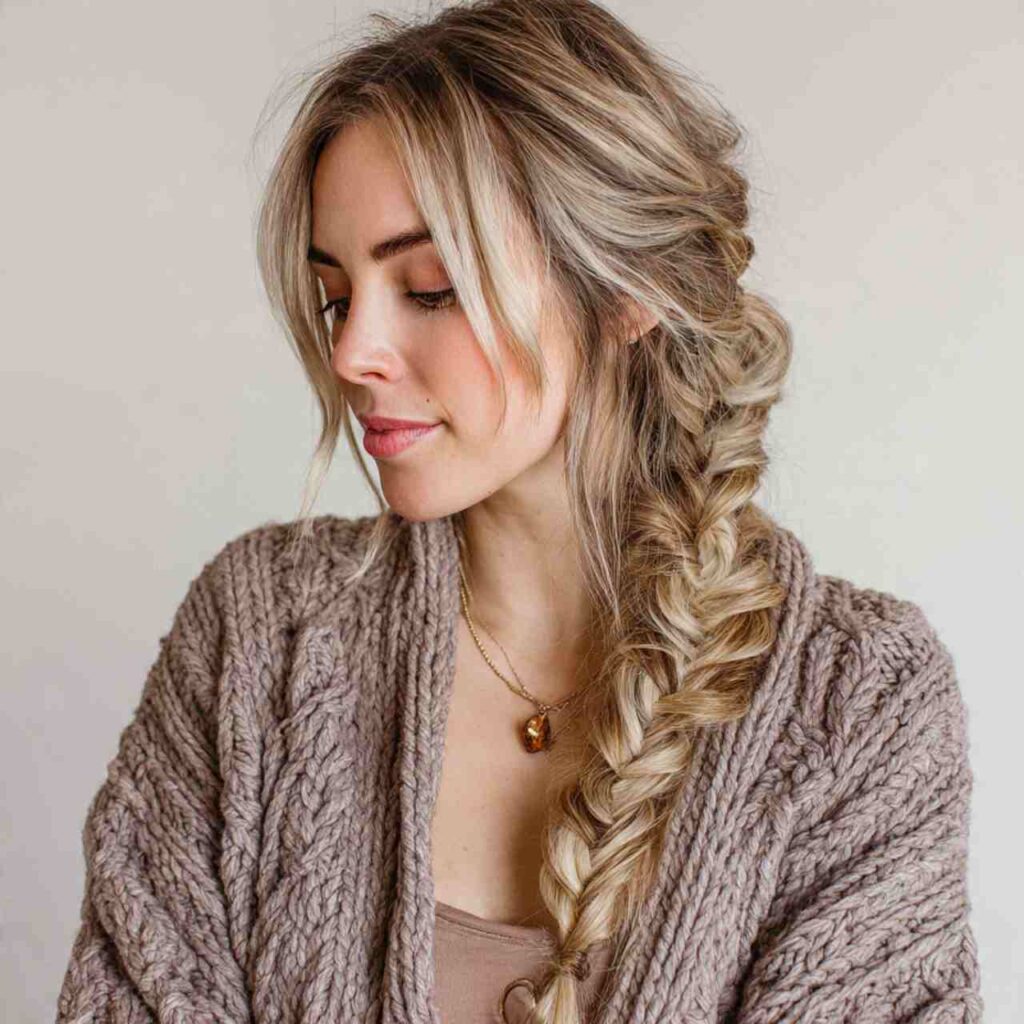
4. Four-Strand Braid Elegance
A four-strand braid creates intricate woven pattern more complex than traditional three-strand. This technique adds visual interest and sophistication.

5. Braided Low Bun
A braid wrapped into a low bun combines two classic styles. This elegant updo works beautifully for professional and formal settings.
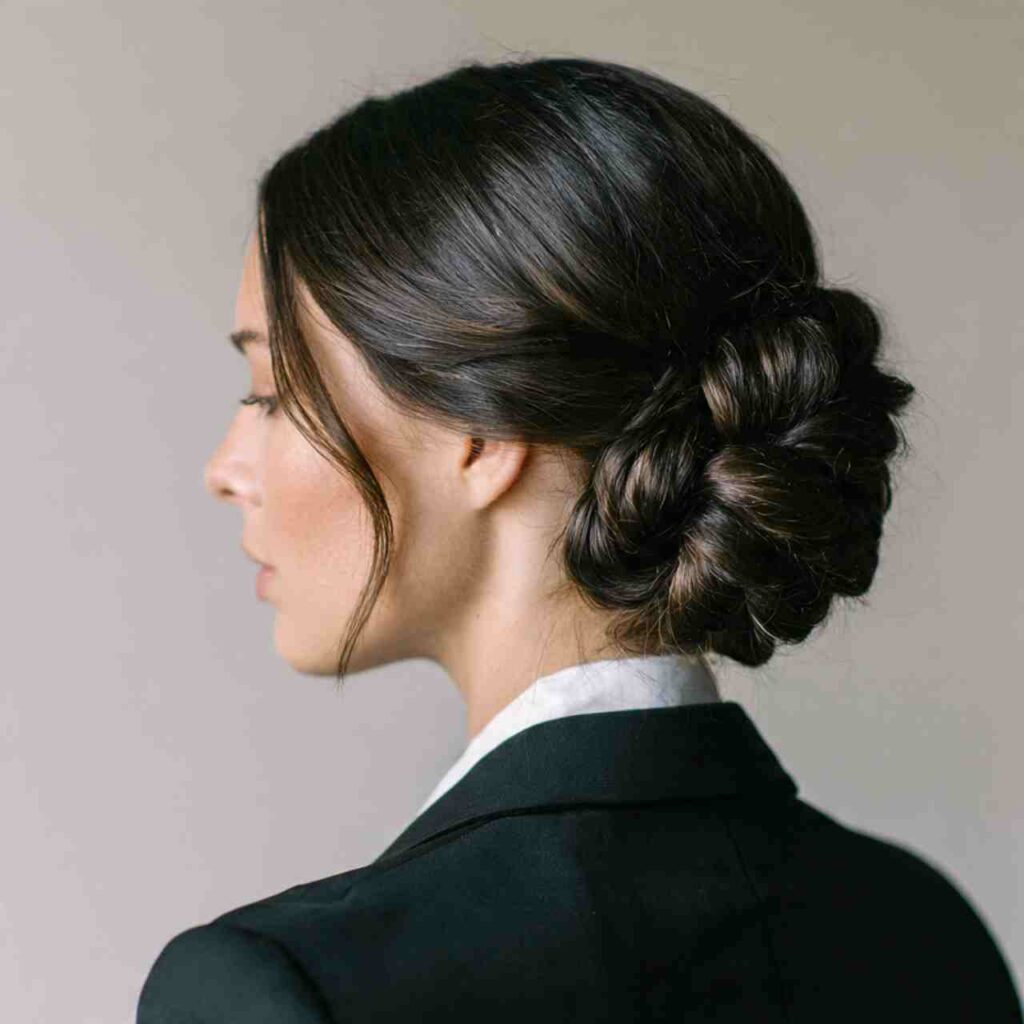
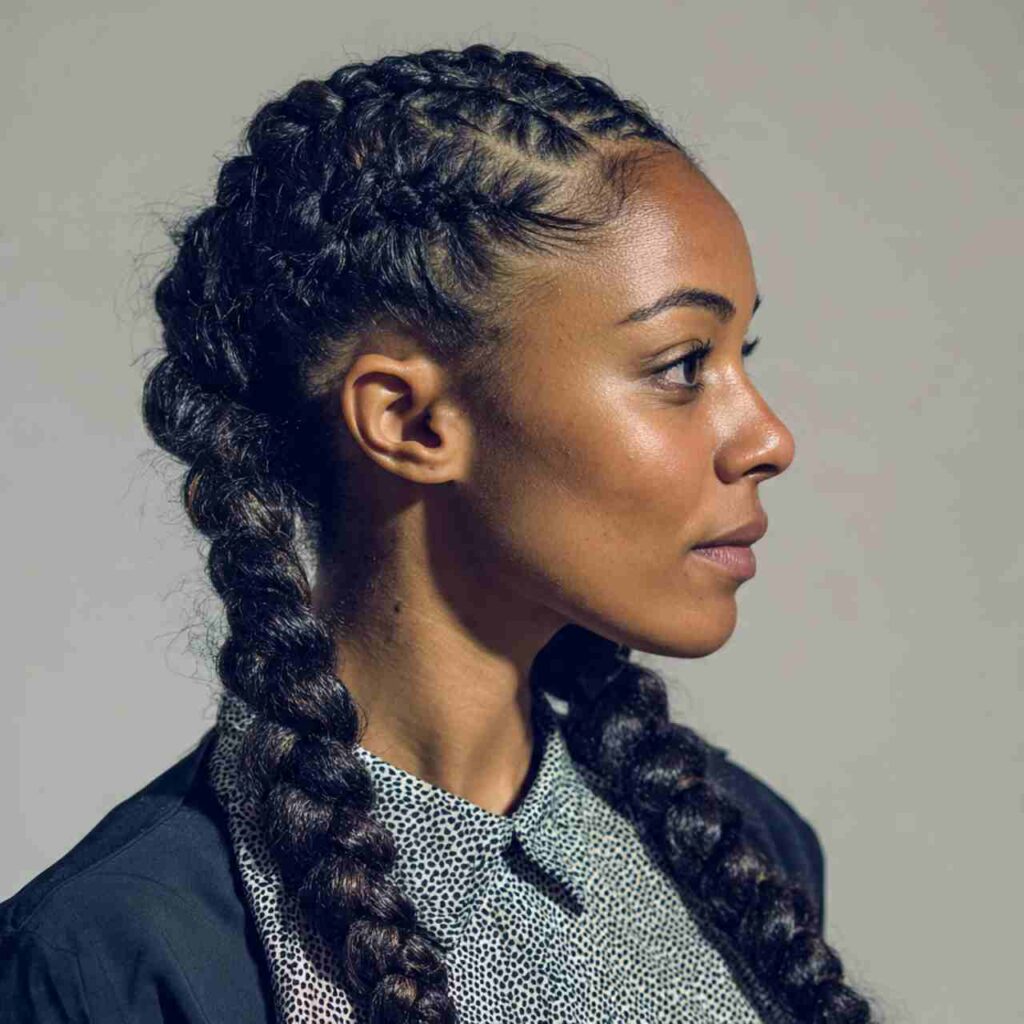
6. Boxer Braids
Two tight Dutch braids running straight back create athletic chic. These secure braids work perfectly for active lifestyles and workout sessions.
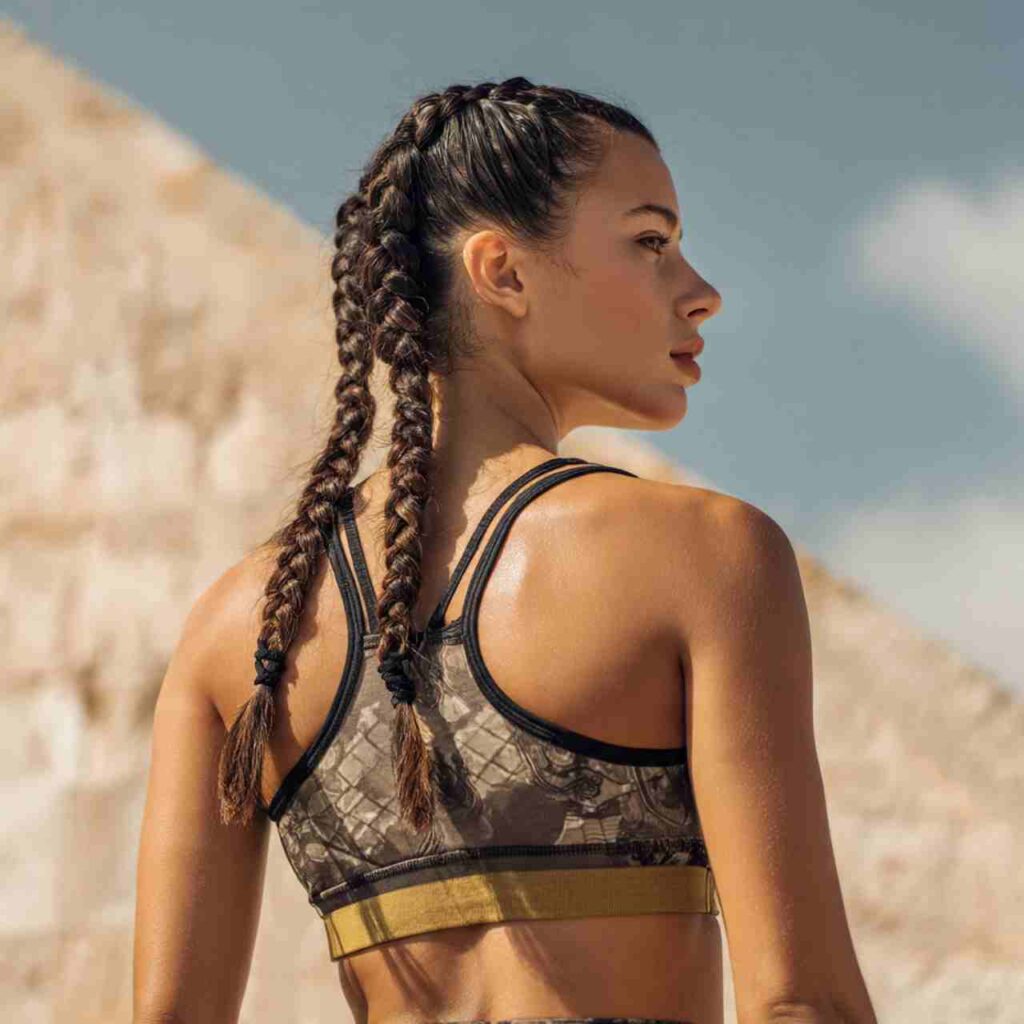
7. Fishtail Side Braid
A fishtail braid technique creates intricate herringbone pattern. This detailed braid looks complex but uses simple two-section weaving.

8. Crown Braid with Loose Hair
A braid crown around hairline with remaining hair flowing loose creates princess aesthetic. This half-up style combines security with flowing femininity.

9. Braided Headband
A thin braid across hairline mimics headband while using own hair. This subtle detail adds interest to otherwise loose hair.
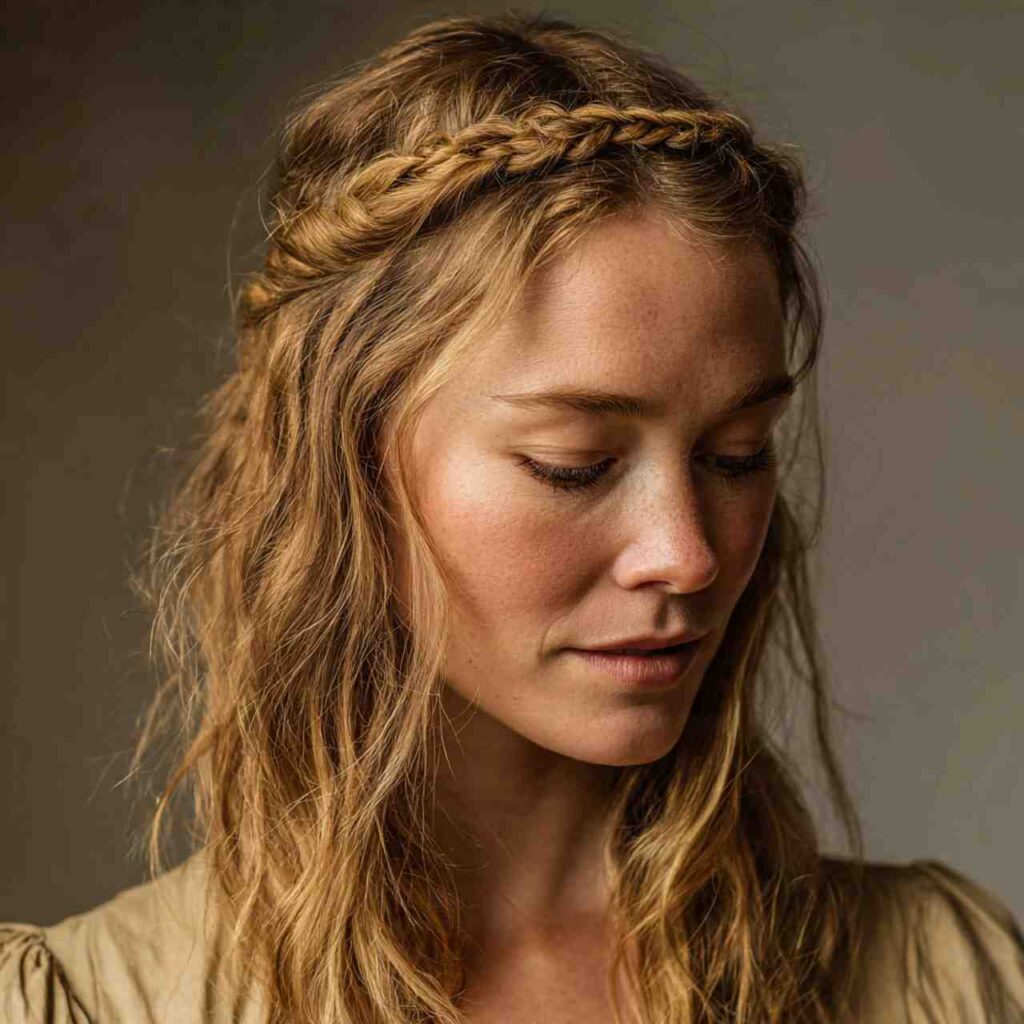
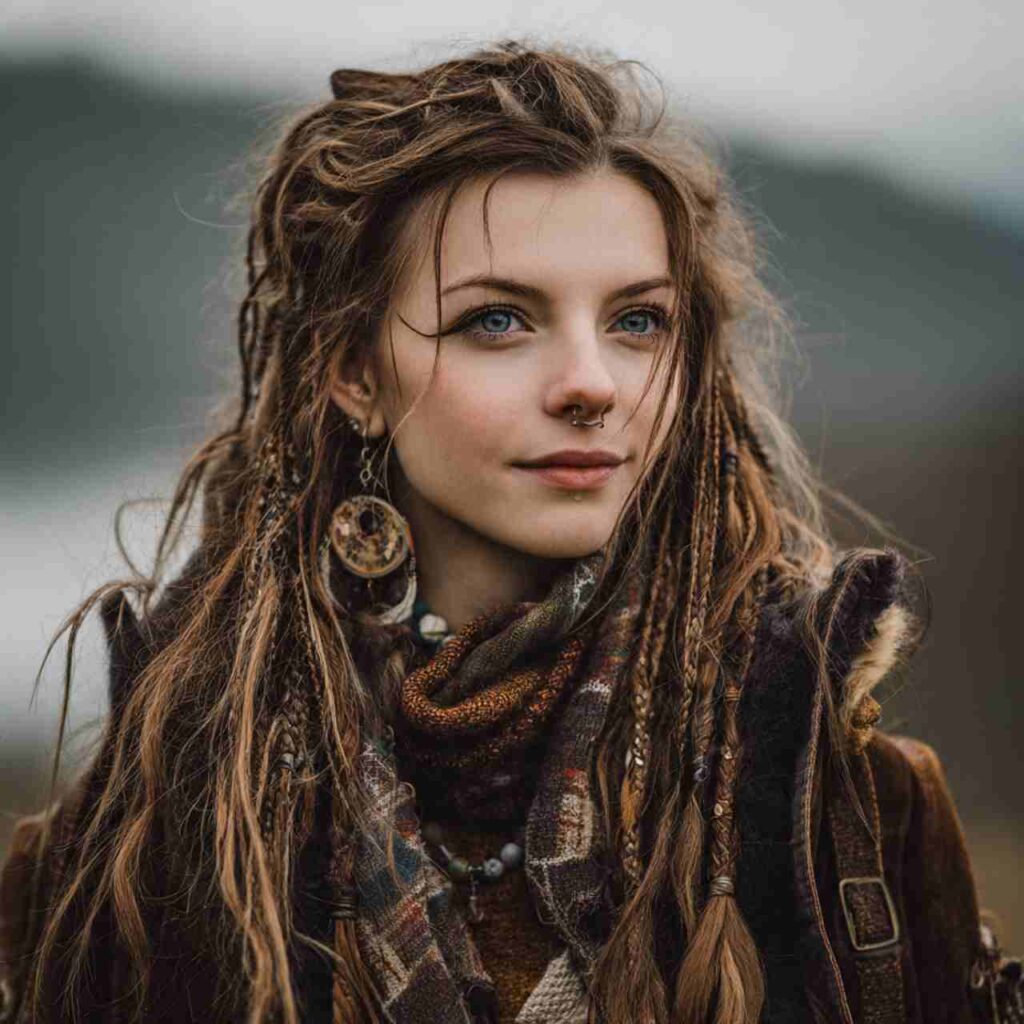
10. Multiple Small Braids Mixed
Several small braids interspersed throughout loose hair create textural interest. This bohemian approach adds dimension without full commitment.
11. Reverse French Braid
A French braid starting at nape moving upward toward crown creates unexpected twist. This inverted technique adds drama and uniqueness.

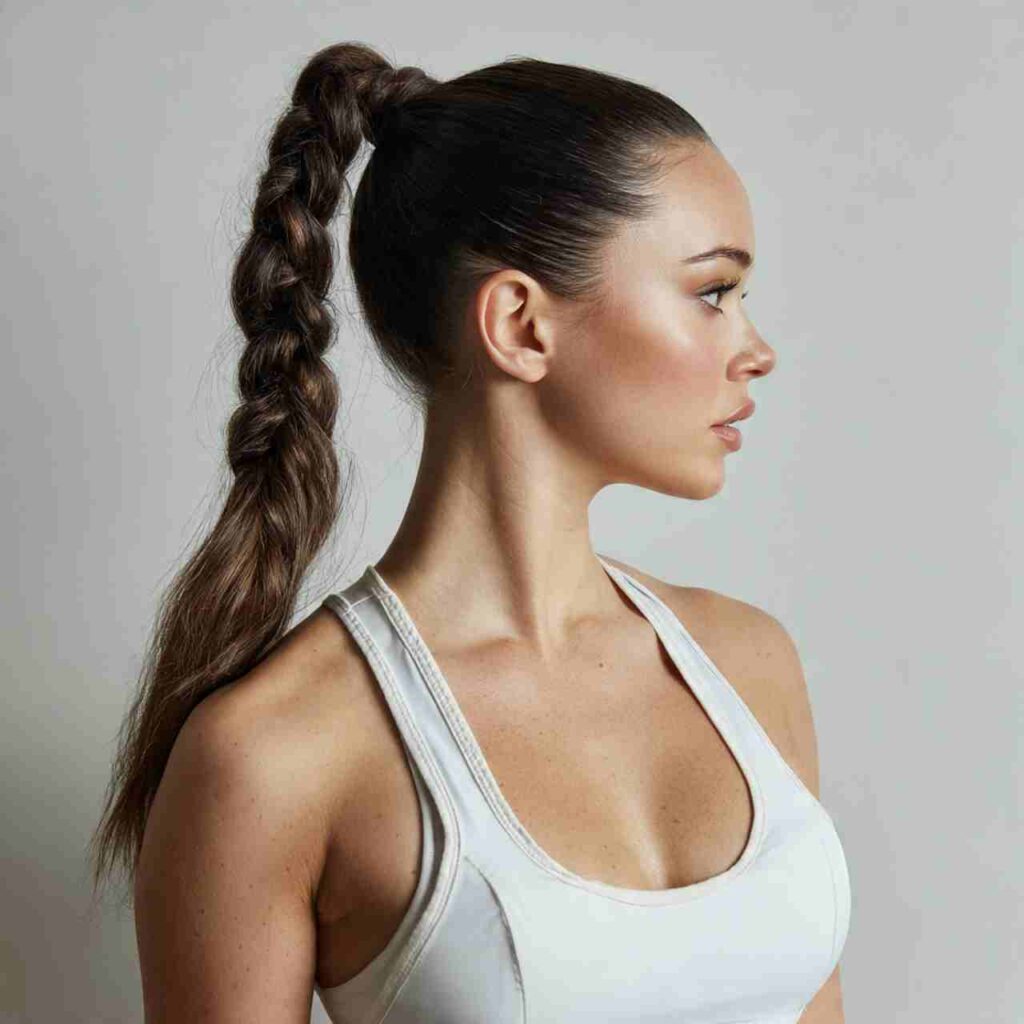
12. Braided High Ponytail
A sleek ponytail with the length braided creates polished athletic style. The combination offers security with elegant finish.
13. Waterfall Braid
A braid with strands dropped to cascade down creates flowing waterfall effect. This romantic technique looks intricate and delicate.

14. Box Braids Protective Style
Individual box braids throughout entire head create classic protective style. This technique works beautifully for textured hair types.
15. Braided Space Buns
Two buns created from braids positioned on top of head creates playful style. The braided construction adds texture and interest.

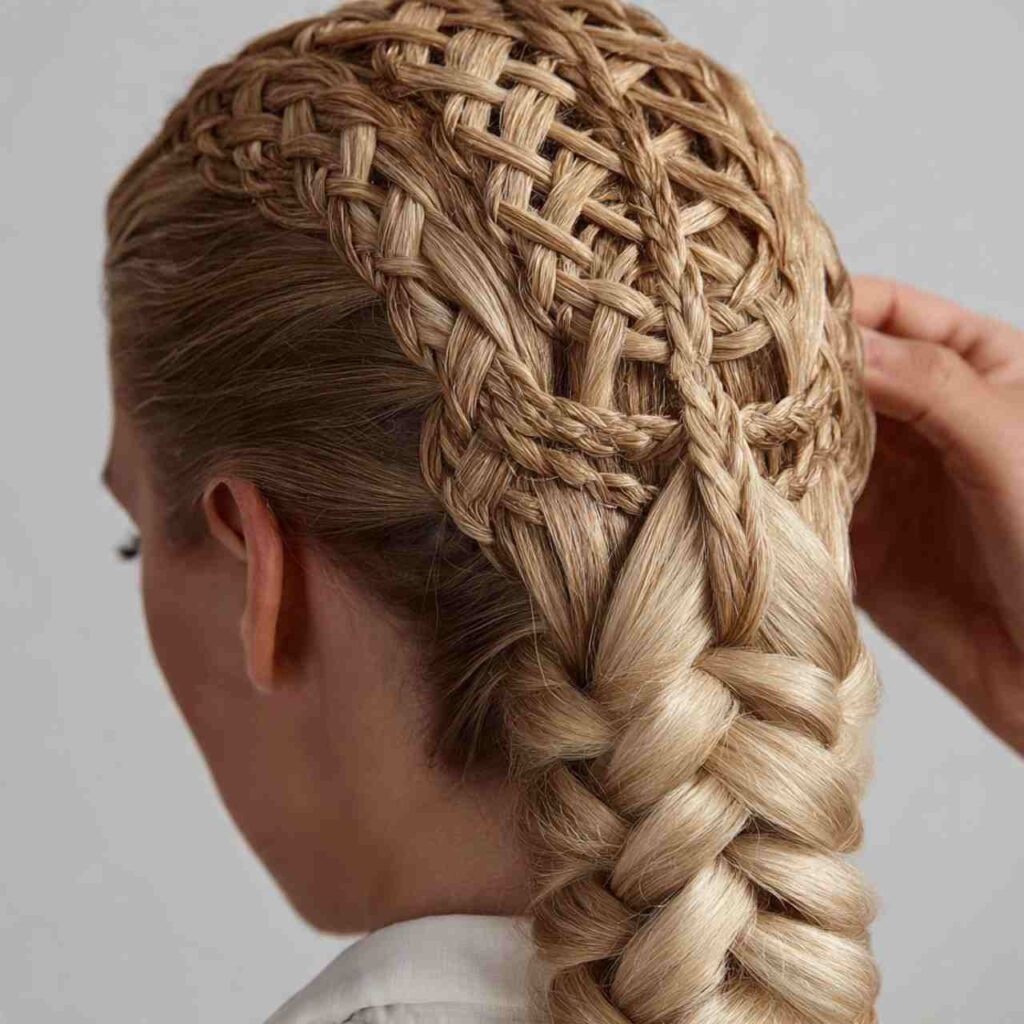
16. Ladder Braid Technique
A braid with woven ribbon-like effect creates ladder appearance. This advanced technique delivers striking visual impact.
17. Pull-Through Braid
A faux braid created by pulling ponytails through each other creates voluminous effect. This technique delivers drama without traditional braiding.
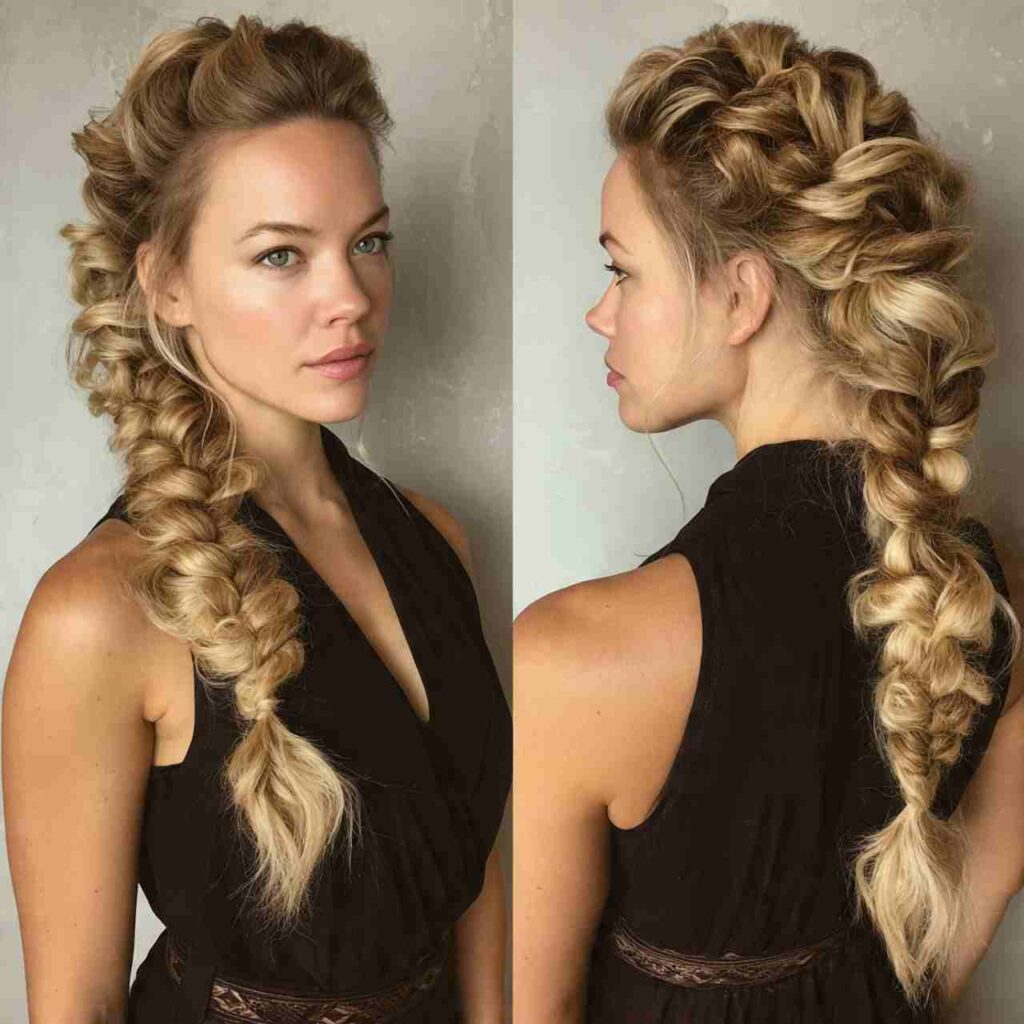
18. French Braid into Low Ponytail
A French braid transitioning into ponytail combines structured and flowing elements. This versatile style works across settings.
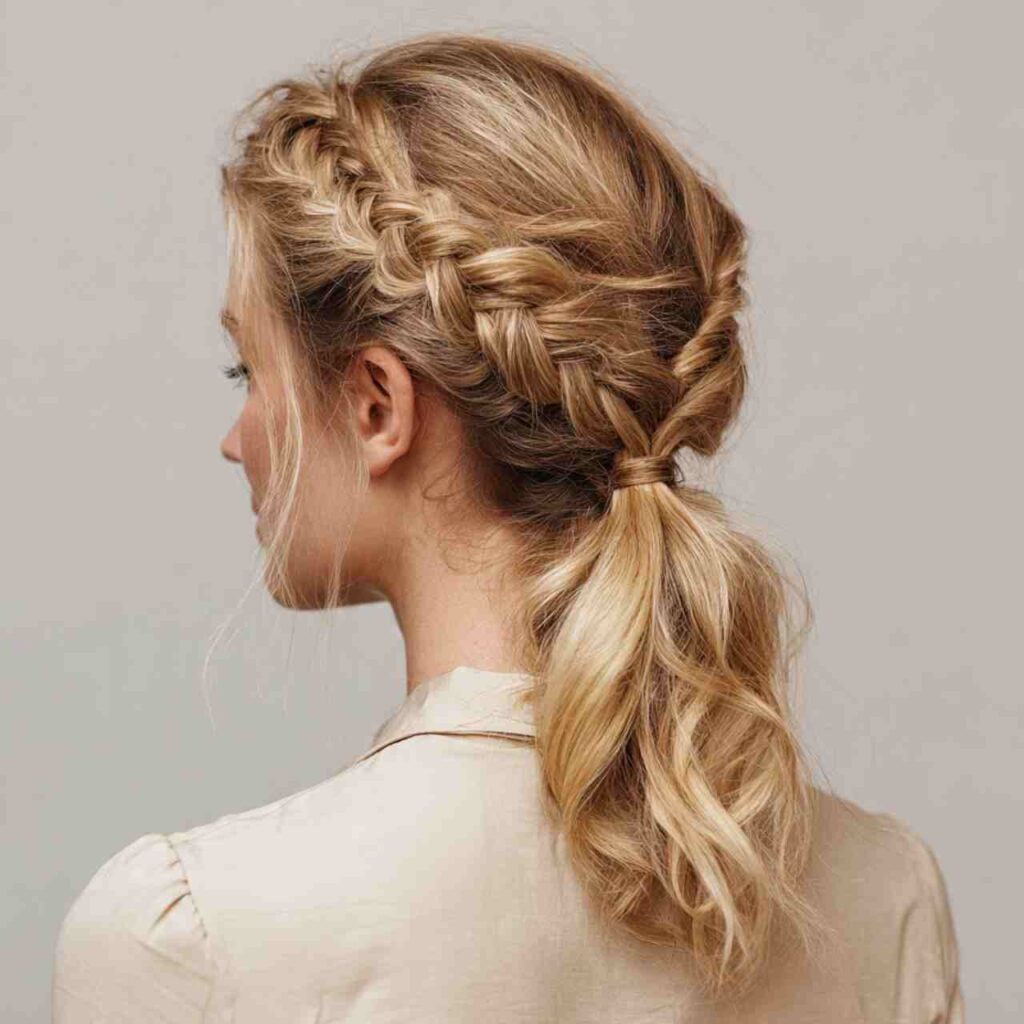
19. Micro Braids Detail
Tiny micro braids creating detailed texture and pattern. These delicate braids work as accents or full protective styles.
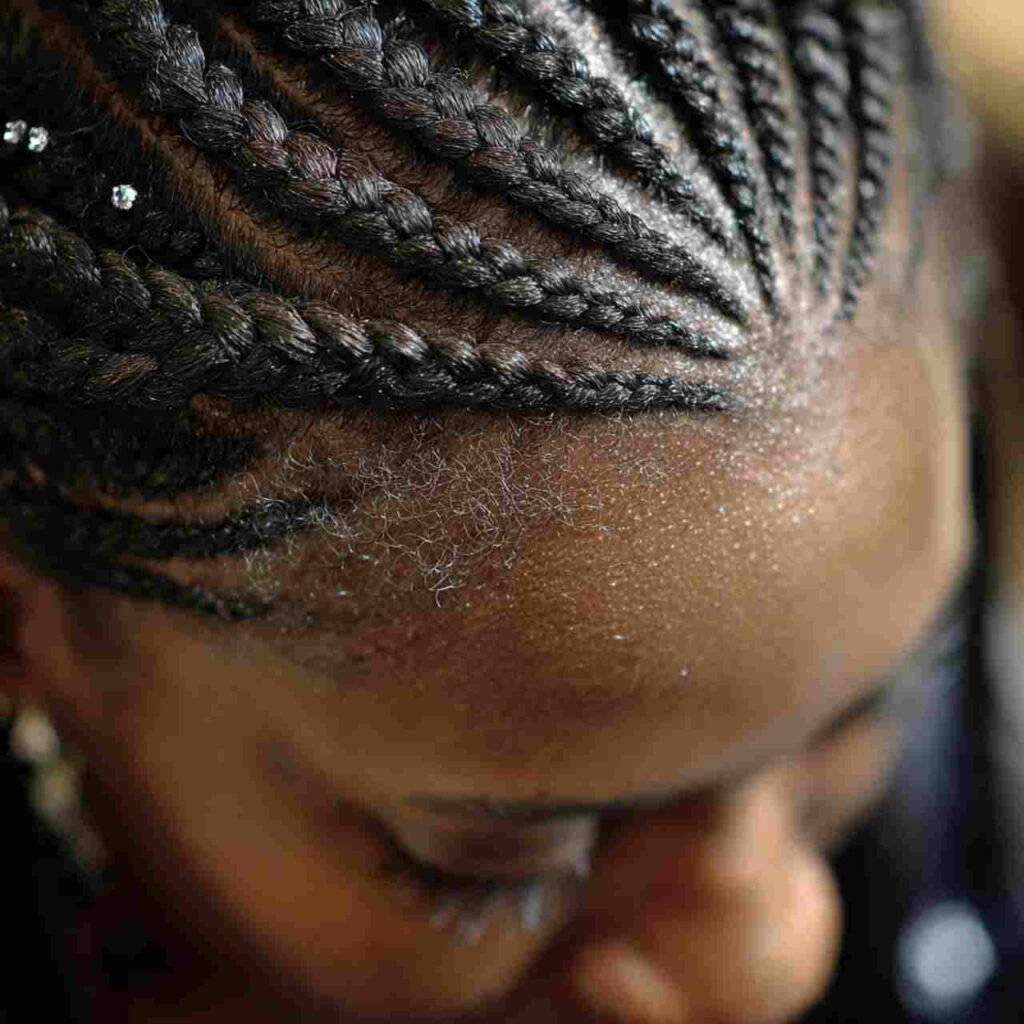
20. Twisted Crown Braid
Twists instead of traditional braiding creating crown effect. This simplified technique delivers similar look with easier execution.
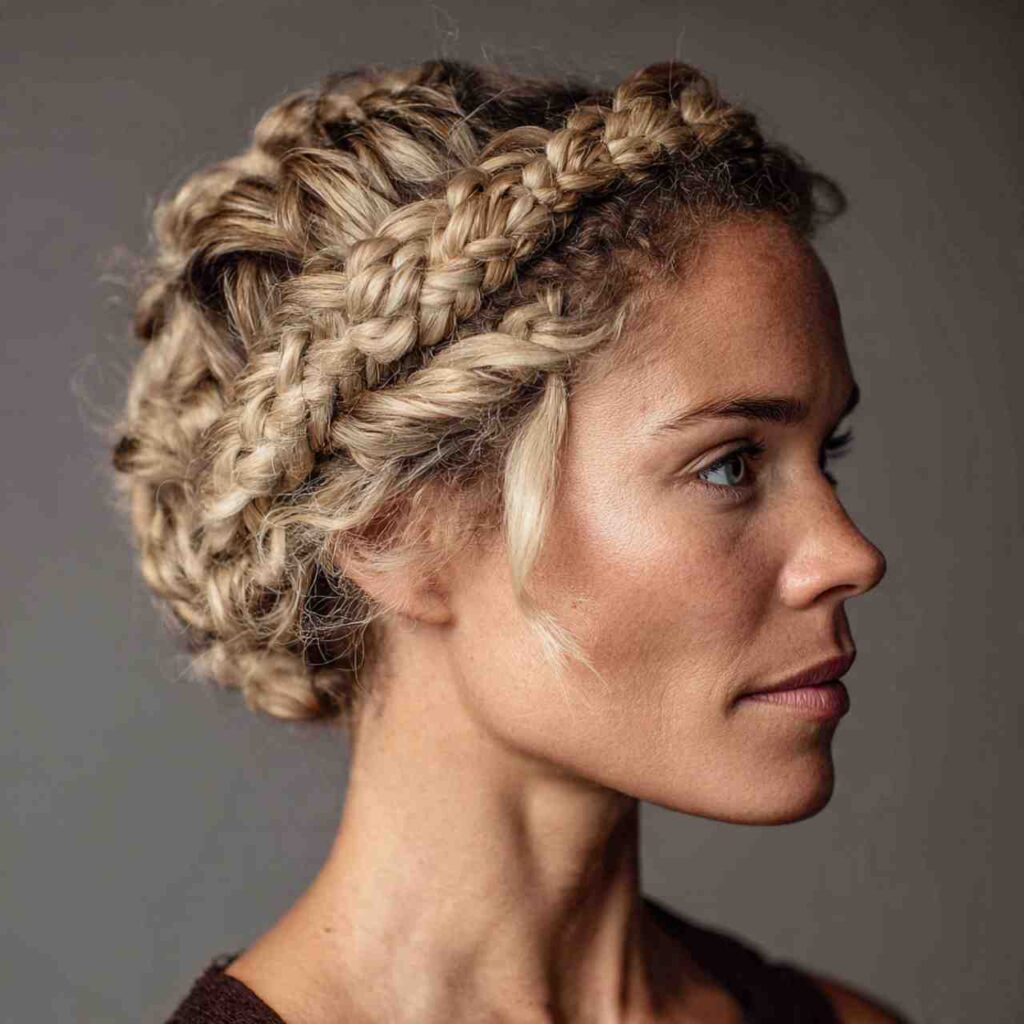
21. Braided Faux Hawk
Center section braided standing upward creating mohawk-inspired style. The edgy look combines punk aesthetic with braiding technique.
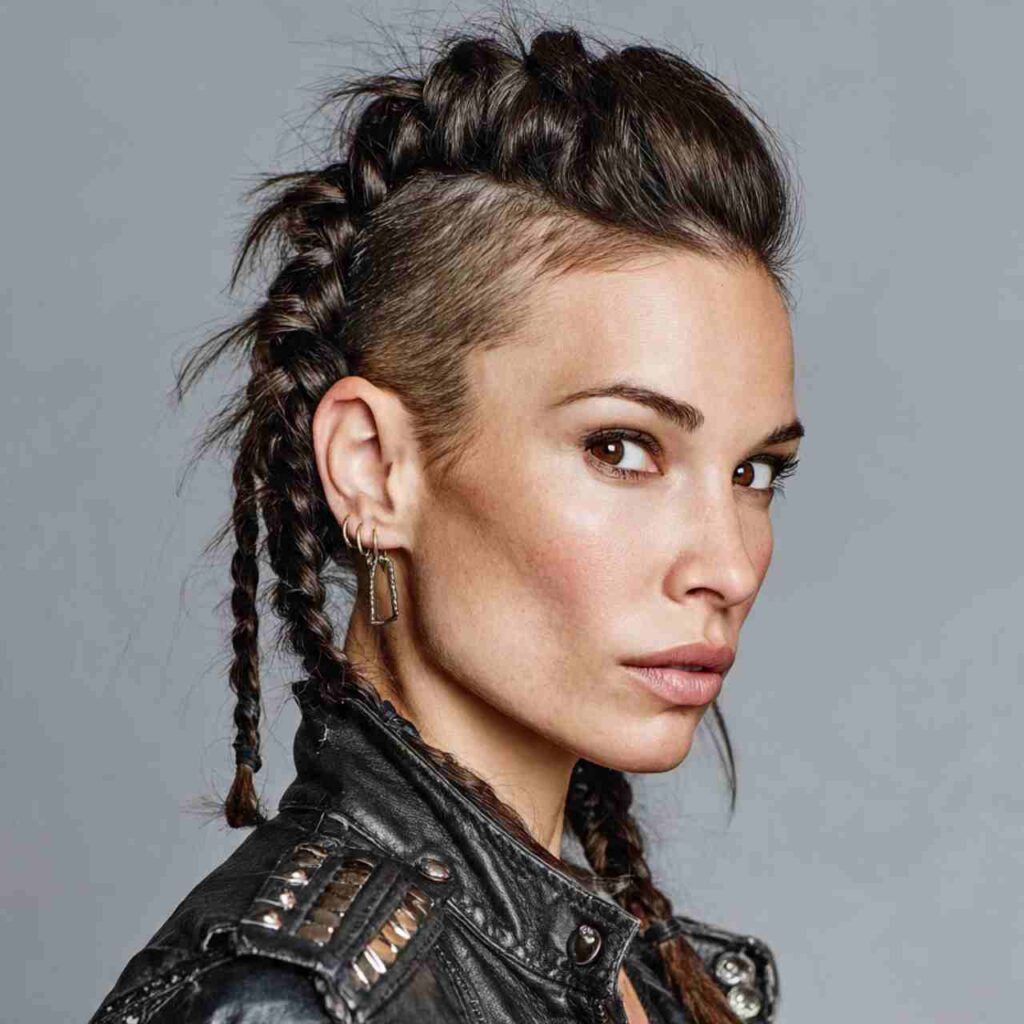
22. Braids with Hair Jewelry
Traditional braids adorned with beads, rings, or cuffs adds personalized detail. Accessories transform simple braids into customized art.

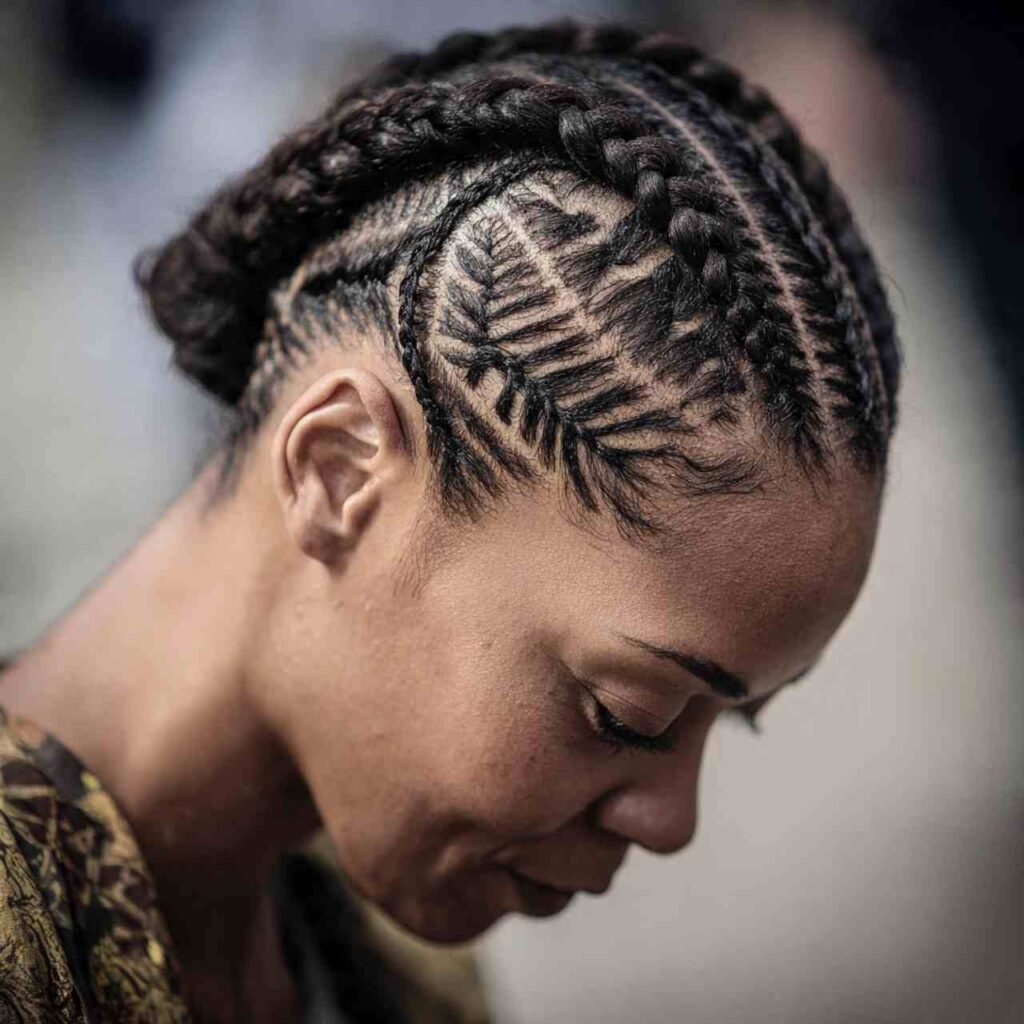
23. Natural Cornrows Pattern
Cornrows braided in creative patterns close to scalp creates cultural traditional styling. These protective styles celebrate heritage and artistry.
Understanding Braid Basics
Braiding involves weaving three or more sections of hair together in patterns creating cohesive structure. The basic three-strand braid forms the foundation for more complex techniques. French braids incorporate additional hair as you progress down the head. Dutch braids (reverse French) create raised effect by crossing sections under rather than over. Fishtail braids use two sections divided and woven for herringbone pattern. Understanding these fundamentals allows progression to more advanced styles. Practicing basic techniques builds muscle memory and dexterity needed for complex braiding.
Braid Terminology
Certain braiding terms appear frequently in tutorials and instructions. “Sections” refer to divided portions of hair being woven. “Incorporating” means adding new hair to existing sections. “Tension” describes how tightly hair is pulled during braiding—consistent tension creates neat results. “Pancaking” means gently pulling braid sections to create fuller, messier appearance. “Securing” refers to fastening braid ends with elastics or pins. Understanding terminology helps follow braiding instructions and communicate with stylists.