Spring brings the perfect opportunity to refresh your look, and if you have a round or full face, you might find yourself wondering which haircuts will make you feel most confident and beautiful. Here’s the truth: every face shape is gorgeous, and the right haircut isn’t about “hiding” anything—it’s about highlighting your best features, creating balance, and choosing a style that makes you feel absolutely amazing when you look in the mirror.
Round and full faces are characterized by soft curves, fuller cheeks, and often similar width and length proportions. The most flattering haircuts for this face shape typically incorporate elements that create visual length, add angles, or frame the face in strategic ways. But here’s what’s important: these aren’t rigid rules. The “best” haircut is always the one that fits your lifestyle, hair texture, and personal style while making you feel like the most authentic version of yourself.
Spring 2026 brings exciting haircut trends that work beautifully for round faces—from face-framing layers that add dimension to asymmetrical cuts that create angles, from long flowing styles that elongate to textured bobs that bring movement. The key is understanding which elements work in your favor and then choosing a cut that resonates with your personality and daily routine.
This guide celebrates the beauty of round faces while offering practical, flattering haircut ideas for spring. We’ll explore 25 different styles ranging from short and sassy to long and romantic, each chosen specifically for how well it complements fuller face shapes. Whether you prefer low-maintenance cuts or enjoy styling your hair daily, whether you love classic elegance or trendy edge, there’s a perfect spring haircut here waiting for you.
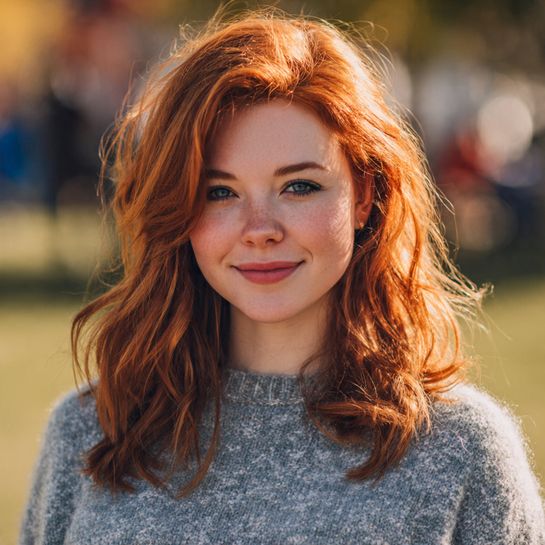
1. Long Layered Waves
Long layers starting below the chin create vertical lines that elongate the face while adding beautiful movement and dimension.
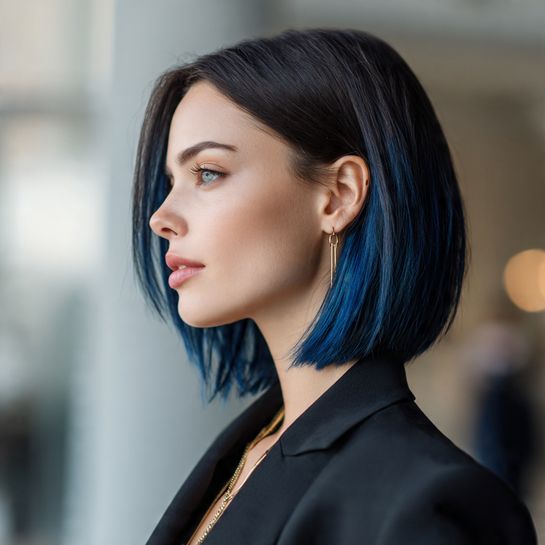
2. Angled Long Bob
A lob that’s longer in front and shorter in back creates diagonal lines that add visual length and modern sophistication.
3. Side-Swept Bangs with Length
Long hair with side-swept bangs draws the eye diagonally, creating flattering angles across the face.
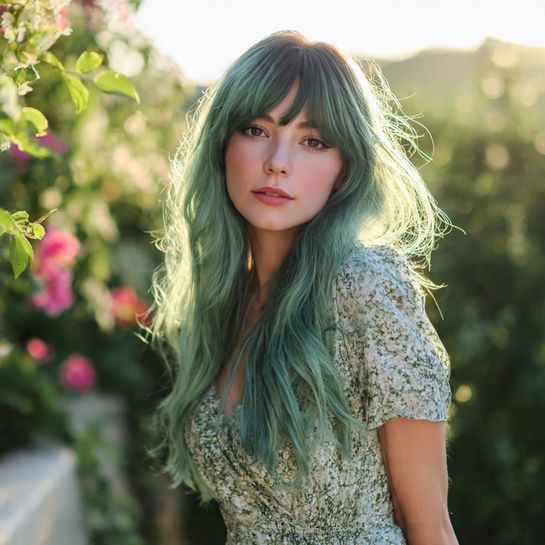
4. Shoulder-Grazing Layers
Shoulder-length hair with choppy layers adds texture and movement while the length creates vertical emphasis.
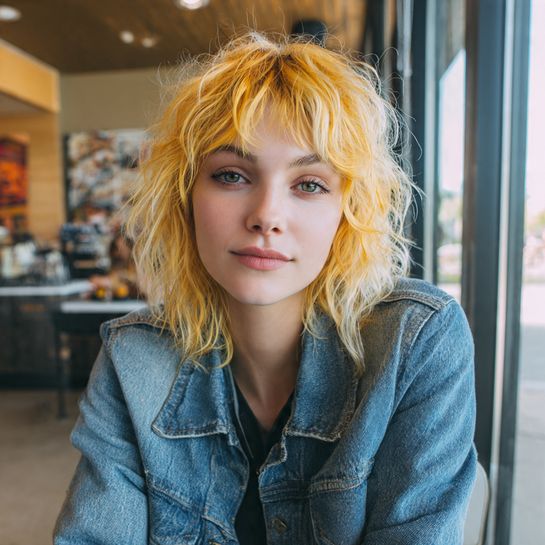
5. Asymmetrical Bob
An asymmetrical cut with one side longer creates visual interest and angles that complement round faces beautifully.
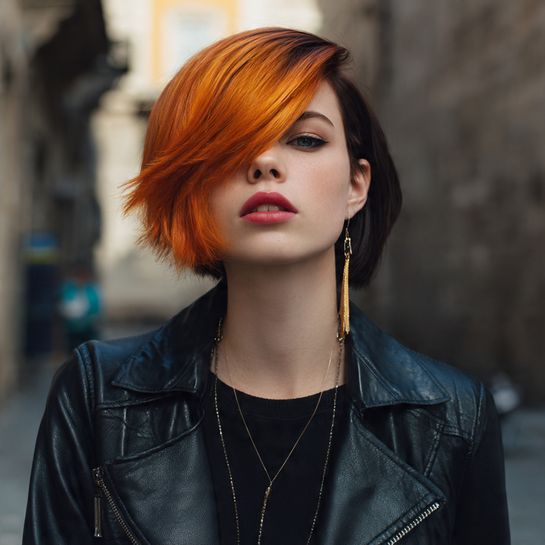
6. Face-Framing Money Pieces
Lightened face-framing sections draw attention vertically along the face, creating an elongating effect.
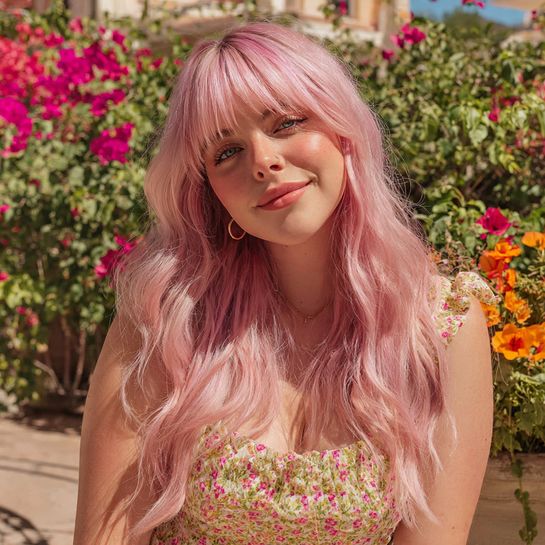
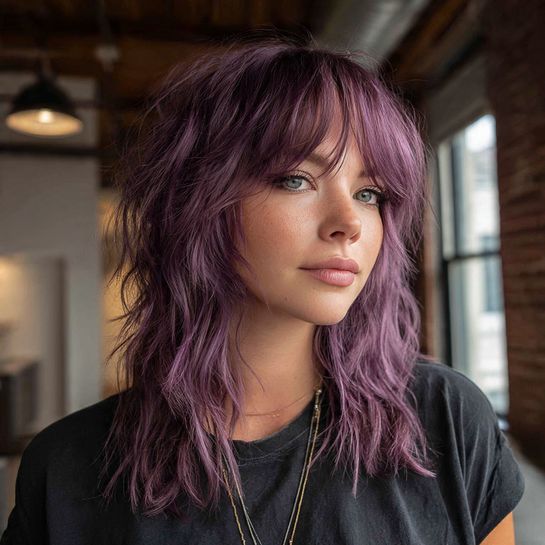
7. Textured Shag Cut
A modern shag with lots of layers creates movement and texture that prevents hair from adding width to the face.
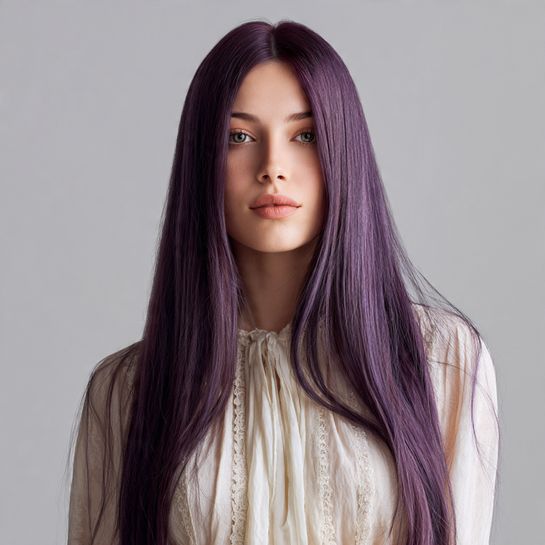
8. Long Center Part
A simple center part with long flowing hair creates symmetrical vertical lines that elongate the face naturally.
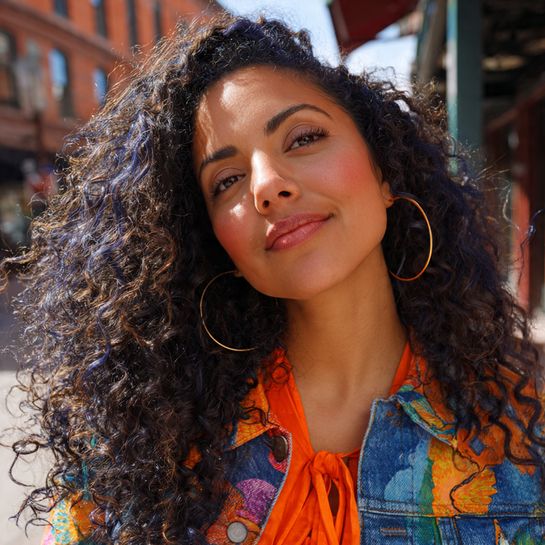
9. Curly Long Layers
Long curly hair with layers prevents bulk while the vertical spiral curls create length.
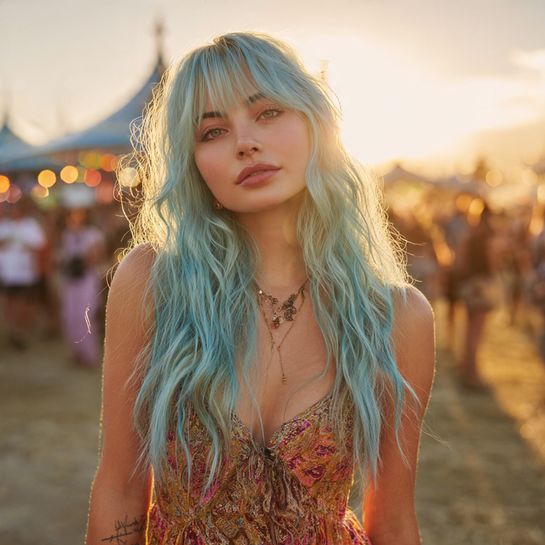
10. Wispy Curtain Bangs
Soft curtain bangs that part in the middle create face-framing that draws the eye inward and downward.
11. Choppy Lob with Texture
A textured lob with choppy ends creates movement and prevents the blunt weight that can emphasize roundness.
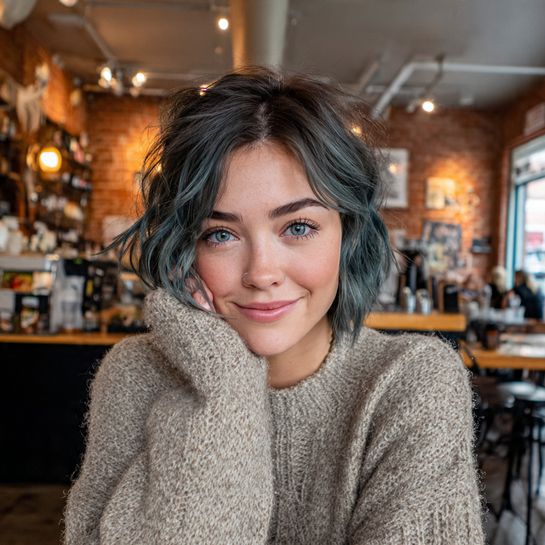
12. Sleek High Ponytail
Pulling hair up and back with face-framing pieces left out creates instant lift and elongation.
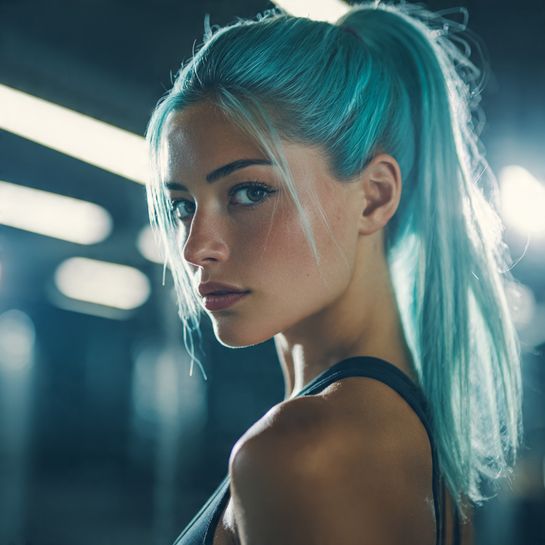
13. Graduated Bob
A stacked bob that’s shorter in back and longer in front creates beautiful angles and lift.
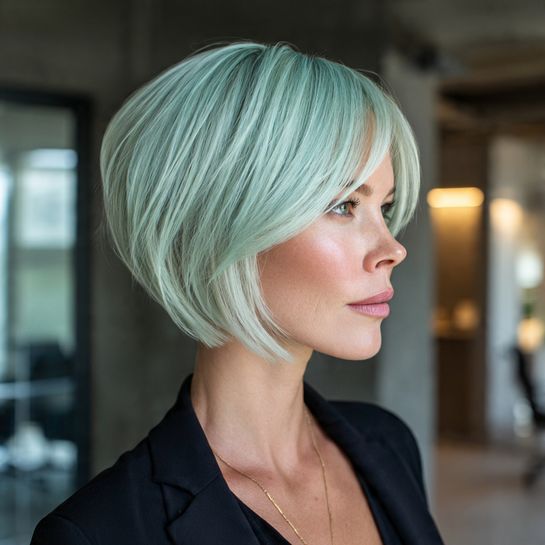
14. Beachy Waves with Volume
Loose waves with volume at the crown create height that balances facial width.
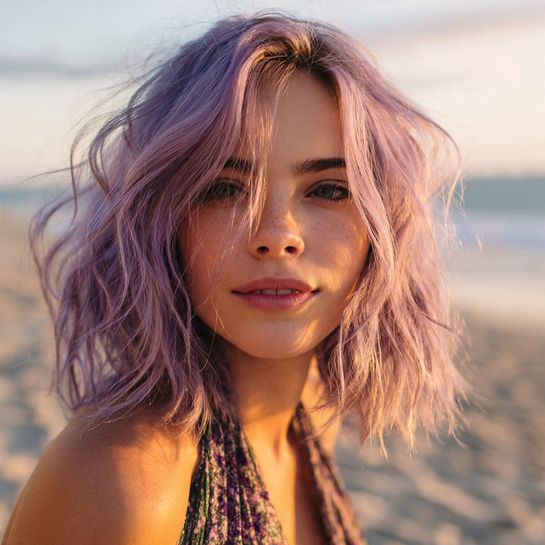
15. Razor-Cut Layers
Razor-cut layers create wispy, feathered texture that adds movement without heaviness.

16. Side Part Long Hair
A deep side part creates asymmetry that adds visual interest and angles to the face.
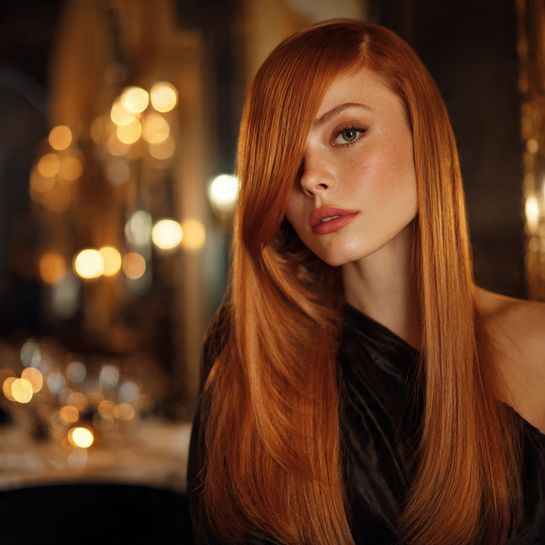
17. Wavy Midi Length
Mid-length wavy hair hitting between shoulders and elbows creates perfect balance and femininity.
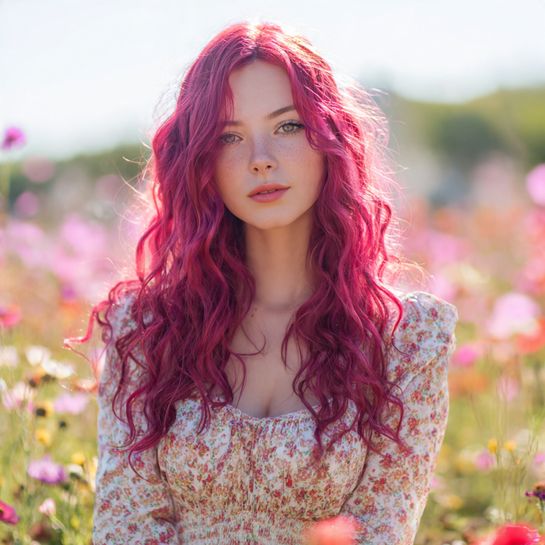
18. Collarbone Cut with Layers
Hair cut right at the collarbone with internal layers creates structure without adding facial width.
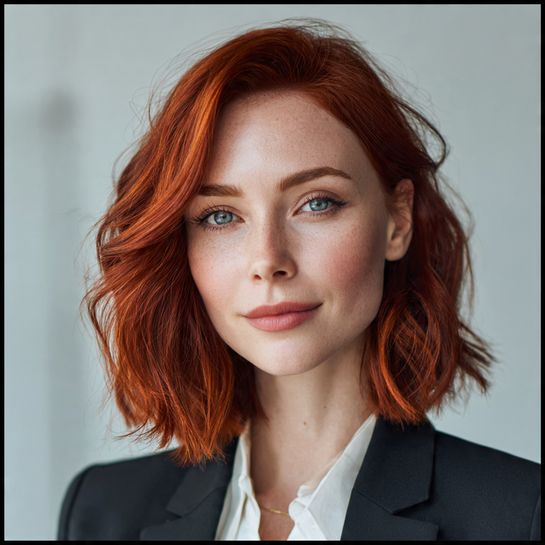
19. Voluminous Blowout
A bouncy blowout with lots of volume creates height and movement that flatters round faces.
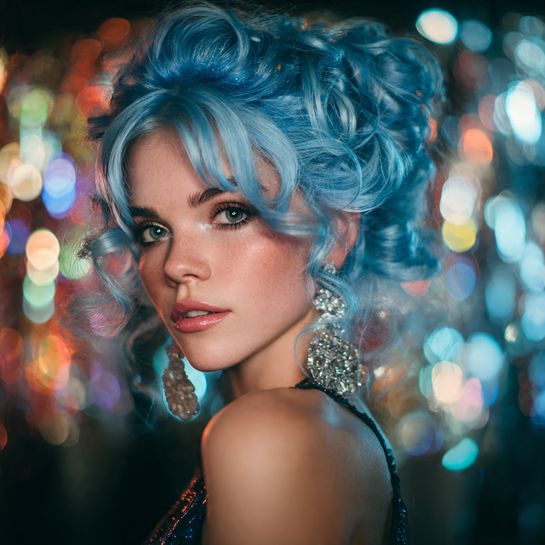
20. Tapered Long Cut
Long hair that’s slightly tapered with ends thinner than mid-lengths prevents bottom-heavy look.
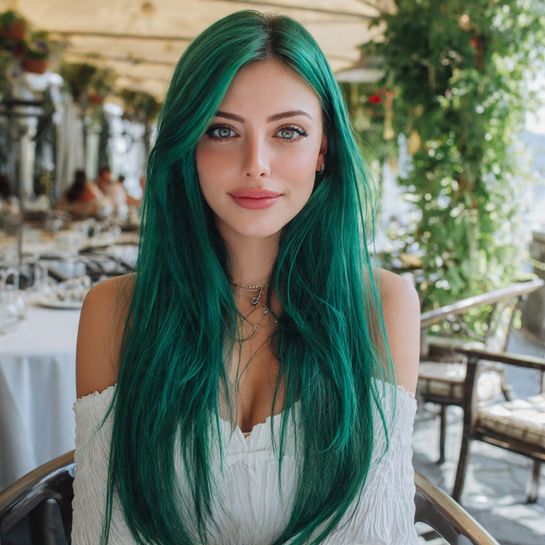
21. Piece-y Textured Bob
A bob with lots of texture and separation creates movement that prevents blunt lines.
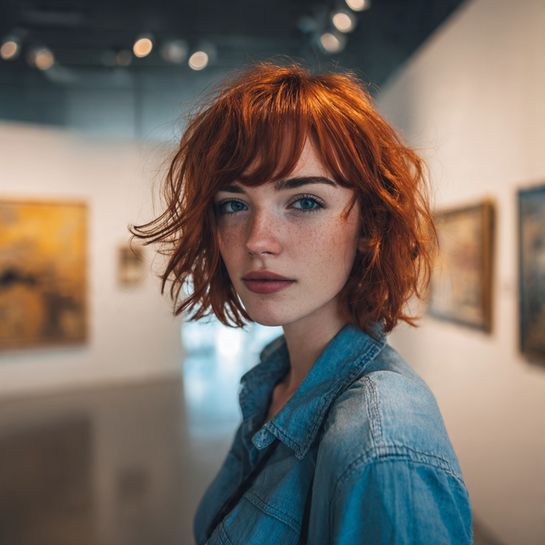
22. Long Hair with Highlights
Strategic highlights create dimension and vertical lines that elongate appearance.
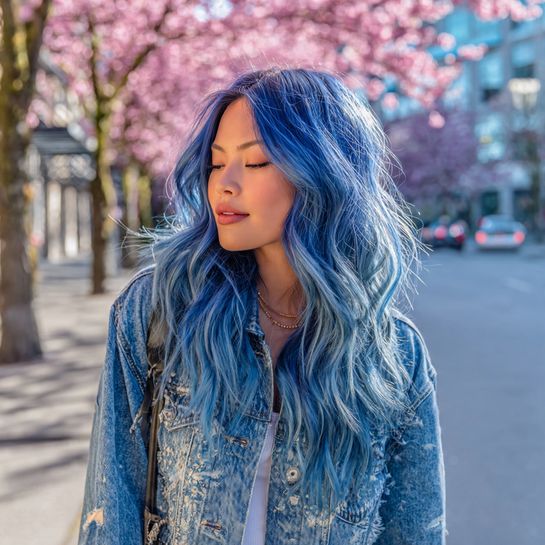
23. Swoopy Side Bangs
Long side-swept bangs that swoop across create diagonal movement across the face.
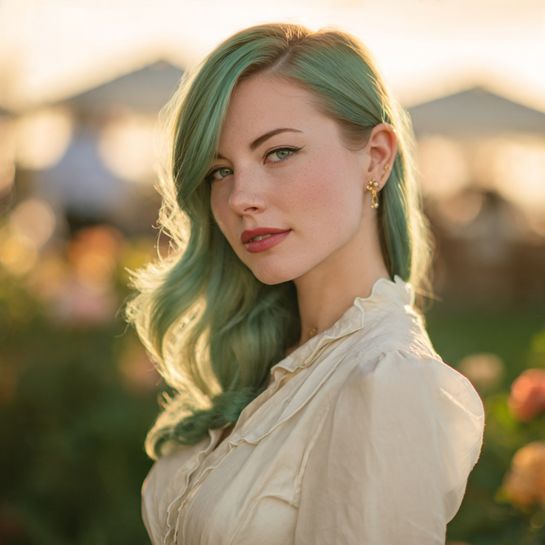
24. Tousled Lob with Movement
A tousled long bob with natural-looking waves creates effortless texture and movement.
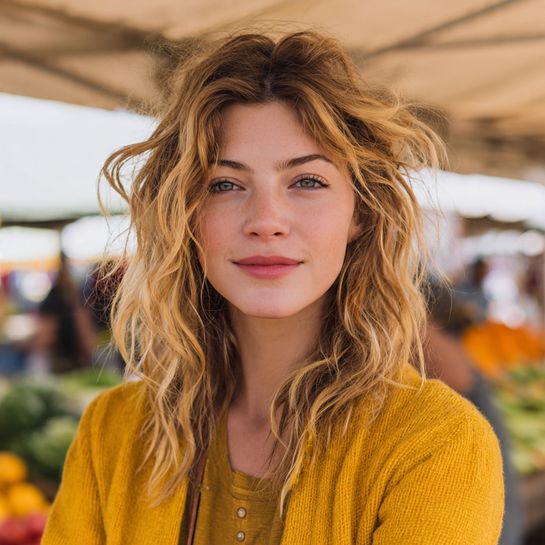
25. Long Layers with Face-Framing
Classic long layers with strategic face-framing pieces creates the most universally flattering look.
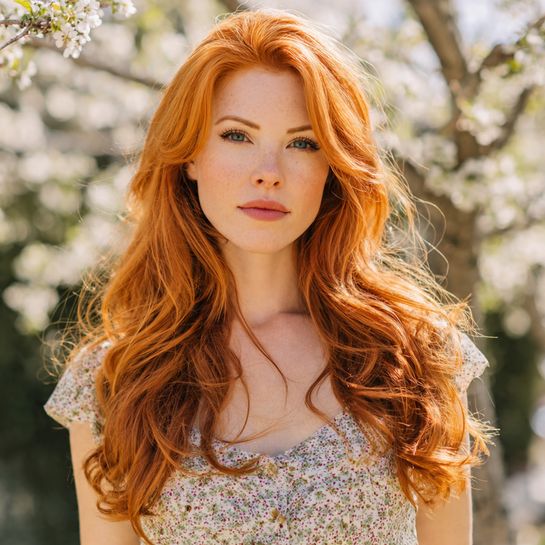
Understanding Face-Flattering Principles
The concept of “flattering” haircuts is really about creating visual balance and drawing attention to your favorite features. For round faces, certain elements work particularly well: vertical lines that create length, angles that add definition, volume at the crown that elongates, and asymmetry that creates visual interest.
However, it’s crucial to remember that these are guidelines, not rules. Plenty of people with round faces rock blunt bobs, full bangs, or other styles that “break the rules”—and look absolutely stunning doing it. Confidence and personal style trump any technical guideline.
The goal isn’t to make your face look “less round” but rather to create harmony between your features and your hair. When your haircut complements your face shape, the overall effect is balanced and beautiful.
Elements That Create Length
Several haircut elements create the illusion of length, which many people with round faces find flattering. Long hair naturally creates vertical lines. Layers that start below the chin avoid adding width at the widest part of the face. Center parts create symmetrical vertical emphasis.
Volume at the crown lifts hair upward, making the face appear longer in proportion. Side-swept styles create diagonal lines that the eye follows, again creating length. Angles in cuts—like A-line bobs or asymmetrical styles—provide visual interest that draws the eye vertically rather than horizontally.
Understanding these elements helps you communicate with your stylist about what you’re hoping to achieve, allowing them to customize a cut specifically for you.
Avoiding Common Pitfalls
While there are no absolute rules, some haircut elements can emphasize roundness rather than balance it. Very short crops that end at the cheek line can highlight facial width. Blunt, one-length cuts without any layering sometimes add visual weight. Heavy, straight-across bangs can shorten the face.
Hair that’s too short on the sides can make the face appear wider in comparison. Styles that add volume at the sides without balancing height at the crown can create a widening effect.
That said, skilled stylists can adapt these styles to work beautifully. If you love a particular trend, consult with your stylist about how to make it work for your face shape.
Working with Your Hair Texture
Your natural hair texture plays a huge role in which cuts work best. Curly hair naturally adds volume, so curly styles often benefit from length to prevent excessive width. Layering curly hair creates beautiful shape and prevents pyramid effects.
Straight hair can sometimes appear flat, so cuts that incorporate layers or texture add movement and dimension. Fine hair might need shorter lengths to maintain volume, while thick hair can handle length without looking weighed down.
Wavy hair offers beautiful versatility—it holds shape in shorter cuts while also creating romantic movement in longer styles. Work with your texture rather than fighting it for the most manageable, flattering results.
Styling Techniques That Enhance Your Cut
Even the most flattering haircut benefits from proper styling. For round faces, creating volume at the crown helps balance proportions. Use round brushes when blow-drying to lift roots, or try velcro rollers at the crown for easy volume.
Side parts often prove more flattering than center parts for some people, creating asymmetry that adds interest. However, center parts work beautifully too, especially with long hair or curtain bangs that frame the face.
Avoid styles that pull hair too tightly back from the face without any softening pieces. Leaving a few face-framing strands creates a softer, more flattering effect than severely pulled-back styles.
Communicating with Your Stylist
Bring inspiration photos to your consultation, but remember that hair texture, density, and natural growth patterns affect how cuts turn out. Discuss your daily routine—if you won’t style your hair daily, choose a cut that works with air-drying.
Be honest about your styling abilities and time commitments. A cut that requires 30 minutes of daily styling might not be realistic for your lifestyle. The best haircut is one you can manage and maintain.
Ask your stylist to explain how to style your new cut at home. Request product recommendations and styling tips. Most stylists are happy to teach you techniques that help you recreate the salon look.
Seasonal Maintenance
Spring haircuts should feel fresh and manageable as weather warms. Consider how humidity affects your hair—if you live in humid climates, fighting your natural texture becomes harder in spring and summer.
Plan for regular trims every 6-8 weeks to maintain your shape. Some cuts require more frequent maintenance than others. Discuss realistic maintenance schedules with your stylist during your consultation.
As seasons change, you might want to adjust your cut slightly. Many people go shorter for summer heat, then grow it out through fall and winter. Your haircut can evolve with you throughout the year.
Embracing Your Beautiful Face
The most important thing to remember is that round faces are beautiful. The goal of flattering haircuts isn’t to disguise or minimize—it’s to enhance and celebrate. Your face shape is part of what makes you uniquely you.
Choose haircuts that make you feel confident, comfortable, and authentically yourself. If a style makes you smile every time you pass a mirror, it’s the right choice regardless of what any guideline suggests.