The way we work has fundamentally transformed, and our professional wardrobes are finally catching up. Spring 2026 marks a pivotal moment where office attire embraces both polish and personality, where professionalism no longer means conformity, and where you can look put-together without sacrificing comfort or individual style. Gone are the days of rigid dress codes and uncomfortable corporate uniforms—today’s workplace celebrates authenticity, creativity, and the understanding that people perform best when they feel genuinely comfortable in what they’re wearing.
Modern office culture recognizes that professionalism isn’t about matching a specific aesthetic; it’s about competence, confidence, and respect. Whether you’re presenting to clients, leading team meetings, or collaborating on projects, your clothing should support your work rather than distract from it. Spring’s workwear trends strike this perfect balance—pieces that look intentional and polished while incorporating comfort features, breathable fabrics, and styling flexibility that adapts to your actual workday.
What makes spring 2026 particularly exciting is the beautiful fusion of traditional tailoring with contemporary ease. We’re seeing structured blazers paired with comfortable trousers, classic silhouettes in modern fabrics, and professional palettes accented with unexpected details. The result is workwear that respects professional contexts while honoring the reality that you might attend morning meetings, work from home midday, grab lunch with colleagues, and finish with evening networking—all requiring versatile clothing that transitions seamlessly.
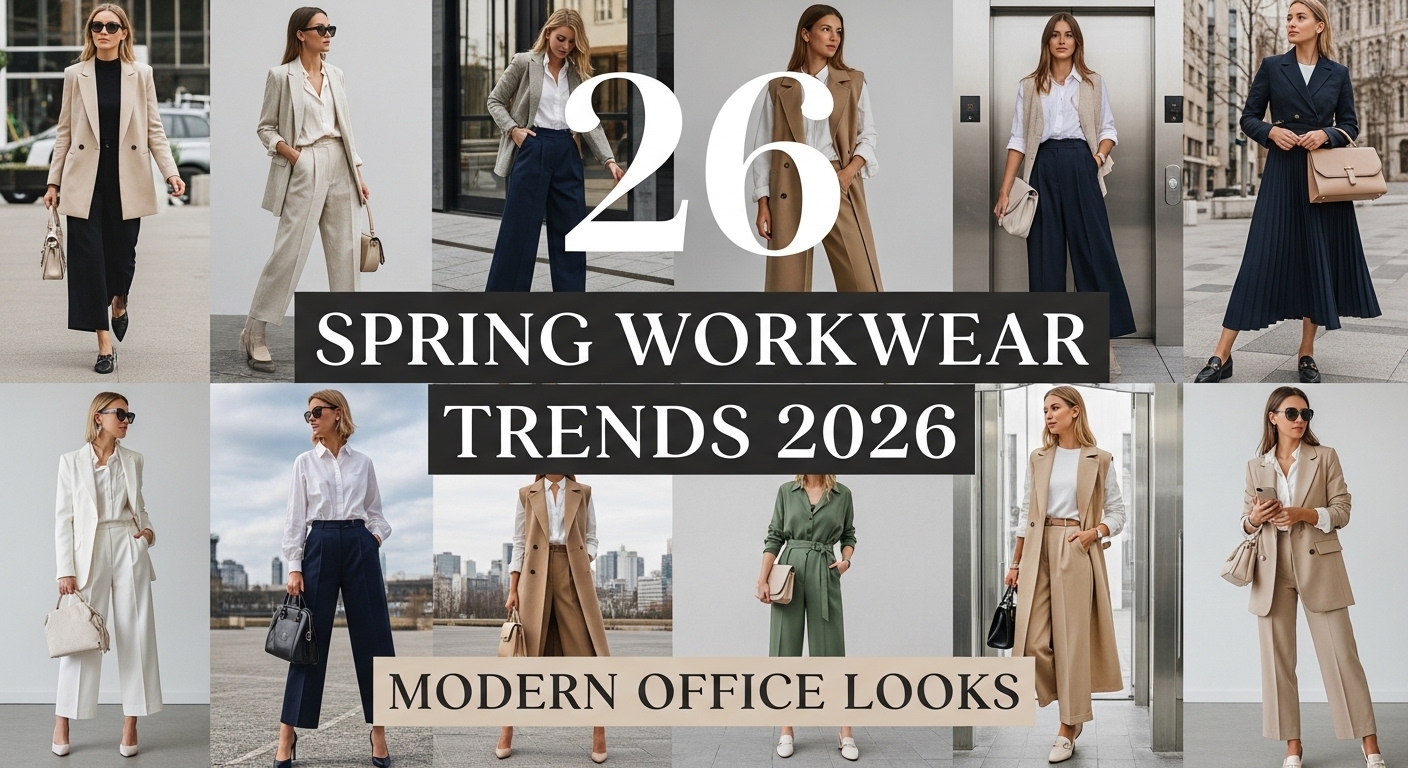
This comprehensive guide explores 26 modern office looks that capture spring’s fresh energy while maintaining workplace appropriateness. We’re covering everything from polished power suits to smart-casual combinations, from dress-and-jacket pairings to elevated separates. Whether your workplace leans formal, business casual, or creative-professional, these outfit ideas will help you navigate spring’s professional demands with confidence, comfort, and undeniable style.
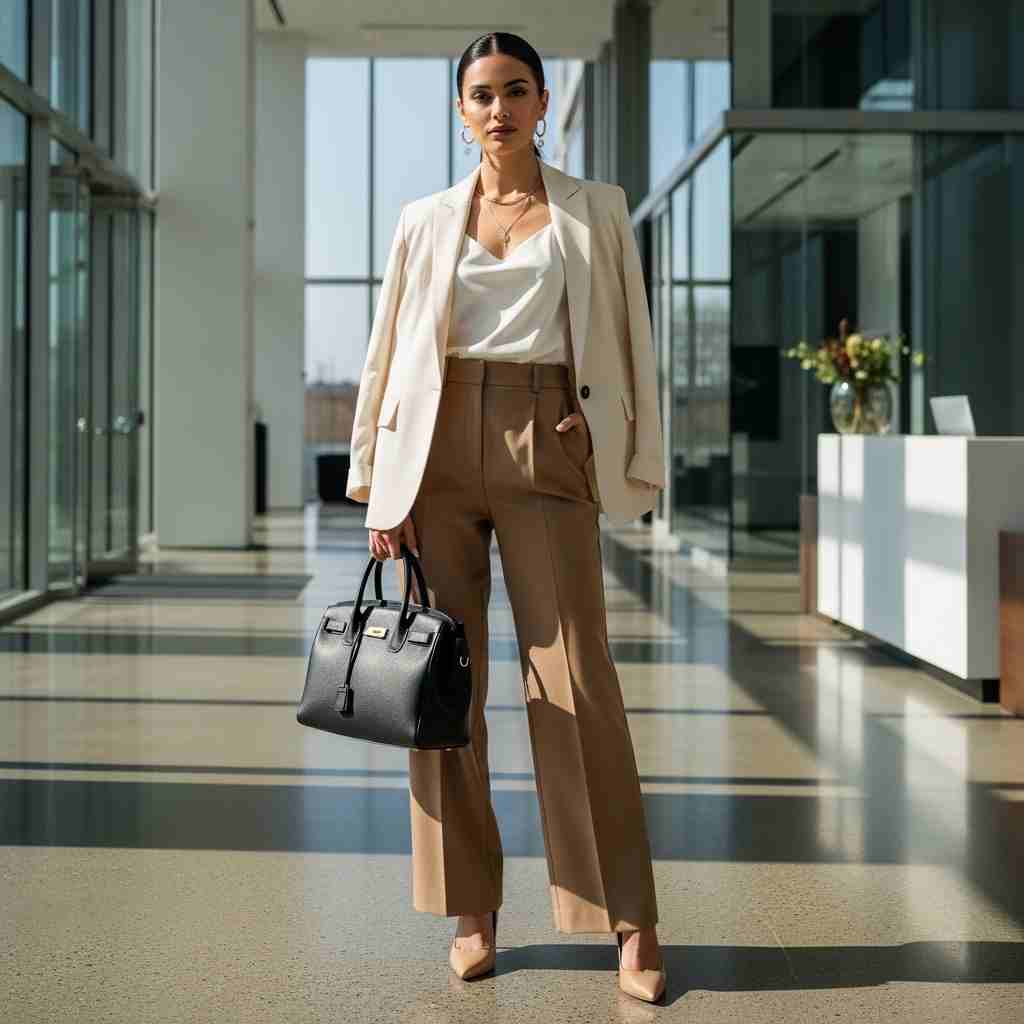
1. The Power Blazer and Wide-Leg Trousers
An oversized blazer in a soft spring color paired with high-waisted wide-leg trousers creates modern authority with elegant movement.
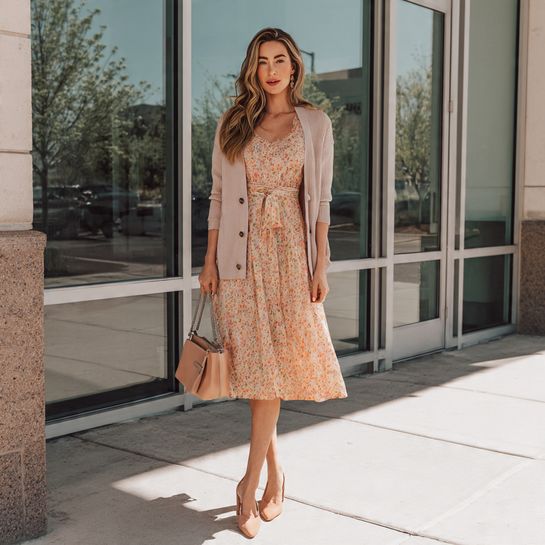
2. Midi Dress and Cardigan Layer
A structured midi dress in a spring print layered with a coordinating cardigan offers feminine polish with coverage.
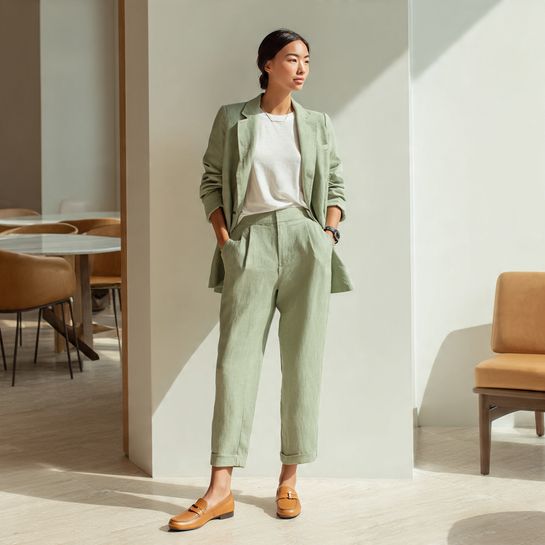
3. Matching Linen Set
A coordinated linen blazer and trouser set in pastel creates sophisticated monochrome with breathable comfort.
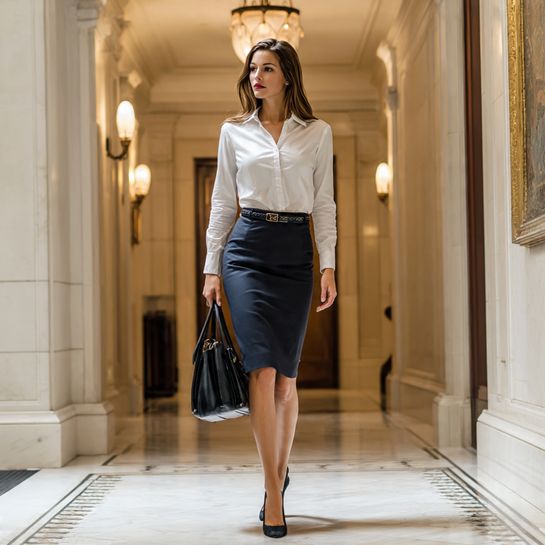
4. Pencil Skirt and Blouse Classic
A knee-length pencil skirt with a tucked silk blouse delivers timeless elegance that never goes out of style.
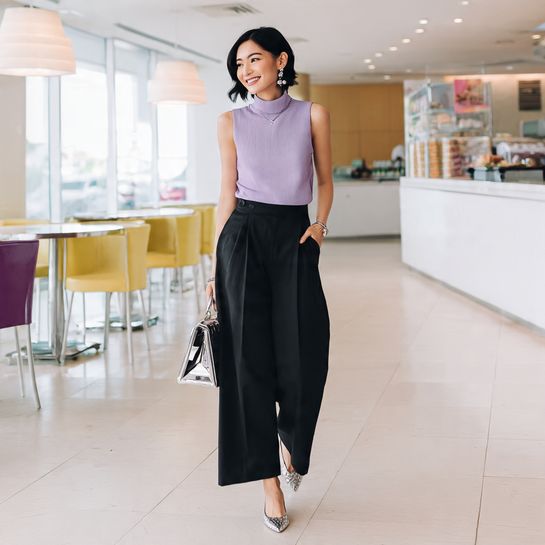
5. Culottes and Fitted Top
Wide-leg culottes paired with a fitted mock-neck top creates architectural interest with comfortable ease.
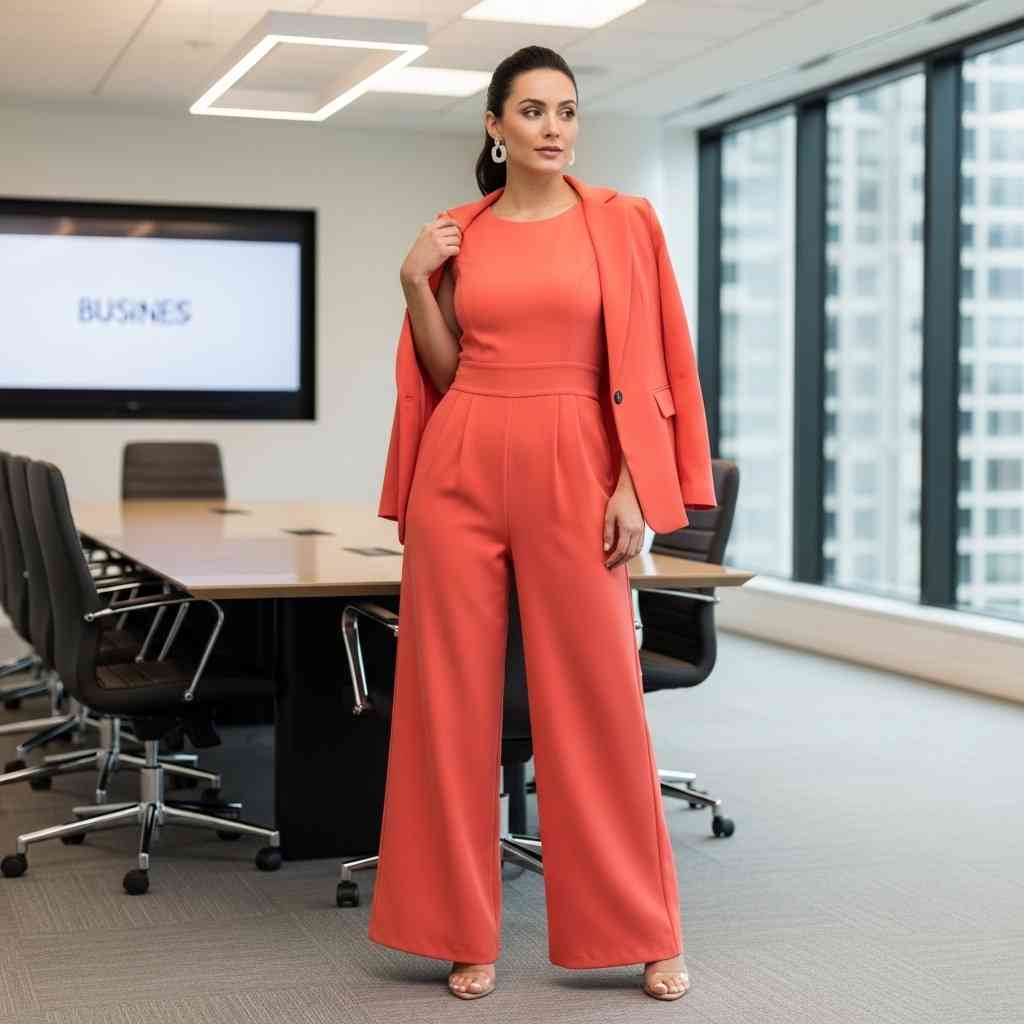
6. Tailored Jumpsuit
A well-fitted jumpsuit in solid spring color offers one-piece ease with put-together polish.
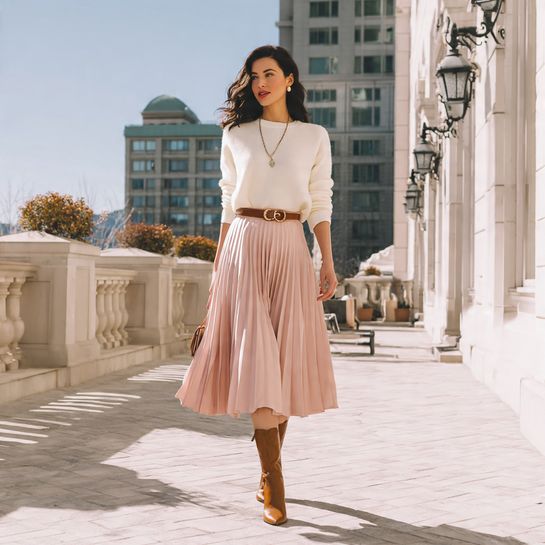
7. Pleated Midi and Sweater
A pleated midi skirt with a tucked lightweight sweater balances feminine and professional beautifully.
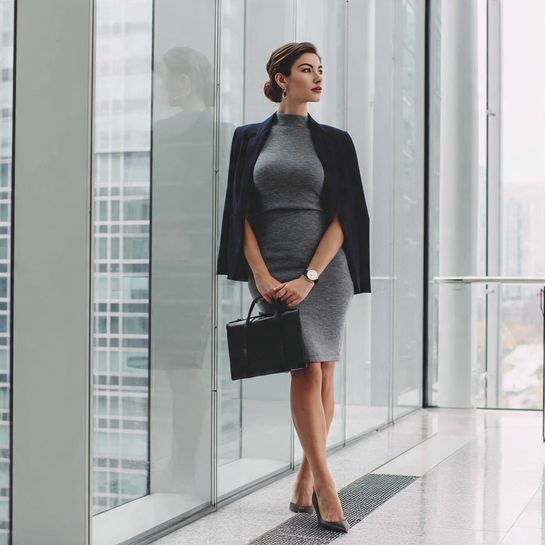
8. Blazer Over Knit Dress
A knit midi dress gains professional polish when layered under a structured blazer.
9. Trousers and Oversized Shirt
High-waisted trousers with an oversized button-down creates relaxed yet intentional professional style.

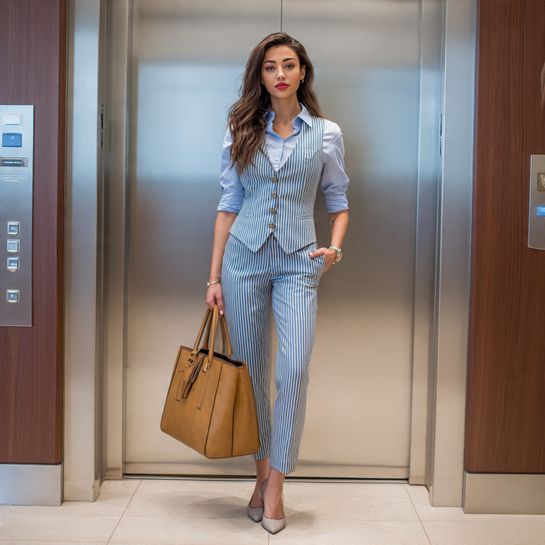
10. The Vest Layer Look
A tailored vest over a crisp shirt with trousers creates modern three-piece appeal without a jacket.
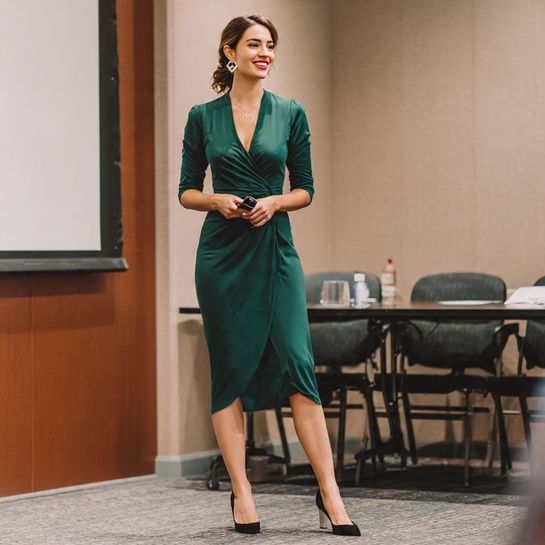
11. Wrap Dress Professional
A solid-color wrap dress in a structured fabric offers flattering ease with professional appearance.
12. Knit Polo and Trousers
A fine-knit polo shirt paired with tailored trousers creates smart-casual professional balance.
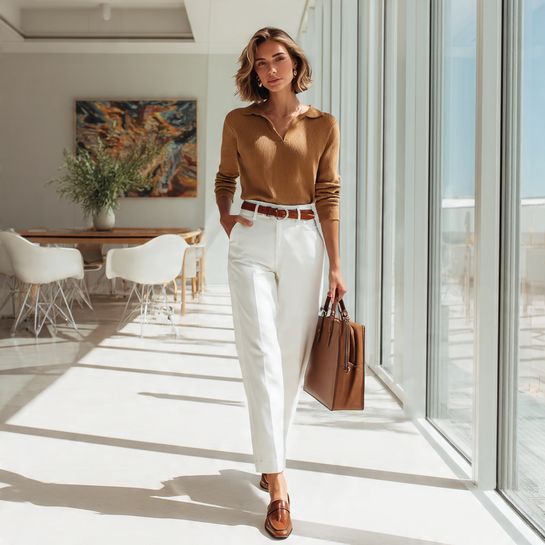
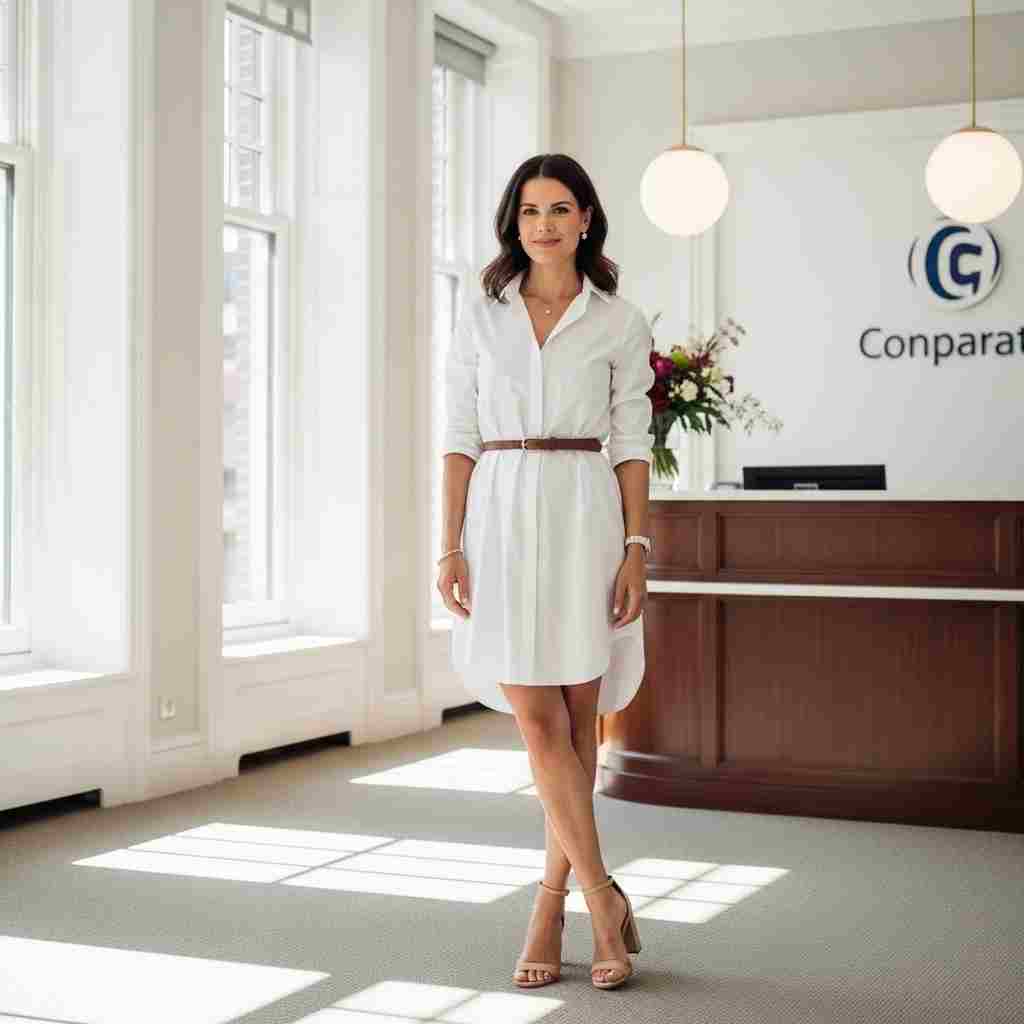
13. Shirt Dress with Belt
A button-front shirt dress cinched with a statement belt offers effortless polish with minimal pieces.
14. Blazer and Jeans Elevated
A structured blazer dresses up dark denim with polished shoes and accessories for smart-casual offices.

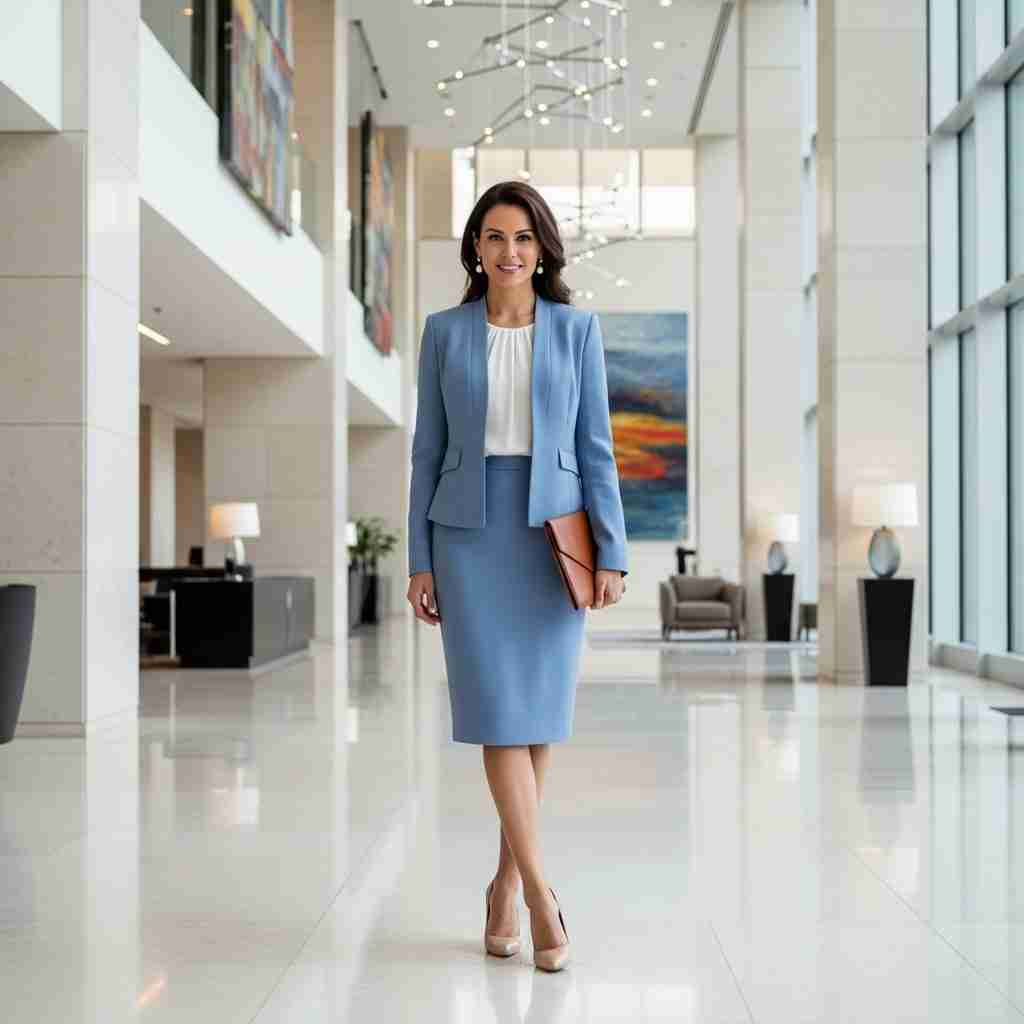
15. Matching Skirt and Blazer
A coordinated skirt suit in a spring-appropriate fabric and color creates powerful professional presence.
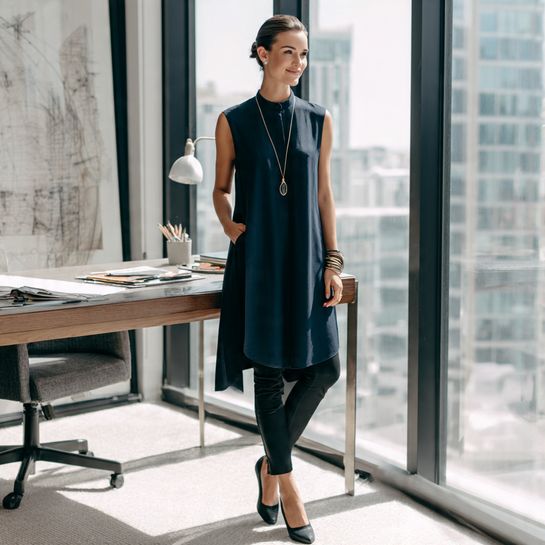
16. Tunic and Slim Pants
A longline tunic over slim ankle pants offers coverage and comfort with professional appearance.
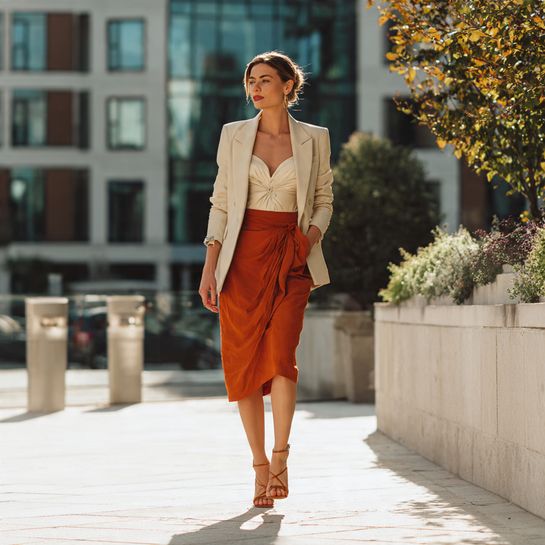
17. Cropped Blazer and Midi Skirt
A cropped blazer showing just a hint of waist paired with a flowing midi skirt creates feminine professional balance.
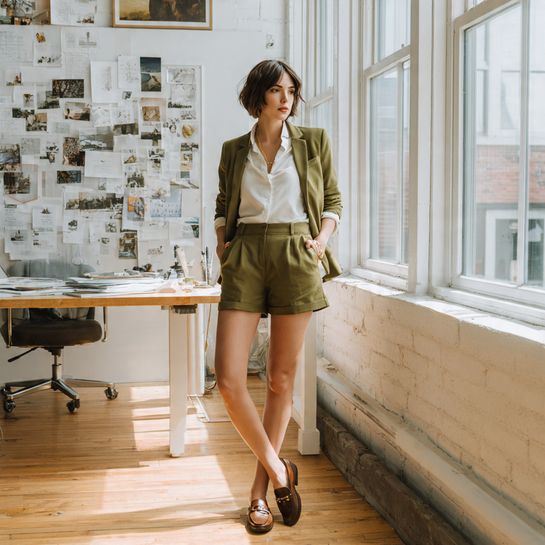
18. Tailored Shorts and Blazer
Bermuda-length tailored shorts gain professional credibility when paired with a polished blazer and closed-toe shoes.
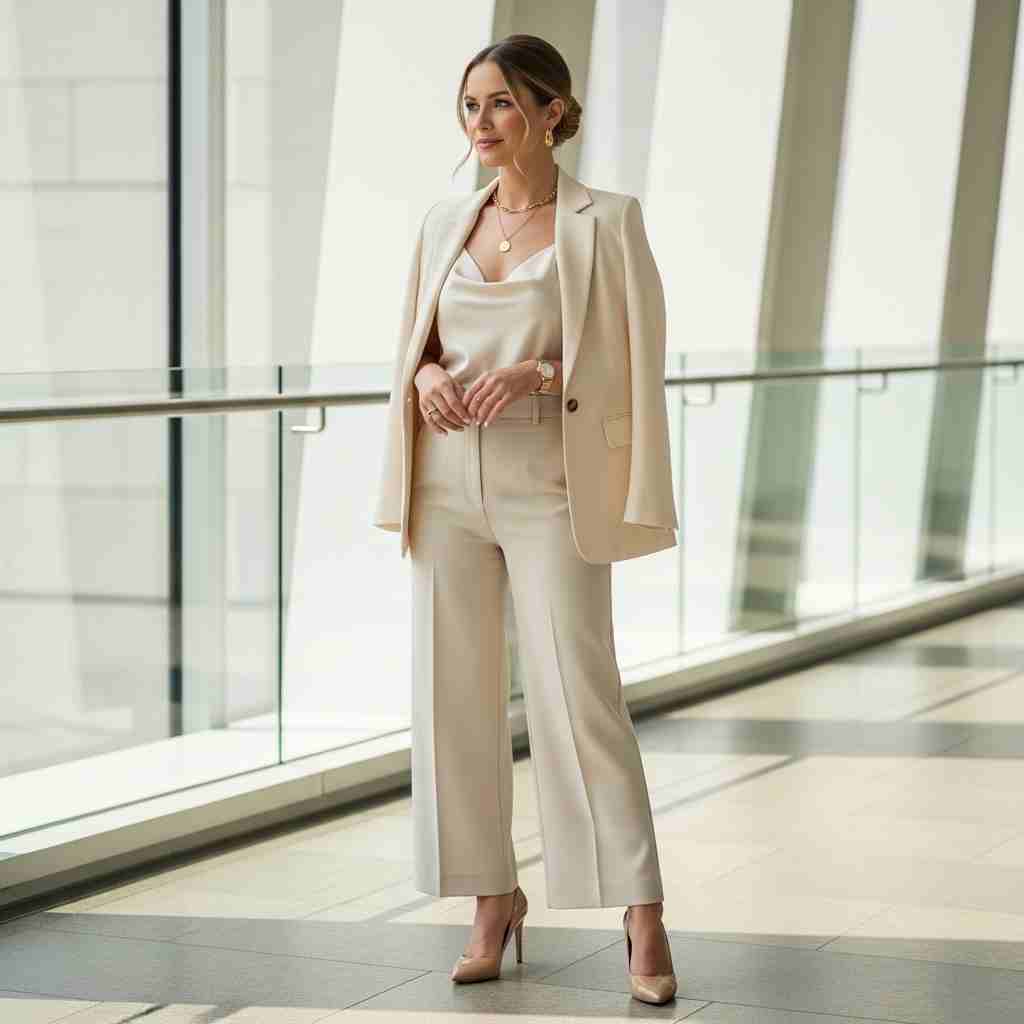
19. Monochrome Power
Head-to-toe monochrome in a sophisticated spring color creates streamlined powerful presence.
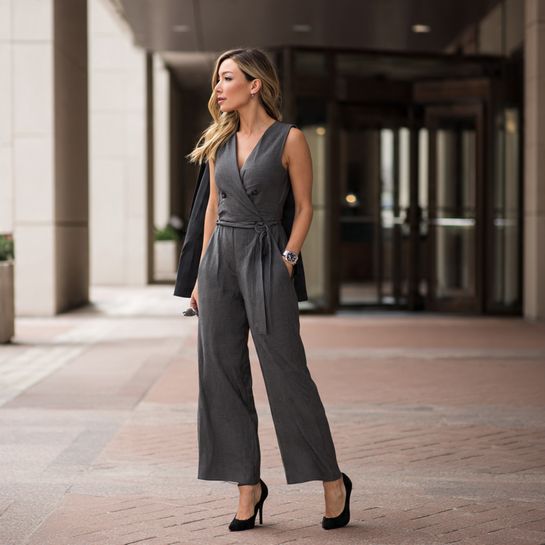
20. Wide-Leg Jumpsuit
A professional jumpsuit with wide legs and structured shoulders offers contemporary alternative to suits.
21. Cardigan Blazer Hybrid
A structured cardigan that bridges blazer and sweater offers comfort with professional appearance.

22. A-Line Skirt and Fitted Sweater
A knee-length A-line skirt with a fitted sweater creates feminine professional silhouette.

23. Palazzo Pants and Structured Top
Flowing palazzo pants gain professional structure when paired with a fitted, tailored top.

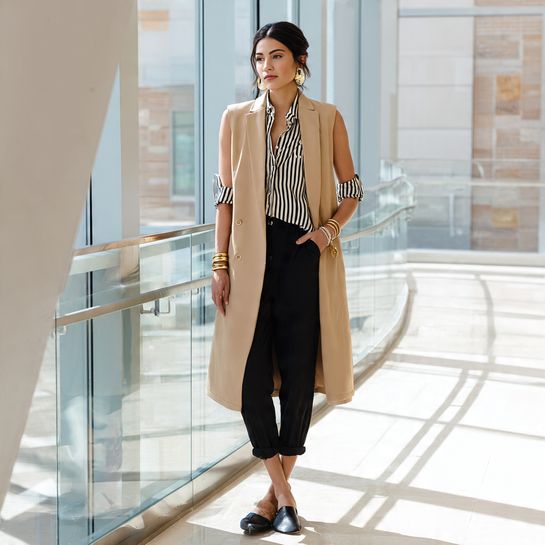
24. Sleeveless Blazer Look
A sleeveless blazer vest over a blouse with trousers creates modern layered professionalism.
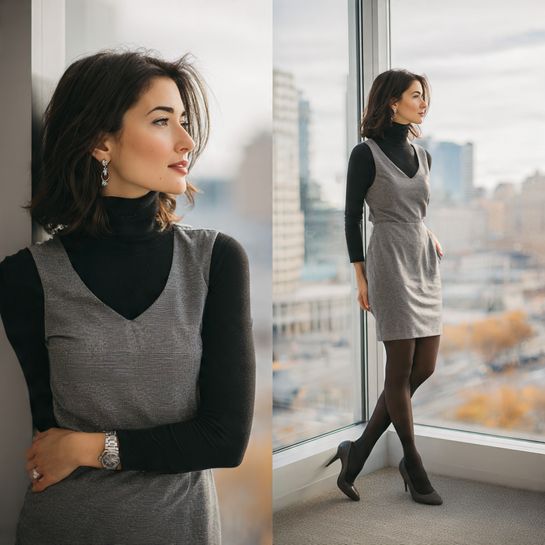
25. Dress and Turtleneck Layer
A sleeveless sheath dress layered over a fitted turtleneck creates sophisticated coverage and interest.
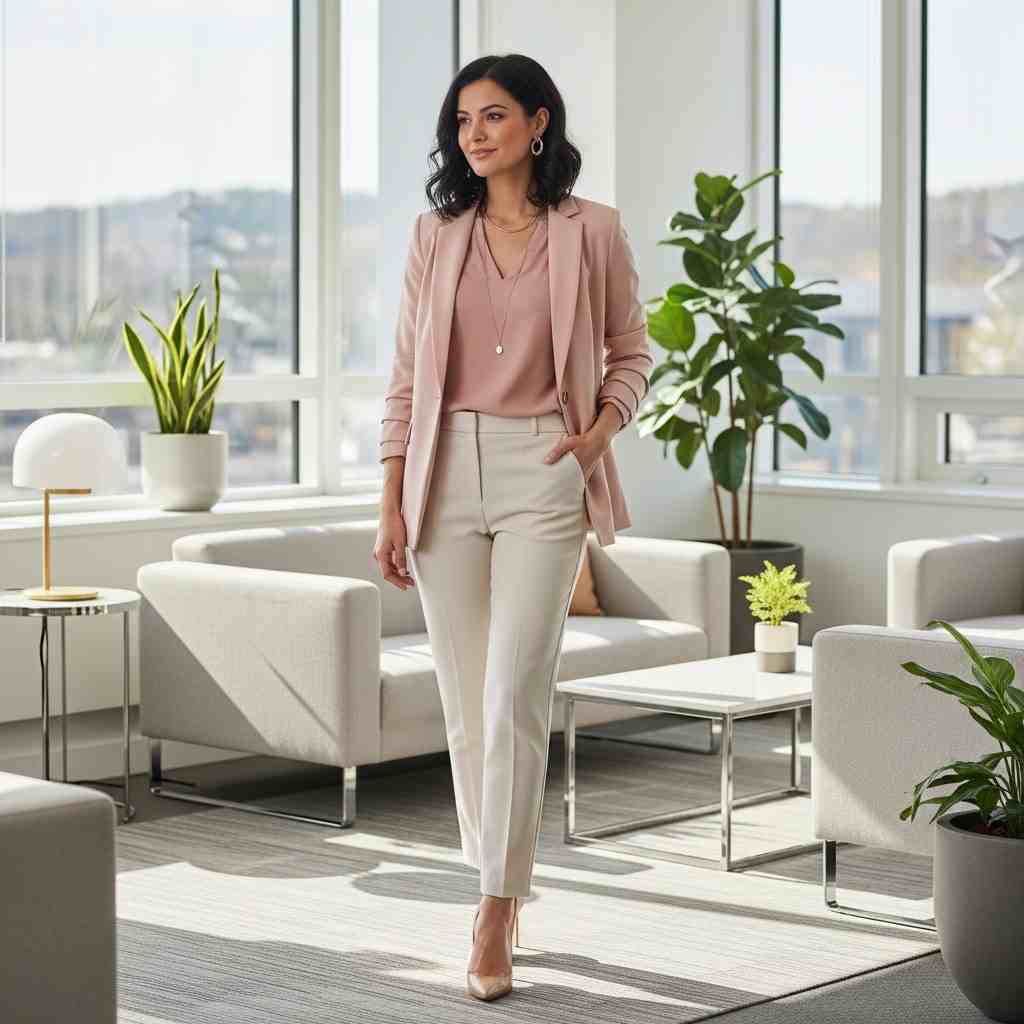
26. Coordinated Separates Mix
Mixing coordinated but not matching separates in complementary spring tones creates sophisticated visual interest.
Understanding Modern Dress Codes
Workplace dress codes have evolved significantly, with many companies moving from “business formal” to “business casual” or even “smart casual.” Understanding your specific workplace culture is essential—what’s appropriate varies dramatically between law firms and tech startups, between client-facing roles and behind-the-scenes positions.
“Business professional” typically means suits, dresses with blazers, conservative colors, and polished shoes. “Business casual” allows more flexibility—blazers become optional, denim might be acceptable, and creative touches gain approval. “Smart casual” is the loosest professional category, where elevated basics and thoughtful styling matter more than specific garments.
When in doubt, observe what respected colleagues and leadership wear. Match or slightly exceed that formality level, especially when you’re new or meeting with external stakeholders.
Investing in Quality Basics
Building a professional wardrobe requires investment in quality foundational pieces. A well-fitted blazer in a neutral color works with dozens of outfits. Quality trousers that fit properly and don’t wrinkle easily earn their cost per wear. A few classic dresses in flattering cuts become reliable go-to options.
Quality doesn’t always mean expensive—it means well-constructed garments in appropriate fabrics that maintain their appearance through regular wear. Natural fibers like wool, cotton, and silk typically wear better than synthetics, though modern blends can offer excellent performance.
Start with versatile neutral pieces—black, navy, gray, cream, camel—then add seasonal colors and patterns. This approach maximizes outfit combinations while minimizing closet chaos.
Comfort Meets Professionalism
Gone are the days of suffering for style. Modern professional clothing prioritizes comfort without sacrificing polish. Stretch fabrics in professional styles offer movement ease. Lower, wider heels provide stability without height sacrifice. Breathable natural fabrics regulate temperature better than synthetics.
Pay attention to fit—clothing that’s too tight restricts movement and causes discomfort, while overly loose garments look sloppy. Proper fit means you can sit, reach, and move freely while maintaining a polished appearance.
Consider your actual workday activities. If you’re on your feet frequently, prioritize comfortable shoes. If you’re in and out of meetings, choose clothing that doesn’t wrinkle easily. If temperature varies throughout your building, embrace layering.
Seasonal Fabric Choices
Spring’s transitional temperatures require thoughtful fabric selection. Lightweight wool works beautifully—warm enough for air-conditioned offices, breathable enough for warmer days. Cotton and linen offer excellent breathability, though linen wrinkles easily.
Ponte knit and structured jersey provide comfort and stretch while maintaining professional appearance. Silk and silk blends offer luxury and breathability but require more care. Technical fabrics designed for workwear often provide wrinkle-resistance and moisture-wicking properties.
Avoid heavy winter wools that will be too warm, and skip delicate summer fabrics that won’t provide enough structure or coverage for professional settings.
Color Psychology in Professional Settings
Color choices affect how others perceive you and how you feel. Navy and gray project authority and competence. Black suggests sophistication and power. Earth tones—camel, olive, burgundy—feel approachable yet professional.
Spring allows brighter accent colors—soft pastels, jewel tones, and even bold brights when used strategically. Colorful blazers over neutral basics add personality without overwhelming. Printed dresses in professional patterns showcase style within appropriate boundaries.
Consider your industry and role. Creative fields often embrace more color freedom, while conservative industries prefer restrained palettes. Client-facing roles might require more traditional choices than internal positions.
Accessorizing Professionally
Accessories complete professional looks and provide opportunities for personal expression. Quality leather bags in professional styles carry laptops and essentials while looking polished. Watches suggest punctuality and professionalism. Minimal jewelry maintains elegance without distraction.
Shoes make significant impact—polished, well-maintained footwear suggests attention to detail. Closed-toe styles remain most universally professional, though open-toe options work in many modern offices.
Belts define waists and add polish to tucked looks. Scarves add color and interest while remaining professional. Keep accessories relatively simple and coordinated for most office environments.
Navigating Virtual and Hybrid Work
Hybrid work schedules require clothing that works both on-camera and in-person. Solid colors and simple patterns photograph better than busy prints. Avoid all-white or very dark colors that can wash out or create harsh contrast on camera.
The “professional on top, comfortable below” approach works for video meetings but requires full outfits for days with in-person components. Many hybrid workers keep blazers and professional shoes at their desks, arriving in comfortable clothes and “dressing up” as needed.
Plan outfits considering your full day—if you’ll be on camera morning, in-office afternoon, and attending evening events, choose versatile pieces that work throughout.
Building a Capsule Work Wardrobe
A capsule approach simplifies professional dressing while ensuring numerous outfit combinations. Start with 3-5 bottoms in neutral colors and professional cuts. Add 5-7 tops in coordinating colors—mix of blouses, shells, and sweaters. Include 2-3 blazers or cardigans for layering. Add 2-3 dresses for variety.
This 15-20 piece foundation creates dozens of outfits when mixed strategically. Refresh seasonally with new colors or on-trend pieces, but maintain the neutral foundation that provides versatility.
Quality over quantity ensures you’re always well-dressed rather than overwhelmed by choices you never wear.
Embracing Professional Confidence
The most important element of professional style is confidence. When you feel comfortable, polished, and authentic in your clothing, that confidence radiates in how you carry yourself, communicate, and engage with colleagues.