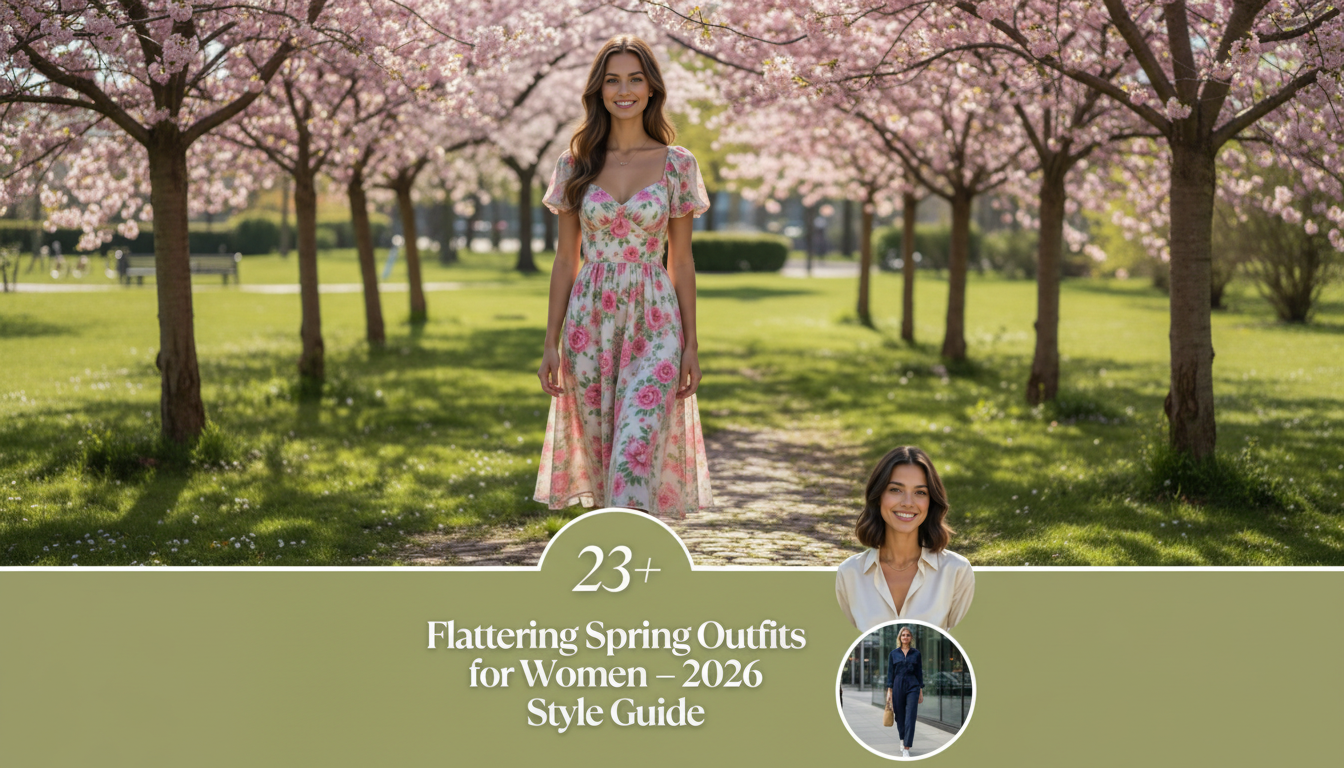
Flattering. It’s one of fashion’s most loaded words—a term that has historically been weaponized to suggest that certain bodies need concealment, that specific features require minimizing, and that women should dress primarily to meet external standards of what looks “acceptable.” But spring 2026 arrives with a completely reimagined understanding of what flattering truly means, and it’s genuinely liberating.
The new definition of flattering is radically simple: an outfit that makes you feel confident, comfortable, and completely like yourself. An outfit that celebrates your body as it actually exists right now—not as it was five years ago, not as it might be after some future transformation, but exactly as it is today. Flattering in 2026 means choosing clothes that work with your body rather than against it, that move beautifully with your natural proportions, and that make you want to stand a little taller and smile a little wider every time you see your reflection.
Spring is the perfect season for this redefinition. Nature’s renewal energy supports personal celebration beautifully—the season that coaxes buried bulbs into magnificent bloom, that transforms bare branches into spectacular flowering displays, that turns brown earth into vibrant green. Spring understands that beauty comes in infinite forms and celebrates every single one. Your spring wardrobe can honor that same generous, expansive understanding of beauty.
This comprehensive guide presents 23 outfit ideas that prioritize how you feel while also delivering genuine visual polish. We’re celebrating all body types, all proportions, and all the wonderful diversity of women’s bodies. Each outfit has been chosen for how it creates beautiful silhouettes through thoughtful design rather than restrictive construction—clothes that enhance without constricting, that flatter without hiding, and that celebrate rather than apologize for the magnificent variety of human bodies wearing them.
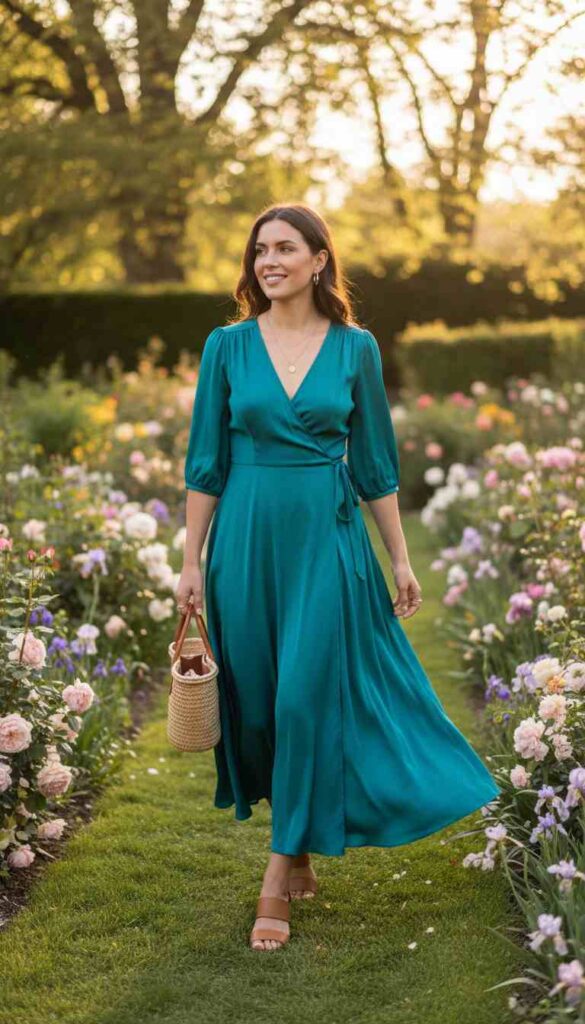
1. The Wrap Dress Wonder
The wrap dress earns its legendary status through genuine universal flattery—adjustable waist creates customizable fit for every body.
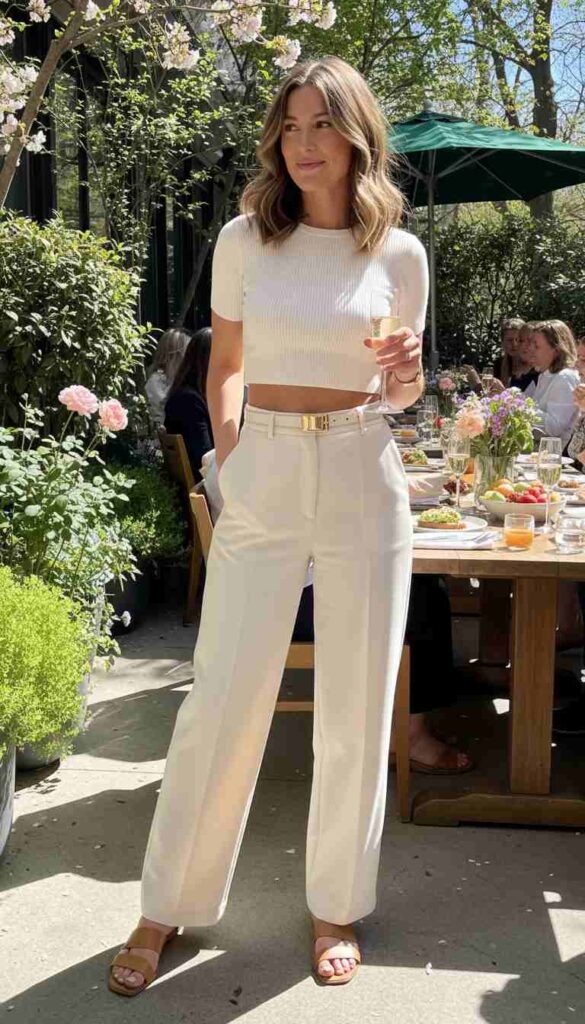
2. High-Waisted Wide-Leg Revolution
High-waisted wide-leg trousers elongate legs, define waist, and create elegant silhouette regardless of height or size.
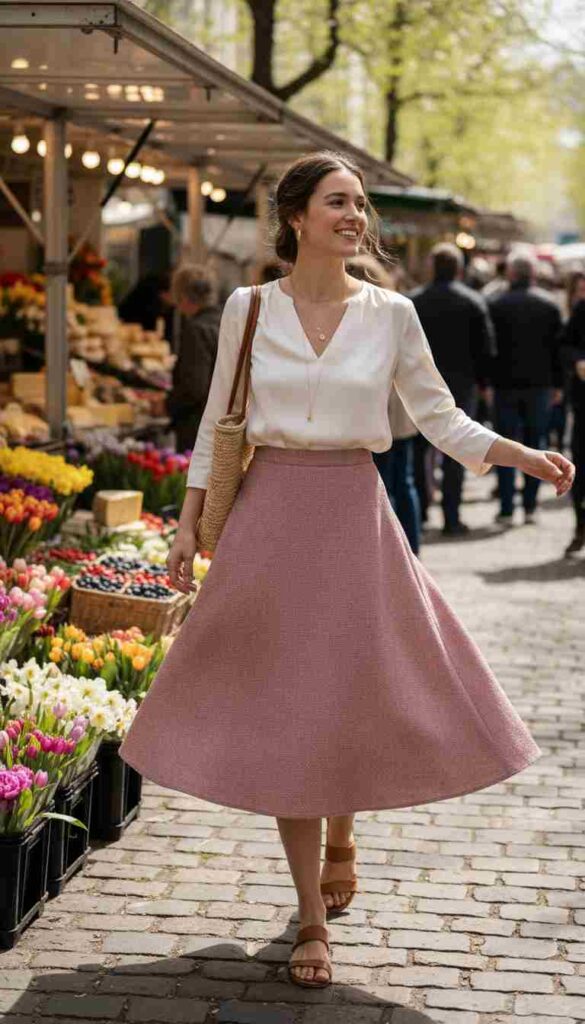
3. Flowy Midi Magic
A-line midi skirt creates graceful movement that celebrates curves and works beautifully at every size.
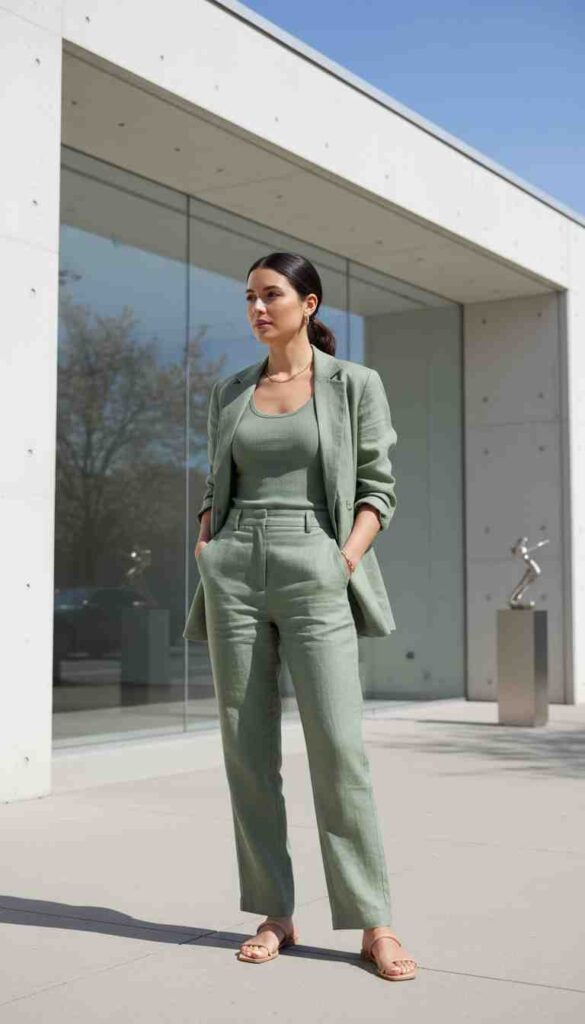
4. The Monochrome Elongator
Head-to-toe single color creates uninterrupted vertical line that’s genuinely lengthening and sophisticated.
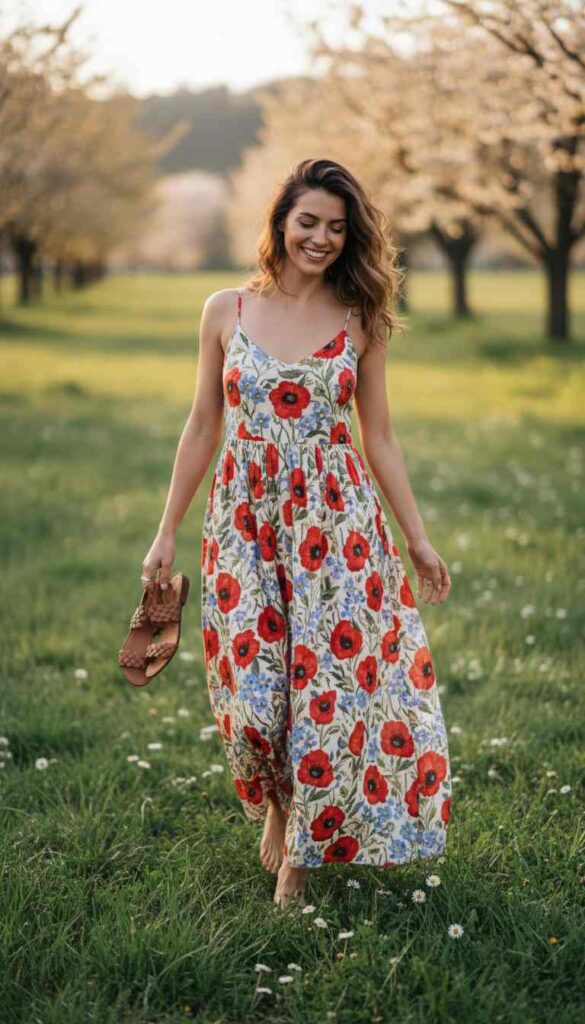
5. Empire Waist Dress
Seaming just below the bust creates the highest possible waist definition, creating beautiful proportion for all figures.
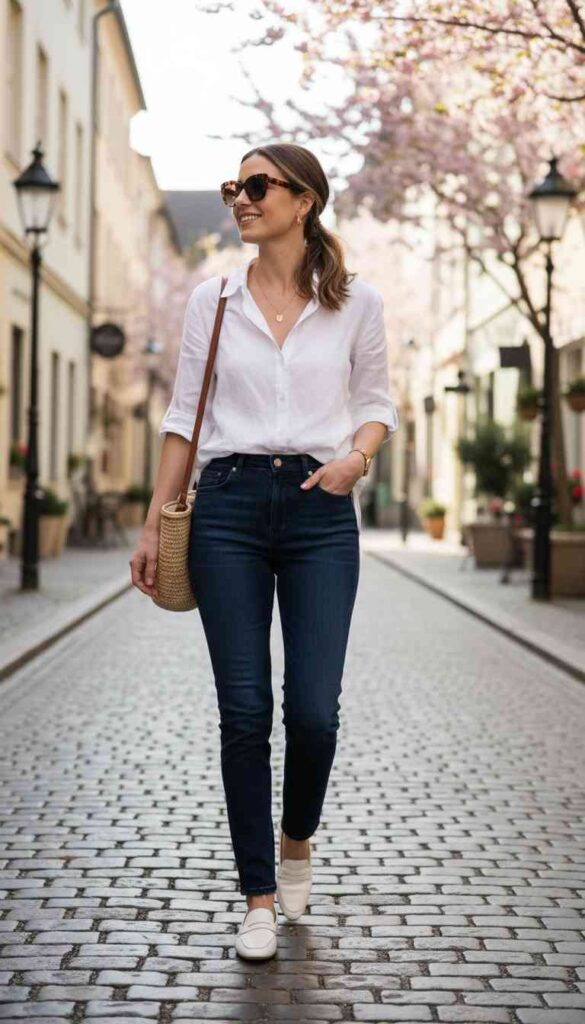
6. Straight-Leg Jean Magic
Well-fitted straight-leg jeans create clean, modern line that flatters every body type through consistent width.
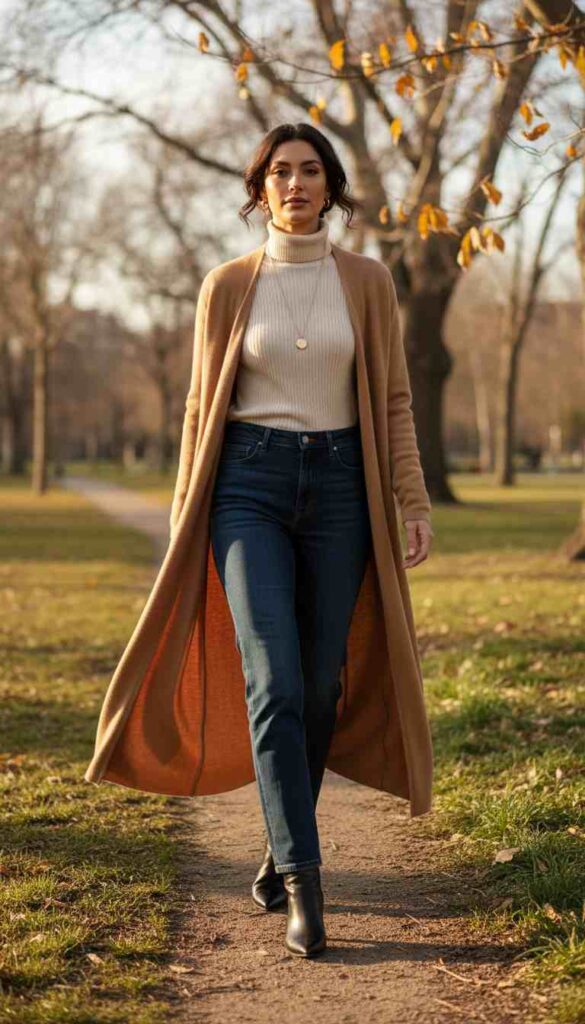
7. Cardigan Layer Confidence
A long open cardigan creates continuous vertical line that elegantly elongates while adding comfortable coverage.
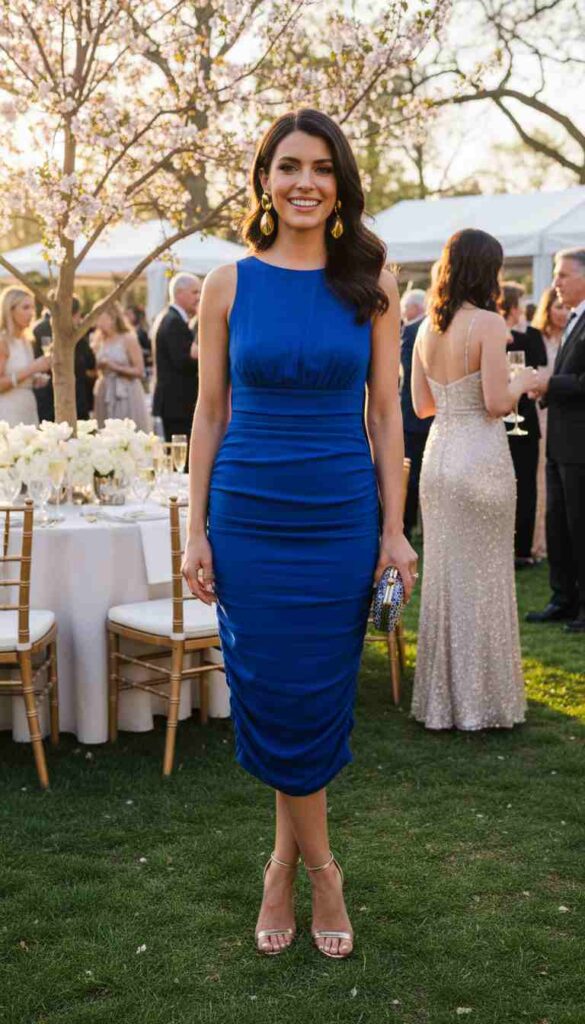
8. Ruched Side Dress
Side ruching gathers fabric attractively, creating flattering draping that works beautifully across sizes.
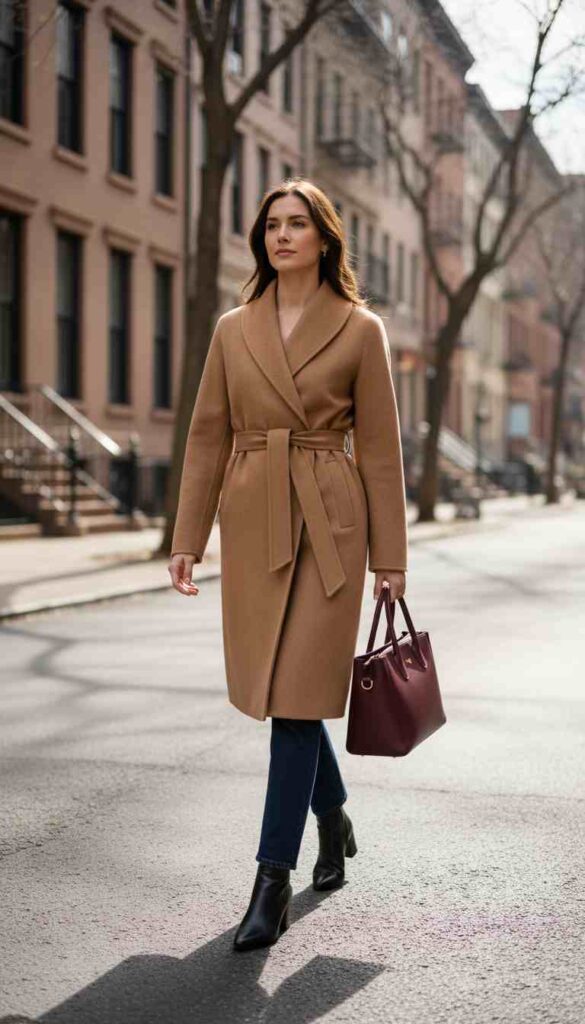
9. Belted Coat Silhouette
A well-cut coat belted at the natural waist creates beautiful hourglass silhouette in any size.
10. Tiered Skirt Joy
Tiered midi skirts add volume in the most flattering location—below the waist—while creating beautiful visual movement.

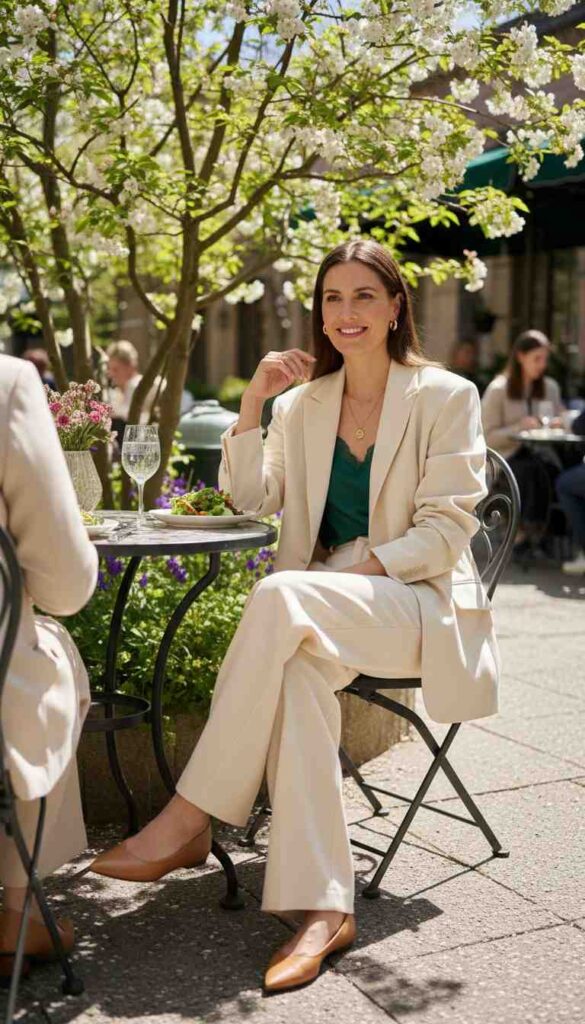
11. Trouser Suit Power
A well-cut trouser suit creates powerful, elongating silhouette that celebrates every body with equal authority.
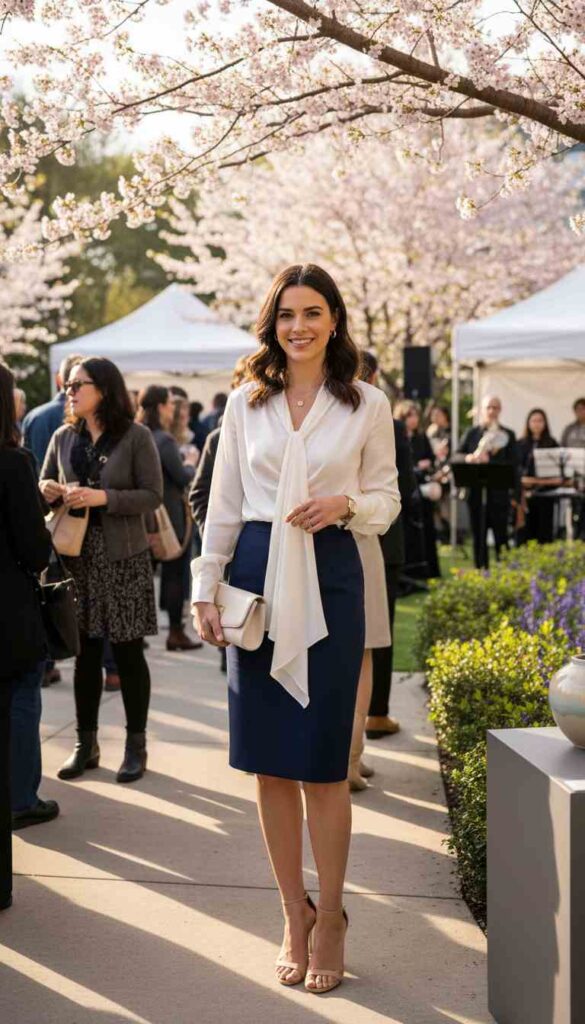
12. Draped Blouse and Straight Skirt
A gently draped blouse paired with a straight skirt creates elegant silhouette through fabric movement.
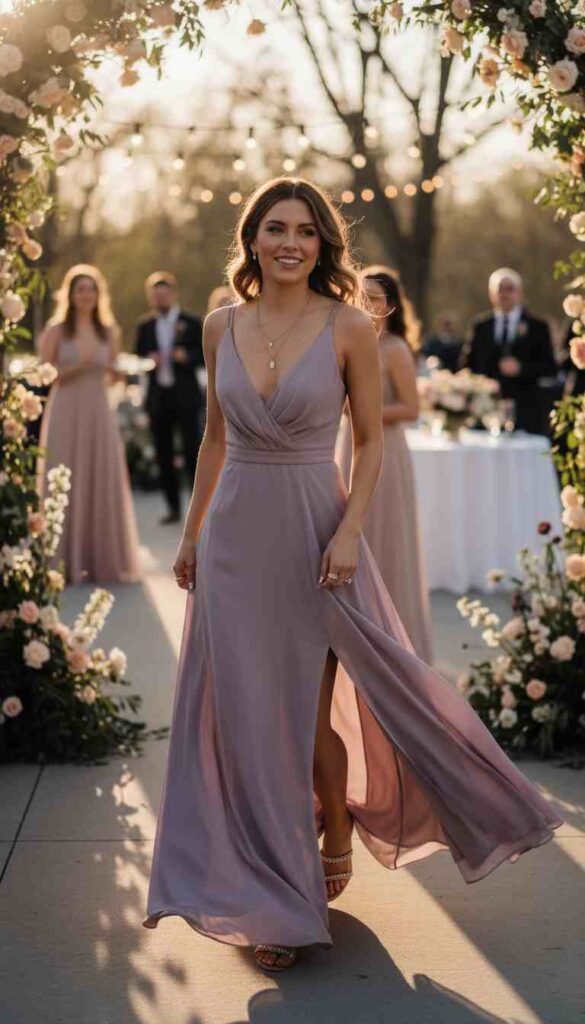
13. Maxi Dress with Slit
A floor-length dress with strategic side slit adds visual interest and elegant movement without revealing more than desired.
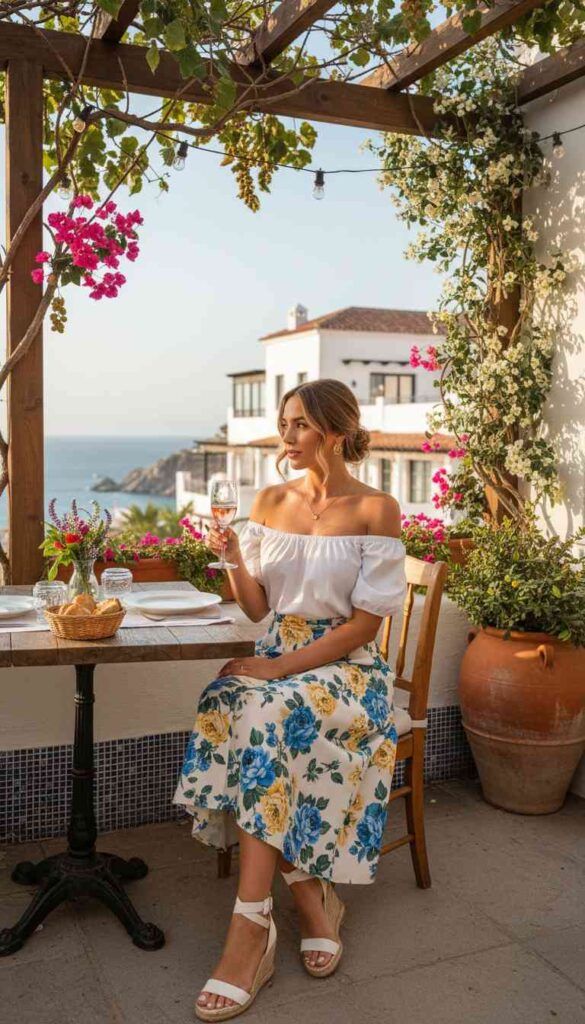
14. Off-Shoulder Moment
An off-shoulder top creates beautiful focus on décolletage and shoulders while being genuinely comfortable.
15. V-Neck Vertical Line
A deep V-neckline creates continuous vertical line from face downward, naturally lengthening and opening.
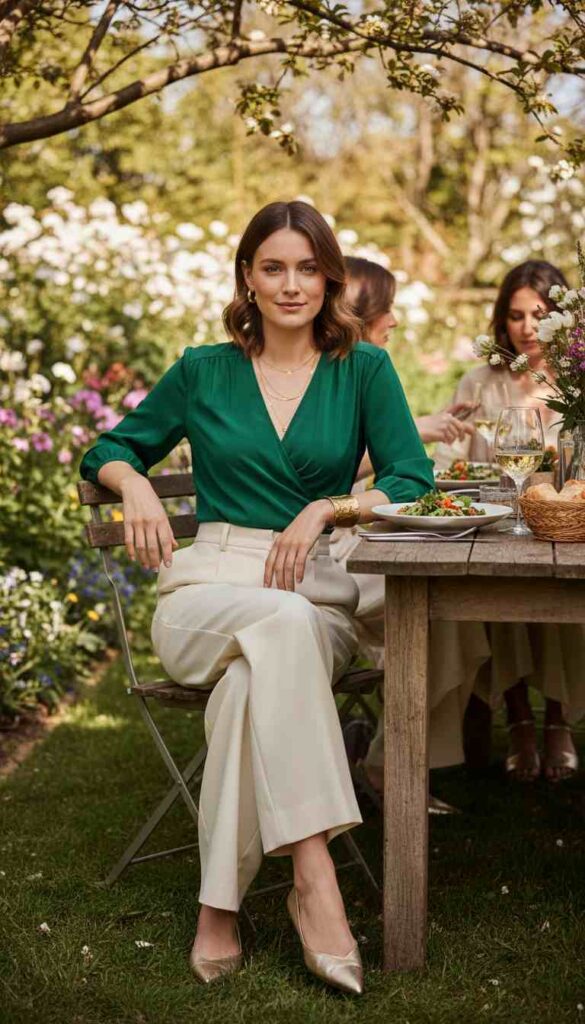
16. Relaxed Linen Set
Matching linen pieces in natural fabrics create easy, elegant silhouette that breathes beautifully.
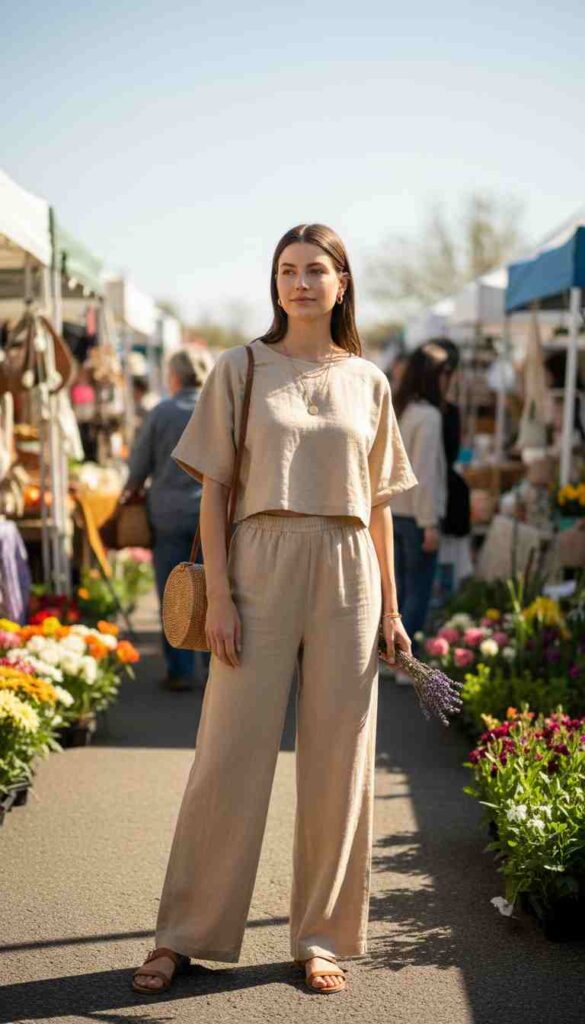
17. Flowing Kimono Layer
A printed kimono worn open over a simple outfit creates colorful, flowing layer that celebrates movement.
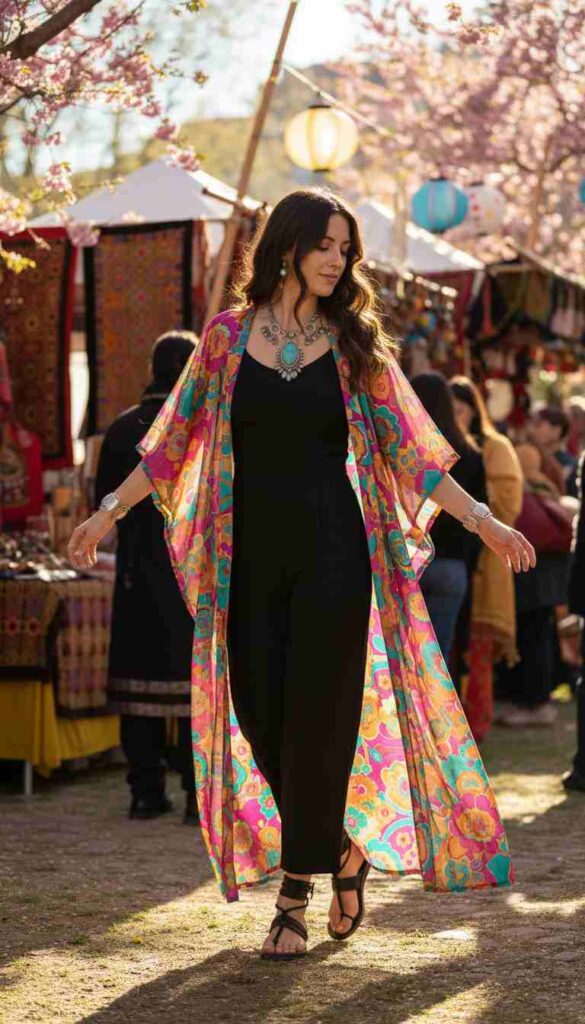
18. Straight Shift Dress
A classic shift dress in quality fabric creates clean modern silhouette through simplicity.
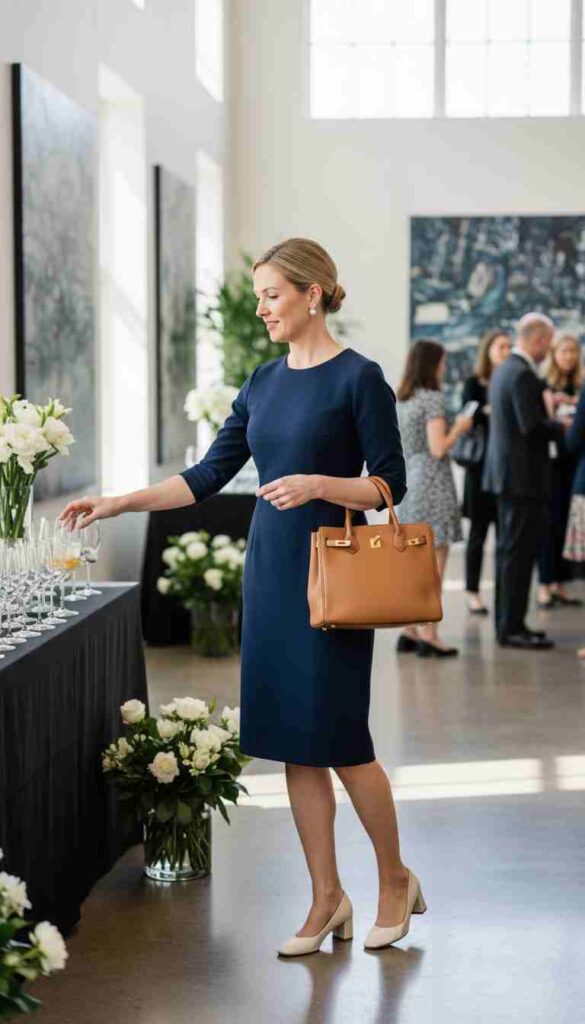
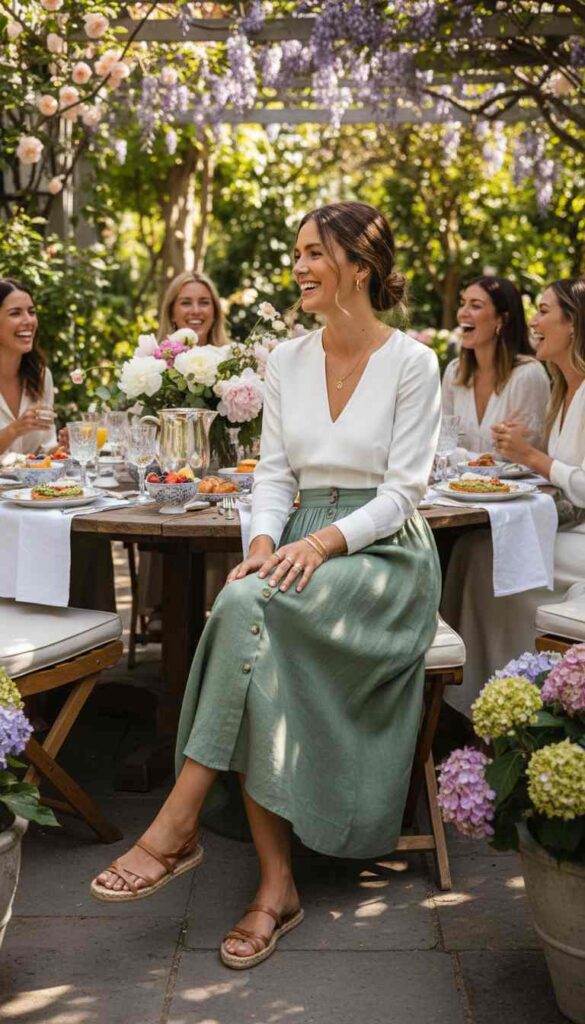
19. Button-Front Midi Skirt
A button-front midi skirt creates beautiful visual detail while providing adjustable coverage and movement.
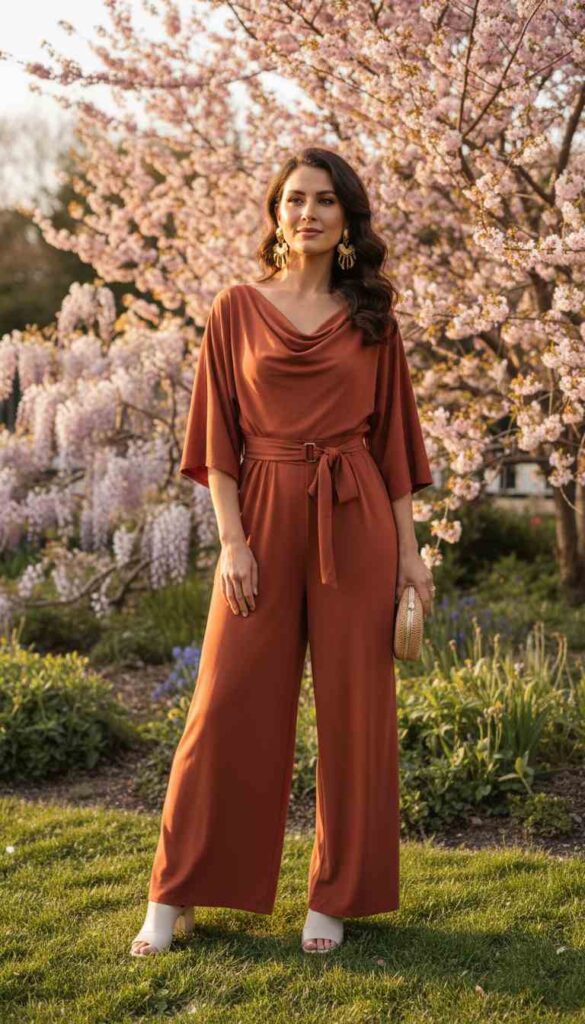
20. Jumpsuit Simplicity
A well-fitted jumpsuit in quality fabric creates sleek, put-together silhouette through single-piece construction.
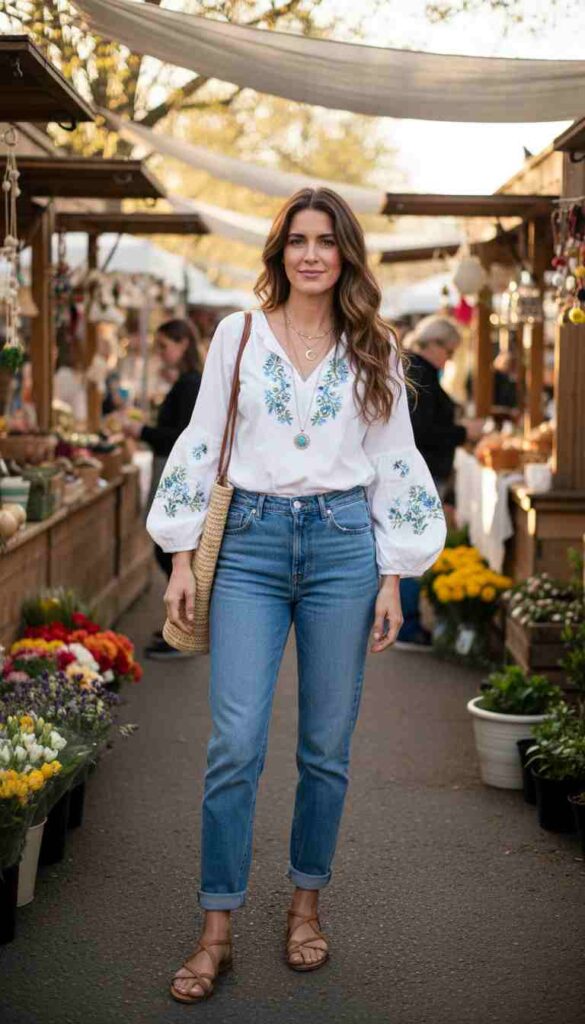
21. Peasant Blouse and Jeans
A flowing peasant blouse with wide sleeves creates romantic feminine silhouette beautifully above fitted jeans.
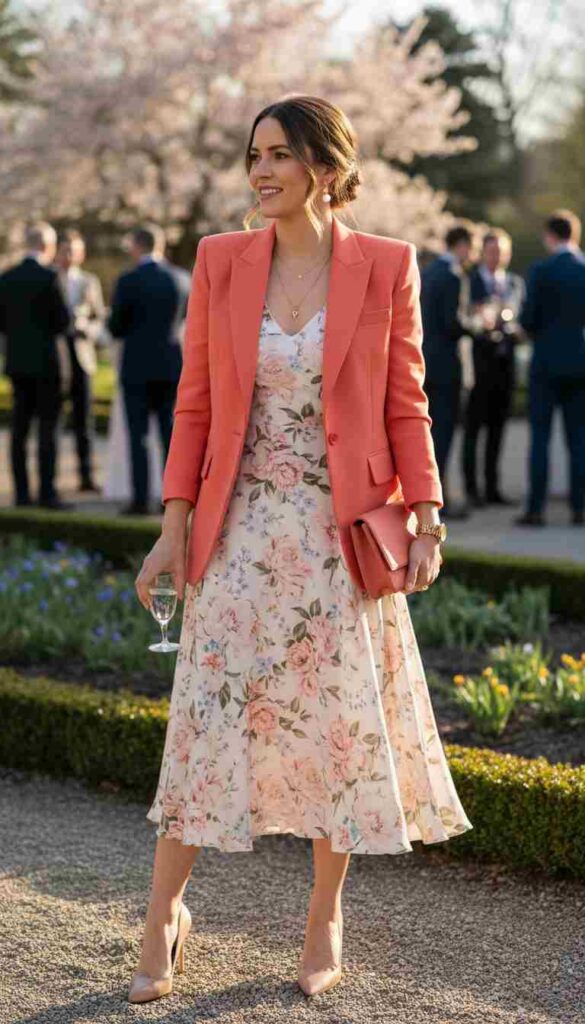
22. Structured Jacket and Dress
A structured jacket over a soft dress creates beautiful proportion through contrasting silhouettes.
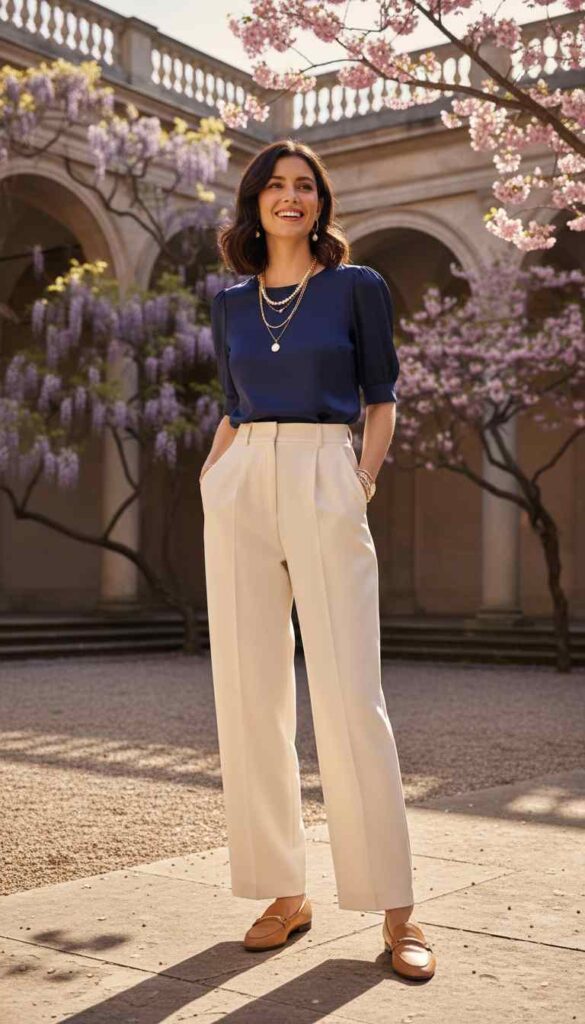
23. Pleated Wide-Leg Trousers
High-waisted pleated wide-leg trousers create elegant vintage-inspired silhouette beautifully flattering through generous proportion.
Redefining Flattering for 2026
The fashion conversation around flattering clothing has undergone a profound and necessary transformation. For decades, styling advice operated from a deficit model—identifying “problem areas” and recommending garments designed to minimize, conceal, or redirect attention away from specific body parts. This approach not only failed most women but fundamentally misunderstood what clothing can and should accomplish.
The 2026 understanding of flattering begins from a position of celebration rather than concealment. Instead of asking “what should I hide?” the better question is “what do I want to celebrate?” This simple reframe transforms the entire shopping and dressing experience from an anxiety-producing exercise in damage limitation to a genuinely joyful creative expression. Every body has features worth celebrating—the goal is identifying yours and choosing clothing that highlights what you love.
Practically speaking, this means prioritizing how clothing feels against your body as much as how it looks in photographs. Clothing that constricts, binds, or requires constant adjustment undermines confidence regardless of how theoretically flattering it might appear. The most genuinely flattering outfit is always one you can wear for an entire day without thinking about it—without tugging hemlines, adjusting waistbands, or sucking in throughout the day.
Understanding Proportion and Visual Balance
While 2026’s flattering philosophy rejects restrictive rules, understanding proportion and visual balance genuinely helps create outfits that feel harmonious and intentional. Proportion isn’t about hiding anything—it’s about creating visual compositions that feel balanced and purposeful, similar to how artists use proportion in painting or architects in building design.
The most universally successful proportional principle is varying volume between top and bottom. A voluminous top pairs beautifully with slim or straight-cut bottoms; a full skirt or wide-leg trouser pairs elegantly with a fitted or tucked top. This variation creates visual interest and prevents outfits from appearing shapeless or undefined—not because shapeless is wrong, but because intentional proportion reads as more deliberate than accidental.
Waist definition—whether through belt, seaming, tuck, or fitted fabric—creates a natural focal point that the eye finds pleasing in garments. This doesn’t mean every outfit needs a visible waist, but understanding that waist definition creates a specific visual effect helps you make intentional choices. Sometimes you want that definition; sometimes you prefer the clean vertical line of uninterrupted fabric from shoulder to hem. Both are valid; both are flattering when chosen intentionally.
Fabric’s Role in Flattery
Fabric choice influences how an outfit flatters more significantly than most women realize, often more than the garment’s specific cut or silhouette. Fabrics that drape beautifully—lightweight linen, silk, jersey knit, bamboo—follow body contours gracefully, moving with you in ways that feel comfortable and look elegant. These fabrics are inherently forgiving because they don’t impose artificial structure onto the body but rather accept and celebrate natural curves.
Stiff fabrics that hold specific shapes—heavy denim, structured cotton canvas, tailored wool—create silhouettes through their own architecture rather than following body contours. These fabrics can create beautiful, polished looks but require more precise fit because they don’t adapt as generously to individual body variations. When structured fabrics fit well, they look spectacular; when they don’t quite fit, they’re unforgiving in ways that soft draping fabrics aren’t.
Spring’s warming temperatures naturally guide toward lighter, more draping fabrics—the season’s sensory pleasures align beautifully with the fabrics most universally flattering across body types. Linen sundresses, cotton jersey wrap styles, lightweight silk blouses—these spring staples tend to flatter precisely because their fabric character cooperates with the body rather than imposing structure upon it.
Color and Pattern as Flattering Tools
Color affects flattery in ways that go beyond the outdated “slimming” narrative. Colors that complement your specific skin tone create a luminosity—that sought-after quality of looking healthy, radiant, and alive—that no specific silhouette can replicate. Finding your most flattering colors means identifying which shades make your skin glow, your eyes brighten, and your overall appearance come alive.
Pattern scale creates genuine visual effects worth understanding. Larger-scale patterns read boldly and create visual presence; smaller-scale patterns recede visually. Vertical patterns create length; horizontal patterns add width. Understanding these effects helps you use pattern intentionally—not to “correct” anything, but to create desired visual emphasis. If you want your vibrant personality to announce itself immediately, a bold large-scale print accomplishes this beautifully.
Monochrome dressing—single color head-to-toe or closely related tones—creates an uninterrupted vertical line that’s genuinely lengthening for every body type. It’s one of fashion’s most reliable flattering tools precisely because it requires no specific body type to work effectively. Monochrome also creates an effortlessly sophisticated appearance that requires minimal additional styling effort.
Length and Its Flattering Effects
Hemline length affects proportion in ways that deserve thoughtful consideration without rigid prescription. The most flattering hemline for any individual depends on where the hem falls relative to that person’s specific proportions—not on universally “correct” hemline rules. Generally, hems that fall at the narrowest part of an individual’s leg tend to create the most elegant visual line, but discovering your specific optimal hemlines requires experimentation rather than rule-following.
Midi lengths have emerged as genuinely universally flattering partly because they fall between the extremes—not revealing enough to require specific body confidence, not covering enough to feel dowdy or restrictive. The midi’s versatility means it appears in everything from casual to formal contexts, creating genuinely flattering options across the full occasion spectrum.
Maxi lengths create dramatic, elegant silhouettes that feel appropriate for various body types precisely because they create a floor-length vertical line that’s inherently elongating. The movement of maxi fabrics adds organic beauty that photographs magnificently and feels luxurious to wear, making them flattering in the deepest sense—they make the wearer feel genuinely special.
Fit: The Foundation of All Flattery
No styling strategy, color choice, or hemline consideration matters as much as correct fit. Clothing that fits your actual body—not the body you imagine you should have or the body the garment was designed for—always looks better than clothing that doesn’t fit, regardless of how theoretically flattering the style might be.
Correct fit doesn’t mean tight. Proper fit means the garment sits where it’s designed to sit on your body, moves with you without bunching or pulling, and creates the silhouette the designer intended. Sometimes achieving correct fit requires tailoring—a simple hem adjustment or waist dart makes moderately priced garments look expensive while making expensive garments look perfect.
Develop a relationship with a good tailor. Adjustments are typically affordable and transform both how garments look and how you feel wearing them. The confidence that comes from wearing something that fits precisely creates the most flattering effect of all—because confidence itself is the most universally flattering quality a woman can wear.
Shopping Strategies for Flattering Choices
The most effective approach to shopping for genuinely flattering clothing involves significant time in fitting rooms with genuinely honest assessment of how garments feel as much as how they look. Bring your most common shoe heights and styles into fitting rooms to assess complete outfit proportions. Move around—sit, reach, walk—to assess how garments behave through actual daily activities.
Shop in your actual current size rather than aspirational sizes. Clothing in your correct size always looks better than clothing a size smaller that technically closes but creates visual tension, bunching, or constriction. Size numbers are arbitrary—they communicate nothing about your worth or beauty, only about which manufacturer’s pattern matches your measurements.
Build your wardrobe around pieces that have already proven flattering on your specific body rather than chasing theoretical flattery based on style rules. When you find a specific cut, fabric, or brand that consistently makes you feel wonderful, invest in multiple versions. The certainty of knowing an item will be flattering eliminates the uncertainty that makes shopping exhausting.
Celebrating Your Body This Spring
Ultimately, the most flattering thing you can do for yourself this spring is approach your wardrobe with genuine appreciation for the body you’re dressing. Your body carries you through every experience, supports every adventure, and enables every connection. It deserves clothing that honors its capability and celebrates its form—not clothing that apologizes for its existence or attempts to present it as something other than what it genuinely is.