
Pastel gel nails represent the perfect marriage of spring’s most beloved aesthetic with modern nail technology’s greatest achievement. There’s something genuinely magical about gel’s glossy, chip-resistant finish applied to the whisper-soft colors that define pastel beauty—it’s like capturing spring itself and sealing it onto your fingertips with a permanence that regular polish simply cannot achieve. The result is nails that maintain their dreamy, ethereal beauty for two to three full weeks, allowing you to commit fully to spring’s pastel moment without the constant maintenance that these delicate colors historically required.
Gel technology has revolutionized how we experience pastel manicures. Where pastel regular polish once required careful application, constant touch-ups, and perpetual worry about chips undermining the delicate aesthetic, gel pastels deliver immediate durability that frees you to live actively without compromising beauty. The glossy cure that UV or LED lights create enhances pastel colors in ways that air-dried polish cannot match—the depth, the luminosity, the way light interacts with cured gel creates dimension that makes even the palest colors genuinely captivating.
Spring 2026 specifically brings exceptional energy to pastel gel nails. The color formulations have evolved to deliver true pastel saturation—genuine color presence that reads clearly as its intended shade rather than the washed-out or chalky appearance that plagued earlier pastel gel attempts. The range has expanded exponentially, offering pastels in every conceivable hue from the palest whisper-blues and greens through warm peachy tones to sophisticated dusty mauves. And nail artists have developed techniques specifically optimized for gel application, creating designs that leverage gel’s unique properties for effects impossible in regular polish.
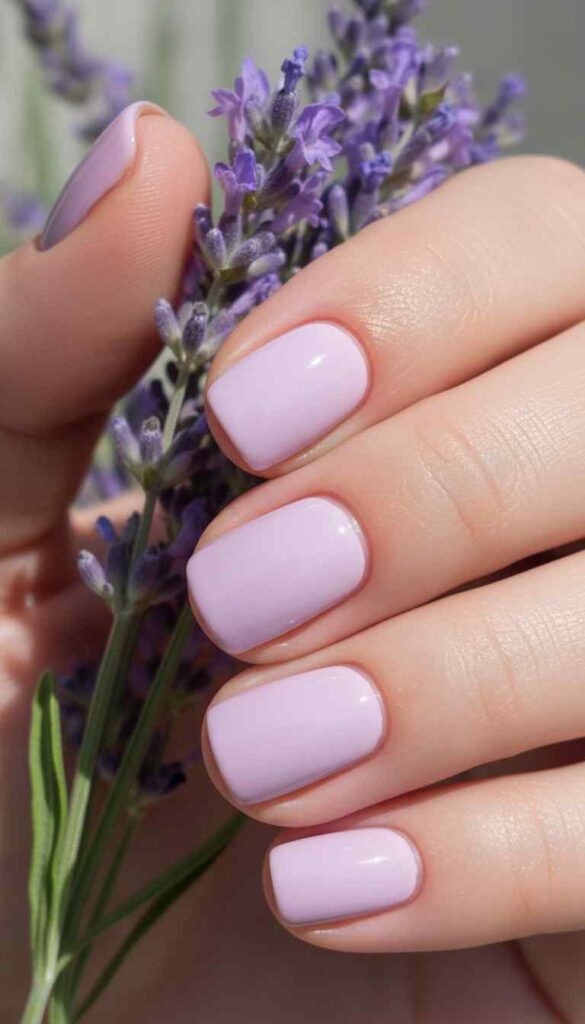
1. Cloud Lavender Glossy
Pale lavender gel with ultra-glossy finish creates dreamy spring sky beauty.
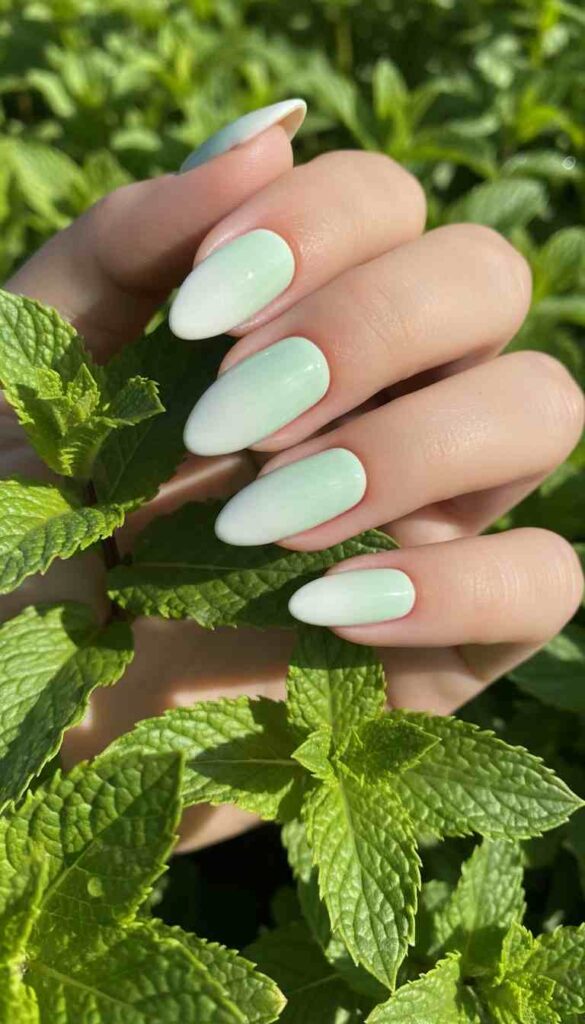
2. Mint Jelly Gradient
Pale mint transitioning to even paler at tips creates soft gradient elegance.
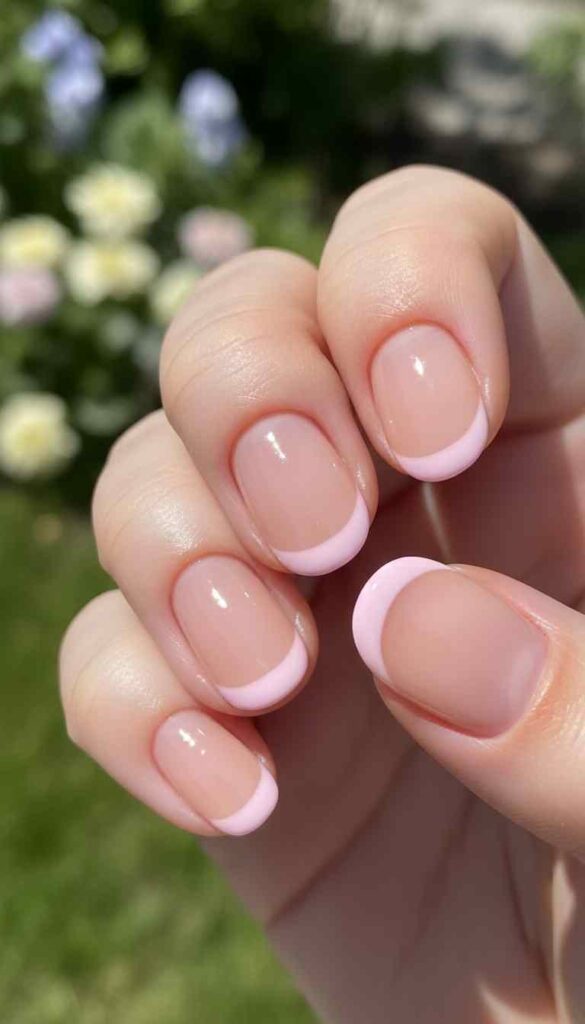
3. Baby Pink French
Classic French reimagined with baby pink tips on sheer nude gel base.
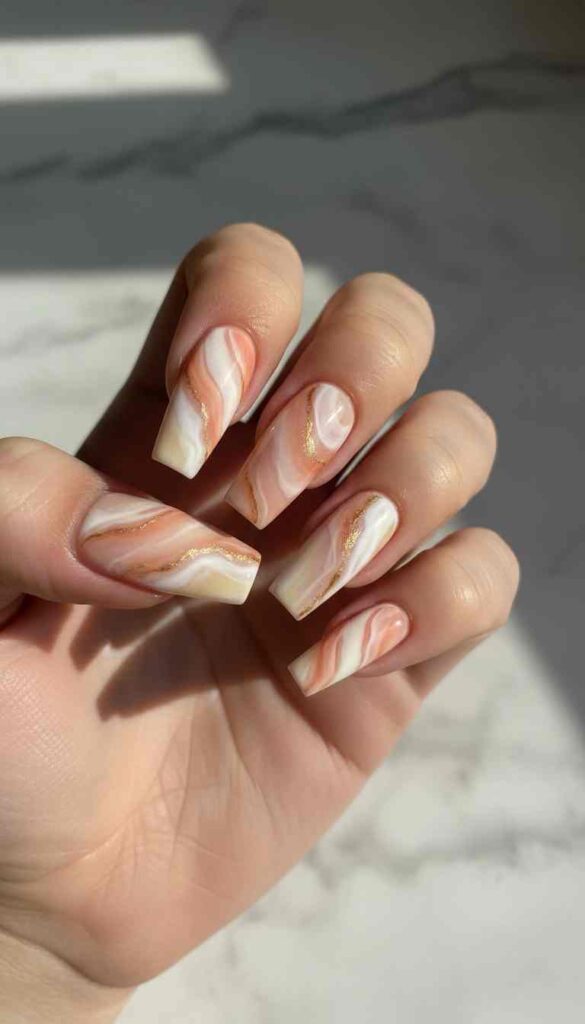
4. Peach Marble Swirl
Soft peach and cream gel marbled creates sophisticated pastel dimension.
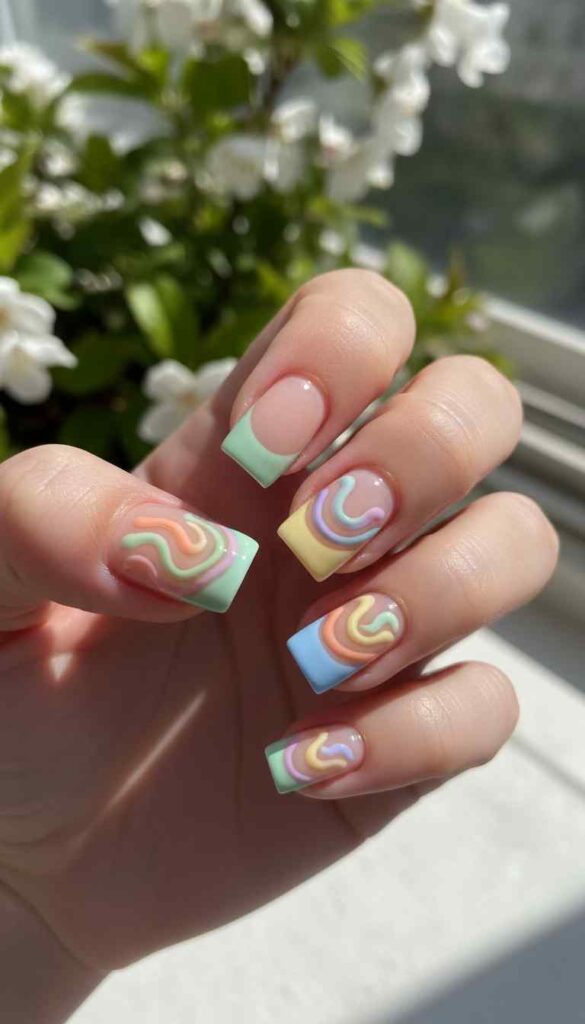
5. Pastel Rainbow Tips
Each nail featuring different pastel color on nude base creates gentle rainbow.
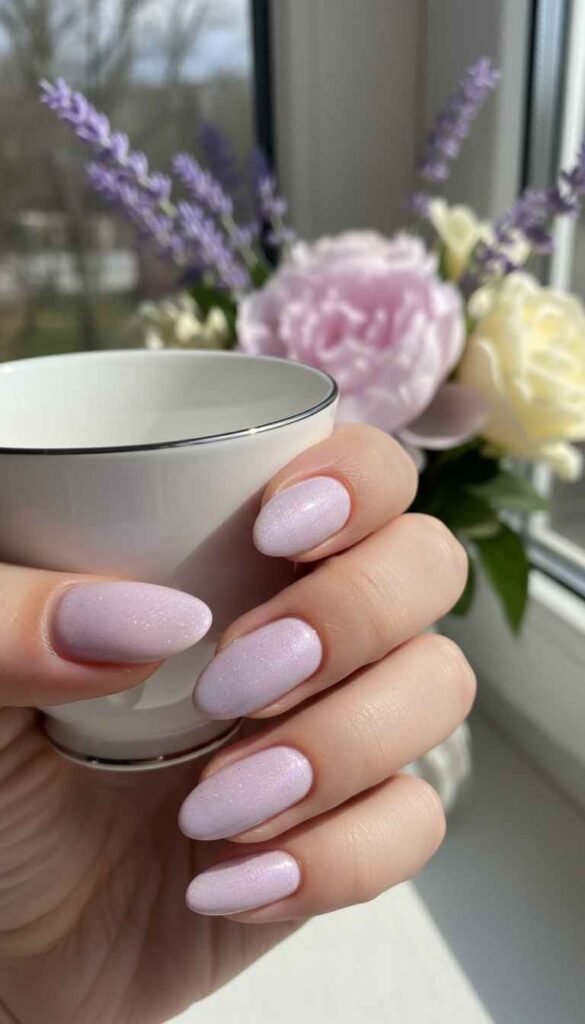
6. Lilac Shimmer
Pale lilac gel with delicate shimmer creates light-catching spring elegance.
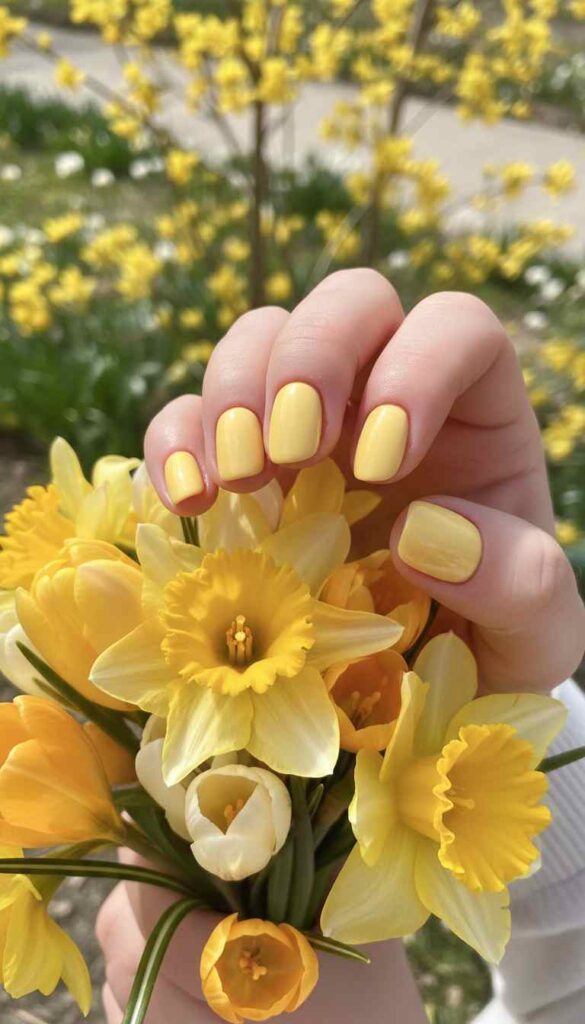
7. Buttercream Yellow
Soft butter yellow gel creates warm optimistic spring statement.
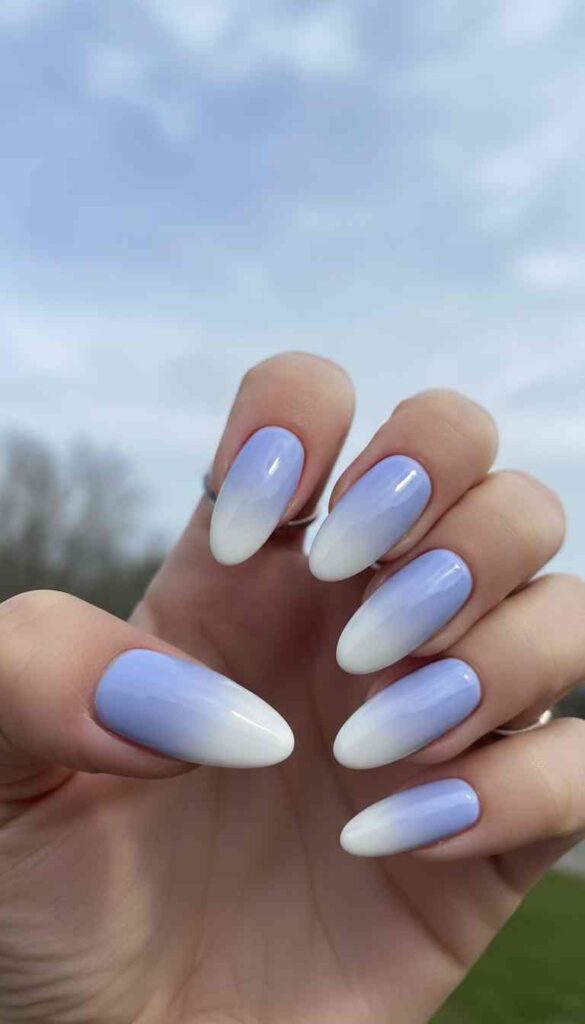
8. Soft Blue Ombre
Pale blue gradient from dark to light creates dimensional pastel artistry.
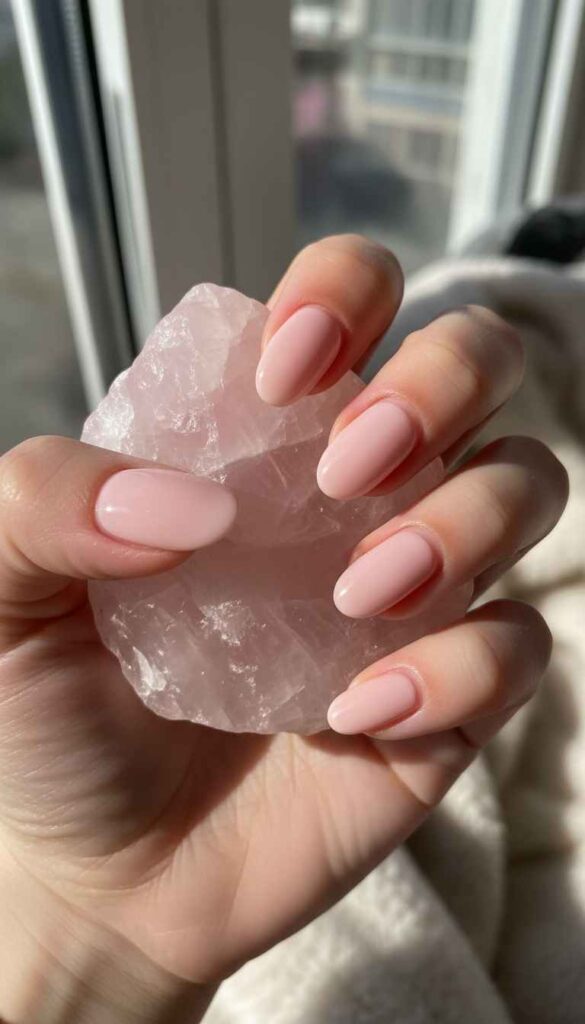
9. Rose Quartz Pink
Delicate rose pink gel mimics the gemstone’s soft beauty.
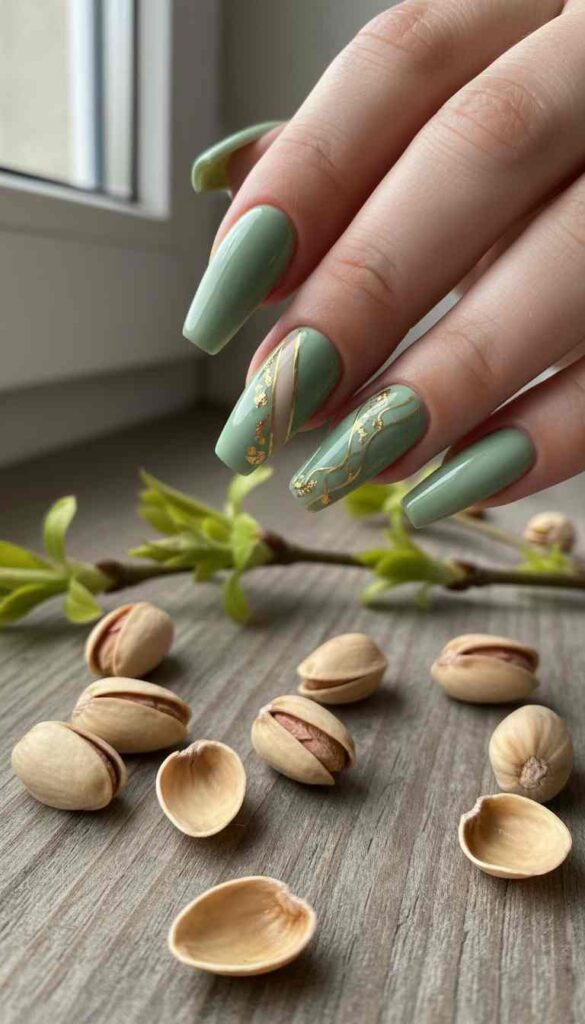
10. Pistachio Green
Soft pistachio green gel creates unique sophisticated pastel statement.
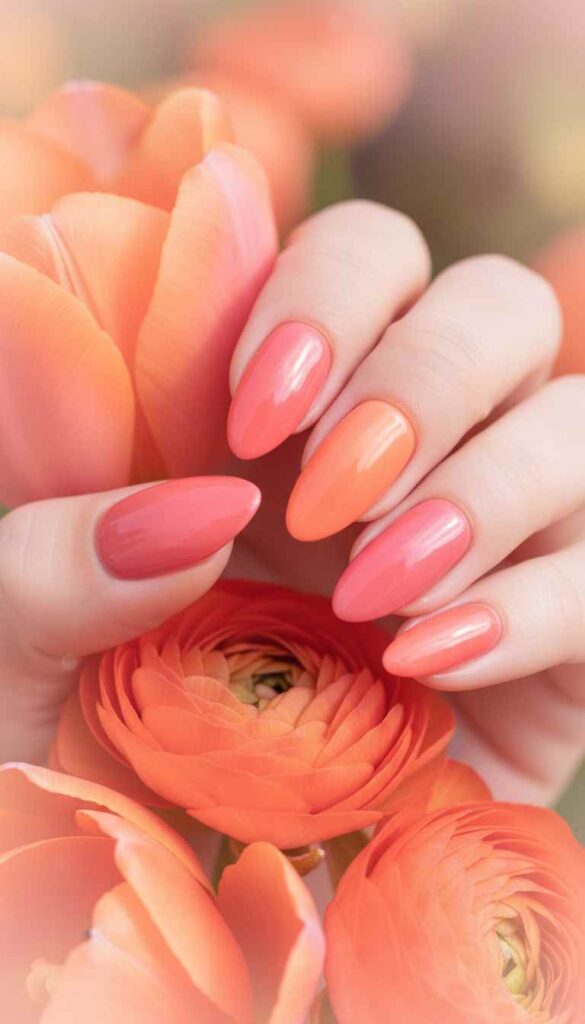
11. Coral Blush
Warm coral-pink gel creates vibrant yet pastel spring beauty.
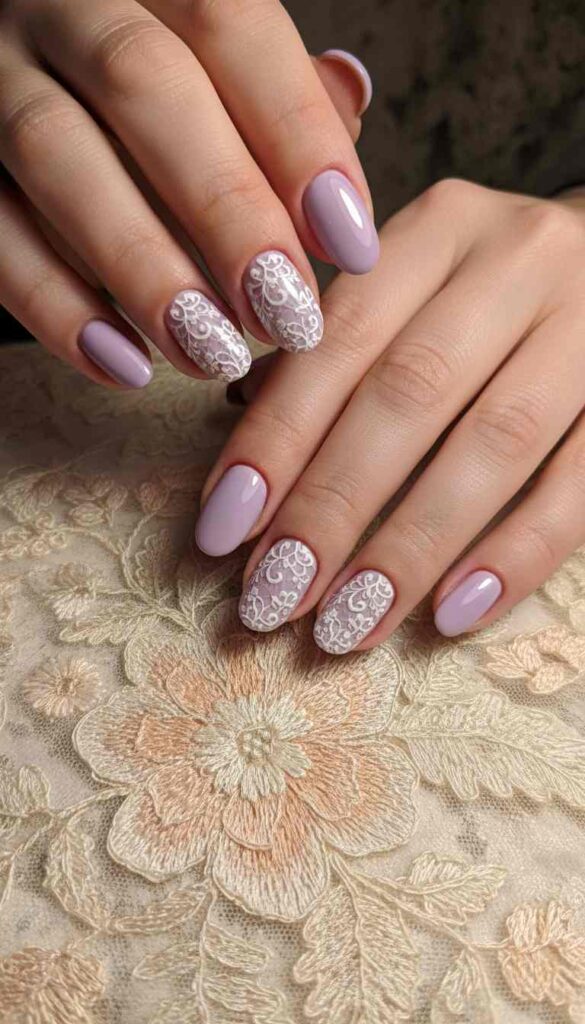
12. Lavender Lace
Pale lavender base with white gel lace pattern creates vintage elegance.
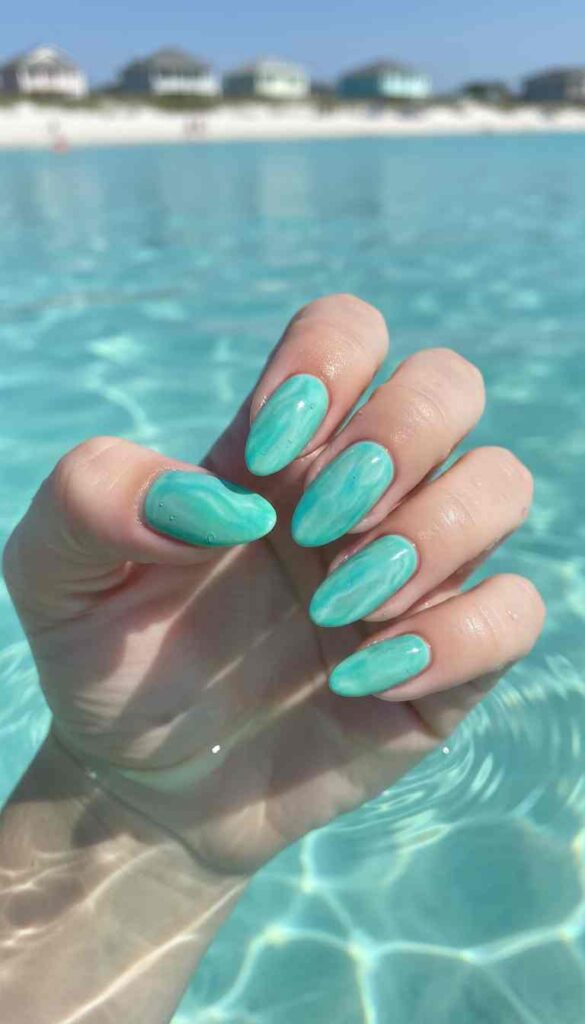
13. Aqua Marine
Soft aqua blue-green gel creates oceanic pastel freshness.
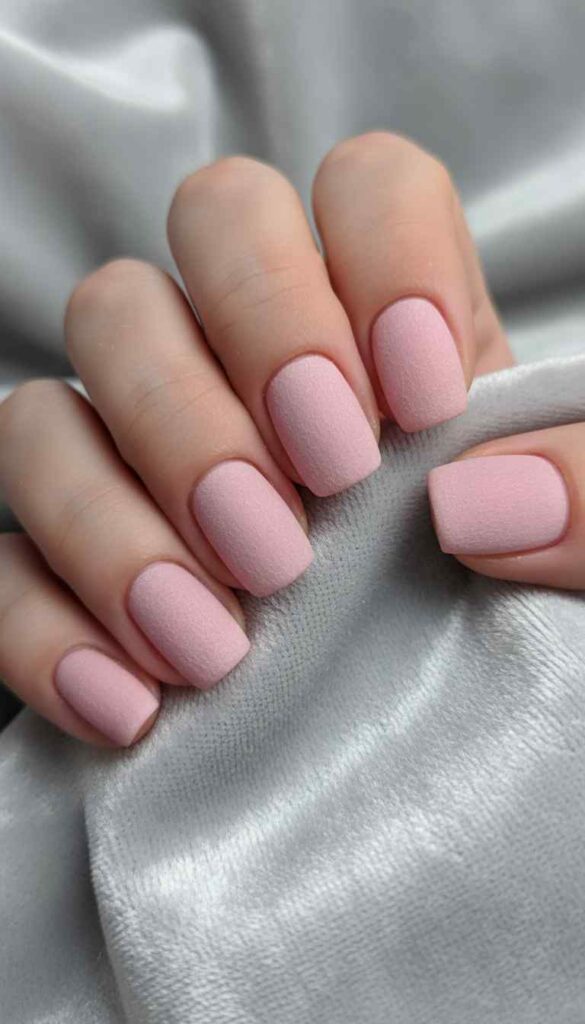
14. Powder Pink Velvet
Matte pink gel creates soft velvet pastel texture.
15. Lemon Sherbet
Pale lemon yellow gel creates sweet citrus-inspired pastel.

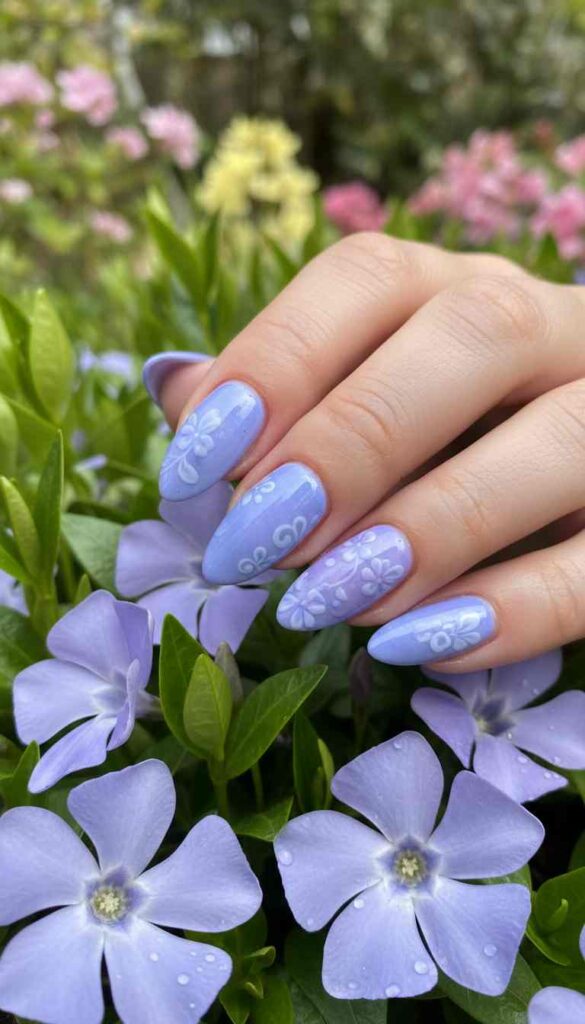
16. Periwinkle Dreams
Soft periwinkle blue-purple gel creates floral-inspired pastel elegance.
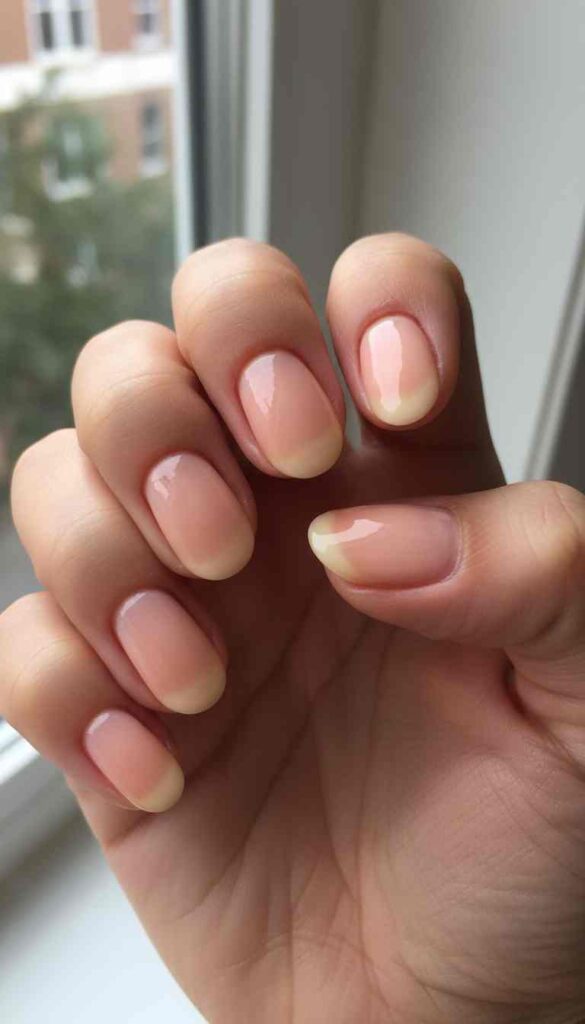
17. Nude Peach Glow
Barely-there peach gel creates enhanced natural elegance.
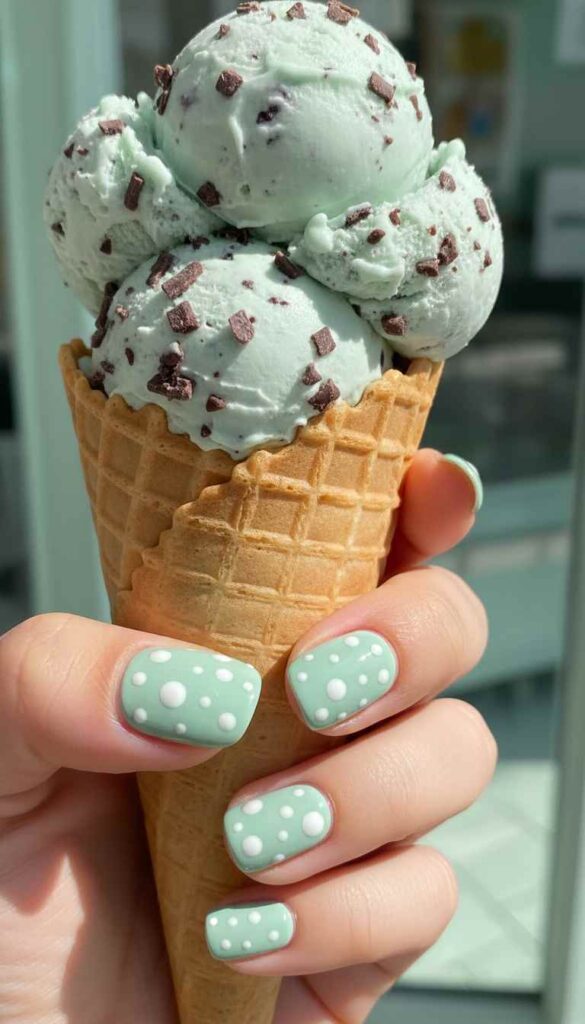
18. Mint Chip Dots
Soft mint base with white polka dots creates sweet playful pattern.
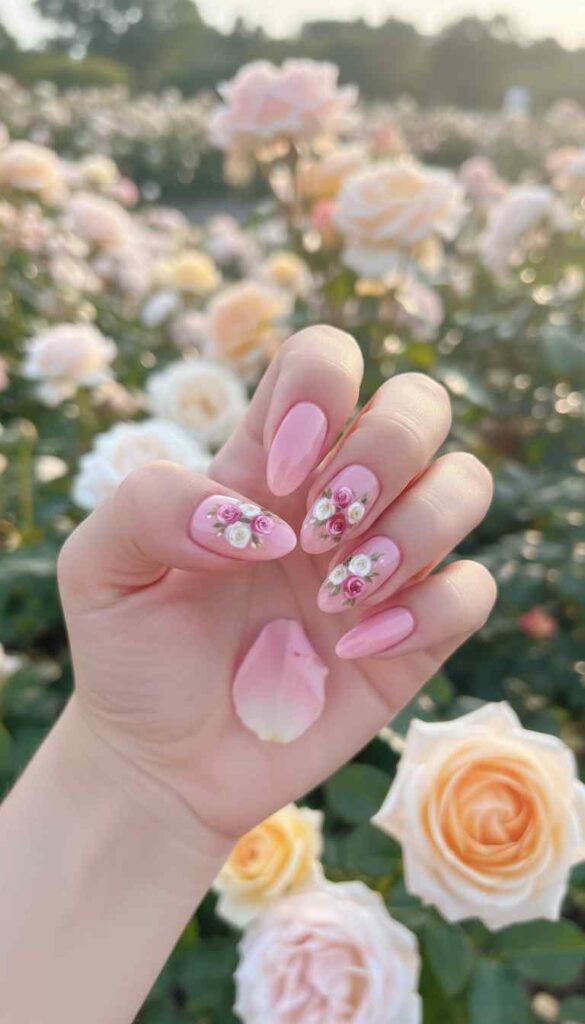
19. Blush Rose Garden
Soft blush pink with tiny hand-painted roses creates romantic garden art.
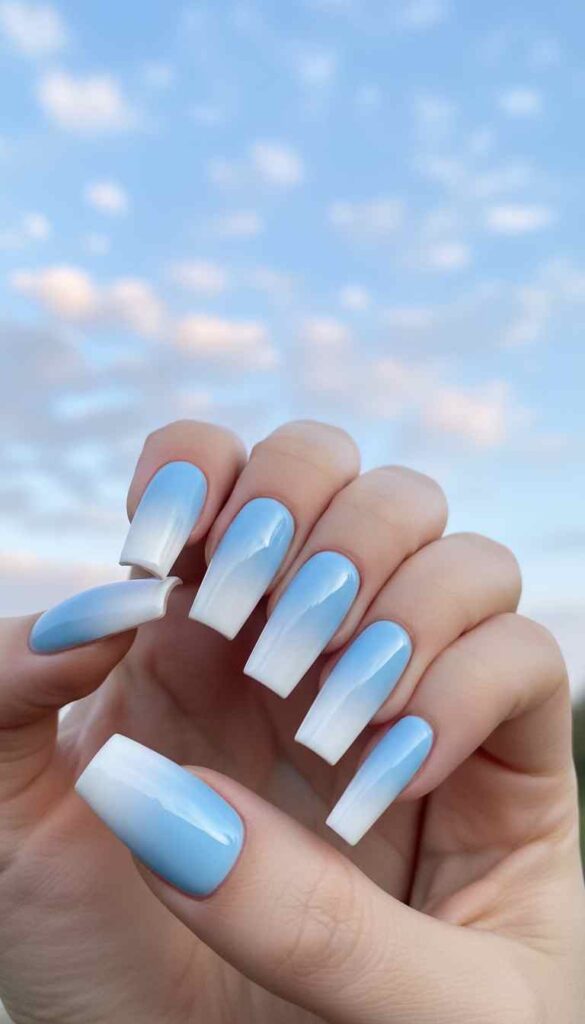
20. Sky Blue Gradient
Gradient from soft sky blue to white creates atmospheric spring beauty.
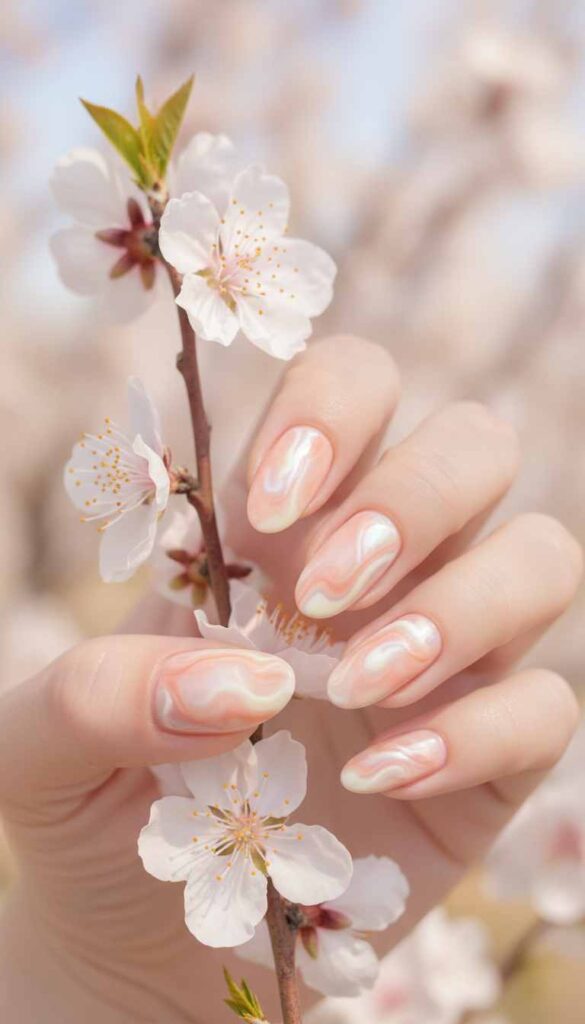
21. Peachy Cream
Soft peach and cream gel marbled creates dreamy pastel blend.
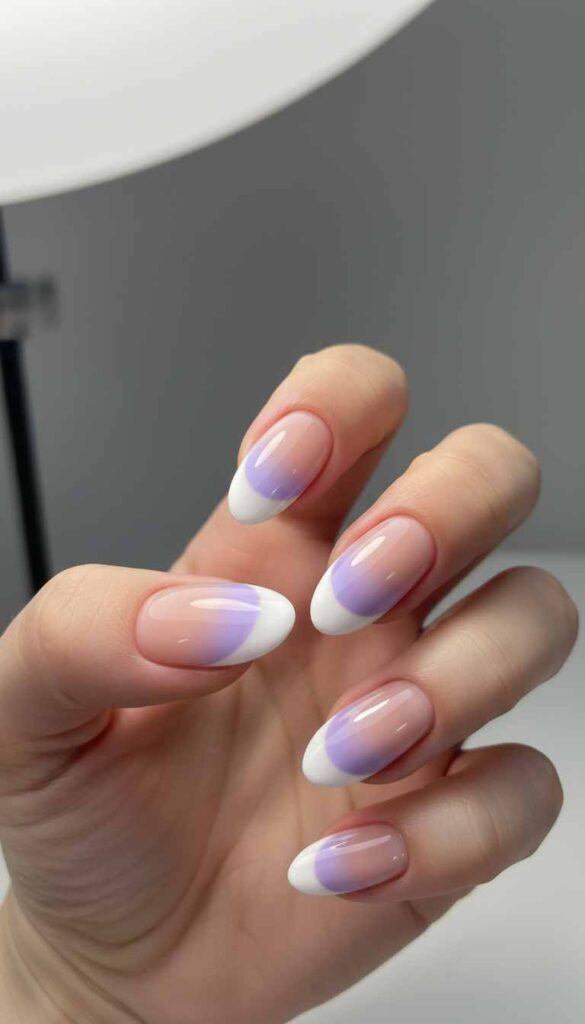
22. Lilac French Fade
French tips fading from white to lilac creates modern gradient interpretation.
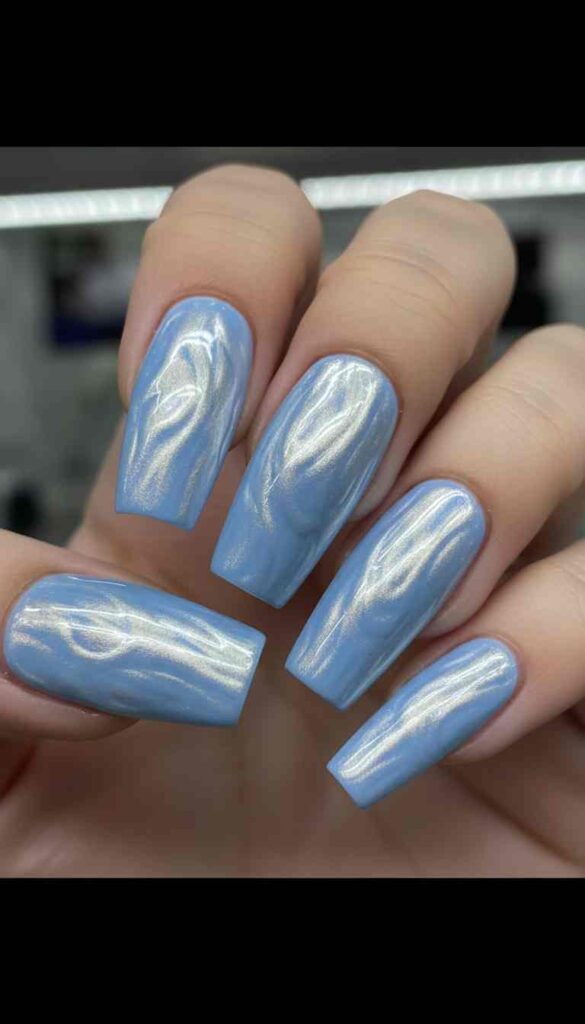
23. Baby Blue Chrome
Pastel blue with subtle chrome finish creates modern metallic pastel.
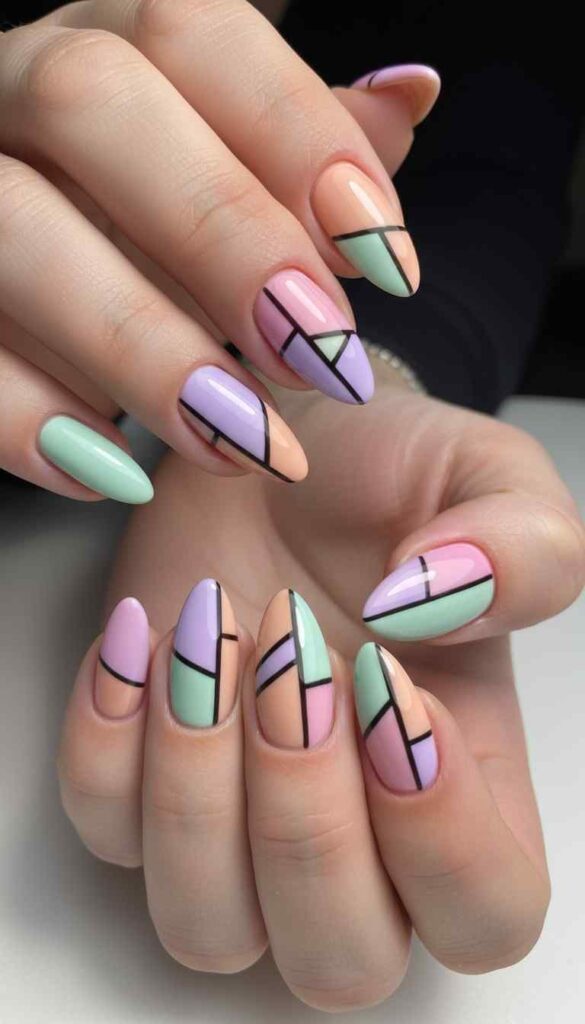
24. Multi-Pastel Negative Space
Strategic negative space with multiple pastels creates artistic modern design.
Understanding Gel Polish Technology
Gel polish fundamentally differs from regular polish in both composition and curing mechanism. Traditional polish dries through evaporation—solvents evaporate into the air, leaving colored pigment behind in a hardened film. Gel polish cures through a chemical reaction triggered by UV or LED light exposure—oligomers and monomers link into polymer chains, creating a hardened finish that bonds to the nail surface chemically rather than simply sitting on top.
This chemical difference creates gel’s signature properties: the immediate dry time (no waiting for evaporation), the enhanced durability (chemical bonds versus simple adhesion), and the glossy finish that regular polish cannot replicate. For pastels specifically, gel’s formulation allows pigment suspension that creates true color without the chalkiness that sometimes plagues pastel regular polish—the gel medium carries color in ways that enhance rather than muddy delicate tones.
Understanding gel basics helps you communicate effectively with nail technicians and set realistic expectations about the service. Gel application takes longer than regular polish because each layer requires separate curing—base coat cure, multiple color coats with individual cures, and topcoat cure. The time investment pays dividends through the two to three week wear time gel delivers.
The Pastel Gel Advantage
Pastel colors in gel formulation solve several problems that pastel regular polish historically struggled with. The first is opacity—achieving genuine color saturation in pale shades challenges all polish formulations, but gel’s thicker viscosity and buildable nature means you can layer thin pastel coats to full coverage without the sheer, streaky application that thin regular polish often produces.
The second advantage is color accuracy. Pastel gel formulations are specifically engineered to cure to their intended shade—what you see in the bottle closely matches what appears on your nail after curing. Regular pastel polish can shift during drying as solvents evaporate and the formula contracts, sometimes creating unexpected tonal shifts. Gel’s curing process maintains color integrity from application through final cure.
The third benefit is maintenance. Pastel colors show chips and wear more obviously than darker shades because the contrast between your natural nail and pale polish creates visible lines. Gel’s chip-resistant properties mean pastels maintain their pristine appearance throughout the full wear period, eliminating the constant touch-ups pastel regular polish often requires.
UV vs. LED Curing
Gel polish cures under either UV or LED light, and understanding the differences helps you know what to expect during salon visits or if you’re considering at-home gel systems. UV lamps cure all gel formulas but typically require 2-3 minutes per coat, making the full service time-consuming. They also emit broader spectrum UV radiation that raises skin safety questions for frequent users.
LED lamps cure most modern gel formulas in 30-60 seconds per coat, dramatically reducing service time. They emit narrower spectrum light specifically targeted to the photo-initiators in gel formulas, and generally present fewer skin safety concerns. However, not all gel formulas cure under LED—some older or specialty formulas specifically require UV.
Most professional salons now use LED lamps for their speed and efficiency. If you have concerns about UV exposure (even the minimal amounts from nail curing), discuss LED-compatible gel options with your technician, or use fingerless gloves or sunscreen on hands during curing to minimize exposure.
Gel Application Process
Understanding the gel application process helps you allocate appropriate time and set realistic service expectations. Professional gel manicures typically take 60-90 minutes for simple color application, or 90-120+ minutes for elaborate nail art, compared to 30-45 minutes for regular polish.
The process begins with nail preparation—shaping, cuticle work, and light buffing of the nail surface to improve gel adhesion. Then comes the base coat application and cure, followed by thin color coat applications (typically two to three coats for pastels) with individual cures between each, and finally topcoat application and cure. Each cure adds 30-60 seconds (LED) or 2-3 minutes (UV) to the service.
For nail art, design elements are applied between color coats or before topcoat, with additional cure time for each artistic layer. The precision and detail possible in gel comes partly from its working time—gel remains workable until cured, allowing artists to perfect details before committing them through curing.
Gel Removal Best Practices
Proper gel removal is crucial for maintaining healthy nails through repeated gel services. Improper removal—peeling or picking off gel—damages the nail plate surface, removing layers of keratin along with the gel and creating weakness and peeling that takes months to grow out.
Professional removal involves filing off the shiny topcoat, soaking nails in acetone (either through wrapped cotton pads or acetone bowls) for 10-15 minutes to break down the gel, then gently pushing off softened gel with an orangewood stick. Any gel requiring force to remove hasn’t soaked adequately and needs additional acetone time rather than forceful scraping.
At-home removal follows the same principles. Using pure acetone (not acetone-free removers, which don’t break down gel effectively), soaking adequately, and being patient with the removal process prevents the damage that hurried or improper removal causes. Many professionals recommend leaving gel removal to them, as the careful technique required to prevent damage is genuinely challenging to execute on yourself.
Gel and Nail Health
Gel polish itself isn’t inherently damaging—properly applied and removed gel can be worn indefinitely without nail damage. However, improper application (particularly aggressive nail surface buffing) and improper removal (picking or peeling) do cause significant damage. Understanding this distinction helps you protect nail health while enjoying gel’s benefits.
The most common gel-related damage comes from improper removal creating surface damage that manifests as peeling, splitting, and weakness. The second most common source is aggressive buffing before application—some technicians over-buff to improve gel adhesion, removing too much nail surface and creating thinned, weakened nails.
Protecting nail health during gel wear means choosing technicians who prep gently and remove carefully, taking occasional breaks between gel applications to allow nails to recover, and maintaining nail and cuticle hydration through regular oil application even while wearing gel.
Pastel Gel Color Selection
Choosing your perfect pastel gel involves considering your skin tone, lifestyle, and the specific spring aesthetic you’re drawn to. Warm skin tones typically glow in peachy, coral, and warm pink pastels, while cool skin tones are enhanced by lavender, mint, and true baby pink. Neutral skin tones have the widest range and can wear virtually any pastel beautifully.
Consider your daily activities when choosing pastel intensity. Very pale, barely-there pastels show dirt and discoloration from daily activities more readily than slightly more saturated pastels. If your hands are constantly in use—cooking, gardening, working with materials—choosing pastels with a bit more color saturation maintains their beauty better through active living.
Also consider your wardrobe’s color palette. Pastels that complement the colors you wear most frequently create harmonious overall aesthetics, while pastels that clash with your typical wardrobe can create daily visual discord. This doesn’t mean perfect matching—it means awareness of whether your typical navy and gray wardrobe pairs well with mint nails, or whether your warm earth-toned clothes harmonize with peach.
Spring 2026 Gel Innovations
Gel technology continues evolving, and spring 2026 brings specific innovations that enhance pastel possibilities. New formulations with improved pigment suspension deliver better pastel color saturation with thinner application, reducing the cure time and number of coats needed for full coverage. This creates both time savings and reduced product buildup on the nail.
Builder gel in pastel tones represents another significant innovation—these thicker gels add length and strength while delivering color, creating the opportunity for elaborate nail art on natural nails without the damage associated with traditional acrylic extensions. Pastel builder gels specifically allow delicate colors with structural strength.
Gel topcoats have also advanced significantly—new formulations with enhanced gloss and flexibility create the glossiest possible finish while reducing the brittleness that sometimes caused older gel topcoats to crack. For pastels specifically, these ultra-glossy topcoats maximize the luminous depth that makes gel pastels so visually compelling.
Living with Gel Pastels
Life with gel pastel nails involves minor adjustments to protect your manicure investment. The first 24 hours after application represent the most vulnerable period—avoiding hot water (which can cause lifting) and treating nails gently allows the gel bond to fully establish. After this initial period, gel becomes remarkably durable.
Oil-based products can break down gel gradually, so wearing gloves when applying lotions, oils, or working with oil-based cleaning products extends gel life. Hand washing with regular soap poses no issues, but hand sanitizer’s high alcohol content can dull gel shine over time—using hand cream after sanitizer application helps maintain gel’s glossy appearance.
Daily cuticle oil application keeps the skin around gel nails healthy and prevents the dry, ragged cuticles that can develop during gel wear periods. This simple habit maintains the overall polished appearance that makes gel manicures so satisfying—beautiful color paired with healthy-looking surrounding skin.
Embracing Your Pastel Gel Journey
These 24 pastel gel designs demonstrate the extraordinary range this combination delivers—the delicate beauty of true pastels paired with gel technology’s remarkable durability and finish. Whether you choose the simplest single color or the most elaborate nail art, gel’s properties enhance pastel beauty in ways that make the technology genuinely worthwhile.
The most important choice isn’t which specific design you select but finding a skilled nail technician whose work you trust, whose sanitation practices meet professional standards, and whose artistic sensibility aligns with your aesthetic preferences. The best gel manicure comes from the partnership between your vision and a technician’s expertise.