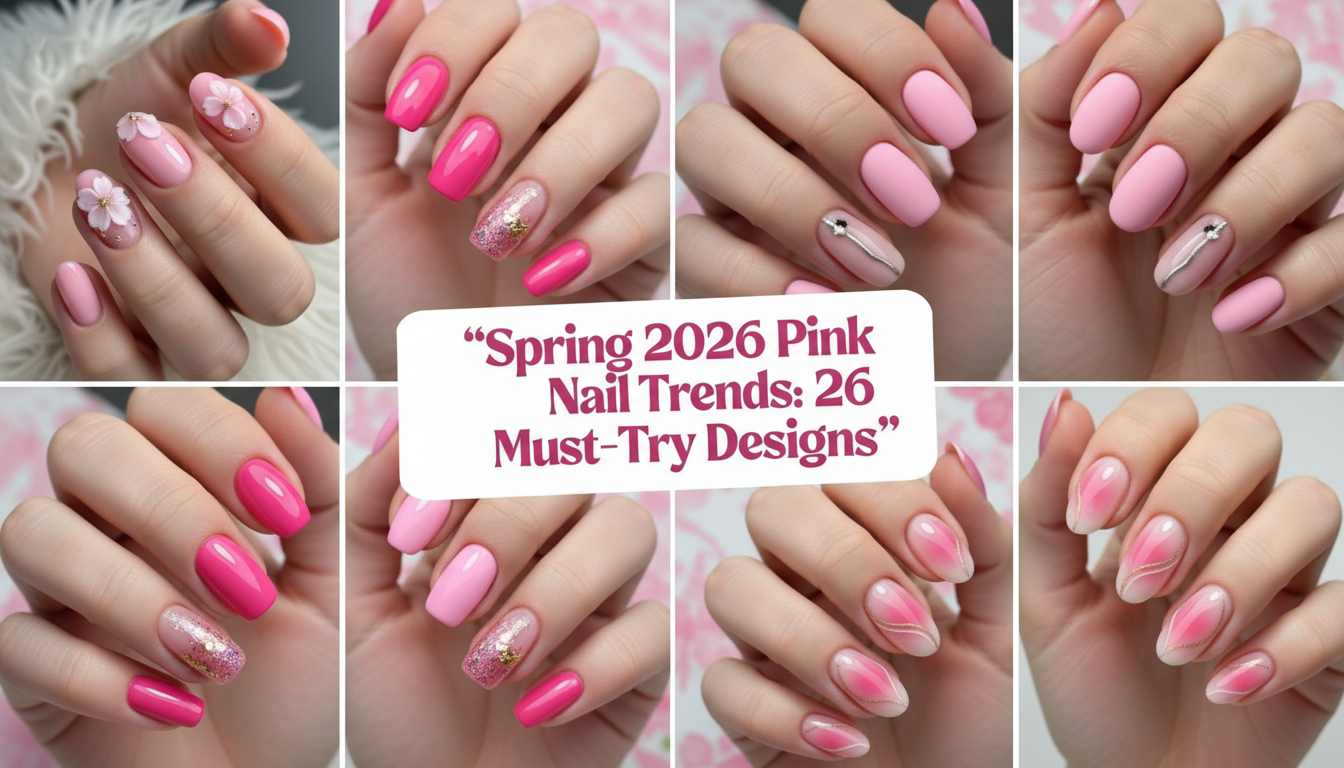
Pink exists in fashion’s most psychologically interesting space—simultaneously associated with femininity and power, innocence and sophistication, tradition and rebellion. A color that was once dismissed as frivolous has reclaimed its complexity, and nowhere is this more evident than in nail art, where pink ranges from the palest whisper-blush barely distinguishable from nude, through vibrant fuchsias that demand attention, to sophisticated dusty roses that suggest vintage elegance. Spring 2026 celebrates this entire pink spectrum with unprecedented creativity, offering pink nail designs that express every possible mood, aesthetic, and personality type.
The pink nail trend for spring 2026 transcends simple color choice to become genuine artistic expression. Technical innovations in polish formulation mean pinks maintain their true color without the yellowing or muddying that plagued earlier formulas. Gel technology delivers pink with unprecedented depth and luminosity. And nail artists have developed techniques specifically optimized for showcasing pink’s unique qualities—its ability to create dimension through layering, its compatibility with virtually every other color, and its extraordinary photographic beauty in spring’s particular light quality.
1. Baby Pink Glossy
The palest baby pink with ultra-gloss creates sweet innocent spring beauty.
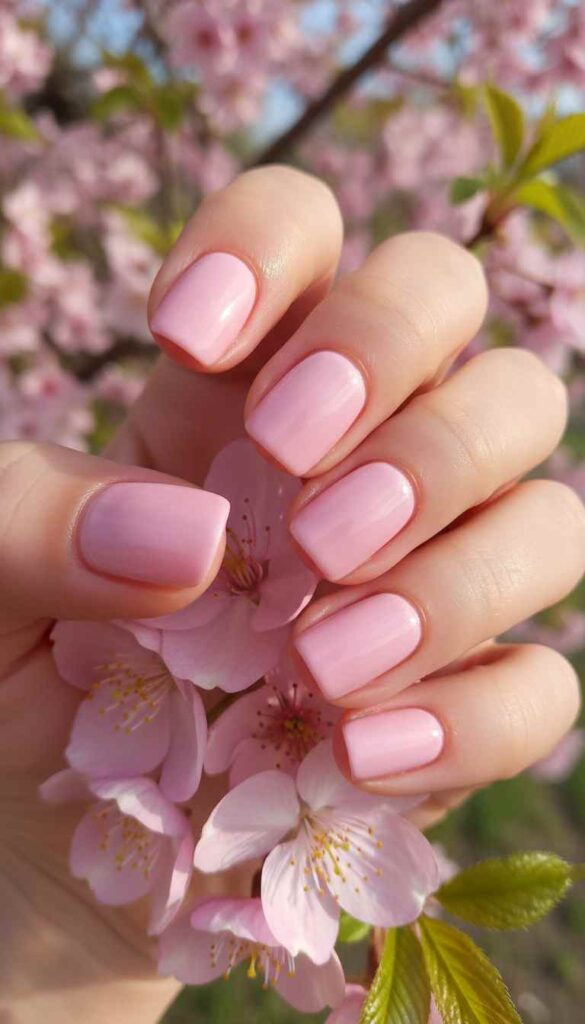
2. Hot Pink Neon Tips
Electric hot pink French tips on nude base creates bold modern statement.
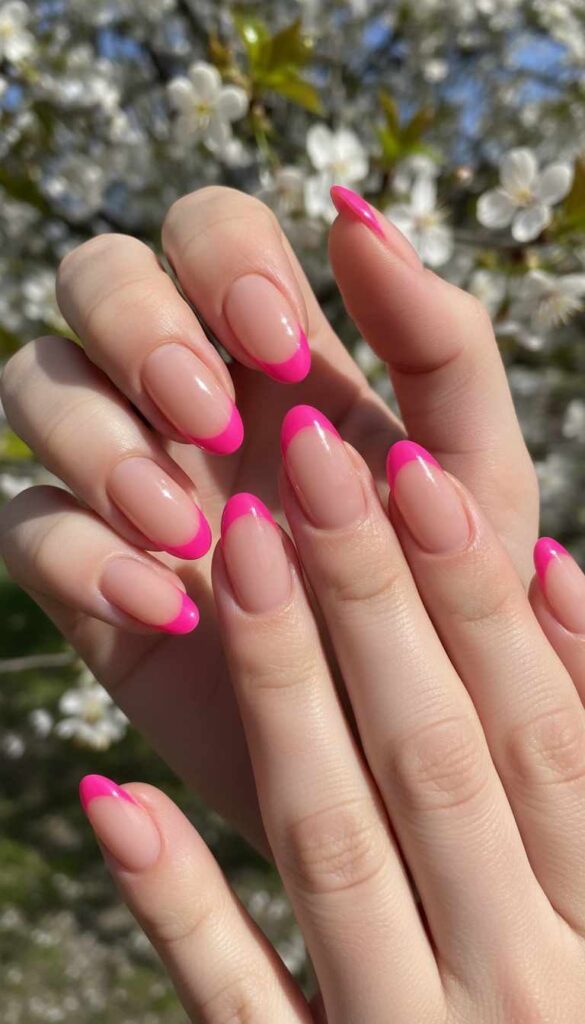
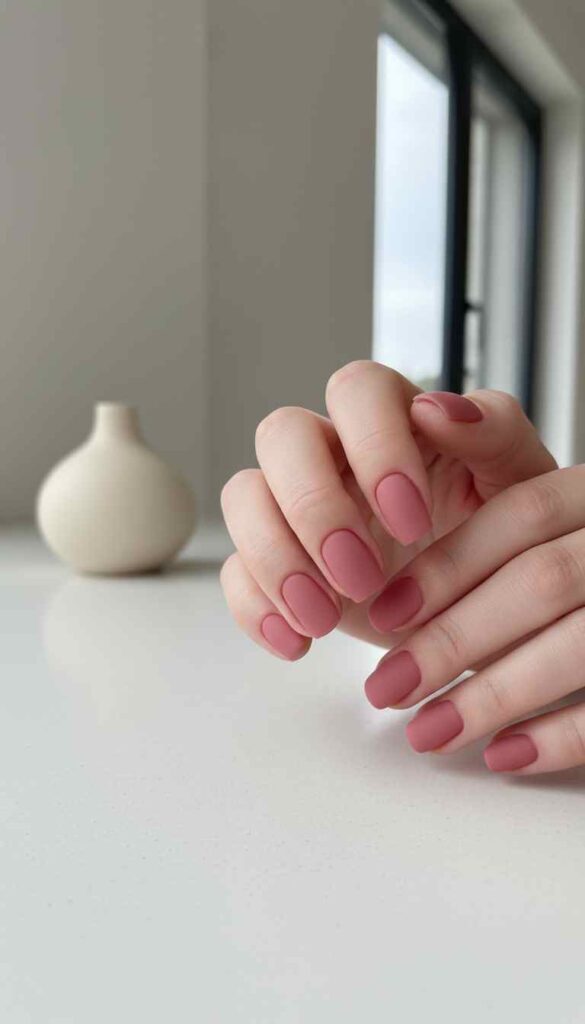
3. Dusty Rose Matte
Sophisticated dusty rose with matte finish creates vintage elegant pink.
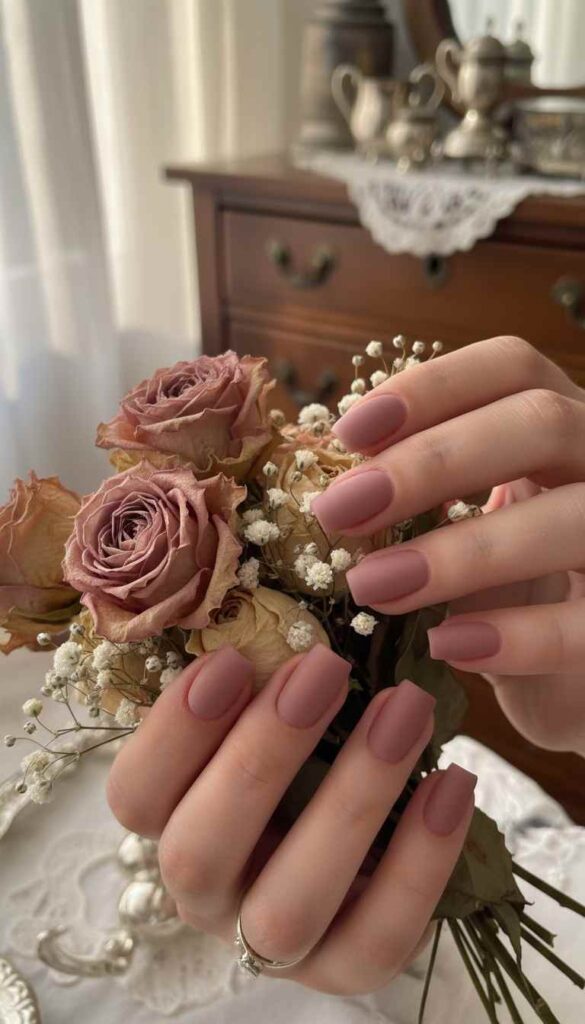
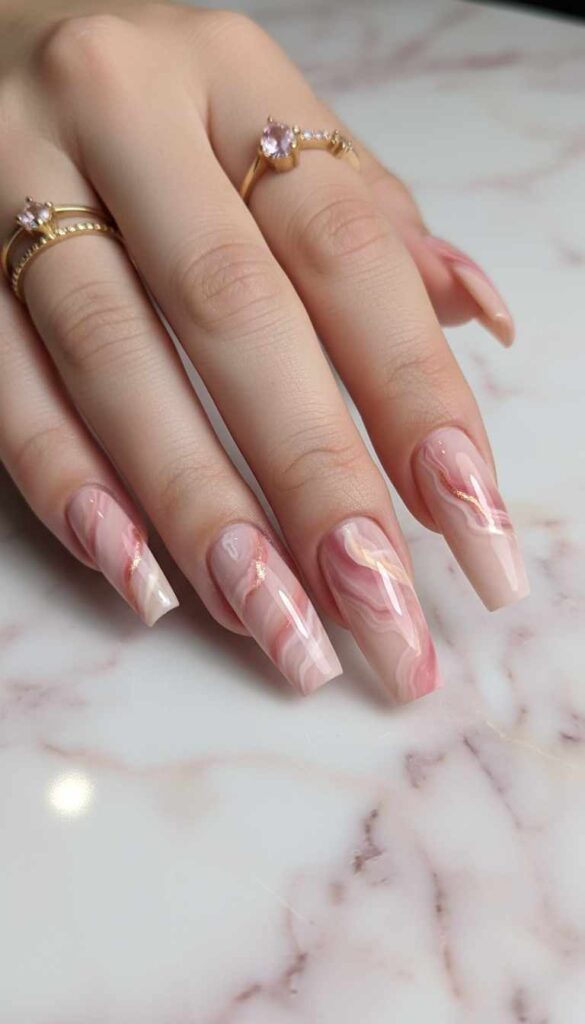
4. Pink Marble Swirl
Marble effect in multiple pink tones creates dimensional pink artistry.
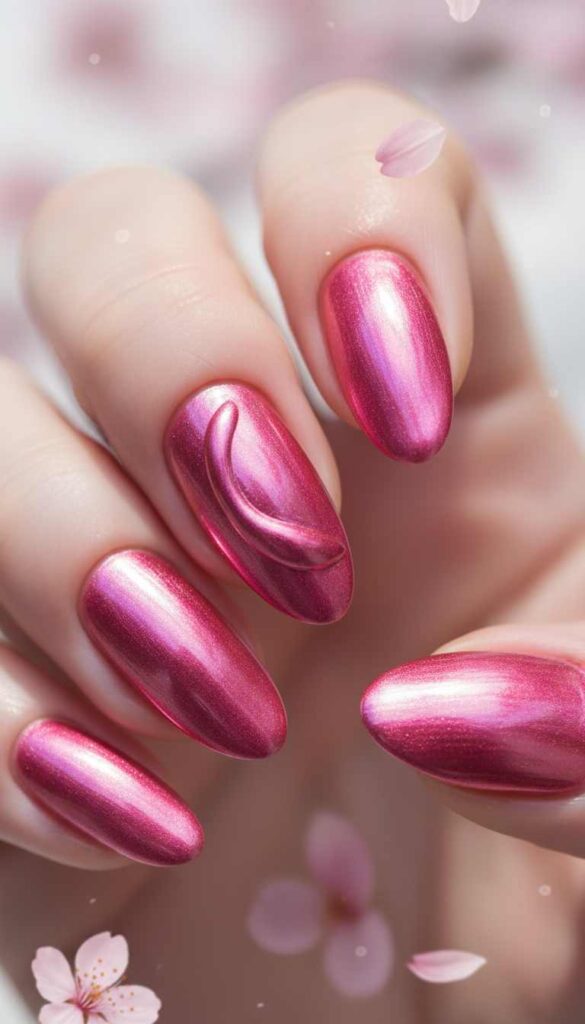
5. Fuchsia Chrome
Vibrant fuchsia with chrome finish creates futuristic metallic pink.
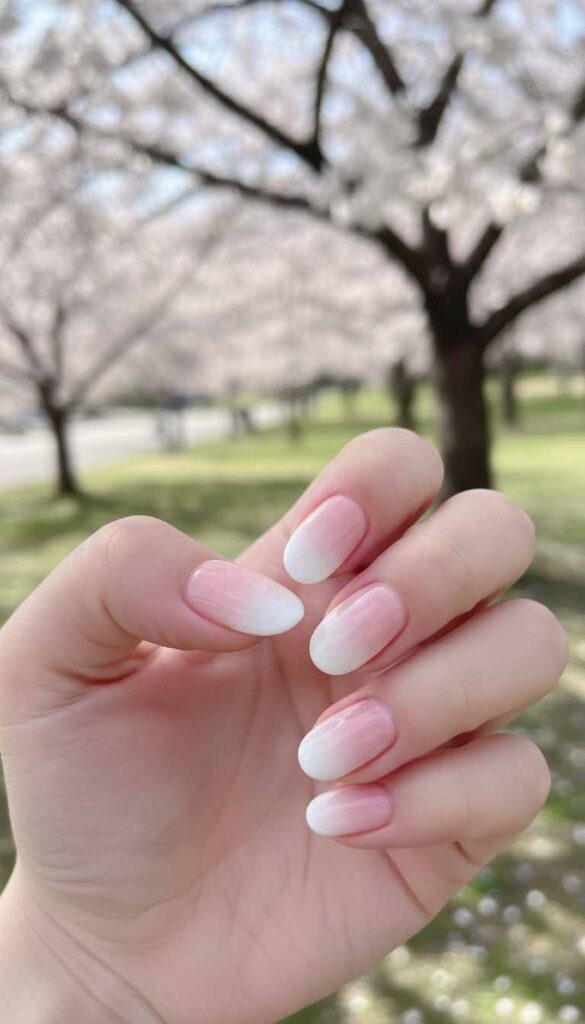
6. Soft Pink Gradient
Pale pink fading to white creates dreamy dimensional ombre.
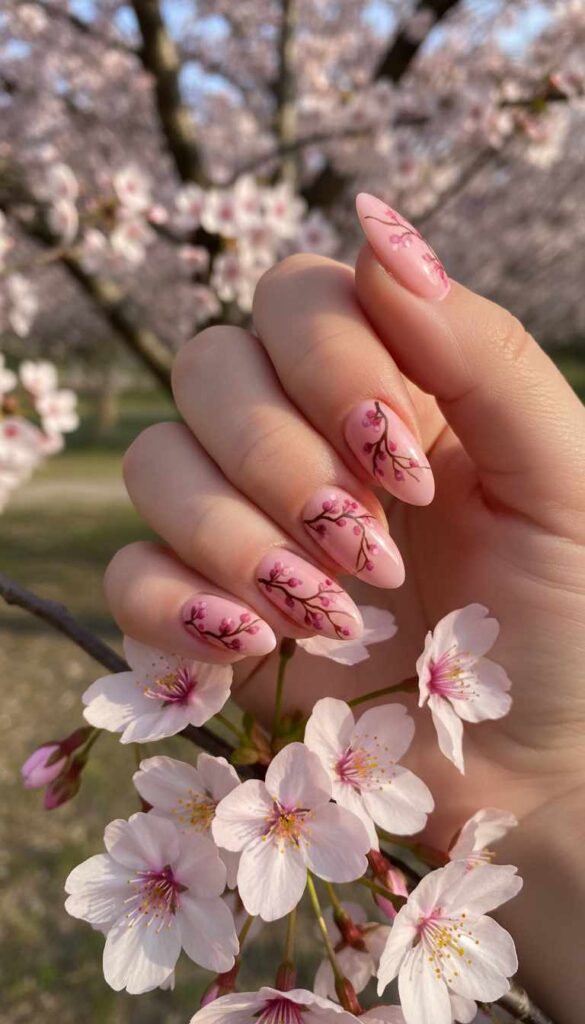
7. Cherry Blossom Art
Pink base with hand-painted cherry blossoms creates romantic botanical pink.
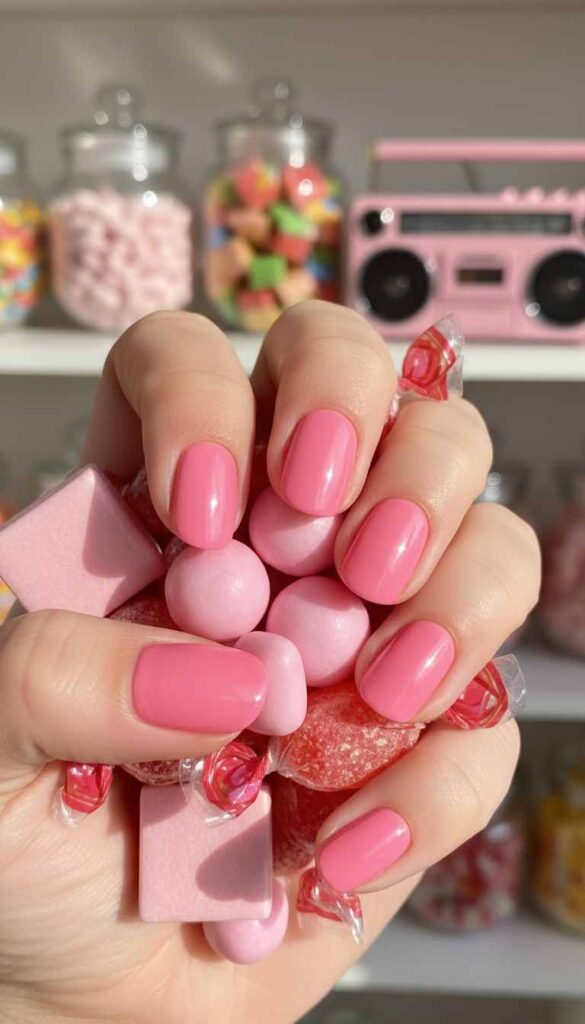
8. Bubblegum Pink Solid
Saturated bubblegum pink creates playful nostalgic pink statement.
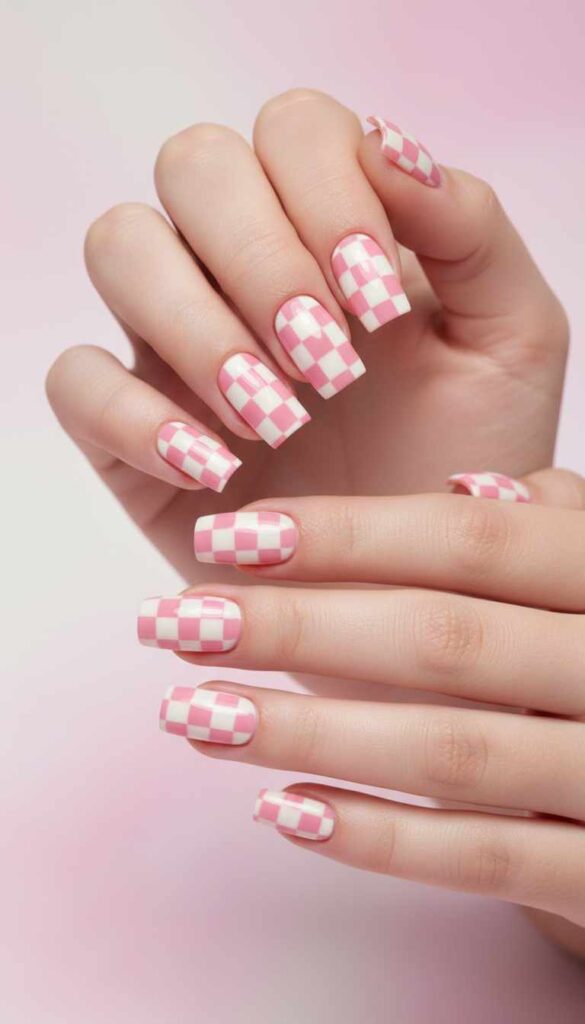
9. Pink and White Checkered
Classic pink and white checkerboard creates retro graphic pink pattern.
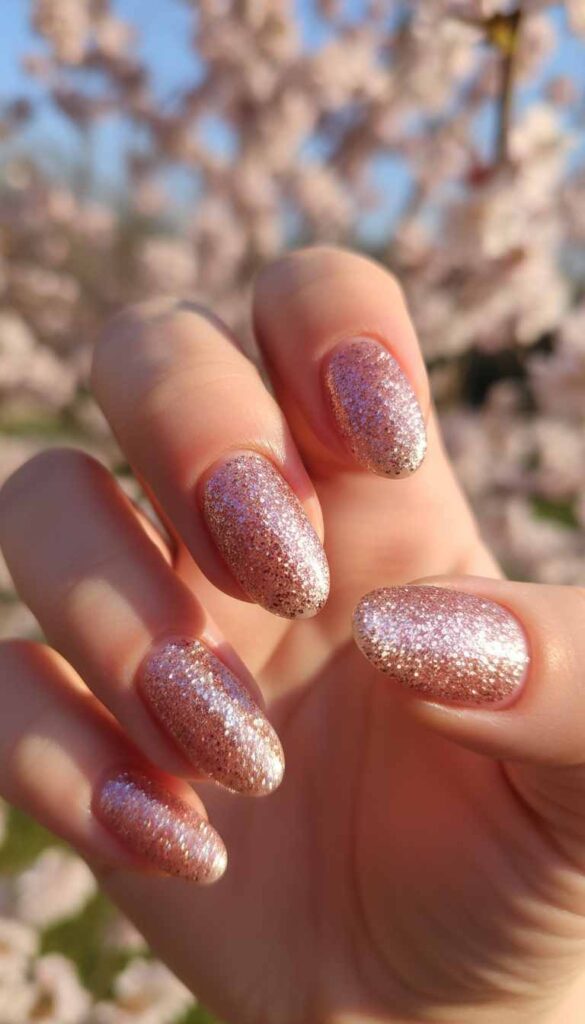
10. Rose Gold Shimmer
Pink with rose gold shimmer creates luxurious metallic dimensional pink.
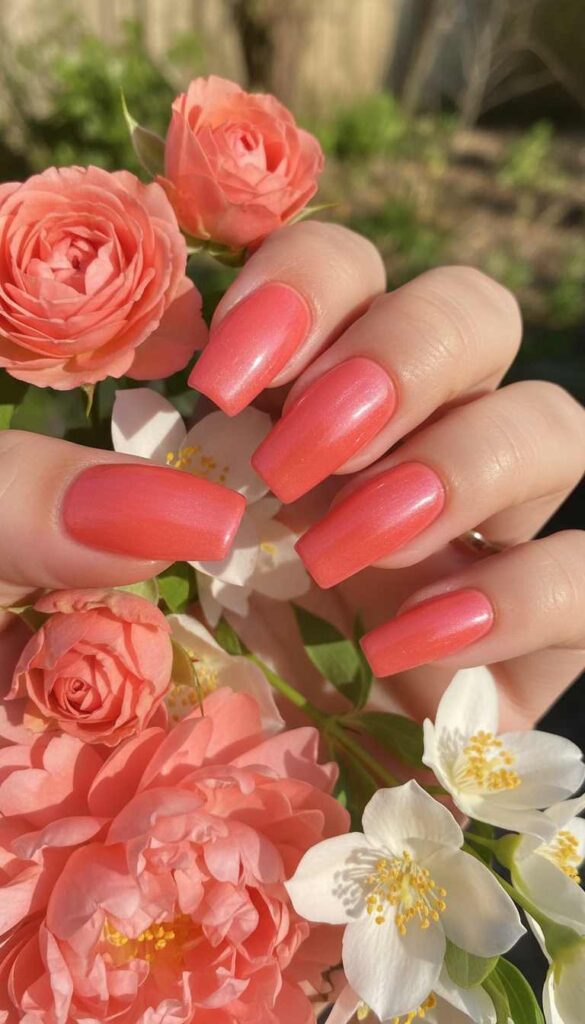
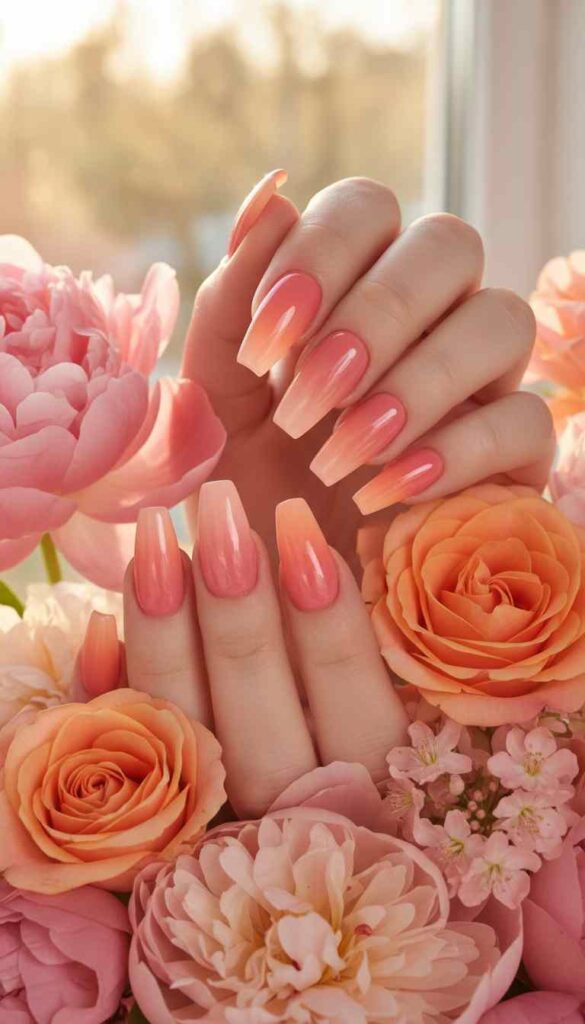
11. Coral Pink
Warm coral-pink blending orange undertones creates vibrant warm pink.
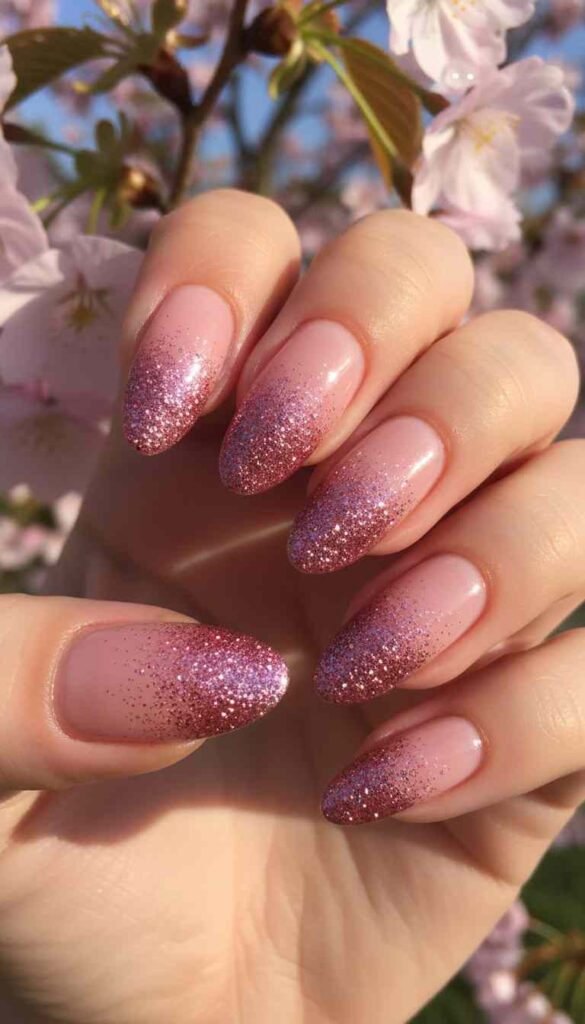
12. Pink Glitter Ombre
Pale pink base with pink glitter fade creates sparkly dimensional pink.
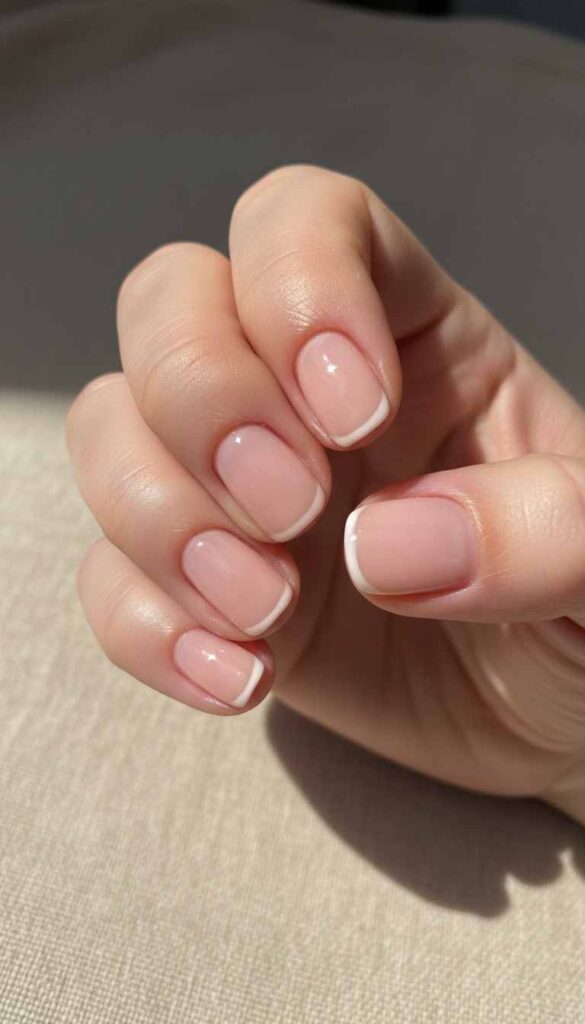
13. Nude Pink Natural
Barely-there nude pink creates enhanced natural pink elegance.
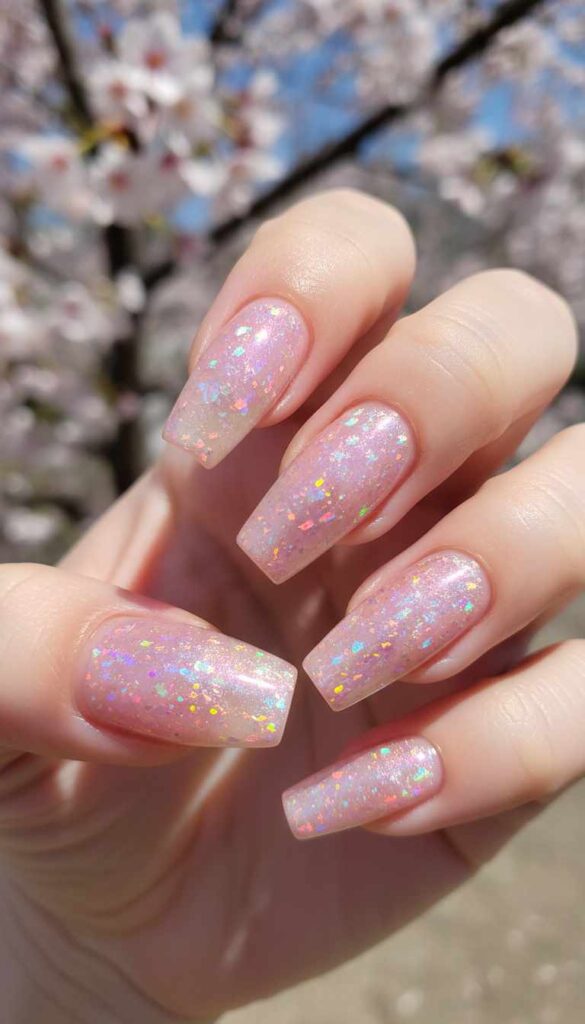
14. Pink Holographic
Clear pink base with holographic flakes creates magical shifting pink.
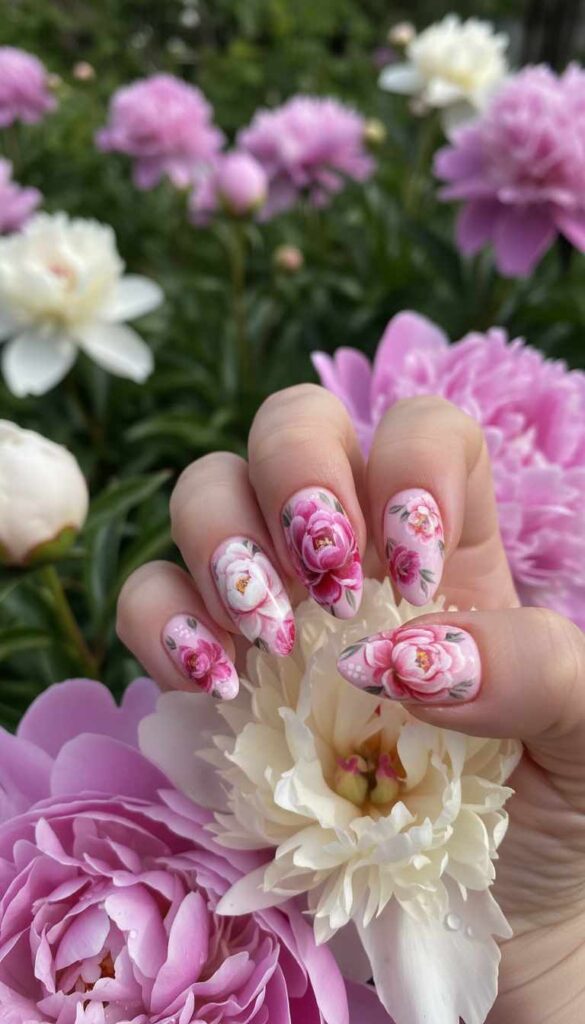
15. Peony Floral Art
Pink base with hand-painted peony flowers creates lush botanical pink.
16. Millennial Pink
True millennial pink creates modern sophisticated pink statement.
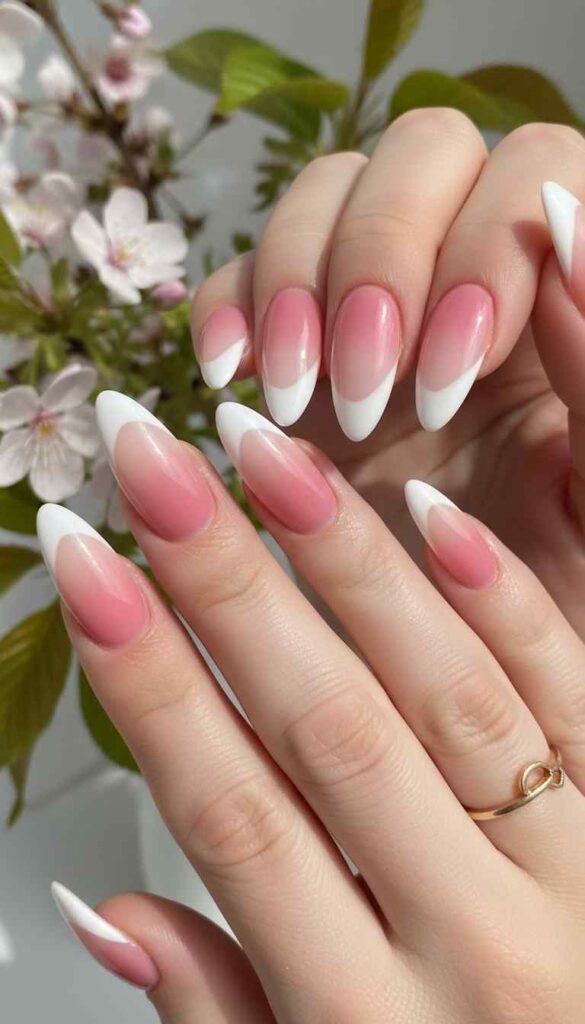
17. Pink French Fade
French tips fading from white to pink creates modern gradient French.
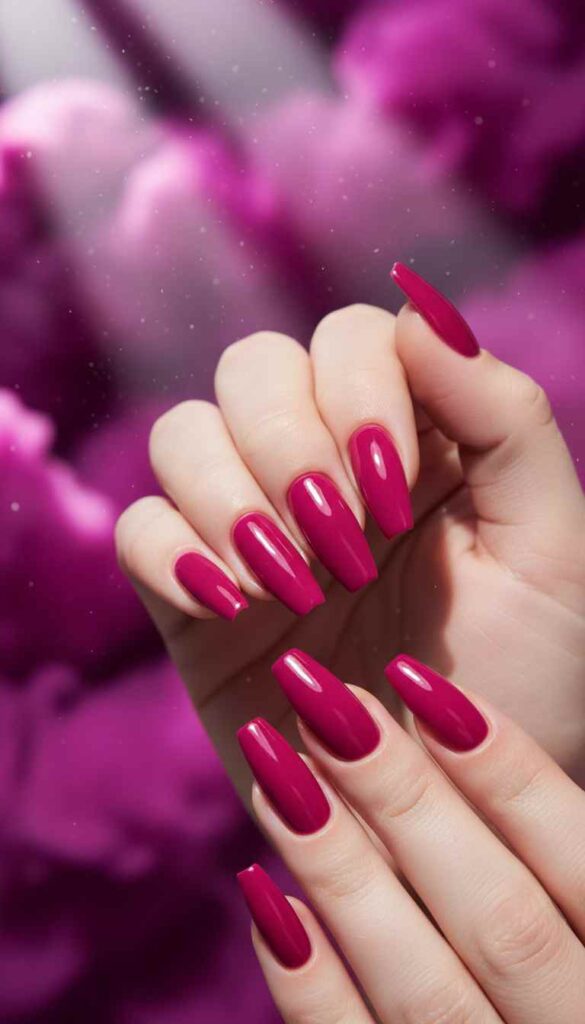
18. Magenta Bold
Deep saturated magenta creates bold dramatic pink statement.
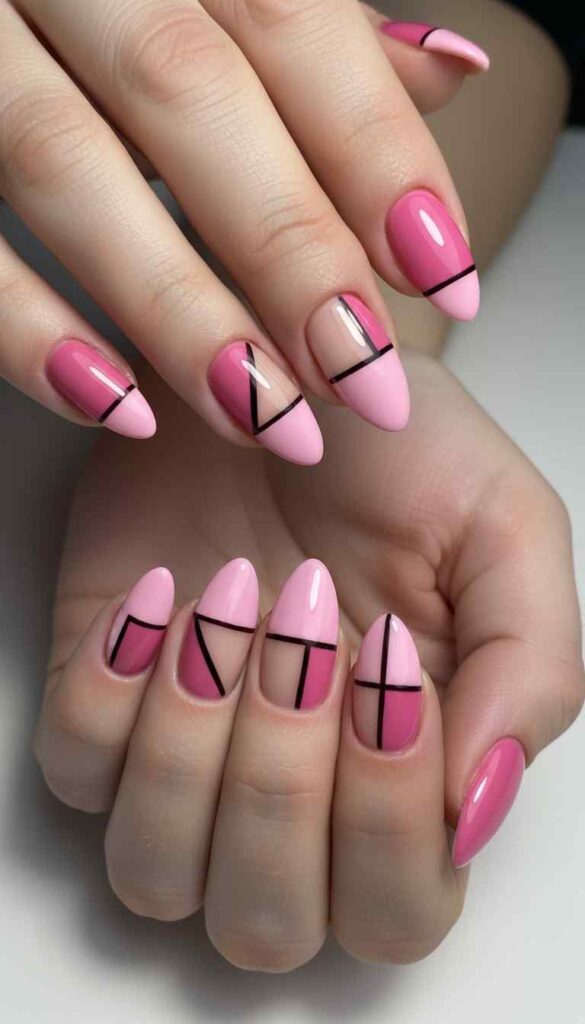
19. Pink Negative Space
Strategic pink sections with negative space creates modern artistic pink.
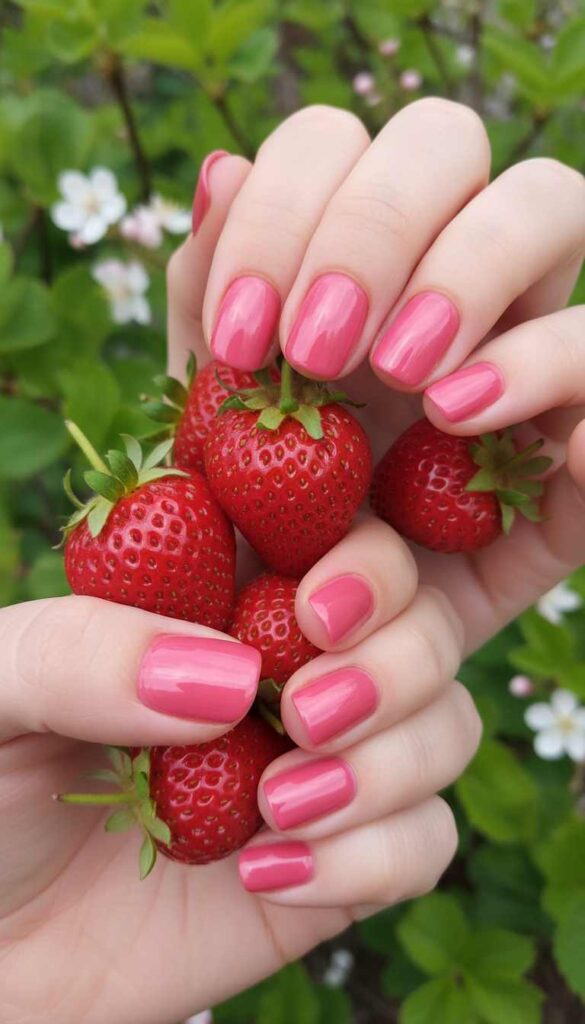
20. Strawberry Pink
Soft strawberry pink creates sweet fruity pink charm.
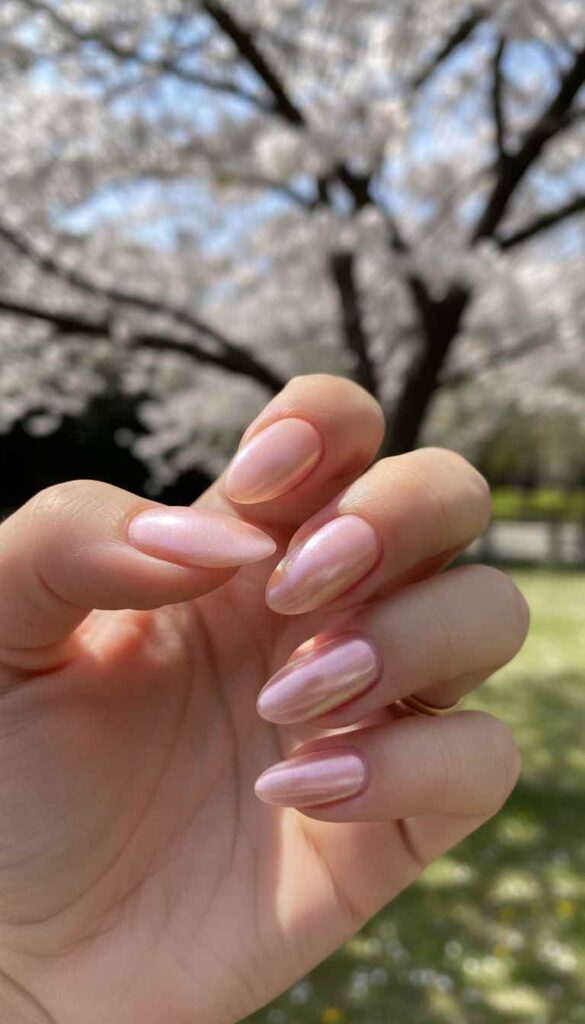
21. Pink Pearl
Pink with pearl shimmer creates elegant iridescent pink sophistication.
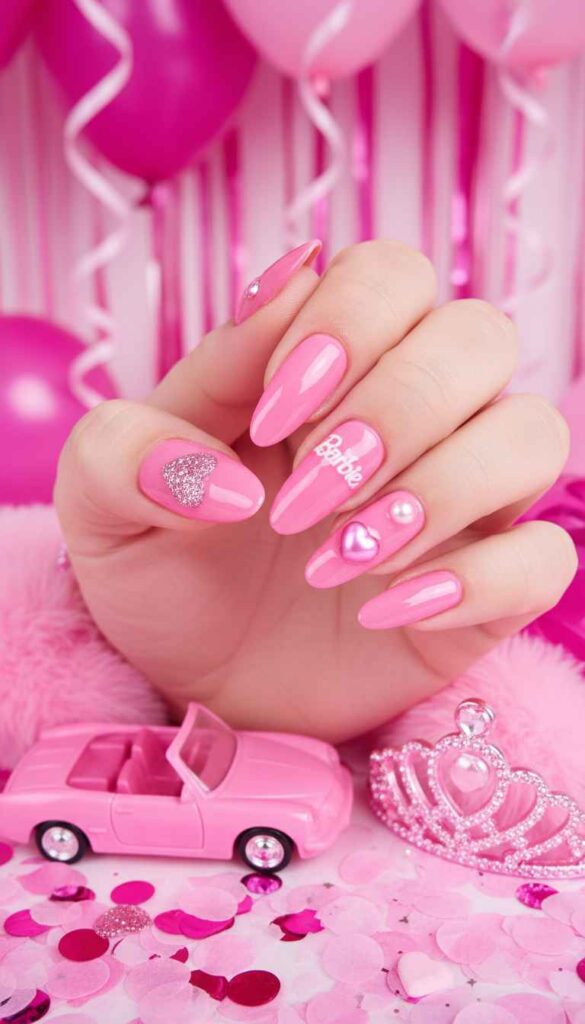
22. Barbie Pink
Vibrant Barbie pink creates iconic playful pink statement.
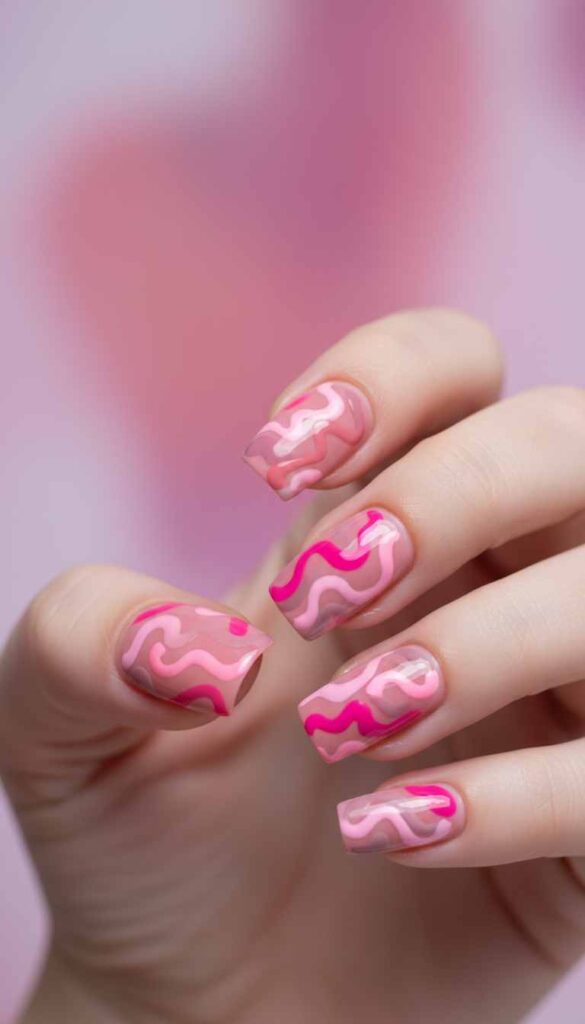
23. Pink Swirl Abstract
Abstract pink swirls in multiple tones creates artistic pink expression.
24. Salmon Pink
Warm salmon pink creates unique peachy pink sophistication.
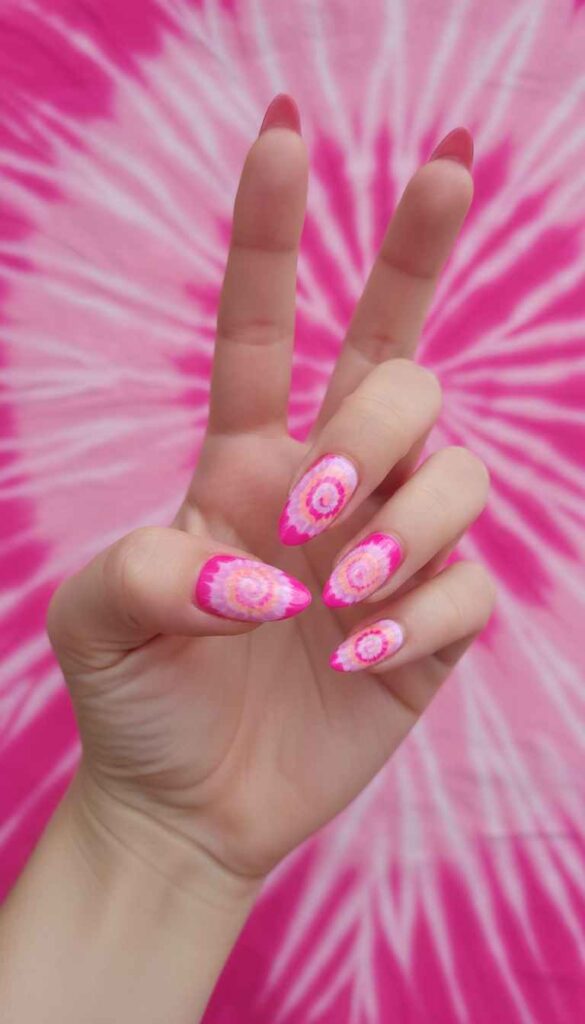
25. Pink Tie-Dye
Psychedelic pink tie-dye in multiple pink shades creates groovy retro pink.
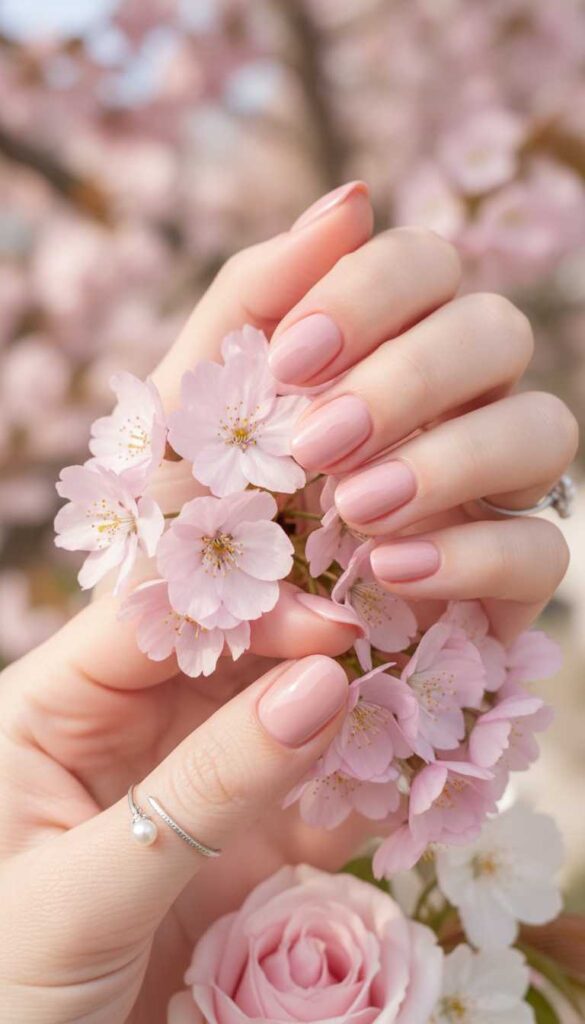
26. Blush Pink Subtle
Soft blush pink creates natural romantic pink elegance.
The Psychology of Pink
Pink carries complex psychological associations that make it far more interesting than simple “feminine” or “pretty” categorizations suggest. Color psychology research consistently shows pink creates feelings of calm, nurturing, and optimism in most viewers—but also that cultural conditioning heavily influences these responses. In Western culture, pink’s association with femininity runs deep, but in other cultural contexts, pink carries entirely different meanings.
For nail art specifically, choosing pink makes a statement about how you relate to femininity itself. Wearing traditional baby pink might suggest embrace of conventional femininity, while choosing electric hot pink often signals feminist reclamation—taking a color associated with traditional femininity and wearing it boldly, powerfully, unapologetically. Dusty vintage pinks suggest sophistication and rejection of pink’s “little girl” associations. Understanding these layered meanings helps you choose pinks that genuinely express your relationship with femininity rather than thoughtlessly accepting cultural defaults.
Spring 2026 specifically celebrates pink without apology or irony—it’s not pink presented as guilty pleasure or campy reference, but pink embraced genuinely for its beauty, versatility, and the particular joy it creates. This represents meaningful cultural shift toward accepting pink as legitimate aesthetic choice rather than coded message about girliness or frivolity.
The Pink Spectrum Explained
Pink isn’t one color but an entire spectrum, and understanding the distinctions helps you communicate effectively with nail technicians and choose pinks that genuinely suit your coloring and aesthetic. At pink’s palest extreme sits barely-there nude pinks—colors so subtle they read as natural nail enhancement rather than obvious polish. These serve different purposes than bolder pinks, creating polished natural appearance rather than color statement.
Moving toward saturation, we encounter the classic pastels—baby pink, powder pink, blush pink—that most people think of as “traditional” pink. These create sweet, romantic, feminine aesthetics that work beautifully for spring. Slightly deeper sit the rose and dusty pinks—more sophisticated shades with gray or beige undertones that suggest vintage elegance rather than youthful sweetness.
The warm pink family includes coral pinks with orange undertones, peachy pinks, and salmon shades that create very different effects than cool pinks. These warm options particularly flatter warm skin tones and create vibrant, energetic aesthetics. At pink’s boldest extreme sit the hot pinks, fuchsias, and magentas—saturated, attention-grabbing shades that make deliberate statements rather than subtle suggestions.
Pink and Skin Tone Harmony
Choosing pinks that harmonize with your specific skin tone creates the most flattering and polished results. While pink universally suits most people in some variation, certain pink families enhance specific skin tones more beautifully than others. Understanding these relationships helps you choose pinks that make your hands look their absolute best.
Warm skin tones (golden, peachy, or yellow undertones) glow in coral pinks, peachy pinks, and warm rose shades. These pinks’ orange or yellow undertones harmonize with skin’s warmth, creating luminous beauty. Cool pinks with blue undertones can create visual discord against warm skin, appearing slightly off or making hands look sallow.
Cool skin tones (pink, red, or blue undertones) are enhanced by cool pinks—baby pink, fuchsia, magenta, and blue-based rose shades. These create harmony with skin’s natural coolness, making hands appear more refined and elegant. Warm peachy pinks can clash with cool skin, appearing muddy or creating uncomfortable visual contrast.
Neutral skin tones (balanced warm and cool qualities) have the widest pink range and can wear virtually any pink beautifully. This versatility makes neutral-toned individuals ideal candidates for exploring pink’s full spectrum without concern about clashing undertones.
Pink in Different Finishes
Pink’s appearance changes dramatically based on finish choice, and understanding these variations helps you achieve specific aesthetic goals. Glossy pink—the most traditional finish—creates luminous depth and enhances pink’s romantic, feminine qualities. High-shine finishes make pale pinks more visible and vibrant pinks more intense, while adding that polished “just left the salon” appearance.
Matte pink transforms the color completely—softening bold pinks toward sophistication, making pale pinks more subtle and refined, and creating modern edge that glossy finishes cannot achieve. Matte particularly suits dusty roses, millennial pink, and other sophisticated pink variations where the finish reinforces the color’s contemporary character.
Chrome and metallic pink finishes create futuristic, fashion-forward aesthetics that work particularly well with bold pink base colors. Chrome turns hot pink into statement metallics, while rose gold shimmer adds luxury to medium pinks. Holographic finishes make any pink magical, creating color-shifting effects that photograph beautifully and catch spring light spectacularly.
Pink Nail Art Techniques
Certain nail art techniques showcase pink particularly beautifully because they leverage the color’s specific qualities. Gradient and ombre designs in pink create romantic dimensional effects—pink naturally suggests softness and femininity that gradient techniques enhance through their organic transitions. Monochromatic pink gradients (pale to deep pink) or pink-to-white fades create especially dreamy spring aesthetics.
Floral nail art reaches its pinnacle in pink palettes—pink flowers on pink backgrounds, pink blossoms on white or nude bases, or multi-tonal pink botanicals all create the romantic garden aesthetics that spring demands. Pink’s natural association with flowers makes these designs feel organic and appropriate rather than forced or cliché.
Geometric and graphic designs gain unexpected sophistication when executed in pink—the color’s soft associations balance geometry’s hardness, creating interesting visual tension. Pink checkerboards, color blocks, and abstract shapes all benefit from this contrast between soft color and strong form.
Seasonal Pink Appropriateness
While pink technically works year-round, certain pink families feel particularly season-appropriate in ways that create visual harmony with environment and cultural moment. Spring’s characteristic pinks lean toward pastels, soft roses, and vibrant coral tones—colors that mirror blooming flowers, sunrise and sunset light, and the general sense of fresh beginning that defines the season.
Summer typically sees pink shift toward brighter, more tropical variations—hot pinks, coral-oranges, and vibrant fuchsias that align with summer’s intensity. Autumn brings deeper, more muted pinks—dusty roses, mauve, and berry tones that harmonize with fall’s rich color palette. Winter often features pink in its boldest or most sophisticated forms—true red-pinks and elegant neutral-pinks that navigate holiday formality.
Understanding these seasonal associations helps you choose pinks that feel harmonious with the current moment rather than visually jarring. That said, personal preference always trumps seasonal conventions—if winter’s dusty rose speaks to you in May, wear it without apology.
Pink and Professional Contexts
Pink nails’ professional appropriateness varies significantly by industry, company culture, and specific pink choice. Conservative industries (law, finance, government) typically accept only the most subtle pinks—nude pinks and barely-there blushes that read as natural rather than obvious color choice. These contexts often have unwritten rules preferring neutrals over obvious color.
Business casual and creative professional environments generally welcome medium pinks—soft roses, millennial pink, and other sophisticated variations that project polish without dramatic flair. These pinks communicate feminine confidence without the edge that very bold pinks might project in more conservative contexts.
Creative industries, startup cultures, and customer-facing retail often embrace even the boldest pinks without professional penalty. Hot pink, neon fuchsia, and elaborate pink nail art all find acceptance in contexts valuing individual expression and creative confidence. Understanding your specific workplace culture helps you choose pinks that enhance rather than complicate professional credibility.
Pink Nail Photography
Pink photographs with specific characteristics worth understanding if you care about how your manicure appears in photos. Most pinks photograph beautifully in natural outdoor light—spring sunshine particularly enhances pink’s luminosity and shows its truest color. Indoor artificial lighting can shift pink’s appearance: warm incandescent creates peachy or orange casts, while fluorescent often adds unflattering gray or blue tones.
Very pale pinks can wash out in photographs, appearing nearly white unless photographed in optimal lighting or with slight color correction. Conversely, very bold pinks can oversaturate in bright light, appearing fluorescent or artificial even when they look beautiful in person. Understanding these photographic realities helps set expectations about how your pink manicure will appear in various photographic contexts.
Instagram and social media’s ubiquity means many people first encounter pink nail inspiration through highly edited photos that don’t accurately represent real-life appearance. Filters, color correction, and enhancement can make pinks appear more vivid, more perfectly even, or entirely different tones than reality produces. Using unedited photos or professional colorist portfolios as reference creates more realistic expectations about achievable results.
Celebrating Pink Excellence
These 26 pink nail designs demonstrate the extraordinary range this single color encompasses in spring 2026. From whisper-soft naturals through bold electric statements, from vintage dusty roses to futuristic chromes, pink offers genuinely limitless possibility for self-expression and aesthetic exploration.
The most important element in choosing your spring pink isn’t which specific shade or design you select, but ensuring your choice resonates with your authentic aesthetic and how you want to feel. Pink’s psychological and cultural complexity means your pink choice communicates something—make sure that something aligns with who you actually are rather than who you think you should be.