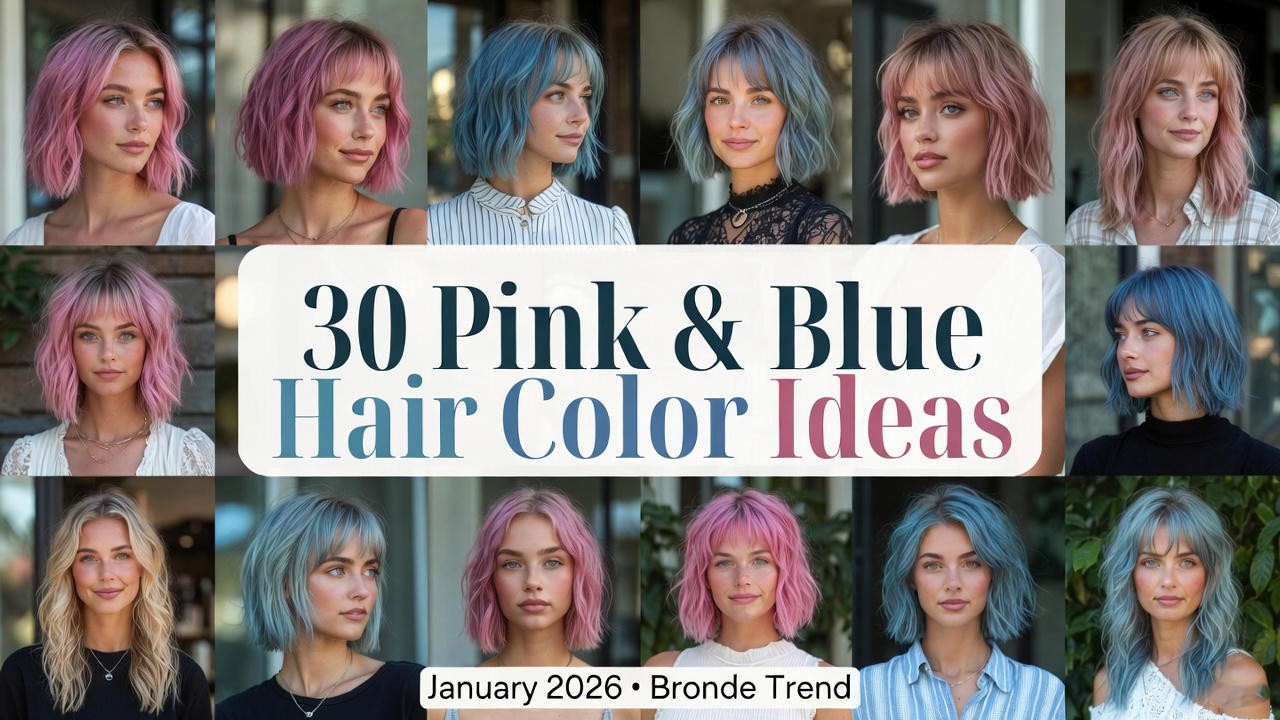
January 2026 hair color trends embrace unexpected combinations that challenge traditional seasonal boundaries. While winter typically calls for deeper tones, this year celebrates the beauty of pink and blue hues integrated into the increasingly popular bronde (brown-blonde) base. These aren’t your typical fashion colors—they’re sophisticated interpretations that work in professional settings while satisfying creative expression. From barely-there pastel ribbons to bold neon statements, from cool-toned dimensional blondes to warm brondes with surprising accents, these 30 color ideas prove that pink and blue can be elegant, wearable, and absolutely on-trend for 2026. Whether you’re ready for full color immersion or prefer subtle hints woven through natural-looking bronde, there’s an approach here that matches your courage level and lifestyle needs.
Soft Pink Integrations
1. Rose Gold Bronde
A warm bronde base with rose gold tones throughout creates subtle pink dimension. The color shifts from brown to blonde to soft rose depending on lighting.
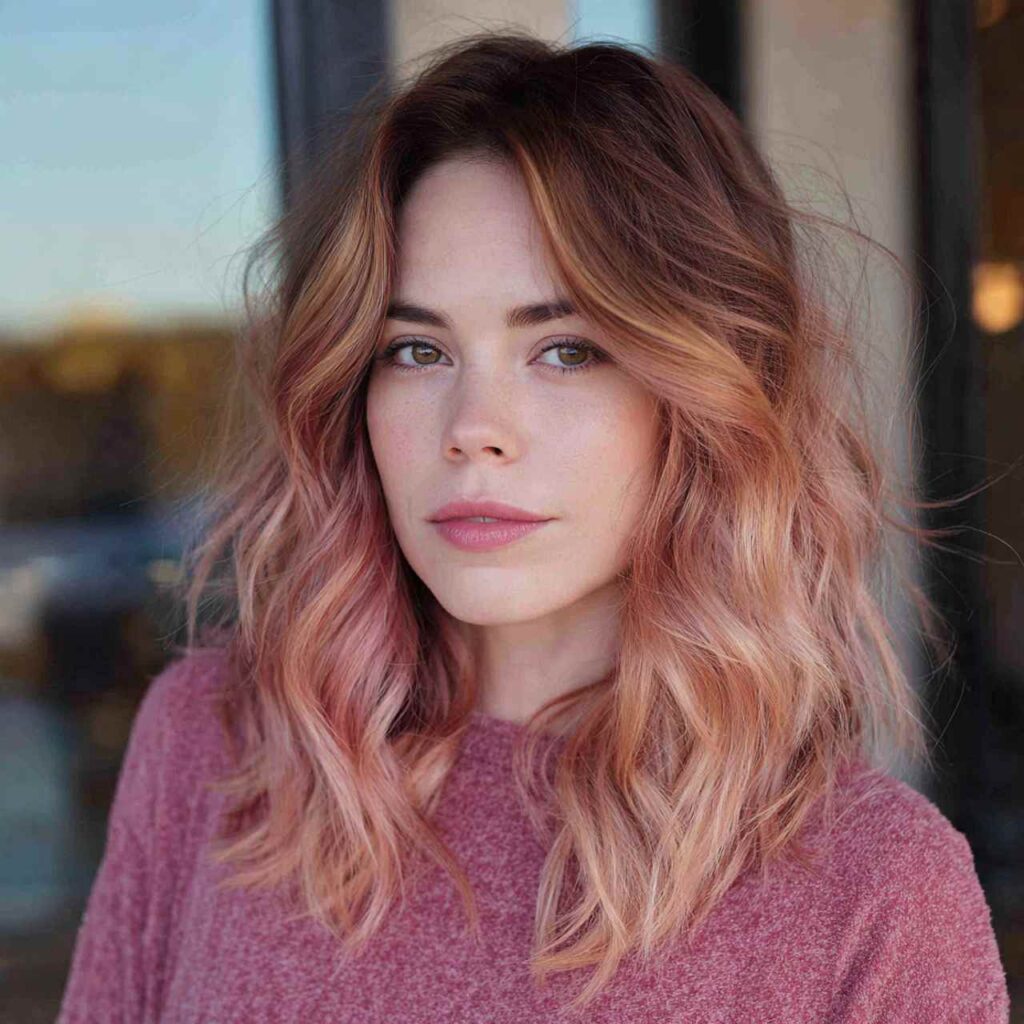
The Technique: Rose gold toner applied to lightened blonde sections creates the pink effect. The brown base grounds it. This color works especially well on naturally warm-toned hair.
Maintenance: Moderate—requires toning every 4-6 weeks to maintain pink tones. Purple shampoo helps preserve the color between appointments.
2. Champagne Pink Highlights
A neutral bronde with fine champagne pink highlights creates barely-there color that’s office-appropriate yet interesting.
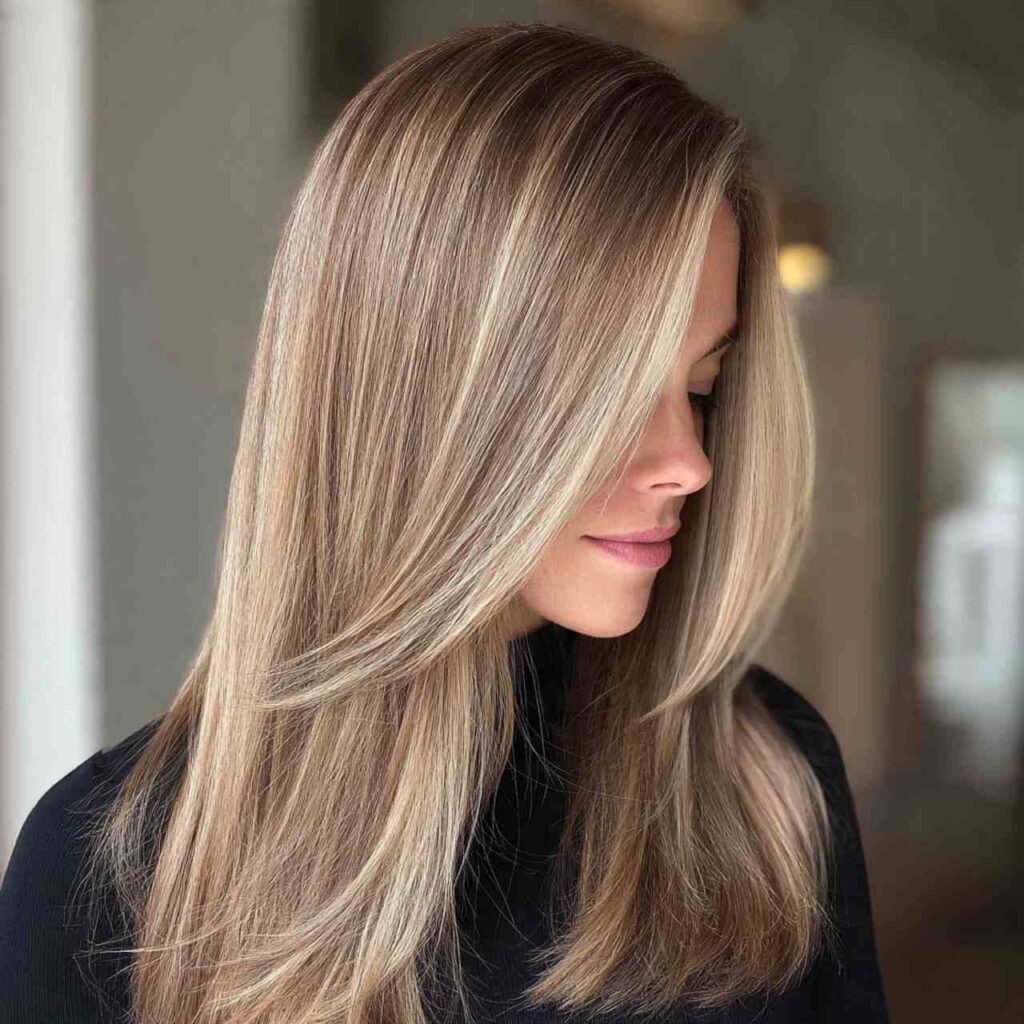
The Technique: Ultra-fine highlights lightened to pale blonde then toned with champagne pink. The subtlety is key—more pink would be too obvious.
Maintenance: Low to moderate—the lightness requires touch-ups every 8-10 weeks. The pink fades to soft champagne blonde gracefully.
3. Dusty Rose Lowlights
Deep bronde with dusty rose lowlights adds depth and unexpected dimension. The pink is muted and sophisticated.
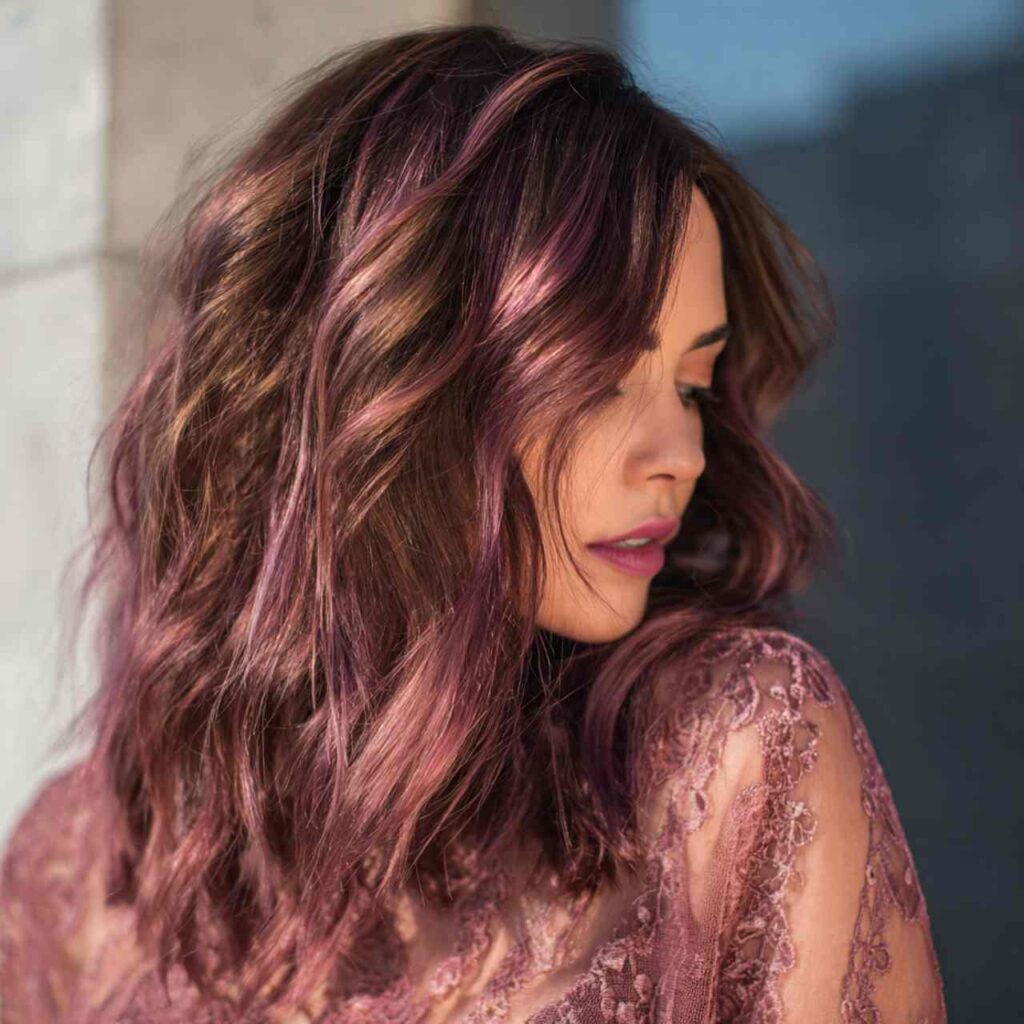
The Technique: Darker sections toned with dusty rose create shadow and dimension. The muted pink adds interest without brightness.
Maintenance: Low—as the color fades, it simply becomes deeper brown. Very forgiving and low-commitment.
4. Peach-Tinted Bronde
A warm bronde with peachy-pink undertones creates a sunset-inspired color. The result is feminine without being overly pink.

The Technique: Warm blonde tones mixed with coral-pink toner create the peach effect. Works beautifully on warm skin tones.
Maintenance: Moderate—peach tones fade relatively quickly. Plan for toning every 4-6 weeks to maintain the warmth.
5. Balayage with Pink Ends
A natural bronde balayage with color concentrated at the ends—starting soft and intensifying to pink tips.
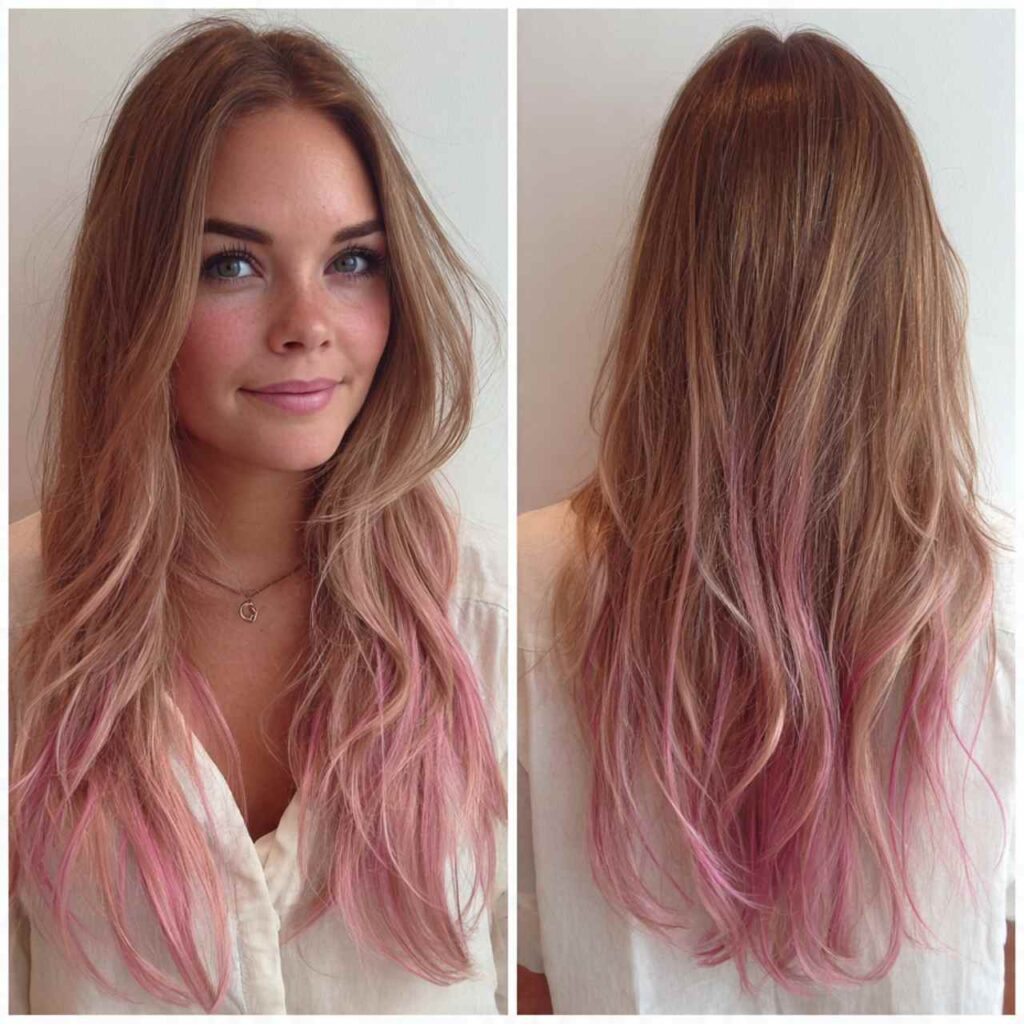
The Technique: Traditional balayage technique with pink applied to the lightest ends. The gradual transition creates modern dimension.
Maintenance: Moderate to high at ends—pink fades faster than natural tones. Consider this when planning between salon visits.
Bold Pink Statements
6. Hot Pink Money Piece
Face-framing sections in vibrant hot pink against a natural bronde base creates bold contrast.
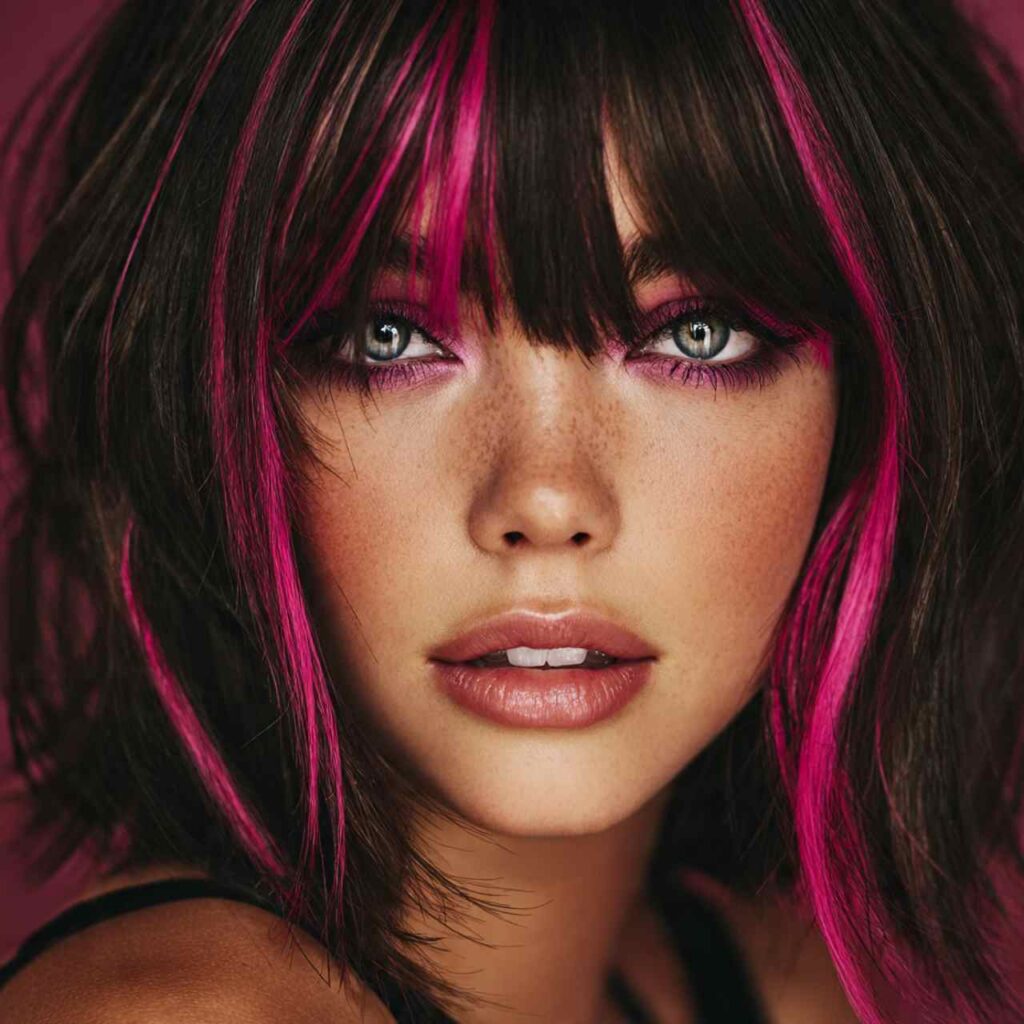
The Technique: The “money piece” focuses color at the front hairline only. Maximum impact with minimal overall lightening.
Maintenance: High—bright pink requires frequent toning and careful color preservation to prevent fading.
7. Magenta Ribbons
Thin magenta ribbons throughout bronde hair create edgy dimension without full coverage.
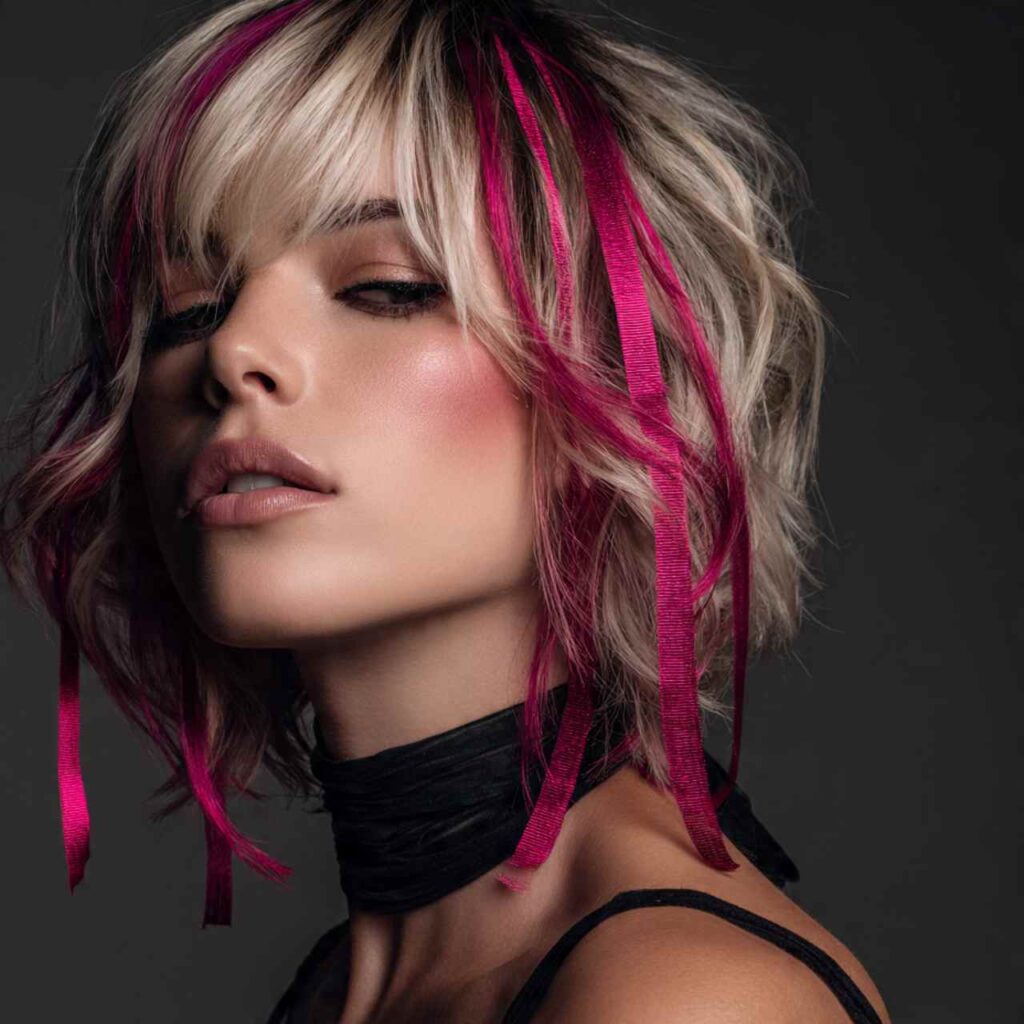
The Technique: Ultra-thin sections lightened and toned magenta. The ribbons are strategically placed for maximum visibility.
Maintenance: High—bright fashion colors fade quickly. Budget for monthly salon visits.
8. Cotton Candy Pink Overlay
Pale cotton candy pink applied over blonde sections in a bronde base creates dreamy softness.
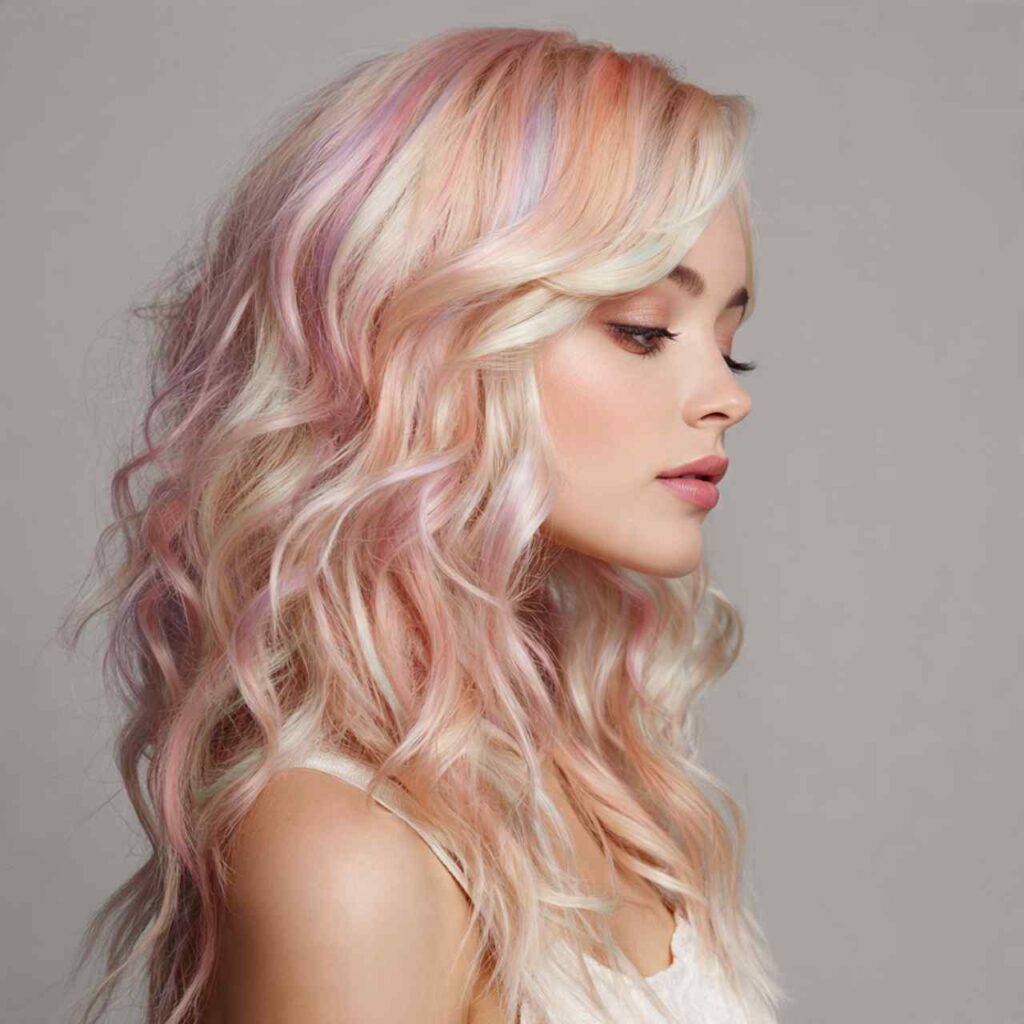
The Technique: Blonde highlights toned with diluted pink—the sheerness is what makes it wearable. Too much saturation would be costume-like.
Maintenance: Moderate—pastel pinks fade to blonde, which is still pretty. Refreshing is easier than starting over.
9. Pink Balayage Frame
Bronde hair with pink balayage concentrated around the face creates dimensional framing.
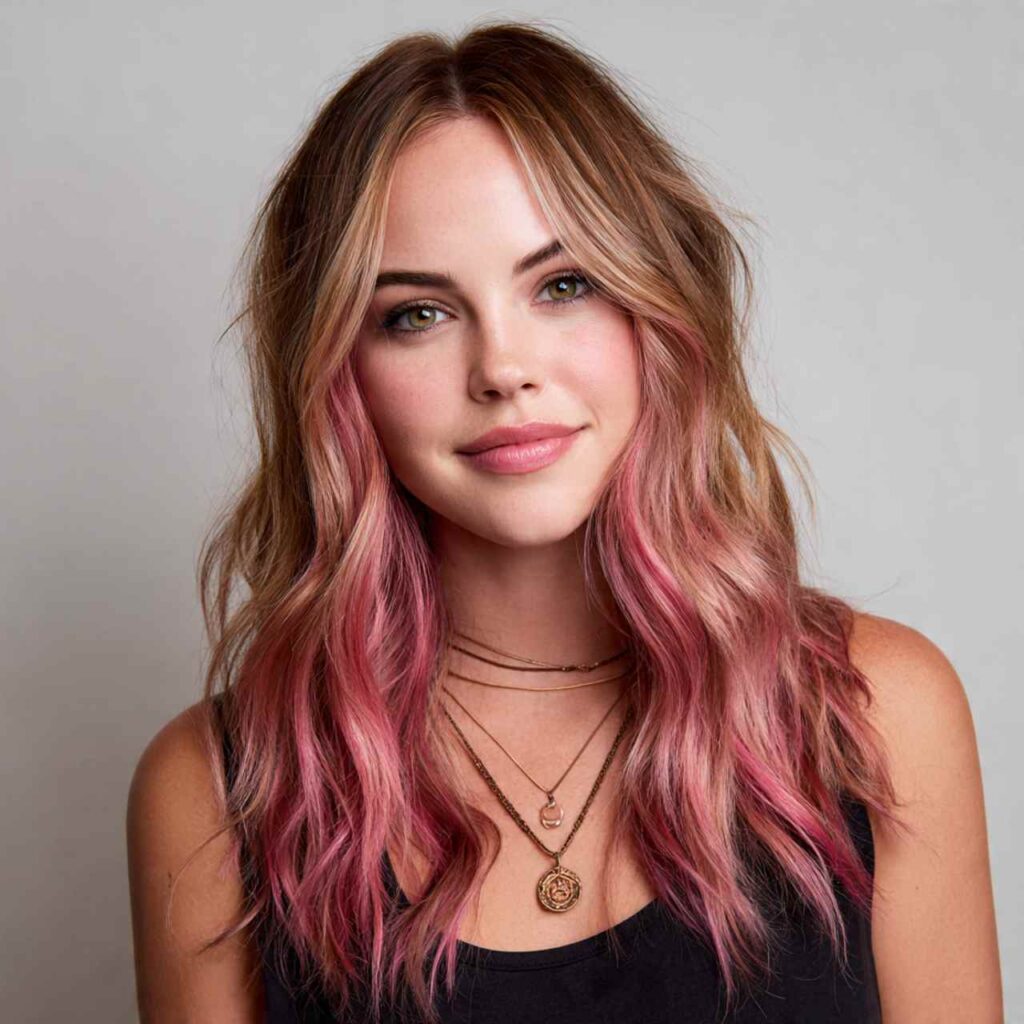
The Technique: Balayage application focused on face-framing pieces, creating a halo effect of pink.
Maintenance: Moderate to high—visible pink at face requires more frequent maintenance than hidden color.
10. Burgundy-Pink Depth
Deep burgundy-pink tones in the underlayers of bronde hair create hidden dimension.
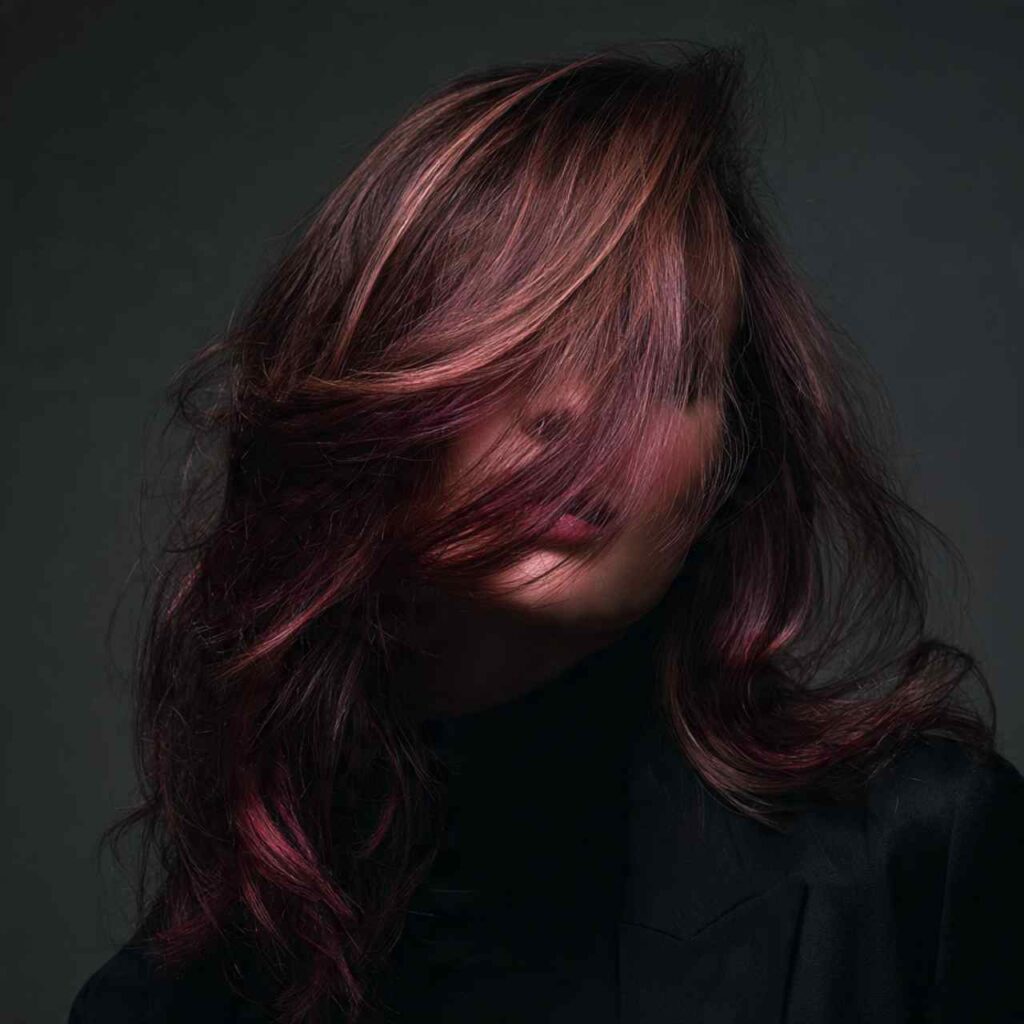
The Technique: Deeper pink applied to bottom layers—visible when hair moves or is styled up. Professional by day, fun when revealed.
Maintenance: Low to moderate—deeper pinks last longer than pastels and are less visible when faded.
Cool Blue Variations
11. Ice Blue Highlights
Cool-toned bronde with icy blue highlights creates futuristic dimension.
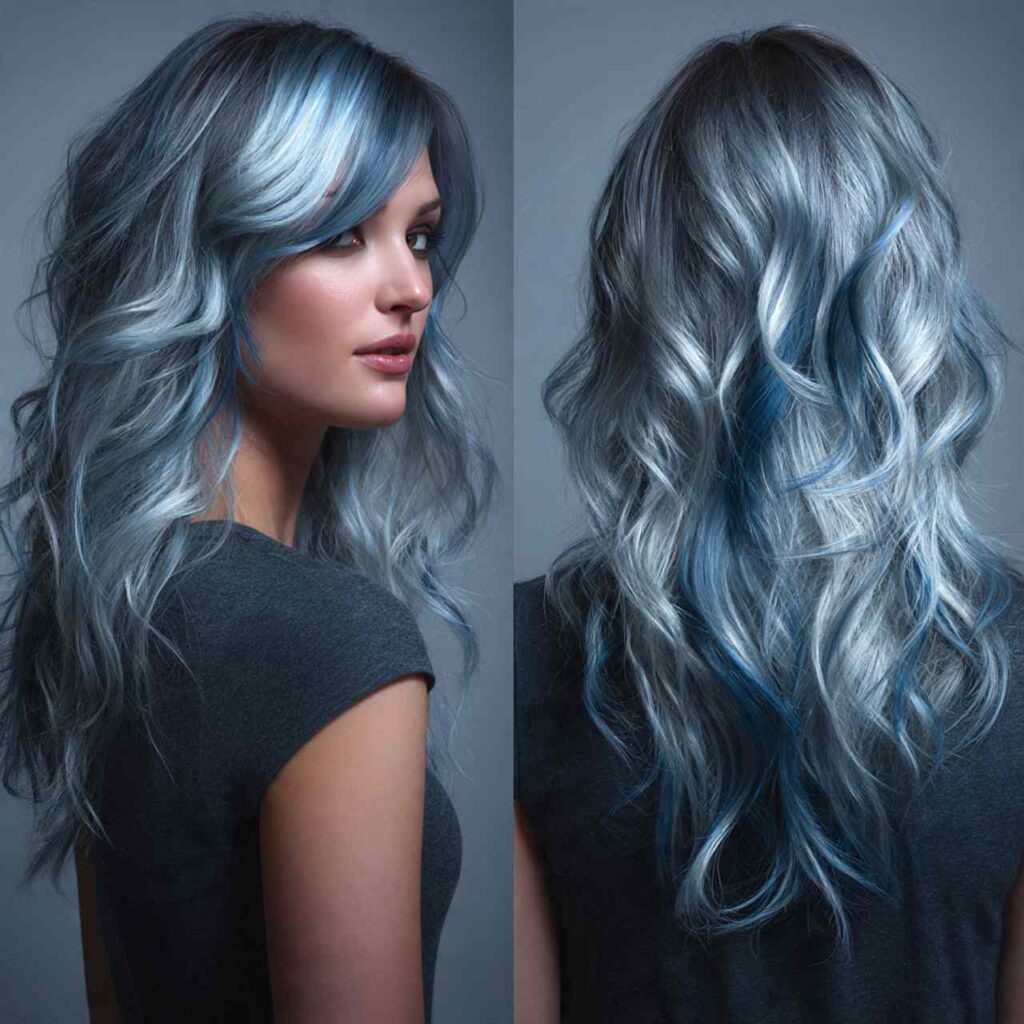
The Technique: Blonde highlights toned with blue-based toners create the icy effect. Requires very pale blonde base.
Maintenance: Moderate to high—blue tones fade to silver which is still attractive but different from the initial color.
12. Navy Lowlights
Deep navy blue lowlights in dark bronde create subtle depth and unexpected dimension.
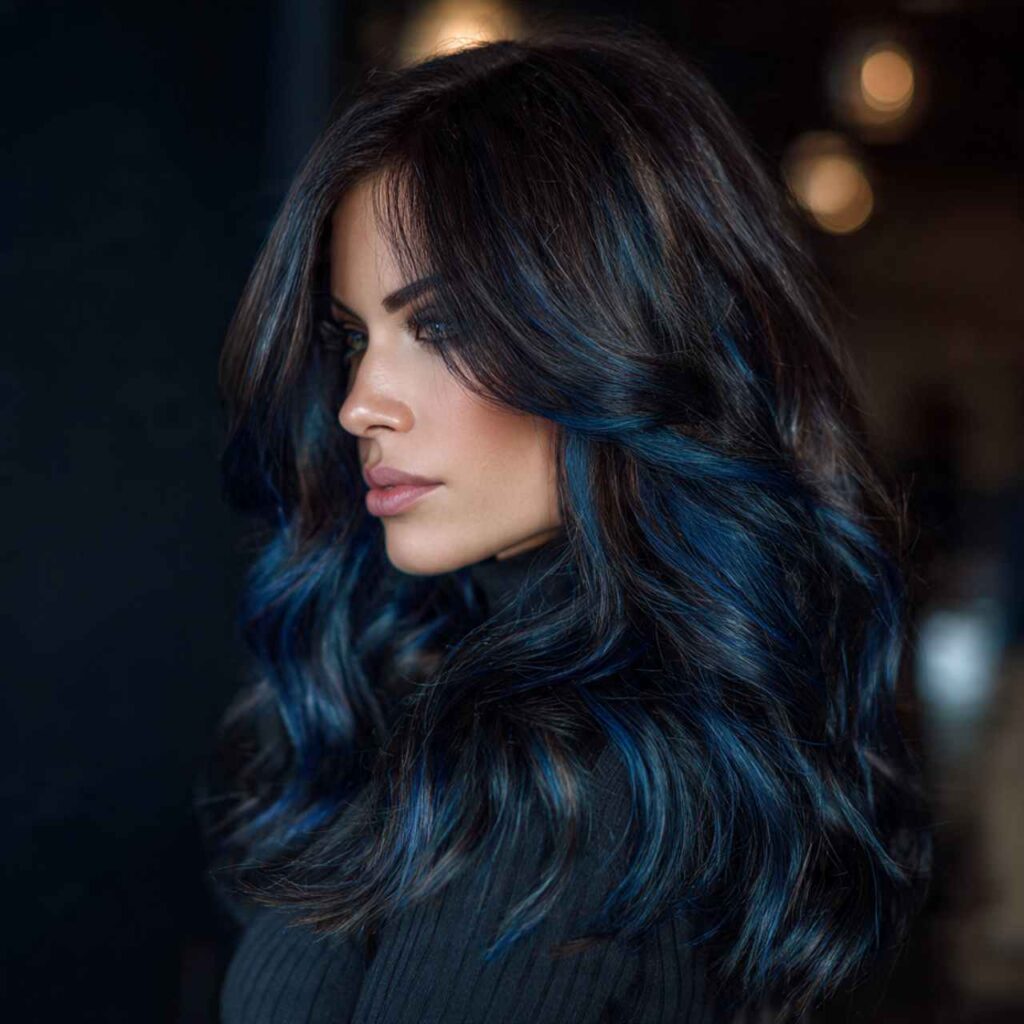
The Technique: Darker sections toned with navy blue. The depth is more noticeable than the blue itself unless in direct light.
Maintenance: Low—as navy fades, it becomes dark brown. Very forgiving and low-maintenance.
13. Teal Undertones
Ash bronde with subtle teal undertones creates mermaid-inspired sophistication.
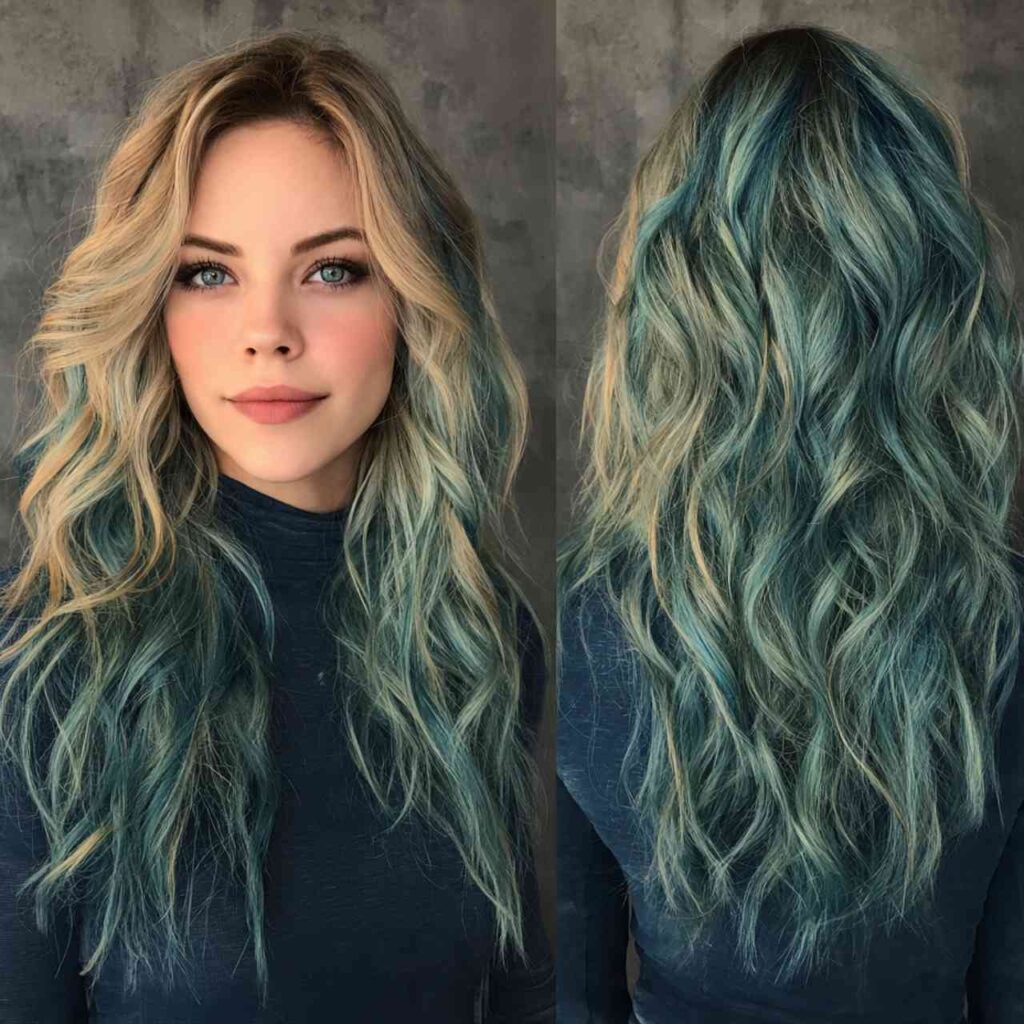
The Technique: Cool-toned bronde with green-blue toner creates the teal effect. Requires understanding of color theory to execute properly.
Maintenance: Moderate—teal fades to ash blonde or greenish tones. Requires color correction if green develops.
14. Denim Blue Balayage
Soft denim blue balayage over bronde base creates jeans-inspired color.
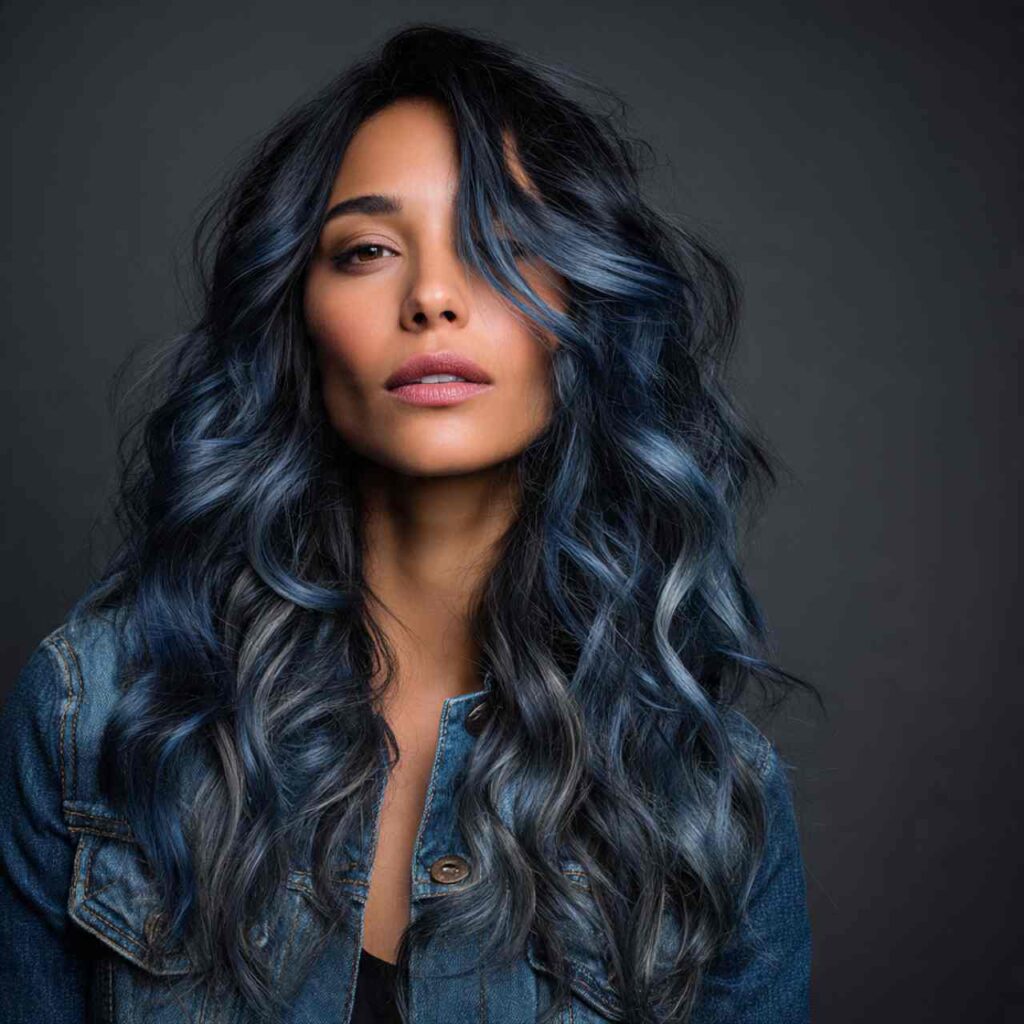
The Technique: Balayage application with blue-grey toner. The denim shade is more wearable than bright blue.
Maintenance: Moderate—denim blue fades to silver-grey which remains attractive but changes the look.
15. Cobalt Streaks
Bright cobalt blue face-framing streaks against bronde create bold artistic contrast.
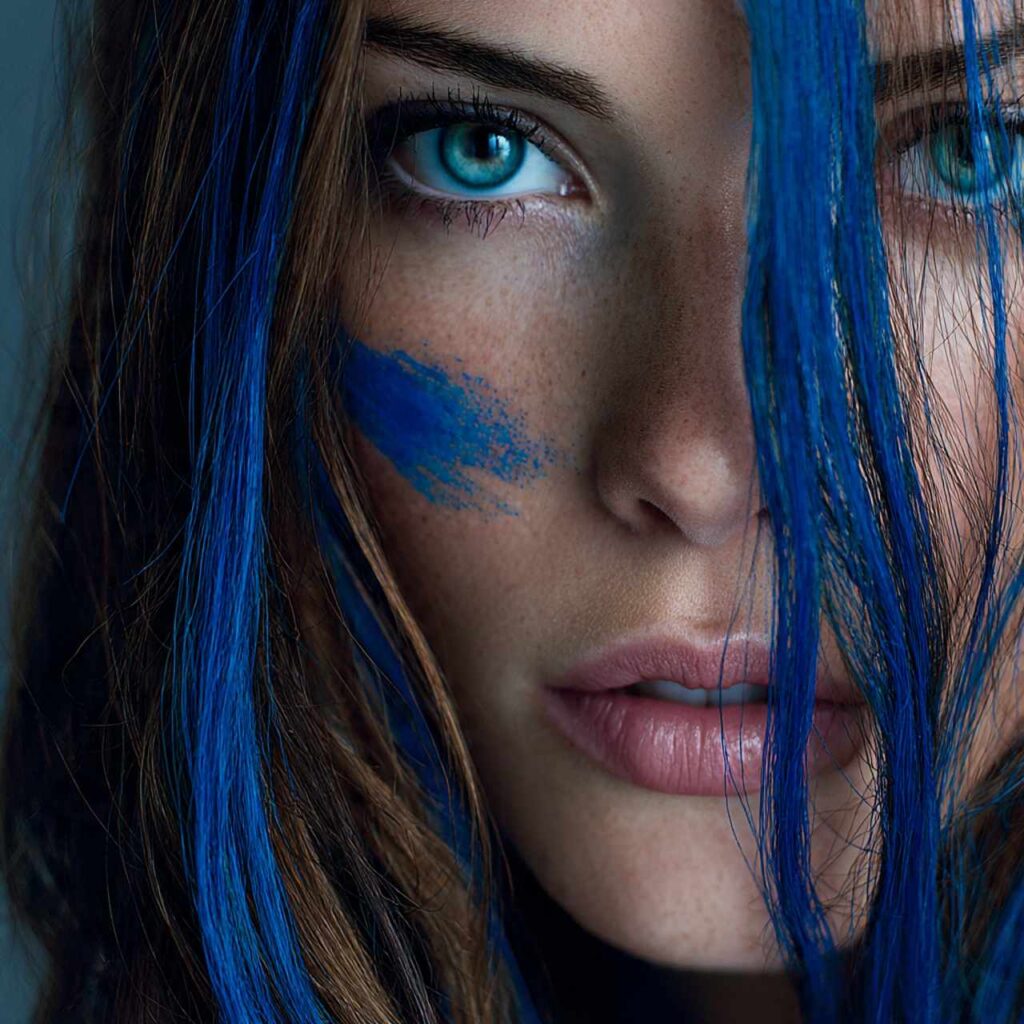
The Technique: Front sections lightened to pale blonde then toned bright blue. Similar to money piece but in blue.
Maintenance: High—vibrant blues fade faster than most colors. Requires dedicated color care routine.
Pink and Blue Combinations
16. Pink and Blue Balayage Mix
Bronde base with both pink and blue balayage creates sunset-meets-ocean dimension.
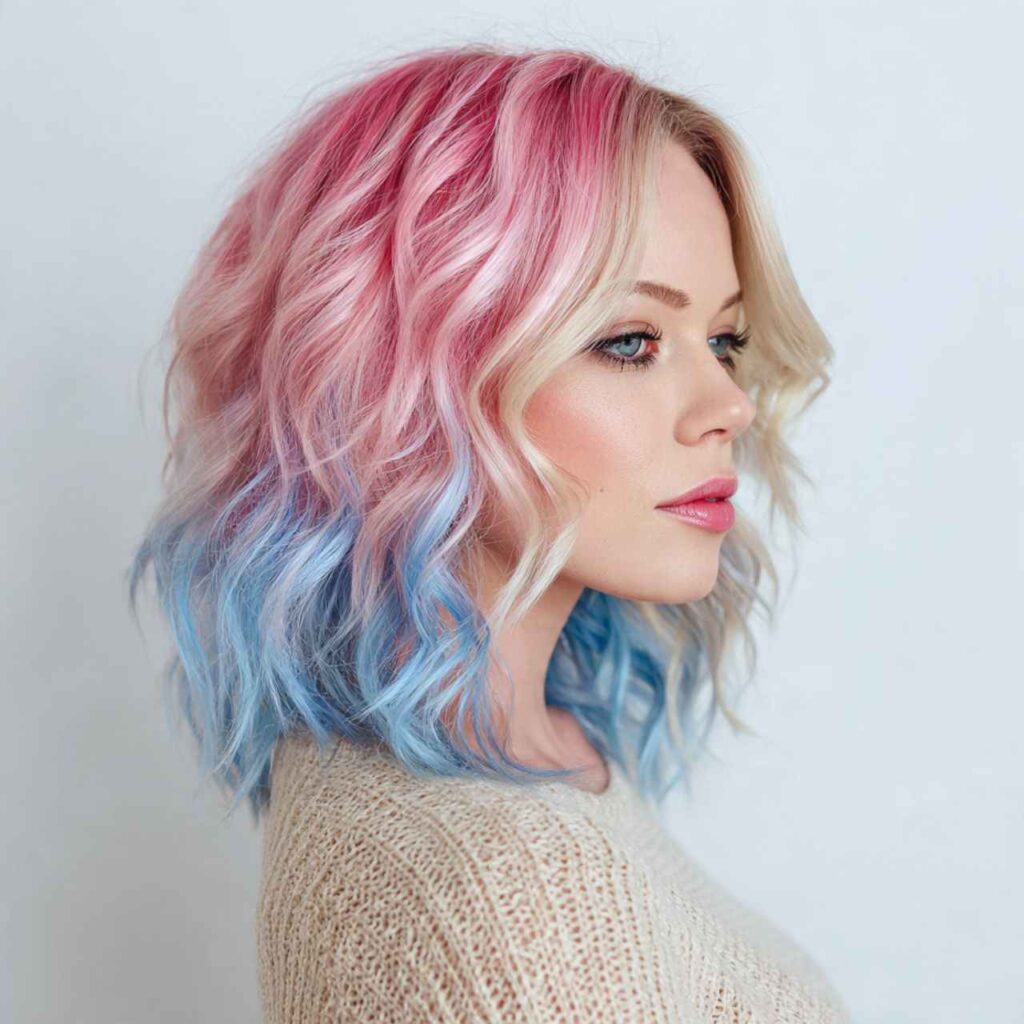
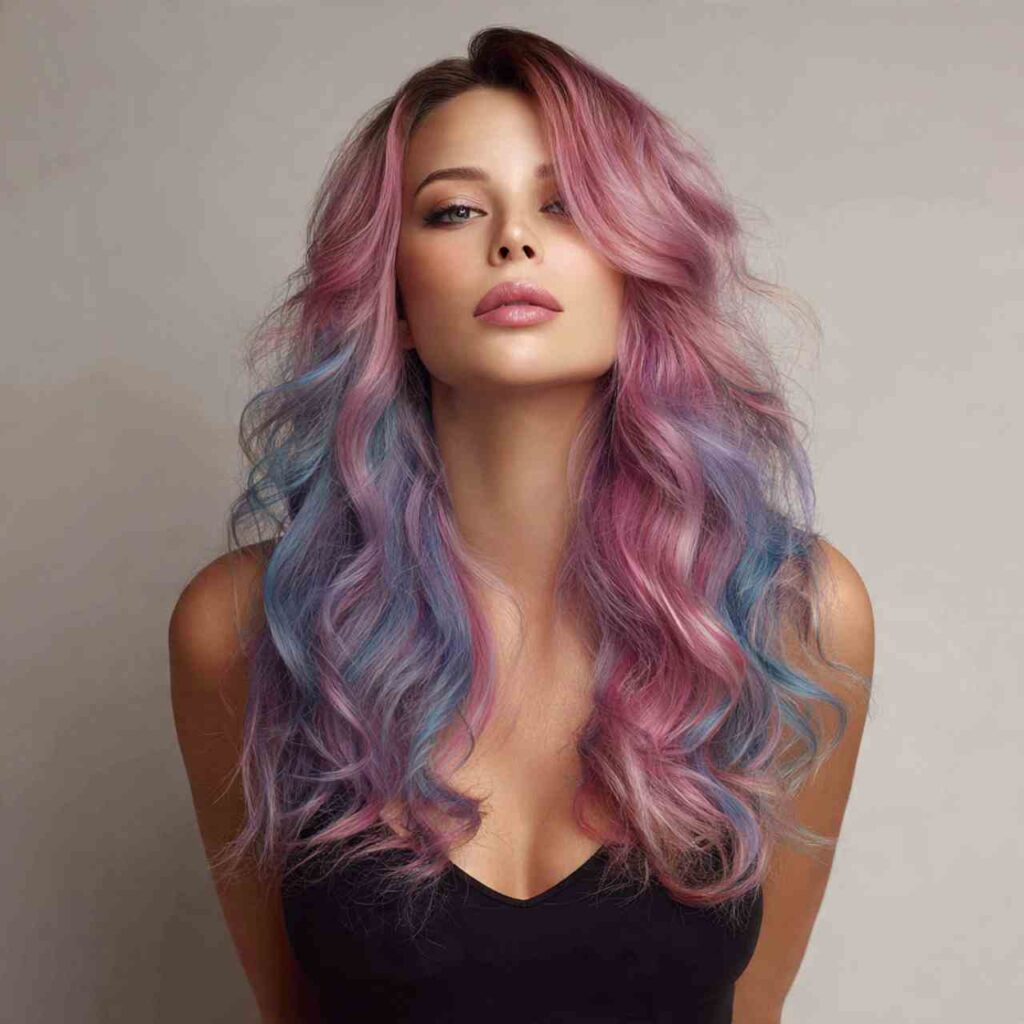
The Technique: Strategic placement of both colors—blues typically cooler areas, pinks warmer. Requires artistic eye for placement.
Maintenance: High—managing two fashion colors requires commitment and expertise.
17. Pastel Pink and Blue Ribbons
Alternating pastel pink and blue ribbons throughout bronde creates unicorn-inspired sophistication.
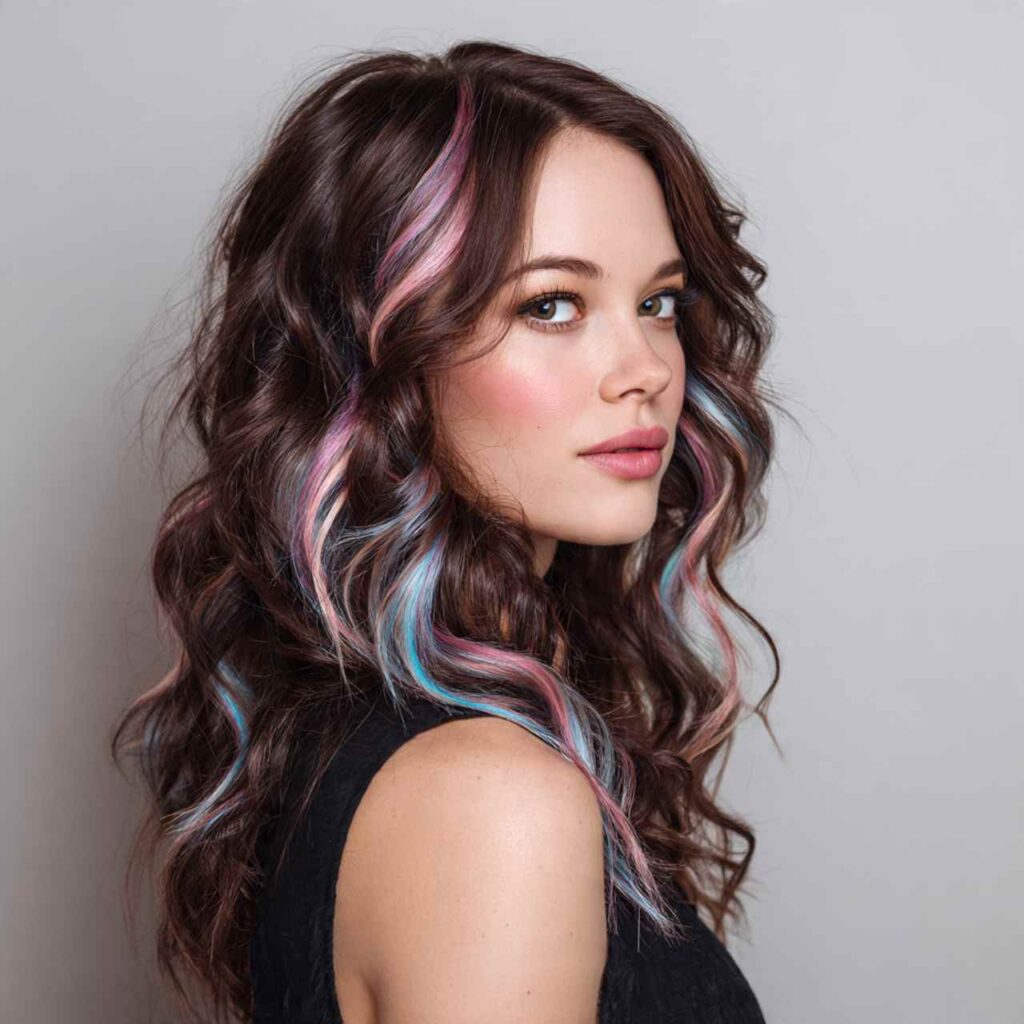
The Technique: Ultra-thin alternating sections of each color. The pastel intensity keeps it wearable despite dual colors.
Maintenance: High—pastel fashion colors require frequent maintenance and special care products.
18. Blue Roots, Pink Ends
A bronde base with blue-toned roots transitioning to pink ends creates ombré fantasy.
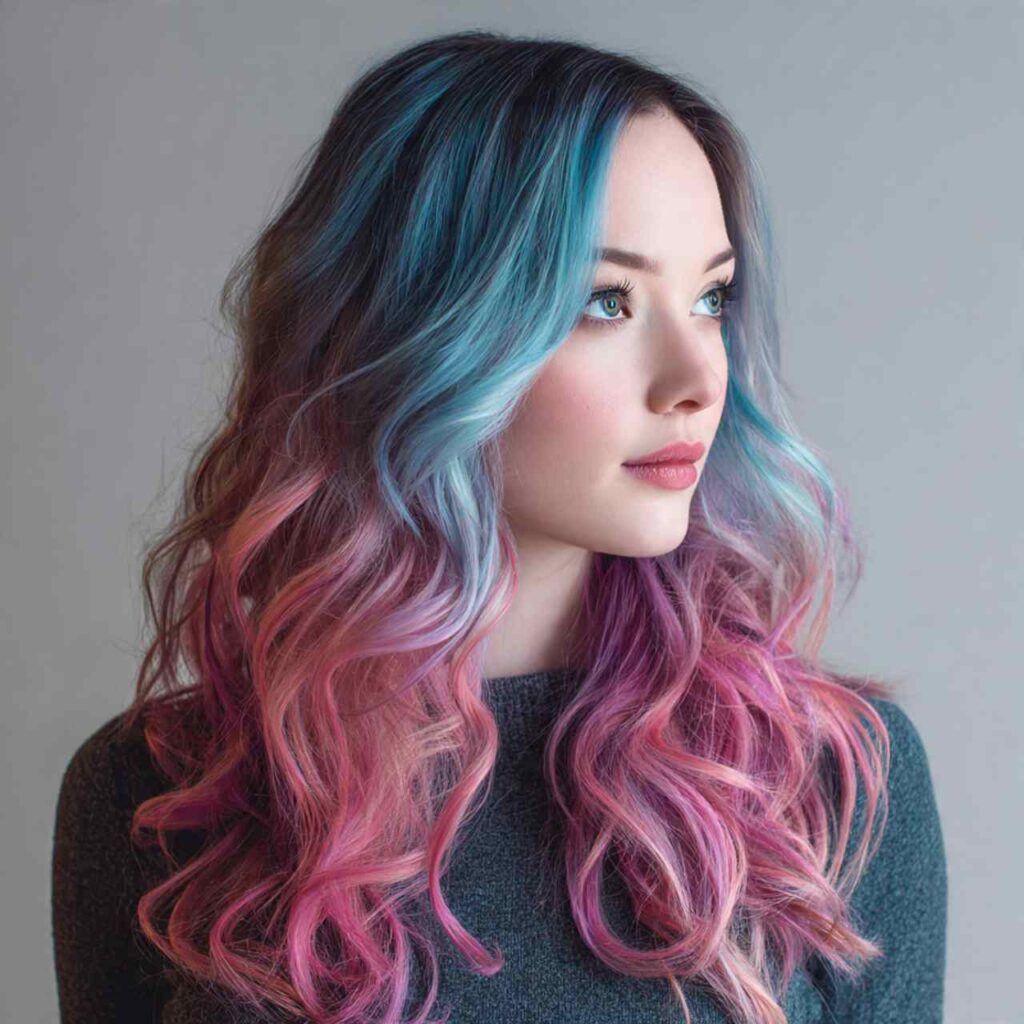
The Technique: Complex color application requiring expertise in toning and placement. The transition through bronde is what makes it wearable.
Maintenance: Very high—maintaining the gradient requires frequent salon visits and color expertise.
19. Pink and Blue Underlayers
Natural bronde on top with hidden pink and blue layers underneath creates surprise color.
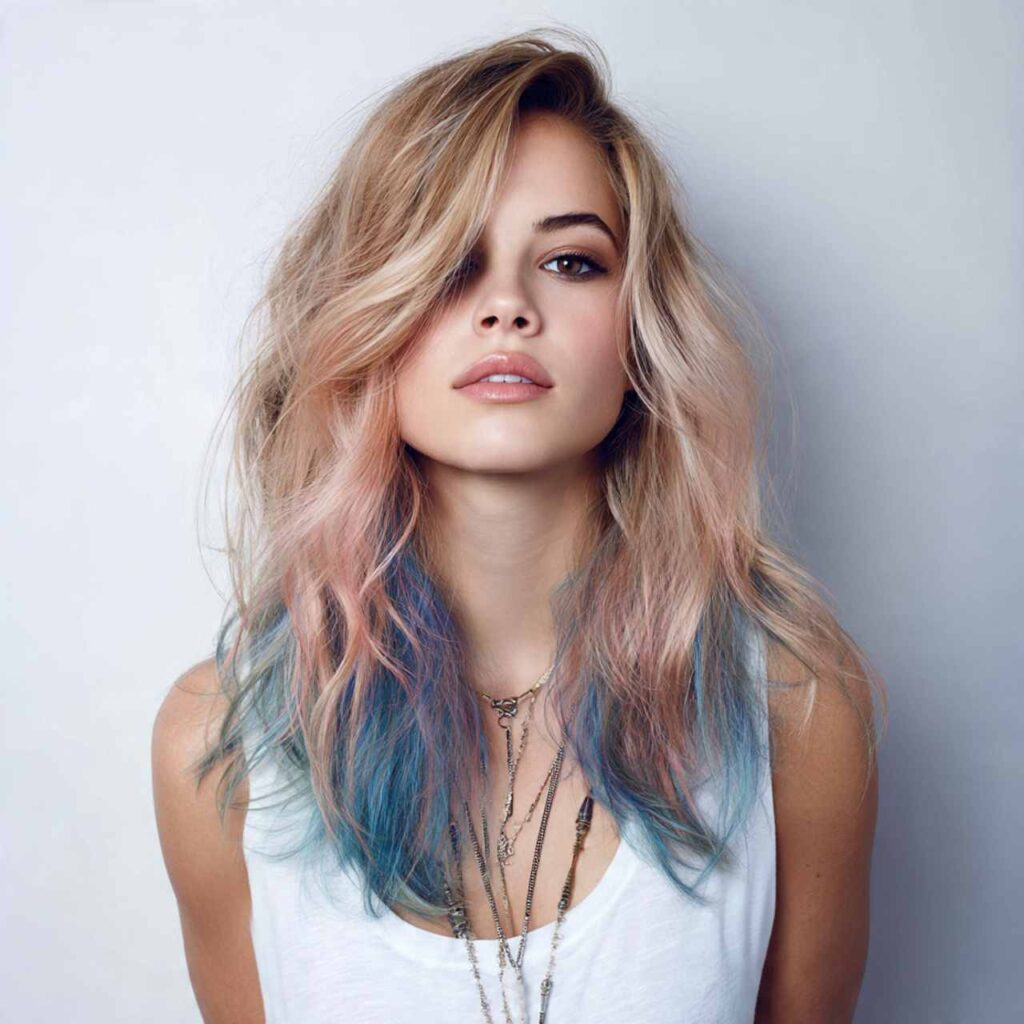
The Technique: Top layers left natural while underneath receives fashion color. Professional appearance maintained with color hidden.
Maintenance: Moderate—hidden color requires less frequent maintenance than visible fashion shades.
20. Holographic Effect
Bronde base with pink and blue tones placed to create an iridescent holographic effect.
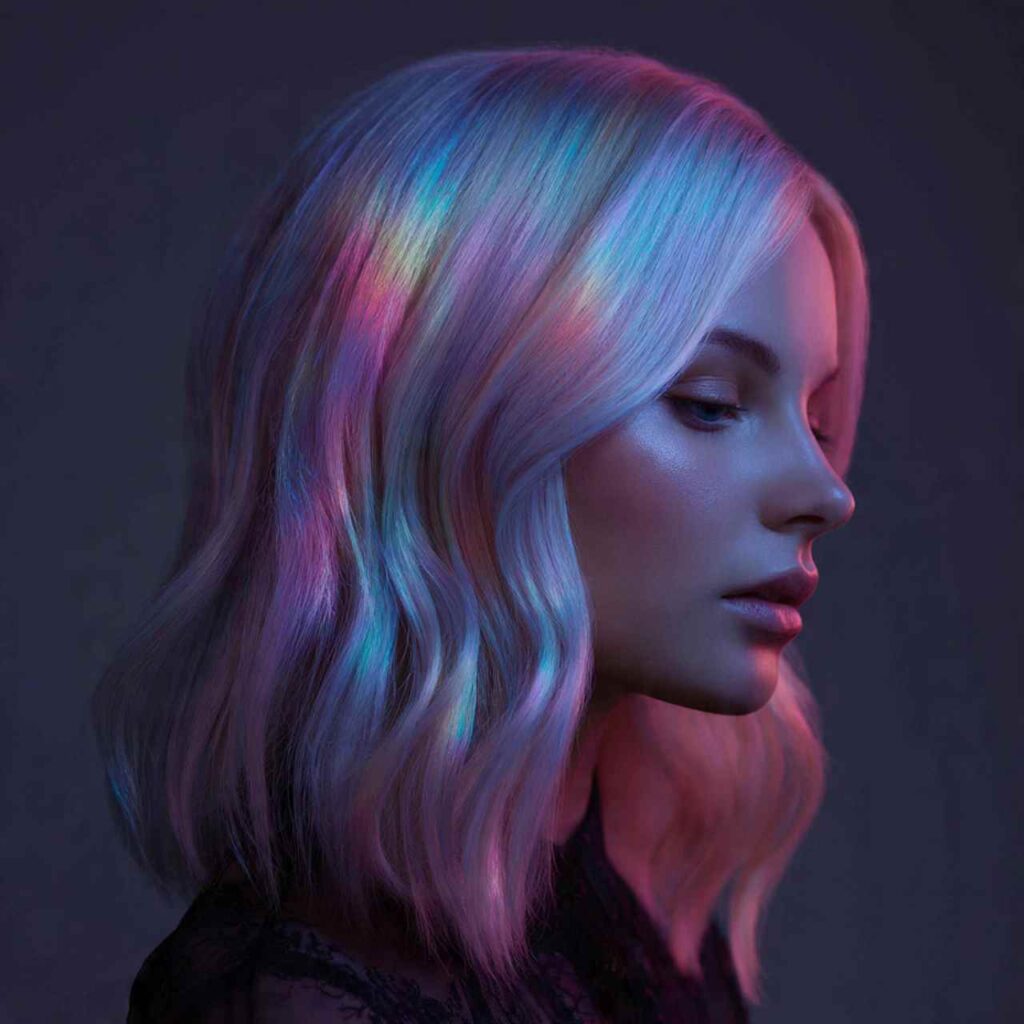
The Technique: Strategic placement of both colors to create light-reflective dimension. Requires advanced color theory knowledge.
Maintenance: Very high—maintaining the holographic effect requires precise color formulation and frequent visits.
Bronde Base Variations
21. Warm Honey Bronde with Pink
A warm honey bronde base with subtle pink ribbons creates golden warmth with playful accents.
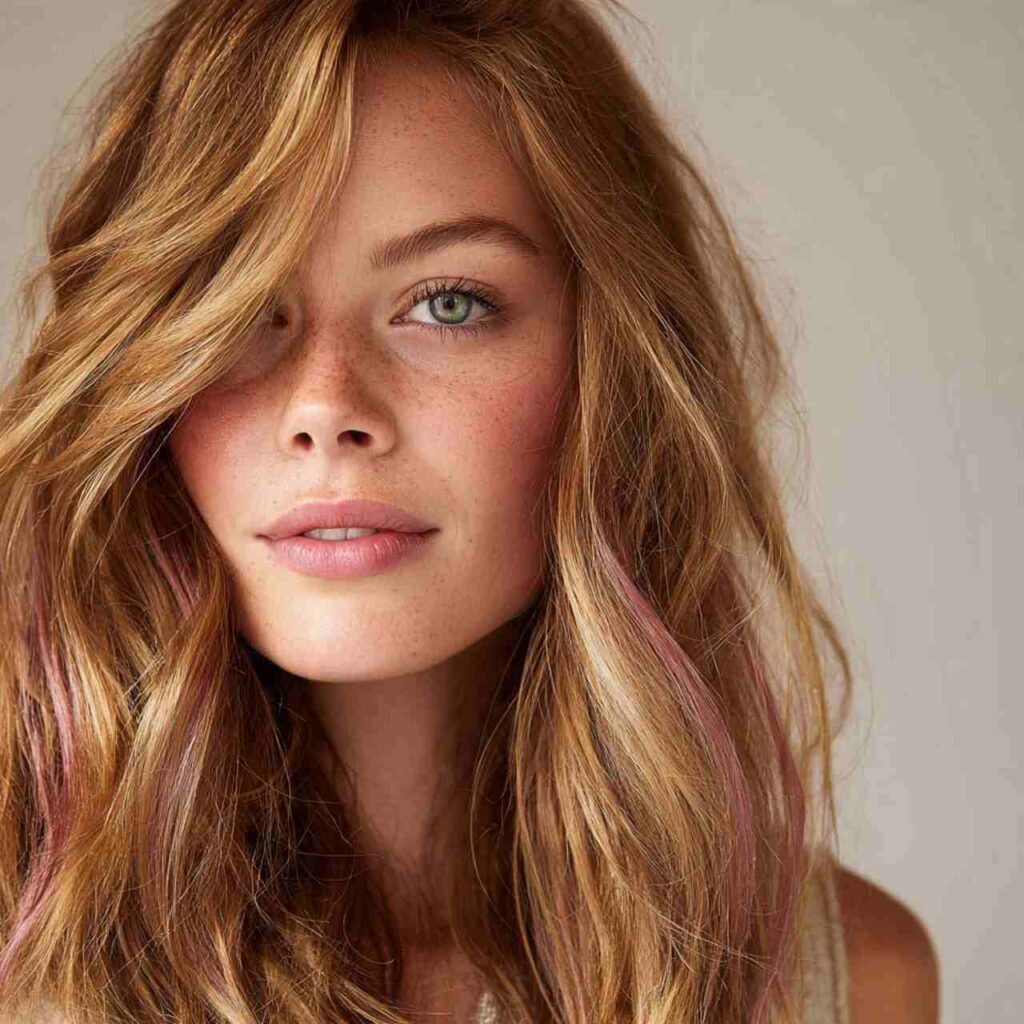
The Technique: Warm bronde created with golden toners, pink added to select pieces. The warmth of the base makes pink appear softer.
Maintenance: Moderate—warm tones and pink both require regular toning to prevent brassiness and fading.
22. Ash Bronde with Blue Tones
A cool ash bronde with blue-based highlights creates icy sophistication.
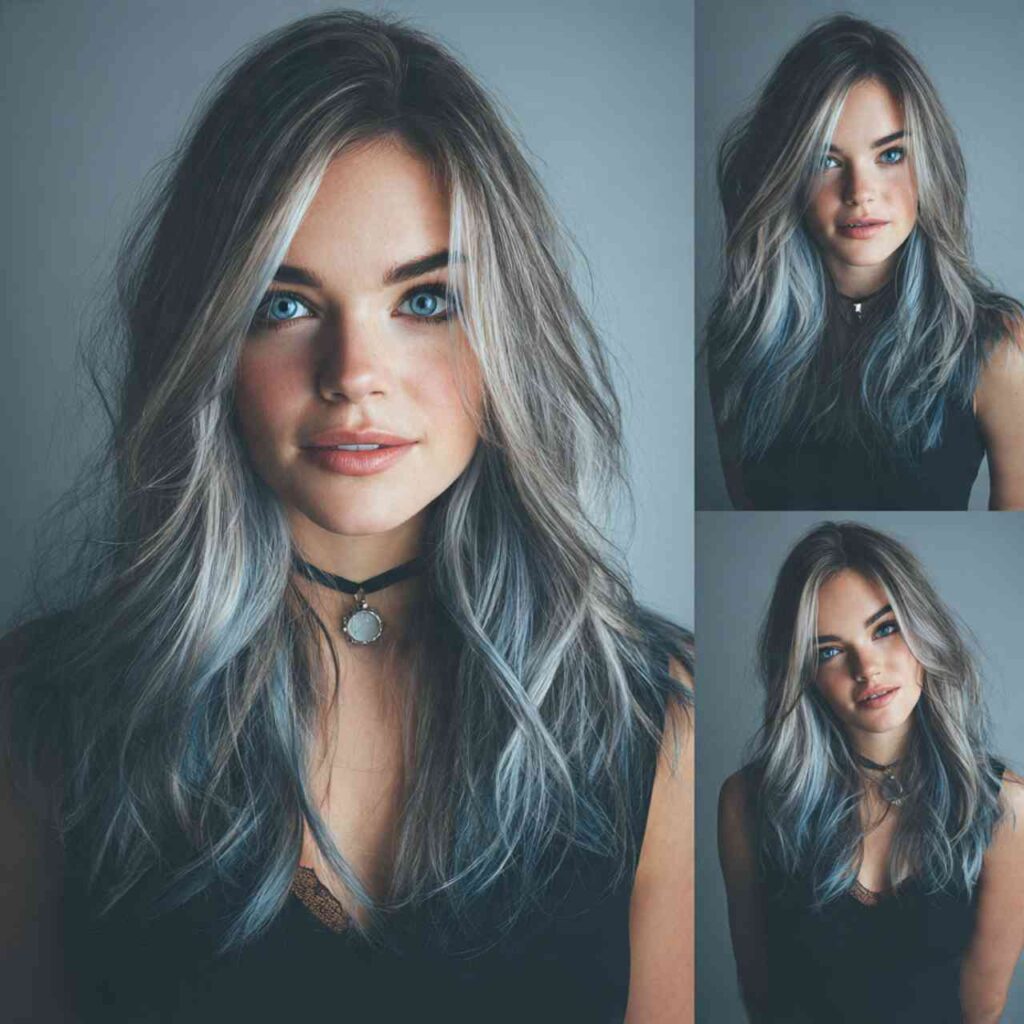
The Technique: Cool-toned bronde with blue-based lightener and toner. Requires neutralizing any warmth before adding blue.
Maintenance: Moderate to high—ash tones and blues both require purple/blue shampoo maintenance and regular toning.
23. Chocolate Bronde with Rose
Deep chocolate bronde with subtle rose tones creates rich, edible-looking color.
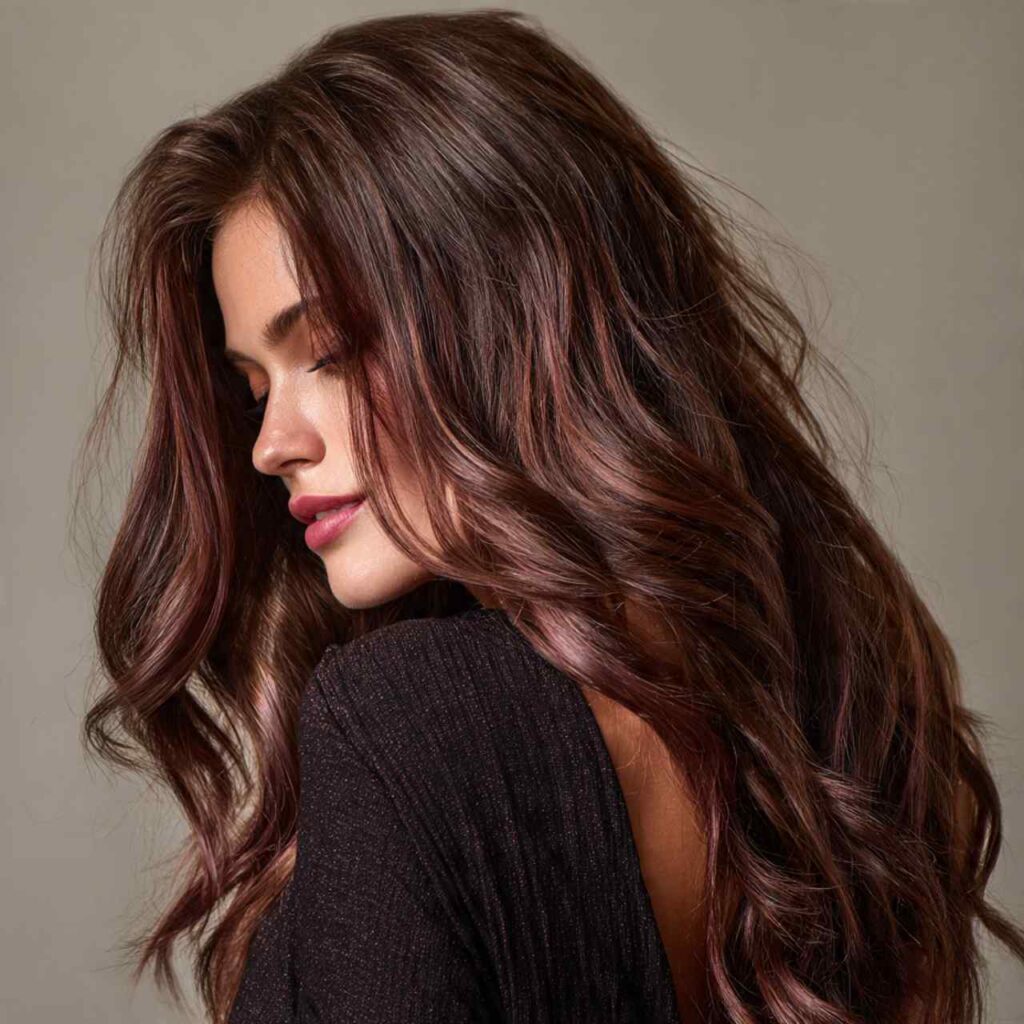
The Technique: Deep brown base with rose-toned highlights or all-over rose toner. The depth makes the pink sophisticated.
Maintenance: Low to moderate—deeper colors last longer. The rose fades gracefully into warm brown.
24. Sandy Bronde with Aqua
A neutral sandy bronde with aqua blue ends creates beachy sophistication with edge.
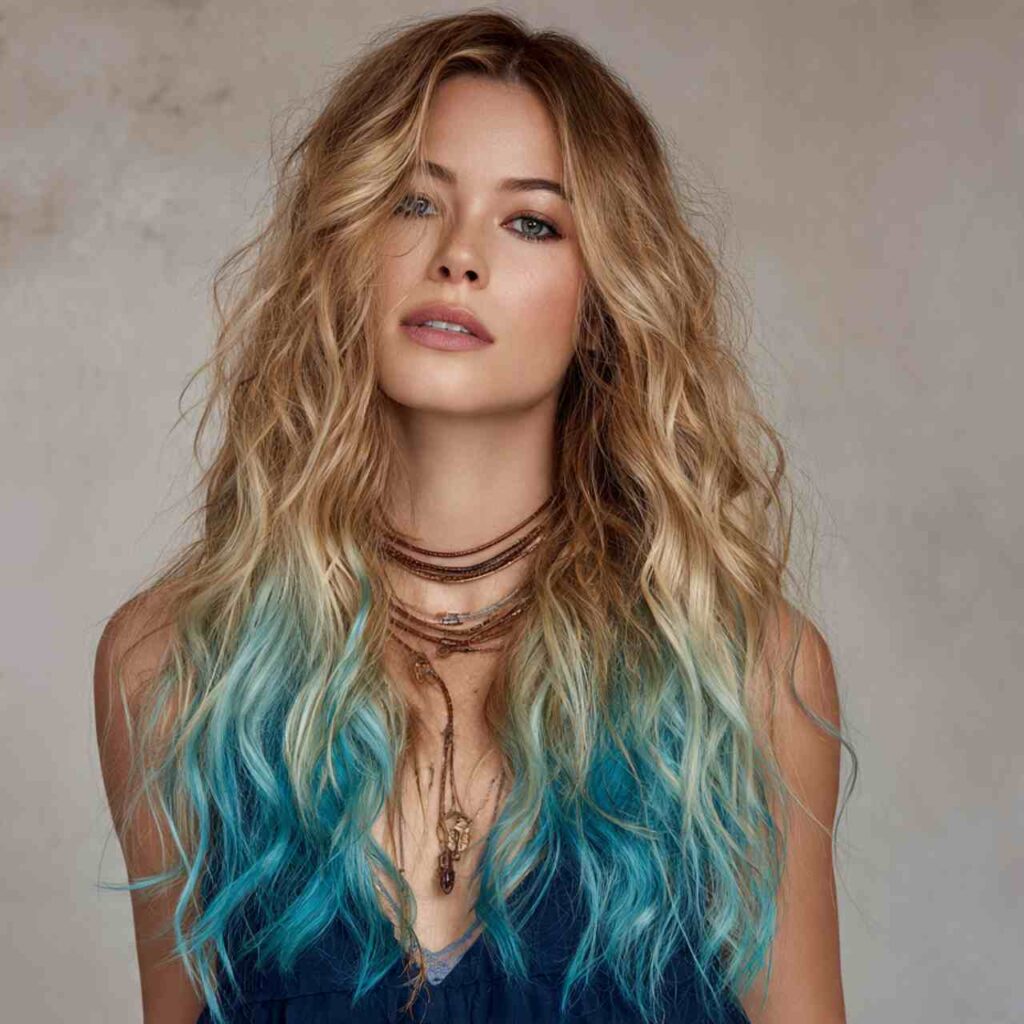
The Technique: Neutral bronde balayage with aqua applied to the lightest ends. The sandy base makes blue more wearable.
Maintenance: High at ends—aqua blue fades quickly. May need to cut as color grows out and fades.
25. Caramel Bronde with Lavender
Warm caramel bronde with lavender highlights creates unexpected feminine sophistication.
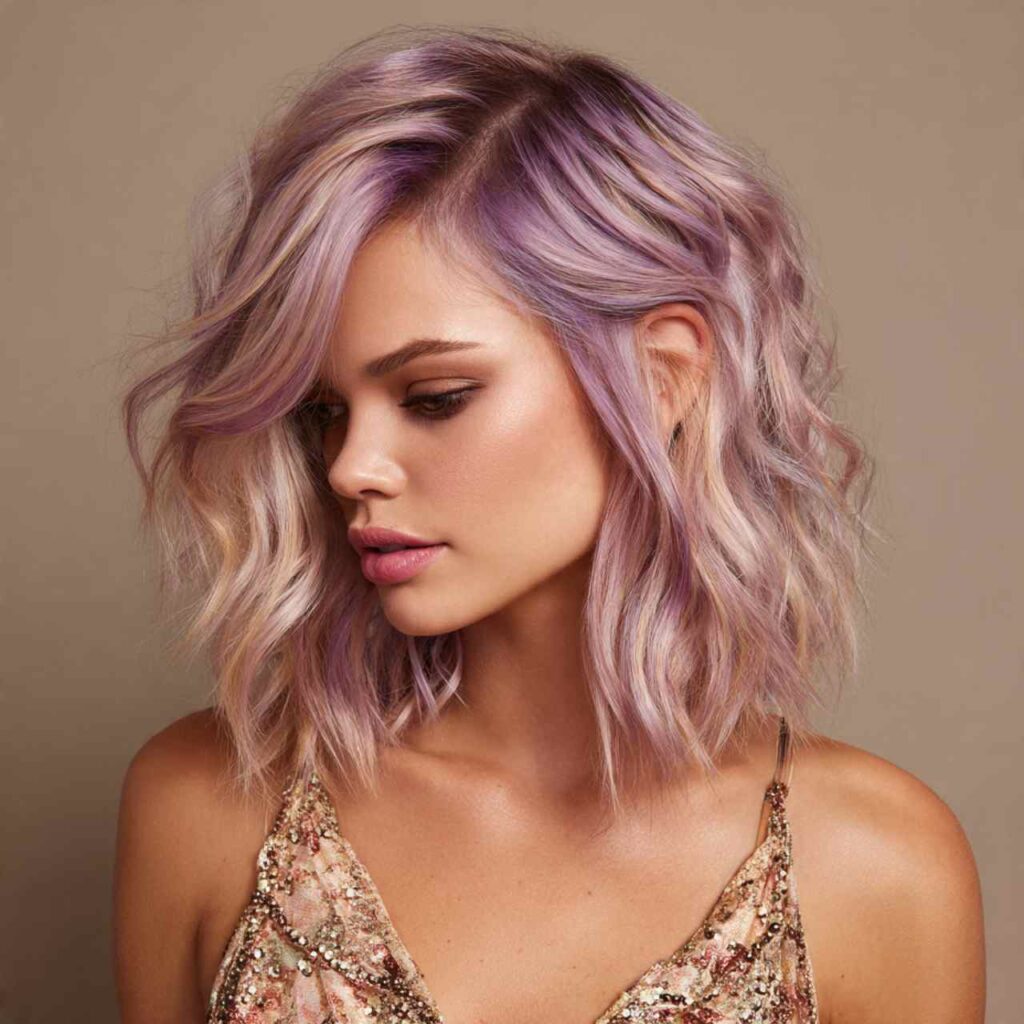
The Technique: Warm base with cool lavender creates interesting tension. Requires balancing warm and cool tones carefully.
Maintenance: Moderate—lavender fades to pale blonde which still coordinates with caramel base.
Natural Integration Techniques
26. Subtle Pink Gloss
A bronde base with pink-tinted gloss overlay creates barely-there color that’s incredibly low-commitment.
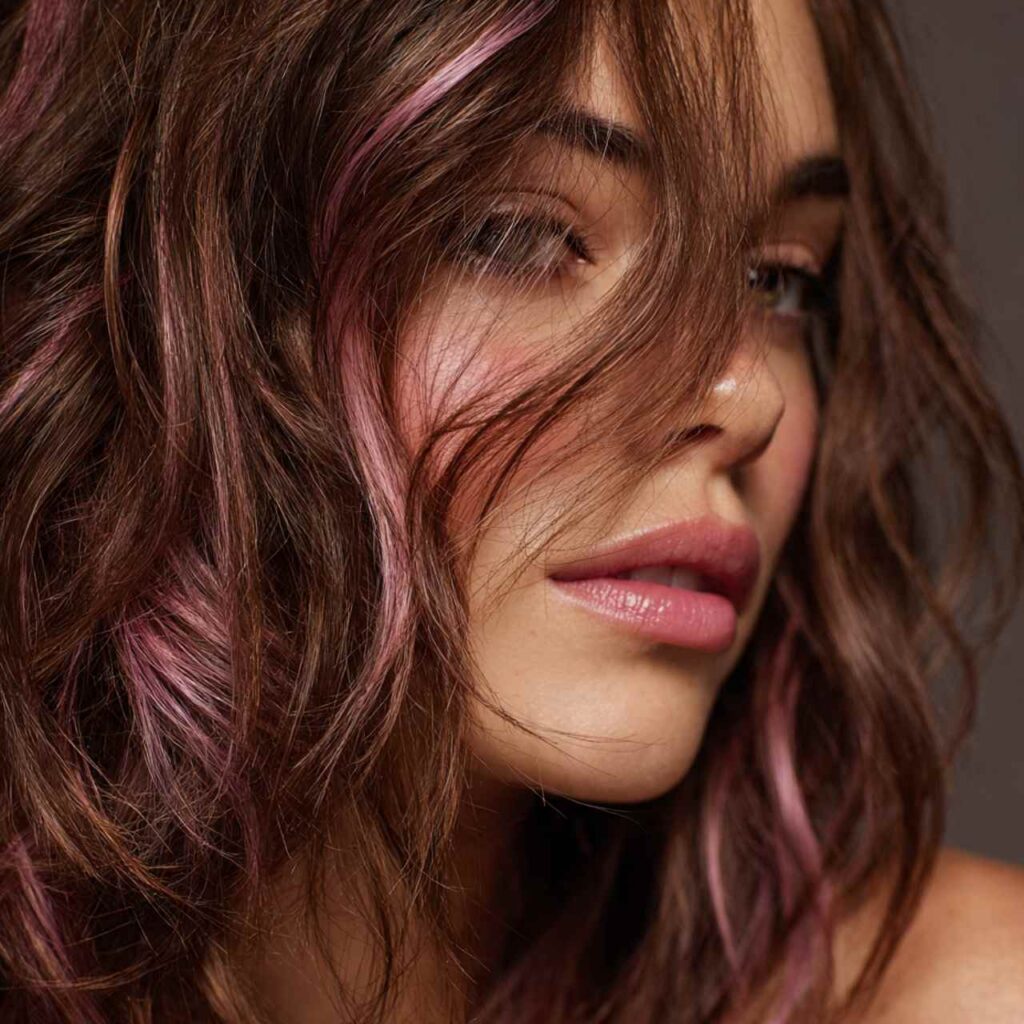
The Technique: Semi-permanent pink gloss applied over existing bronde. No lightening required, just color deposit.
Maintenance: Very low—glosses fade completely in 4-6 weeks with no commitment or damage.
27. Blue-Black Depth
Dark bronde with blue-black lowlights creates raven-inspired depth.
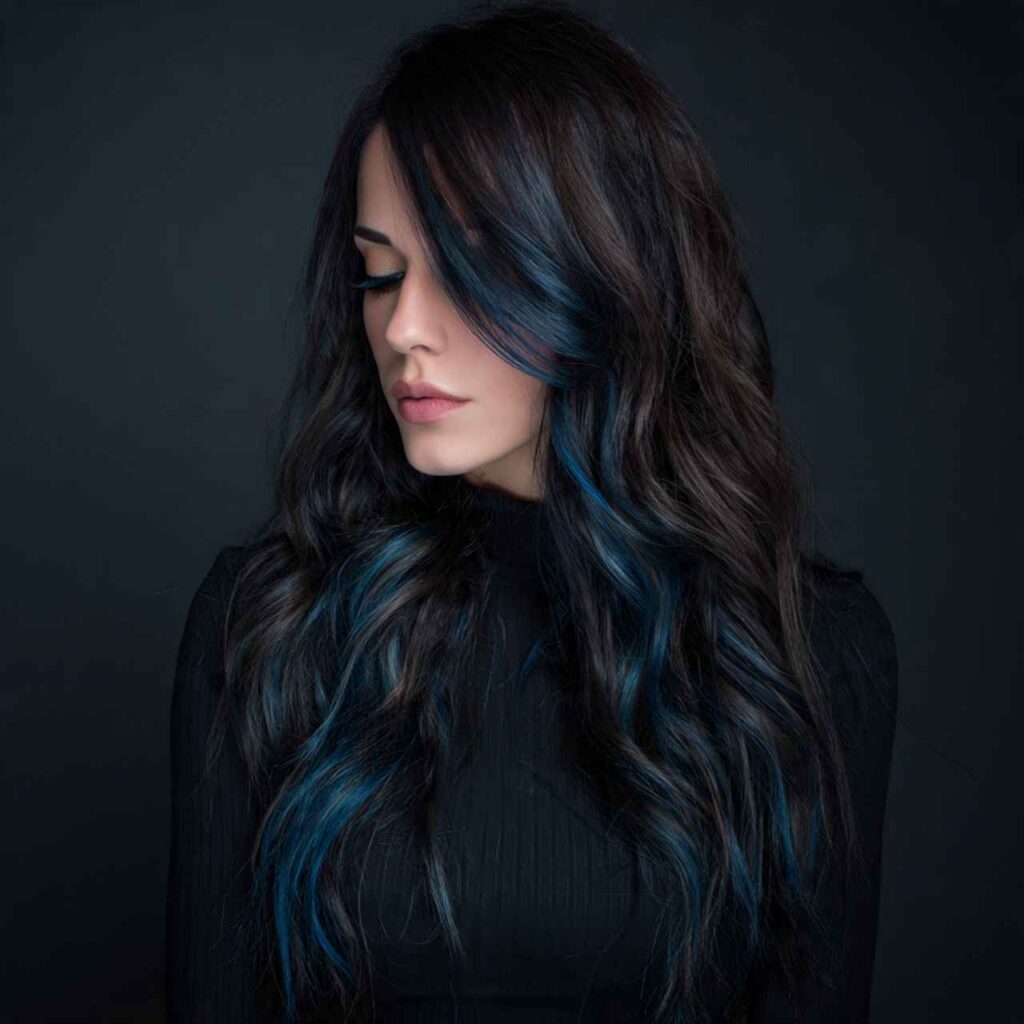
The Technique: Dark sections toned with blue-black. The blue is subtle, creating richness rather than obvious color.
Maintenance: Low—as blue fades, the black remains. Very low-maintenance color choice.
28. Babylights in Pink
Ultra-fine babylights toned pink throughout bronde creates delicate, natural-looking dimension.
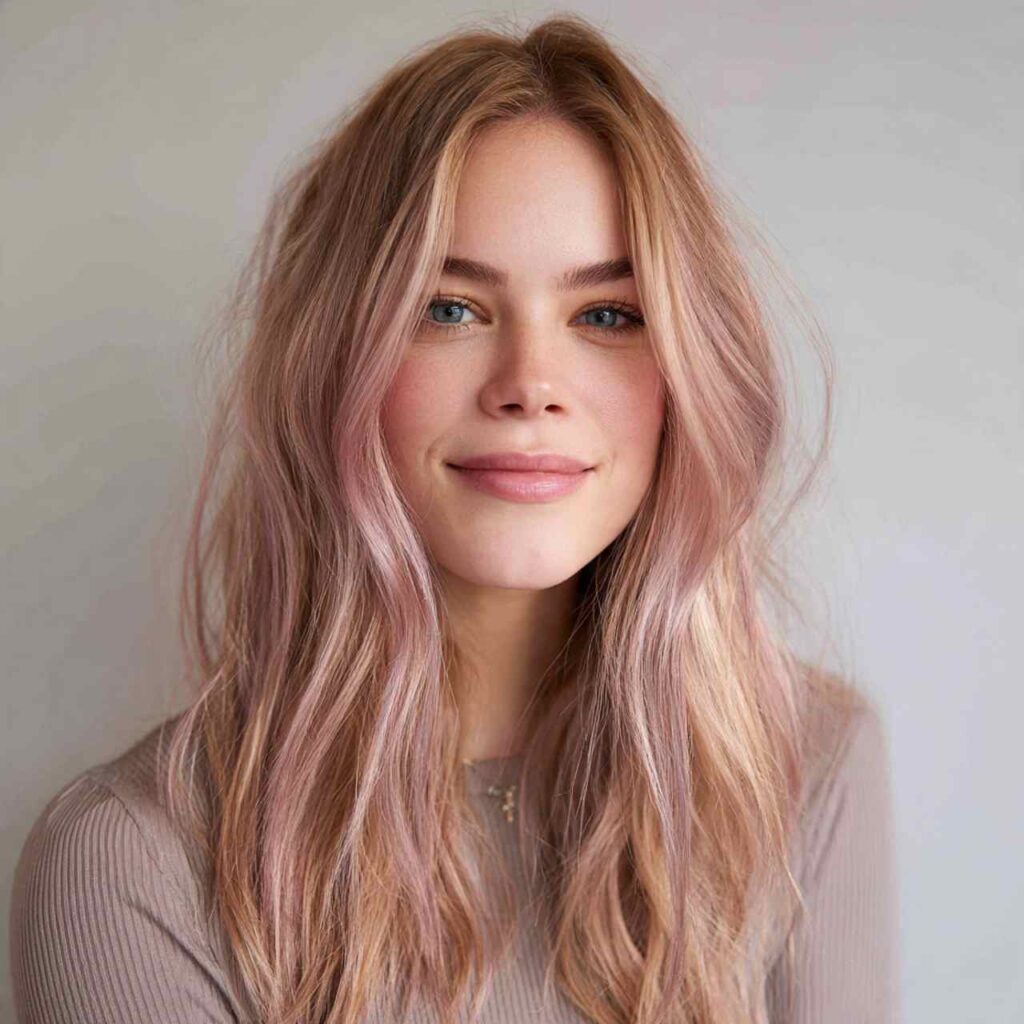
The Technique: Extremely fine highlights—much smaller than traditional—toned with diluted pink. The fineness makes it look natural.
Maintenance: Moderate—fine highlights blend as they grow out, making maintenance less obvious than chunky highlights.
29. Balayage with Blue Shadows
Bronde balayage with blue tones concentrated in the shadow areas creates dimensional depth.
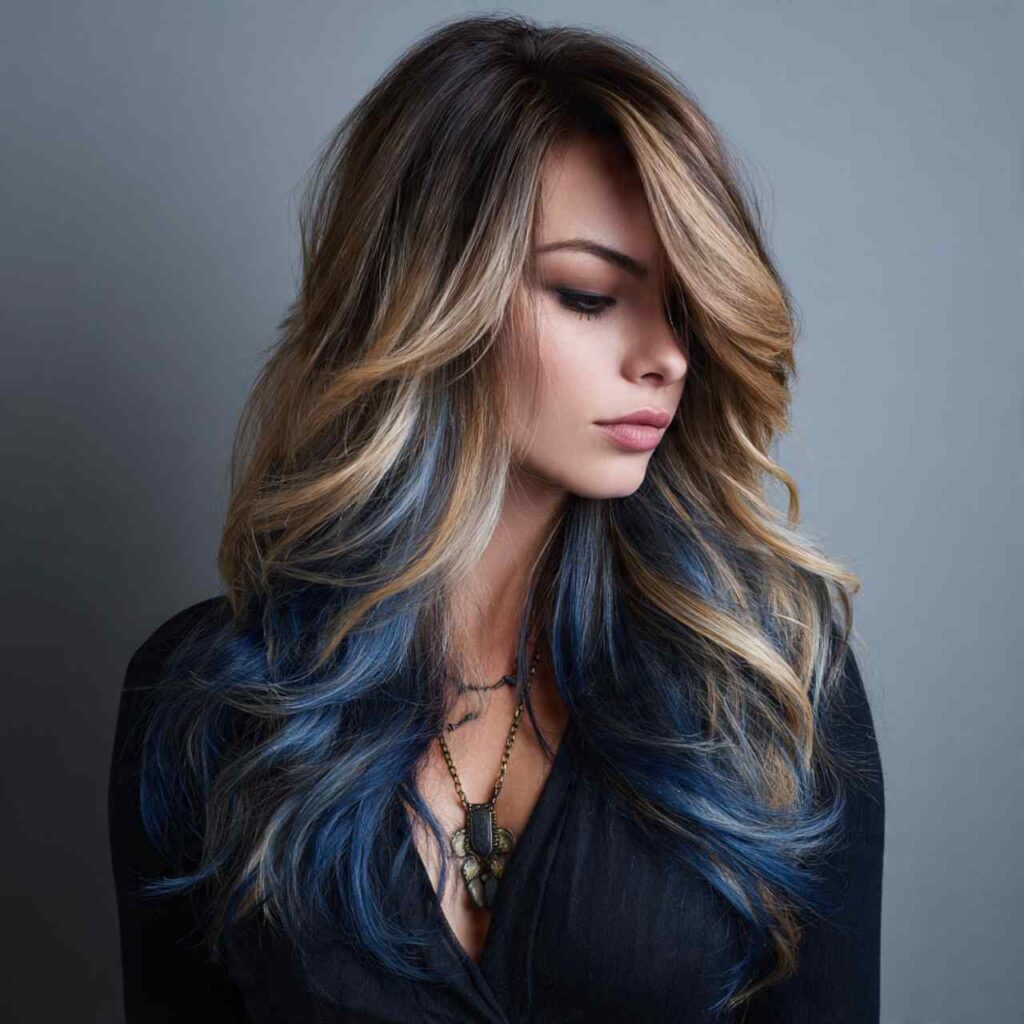
The Technique: Balayage application with blue toner applied to mid-tone sections rather than highlights. Creates shadow dimension.
Maintenance: Moderate—blue in shadows is less visible when faded, making it more forgiving than highlighted blue.
30. Mixed Metallic Bronde
A bronde base with both pink and blue metallic tones creates futuristic sophisticated dimension.
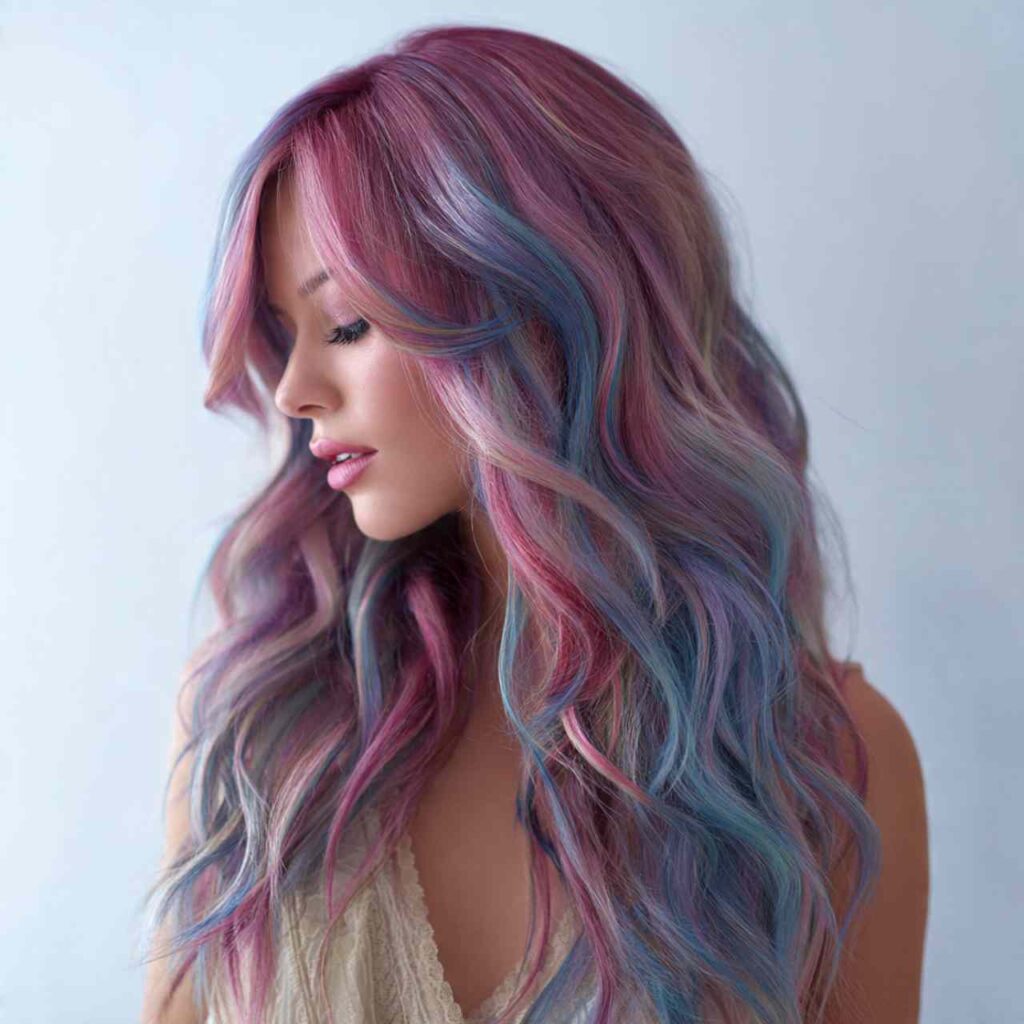
The Technique: Metallic toners in both pink and blue create light-reflective dimension. Requires perfect blonde canvas to achieve metallic effect.
Maintenance: High—metallic tones require specific products and frequent refreshing to maintain the effect.
Understanding Bronde as a Base
What is Bronde? Bronde is the perfect balance of brown and blonde—not one or the other, but a harmonious blend. It typically features brown roots transitioning to blonde mid-lengths and ends, creating natural-looking dimension.
Why Bronde Works with Color:
- Provides both dark and light areas for color placement
- Creates natural dimension that enhances added colors
- More forgiving than pure blonde when colors fade
- Works on multiple natural base colors
- Allows for varying commitment levels
Types of Bronde:
- Warm Bronde: Golden, honey, caramel tones
- Cool Bronde: Ash, beige, sandy tones
- Neutral Bronde: Balanced between warm and cool
- Deep Bronde: More brown than blonde
- Light Bronde: More blonde than brown
Pink and Blue: Color Theory
Why These Colors Together? Pink and blue are opposites on the color spectrum, creating dynamic contrast. In hair, they can either complement or contrast depending on placement and intensity.
Color Considerations:
- Skin tone: Warm skin suits peachy pinks and teal blues; cool skin suits rose pinks and ice blues
- Natural base: Darker bases require more lightening; lighter bases accept color more easily
- Desired intensity: Pastels require very pale blonde; vivid colors can go over lighter bases
- Longevity: Deeper pink/blue tones last longer than pastels
Color Placement Strategy:
- Face-framing: Maximum visibility and impact
- Underneath: Hidden until revealed, professional-friendly
- Ends: Easy to cut off when ready for change
- Balayage: Natural-looking integration
- Money piece: Bold statement with minimal commitment
Maintenance Reality
High-Maintenance Colors:
- Bright pinks and blues
- Pastels (fade quickly)
- Face-framing fashion colors
- Holographic or metallic effects
- Any color requiring frequent toning
Moderate-Maintenance Colors:
- Rose gold bronde
- Muted pink/blue tones
- Deeper fashion colors
- Colors mixed with natural tones
Low-Maintenance Colors:
- Deep lowlights
- Subtle undertones
- Hidden underlayer colors
- Colors that fade to acceptable shades
Maintenance Requirements:
- Color-safe products: Essential for all fashion colors
- Purple/blue shampoo: For maintaining cool tones
- Heat protection: Fashion colors fade faster with heat
- Regular glossing: Every 4-6 weeks for vibrancy
- Limited washing: 2-3 times per week maximum
- Cold water: Hot water strips color faster
Achieving These Colors
DIY vs. Professional:
Definitely Salon:
- Anything requiring significant lightening
- Multiple fashion colors
- Balayage or complex placement
- Metallic or holographic effects
- First-time color application
- Color correction
Potentially DIY (if experienced):
- Semi-permanent glosses
- Color on pre-lightened hair
- Single-process darker colors
- Toning existing blonde
Pre-Appointment Communication:
- Bring inspiration photos
- Discuss maintenance commitment
- Be honest about budget
- Ask about realistic expectations
- Inquire about at-home care
Pink and blue hair integrated into bronde bases represents 2026’s sophisticated approach to fashion color—where creative expression meets wearable elegance. These 30 color ideas prove that bold colors don’t require full-head commitment or professional unsuitability. From subtle hints to bold statements, from warm pinks to cool blues, there’s an approach that matches every personality, lifestyle, and courage level.
The key to success with these colors is realistic expectations about maintenance, honest assessment of your lifestyle, and working with a skilled colorist who understands both technical application and your personal needs. Whether you choose barely-there rose gold tones or commit to vivid cobalt streaks, make the choice that feels authentically you because confident hair color is always the most beautiful hair color.