Spring and braids share the same beautiful language—intricate, organic, and endlessly varied. When cherry blossoms weave patterns against blue sky and vines begin their gentle climb toward sunlight, there’s something perfectly poetic about wearing your hair woven and plaited in celebration of the season. Braids capture spring’s essence: structured yet natural, detailed yet effortless, traditional yet endlessly reinventable for every new year and every new mood.
What makes braids particularly magical in 2026 is how completely they’ve broken free from being purely functional styles into genuine artistic expressions. The humble three-strand braid has spawned an extraordinary family of descendants—intricate fishtail creations, rope-like twisted styles, elaborate crown constructions, and minimalist accent braids that add texture without dominating. Each variation carries its own personality, its own occasion appropriateness, and its own relationship with spring’s vibrant energy.
One of the most beautiful things about braided hairstyles is their incredible democracy. They work across hair textures from pin-straight to tightly coiled, across lengths from the just-long-enough to floor-grazing, across skill levels from absolute beginner to professional braider. A simple pull-through braid created in ten minutes can look as intentional and lovely as an elaborate multi-hour cornrow installation. The variety within braided styles means there’s genuinely something for everyone—every mood, every occasion, every lifestyle, every budget.
Spring 2026’s braid trends specifically celebrate accessibility without sacrificing beauty. We’re seeing gorgeous simple styles that real women with real morning schedules can achieve independently, alongside more elaborate looks perfect for special occasions or professional installation. The unifying thread is that each style communicates something specific—playfulness, romance, professionalism, creativity, or pure carefree joy. Choosing your braid style is choosing your emotional expression for the day, and spring offers the most joyful palette imaginable for that daily creative act.
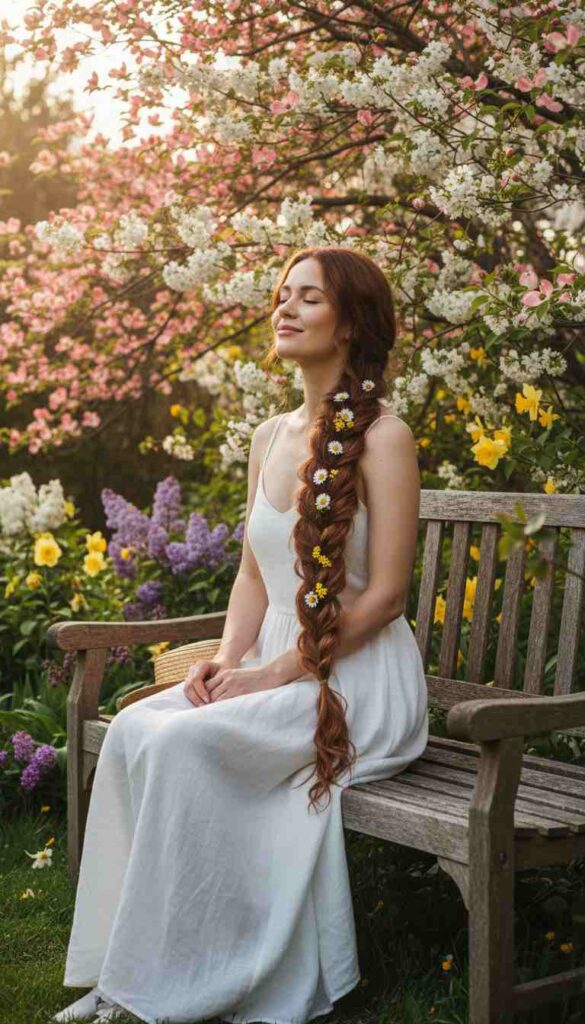
1. Classic Three-Strand Spring Braid
The original braid reimagined with fresh spring flowers woven through.
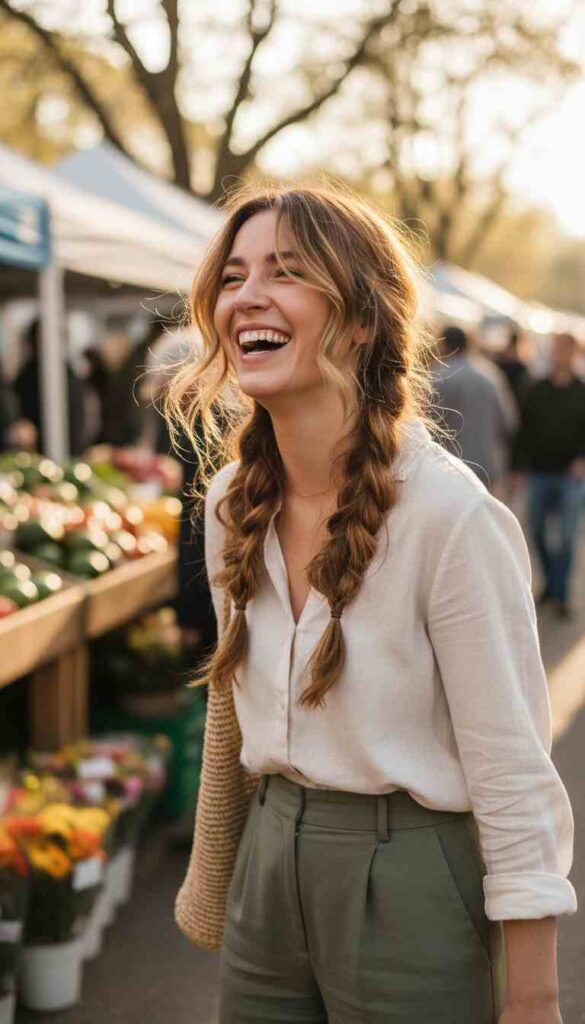
2. Messy French Braid
A loose intentionally imperfect French braid with pulled-out pieces.
3. Double Dutch Braids
Two sleek Dutch braids creating athletic elegance with spring energy.

4. Fishtail Ponytail
A long fishtail braid worn as high ponytail creates intricate statement.
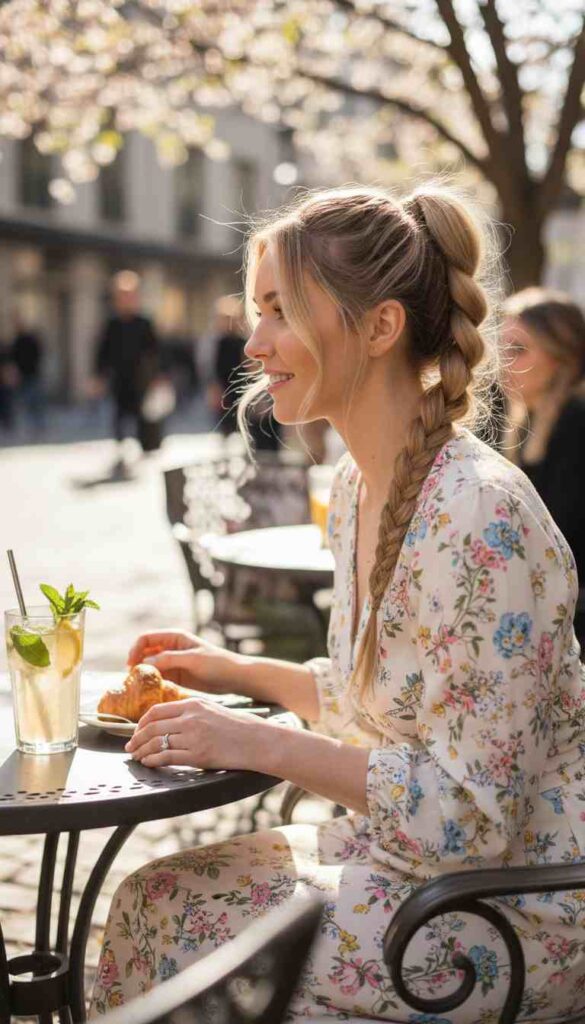
5. Braided Crown Halo
A single braid wrapping completely around head creates regal halo.

6. Pull-Through Braid
Elastic-based pull-through technique creates voluminous illusion braid.
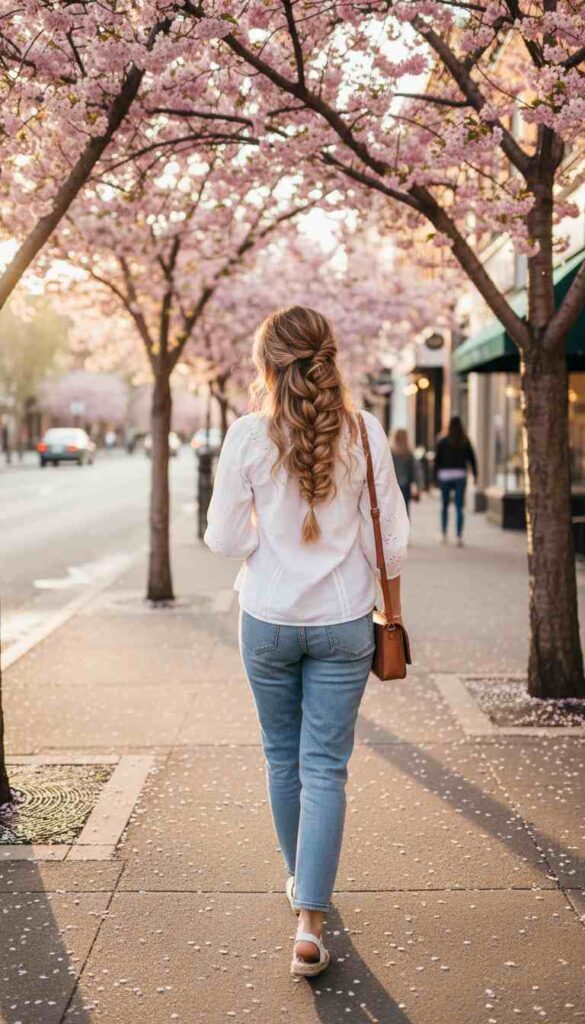
7. Side Dutch Braid
A single Dutch braid sweeping to one side creates romantic asymmetry.
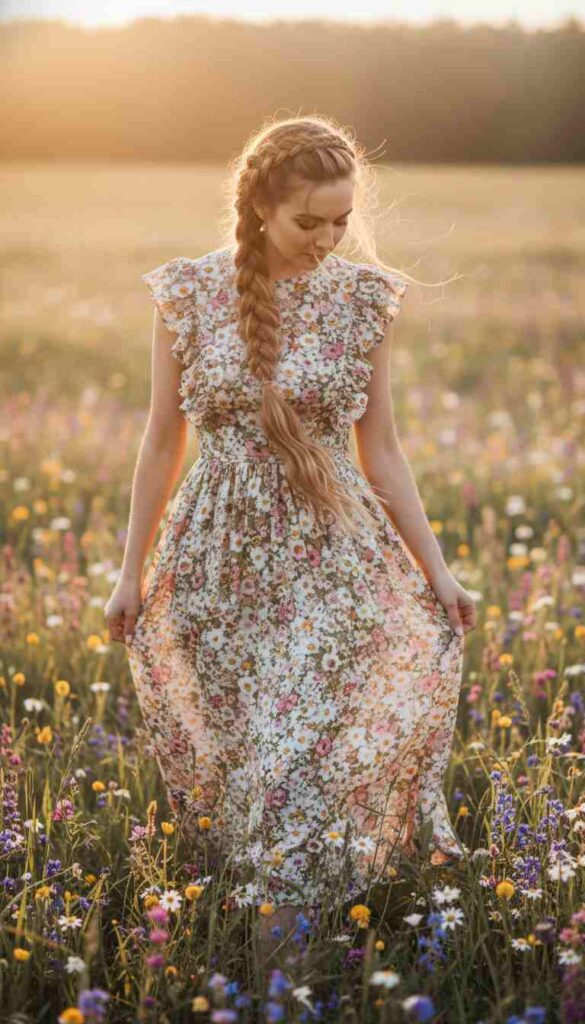
8. Waterfall Braid
Cascading waterfall technique with strands flowing through creates ethereal effect.
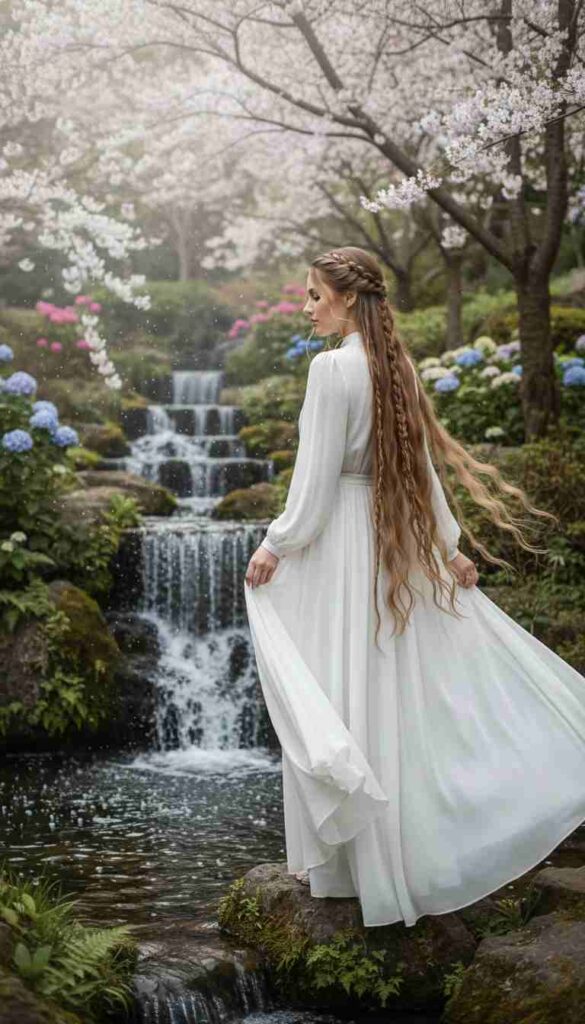
9. Rope Twist Braid
Two sections twisted together create rope-like texture with architectural interest.

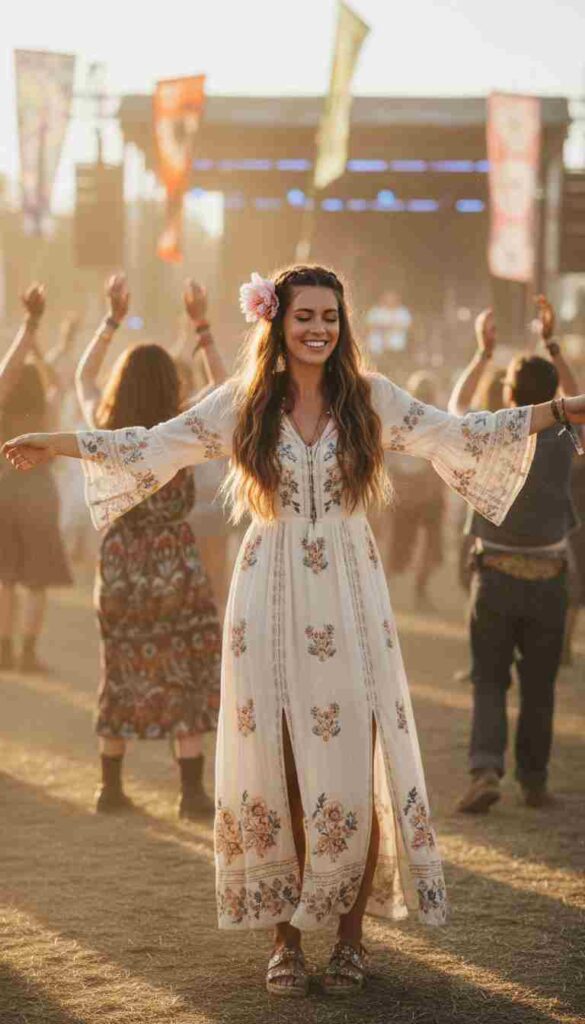
10. Boho Half-Up Braid
Small braid sections pulled back from temples meeting at crown.
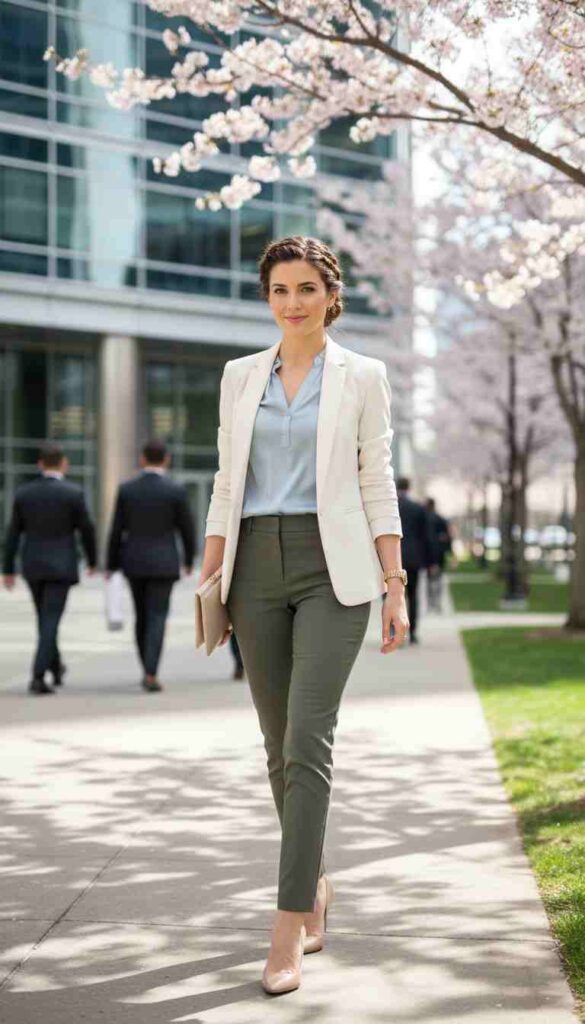
11. Braided Low Bun
Hair gathered into low bun with visible braiding incorporated throughout.
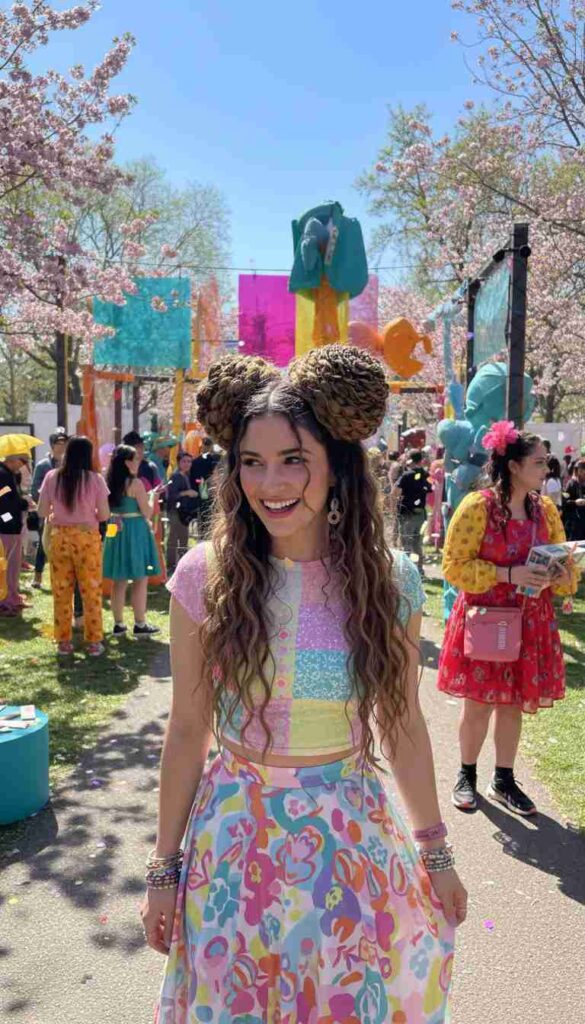
12. Space Buns with Mini Braids
Two high buns each wrapped with small braids creates playful complexity.
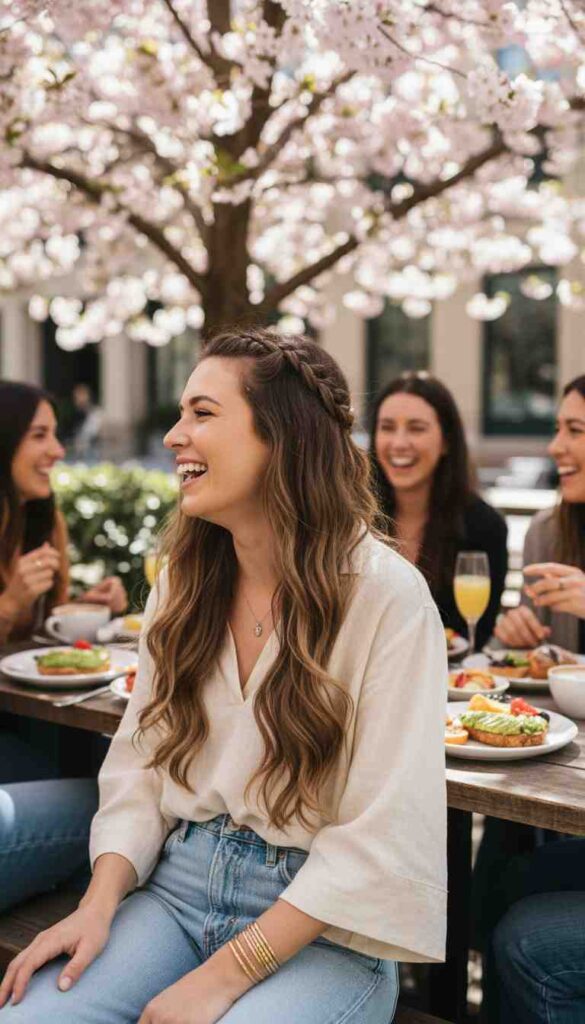
13. Single Cornrow Accent
One cornrow braid as accent through otherwise loose hair.
14. Dutch Braid into Ponytail
Cornrow-style Dutch braid transitioning into high ponytail creates sporty elegance.

15. Loose Bohemian Fishtail
Deliberately messy fishtail with substantial pulled-out sections.
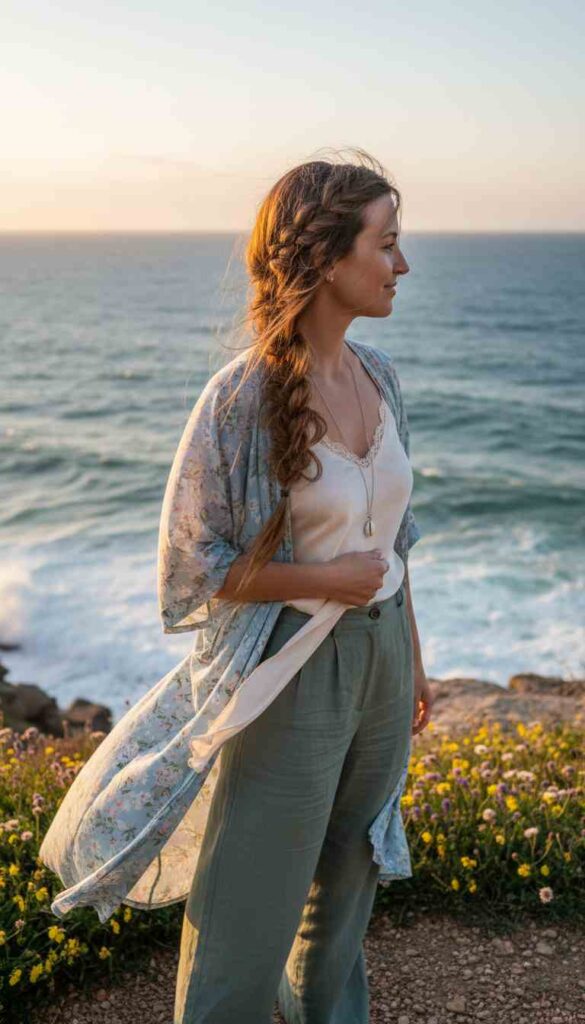
16. Braided Headband Style
A braid running across forehead like natural headband.
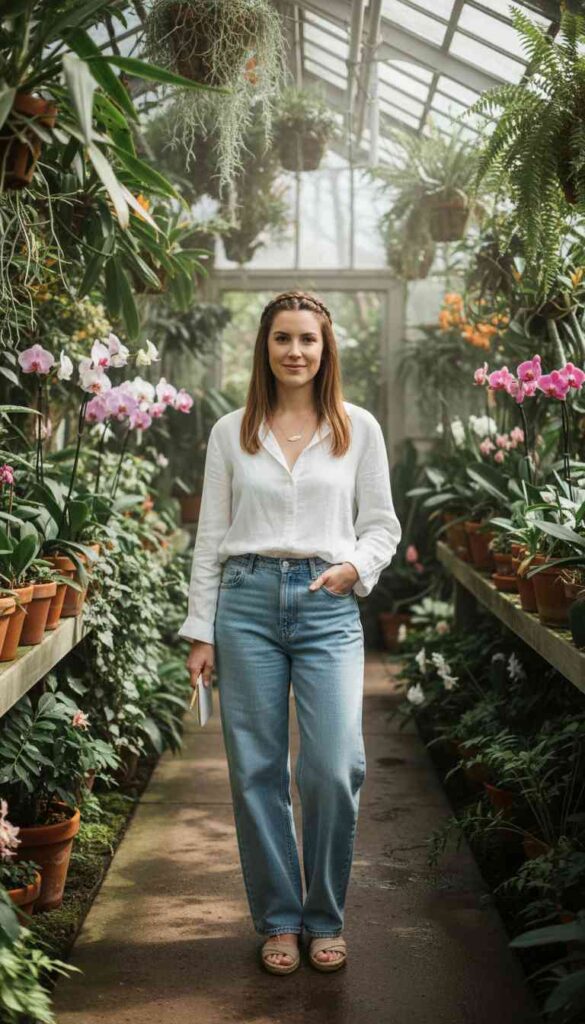
17. Milkmaid Braids Updated
Two braids folded up and pinned across head with modern loose styling.
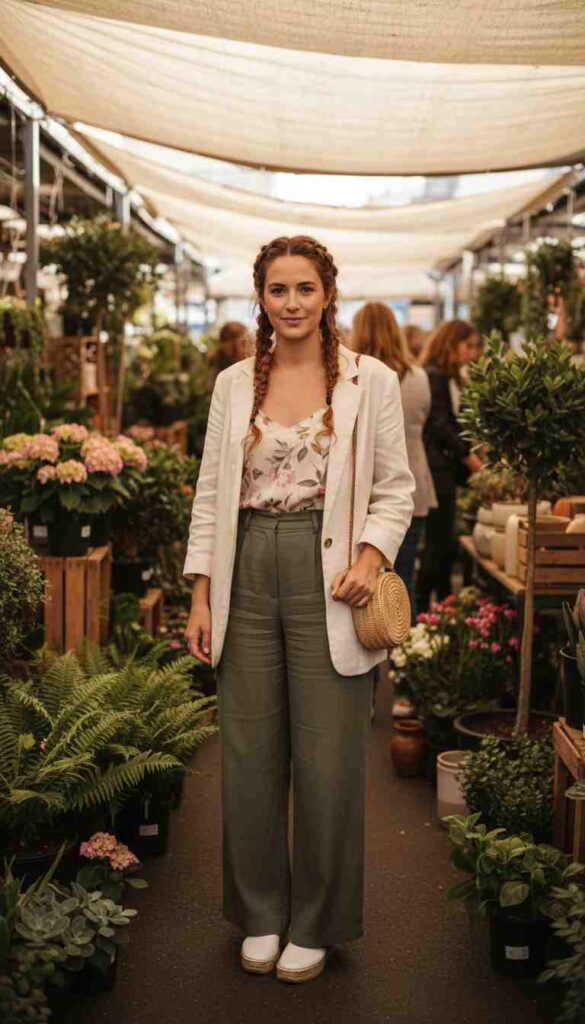
18. Invisible French Braid Ponytail
French braid that becomes invisible when pulled into ponytail.

19. Pigtail Box Braids Mini
Small box braids gathered into playful pigtails.
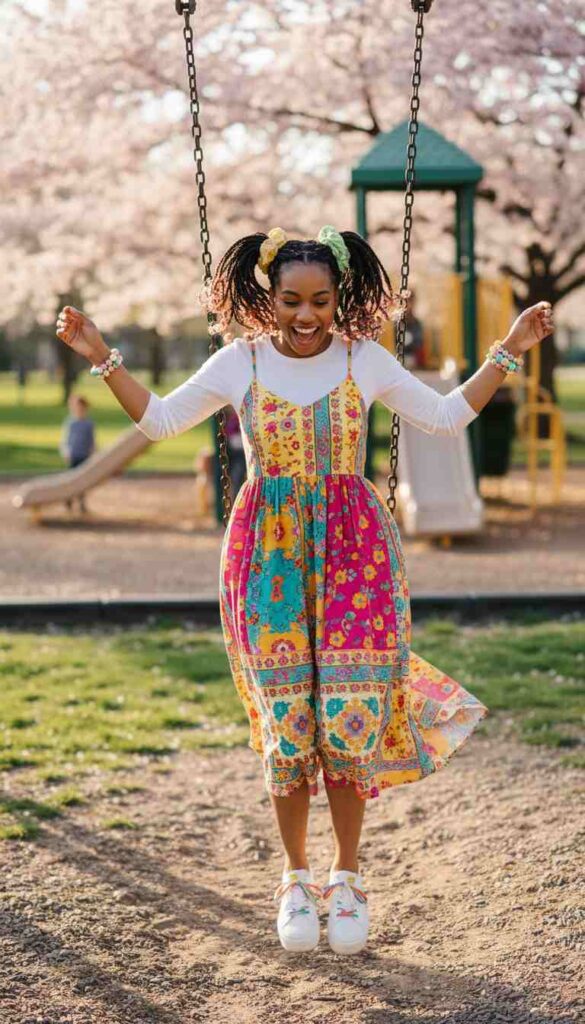
20. Stacked Braid Ponytail
Multiple braids stacked together forming one thick ponytail.

21. Five-Strand Braid
Complex five-strand braid creating intricate woven pattern.
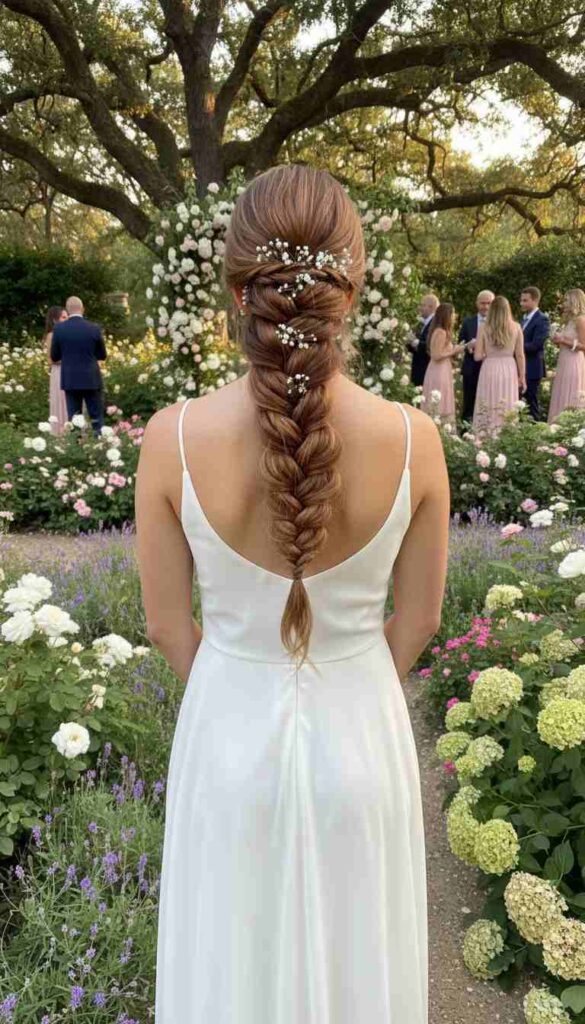
22. Spring Braid with Ribbon
Classic braid with colorful spring ribbon woven throughout.
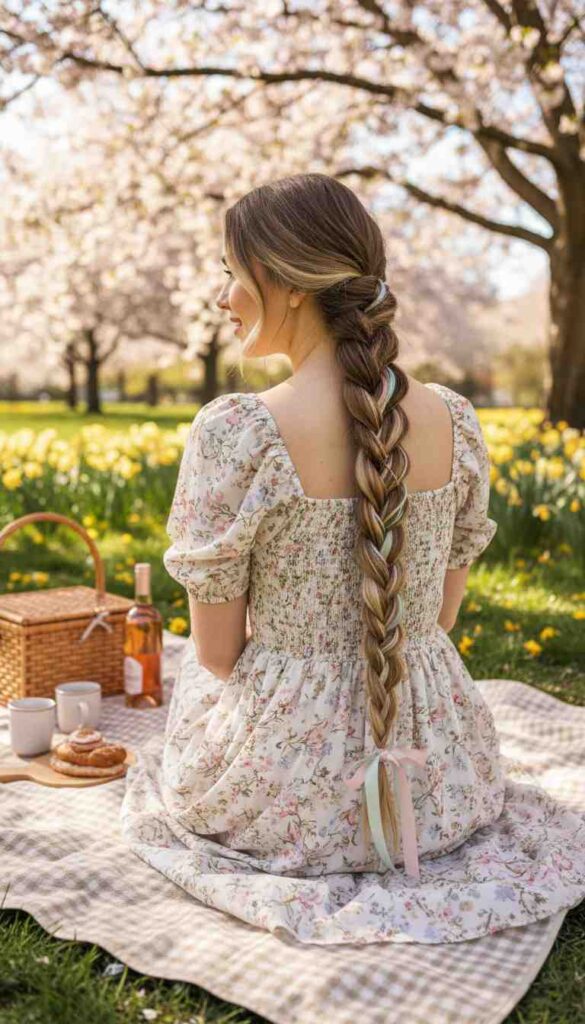
23. Messy Bun with Braid Detail
Casual messy bun with single braid accent wrapping around base.

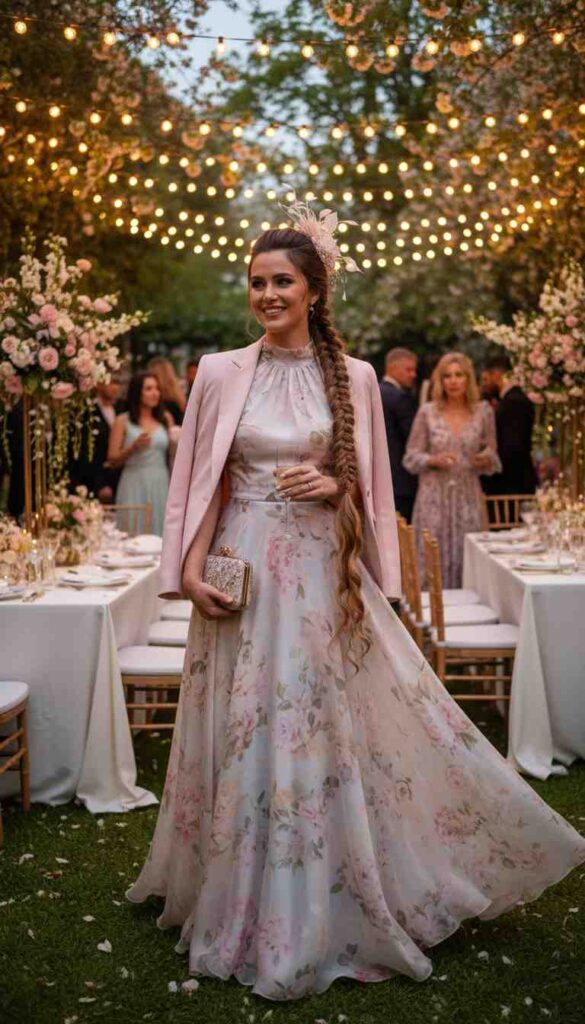
24. Braided Side Sweep
Long braid beginning at forehead sweeping across and down to one side.
Why Braids Are Spring’s Perfect Hairstyle
The alignment between braids and spring goes beyond aesthetics into genuine practical synergy. Spring’s active lifestyle—outdoor events, garden parties, hikes, beach days, festivals—demands hairstyles that stay put, look intentional through movement, and don’t require mid-adventure restyling. Braids deliver all three qualities simultaneously while managing to look more beautiful with a little windswept dishevelment rather than less.
Spring’s notorious weather volatility presents specific hair challenges. Humidity causes frizz that ruins carefully blow-dried styles. Unexpected breezes destroy precision styling. Braids respond to these challenges with grace—humidity actually enhances natural texture, making escaped pieces look romantically tousled rather than frizzy, and wind simply adds movement to styles that already celebrate organic beauty.
The social nature of spring also benefits from braided hairstyles. Garden parties, outdoor weddings, spring festivals, and warm-weather gatherings create contexts where photographed moments matter. Braids photograph beautifully from every angle, maintaining their visual interest in both close-up and wide shots without requiring constant touching up between photos.
Learning Basic Braid Techniques
The three-strand braid forms the foundation from which all other braid variations develop. Mastering this simple technique opens doors to fishtail braids (using two sections instead of three), Dutch braids (crossing sections under rather than over), and rope twists (twisting two sections independently before twisting them together). Most people find that once they understand the directional logic of each technique, variations come naturally.
Practice on someone else’s hair before attempting your own. Braiding your own hair involves working backward through a mirror, which requires different spatial awareness than braiding facing outward. Many people find specific techniques easier on themselves—French braids going backward, for example—while others work better on other people first.
YouTube tutorials have democratized braid education extraordinarily. Search for your specific technique combined with your hair texture for the most applicable guidance. Watching a technique performed at normal speed and then in slow motion builds understanding more effectively than still photos alone.
Hair Prep for Beautiful Braids
The condition of your hair directly affects braid quality and longevity. Second-day or third-day hair typically braids more easily than freshly washed hair because natural oils provide grip that prevents slipping. If braiding freshly washed hair, allow it to dry at least 80% before braiding—wet hair stretched into braids can cause breakage when it dries and contracts.
Light texturizing products add grip without heaviness, helping braids hold their structure longer. Avoid heavy oils or silicone-based serums before braiding—they make hair too slippery to grip properly, causing braids to slide apart. Leave-in conditioners applied specifically to ends prevent breakage at the most vulnerable sections of each strand.
Detangling thoroughly before starting prevents frustrating mid-braid knots that disturb the pattern and sometimes require starting over. A wide-tooth comb from ends upward through roots removes tangles systematically without causing breakage.
Accessories That Elevate Simple Braids
The gap between a nice braid and a spectacular braid often involves accessories rather than technique complexity. Small flower clips tucked into braids instantly elevate casual styles to occasion-worthy. Pearl pins scattered through a braided updo create elegance with minimal effort. Ribbons woven through braids add color and texture simultaneously.
Elastic selection matters more than people realize. Clear elastics provide clean finishing without adding color distraction. Fabric-covered elastics prevent the breakage that rubber bands cause. Decorative elastics with charms or metallic finishes add detail at braid ends. Avoid tight rubber bands that grip too intensely and damage hair over time.
Spring’s natural materials offer extraordinary braid accessories. Fresh flowers from gardens or farmers markets add genuine organic beauty that no artificial alternative matches. Small branches of flowering shrubs, berry stems, or herb sprigs all work beautifully when tucked into braided styles.
Protecting Natural Hair with Braids
Braided styles serve protective functions beyond aesthetics, particularly for natural and textured hair types. Keeping ends tucked away and minimizing daily manipulation reduces breakage and retains length over time. Spring’s increased outdoor activity—which often involves more sun exposure, wind, and potential environmental damage—makes protective styling especially valuable seasonally.
The key to truly protective braiding is tension management. Braids installed too tightly create traction alopecia—hair loss from consistent pulling pressure on follicles. Every braid should feel comfortable when freshly installed. If you feel pulling, pain, or pressure, the braid is too tight and should be redone more loosely.
Scalp care continues during braided styles. Lightweight scalp oils applied with a dropper bottle keep the scalp moisturized without buildup. Gentle scalp massages promote circulation and maintain follicle health during protective style periods.
Matching Braids to Occasions
Different braid styles communicate different messages, making occasion-matching important for social contexts. A polished braided low bun or invisible French braid ponytail suits professional environments beautifully—they demonstrate grooming and intention without appearing costume-y or casual. These styles say “I made an effort while appearing effortless.”
Romantic occasions call for softer approaches—waterfall braids, floral crown braids, or loose fishtail styles communicate femininity and intentional beauty without looking overly structured or severe. These styles benefit from face-framing loose pieces and natural texture rather than tight precision.
Casual and outdoor occasions give permission for the most playful braid expressions—messy space buns, bohemian half-up styles, and deliberately undone fishtail braids that celebrate natural movement. These styles say “I’m having fun and I know it” while requiring minimal technical skill or maintenance throughout the day.
Longevity and Refresh Tips
Most braided styles outlast their initial creation by one to three days when maintained properly. Sleep with braids loosely contained in a silk or satin scarf or pillowcase—this prevents frizz, maintains shape, and reduces the friction that causes flyaways and disturbance.
Morning refreshing typically requires only light product application to tame any frizz at the hairline and gently pressing escaped pieces back toward their braid. A soft-bristle toothbrush dipped in edge control or water smooths baby hairs and hairline sections that shift overnight. Light hold hairspray locks refreshed sections in place for the day.
Know when to release braids rather than attempting another refresh. Most styles look their best for two to three days, after which the balance tips from “charmingly lived-in” to “clearly overstayed its welcome.” Release gracefully, give your hair a gentle conditioning wash, and begin the next braid creation fresh.
Embracing Your Braid Journey
Learning to braid well takes time, practice, and patience with the process. Your first attempts may not look like the inspiration images you brought to the mirror, and that’s completely normal. Every proficient braider was once a beginner struggling with tension, direction, and coordination simultaneously.
Document your practice with photos—both to track your improvement and to remember techniques that worked particularly well. Many people find specific techniques click suddenly after numerous attempts, suggesting that repetitive practice builds subconscious understanding that eventually manifests as skill.
Spring 2026 offers 24 beautiful entry points into braid exploration regardless of your current skill level. Start with styles that match your abilities and gradually challenge yourself toward more complex techniques as confidence builds. The journey from simple three-strand braid to elaborate five-strand creation happens one practice session at a time, and each step along the way produces genuinely beautiful results worth celebrating.