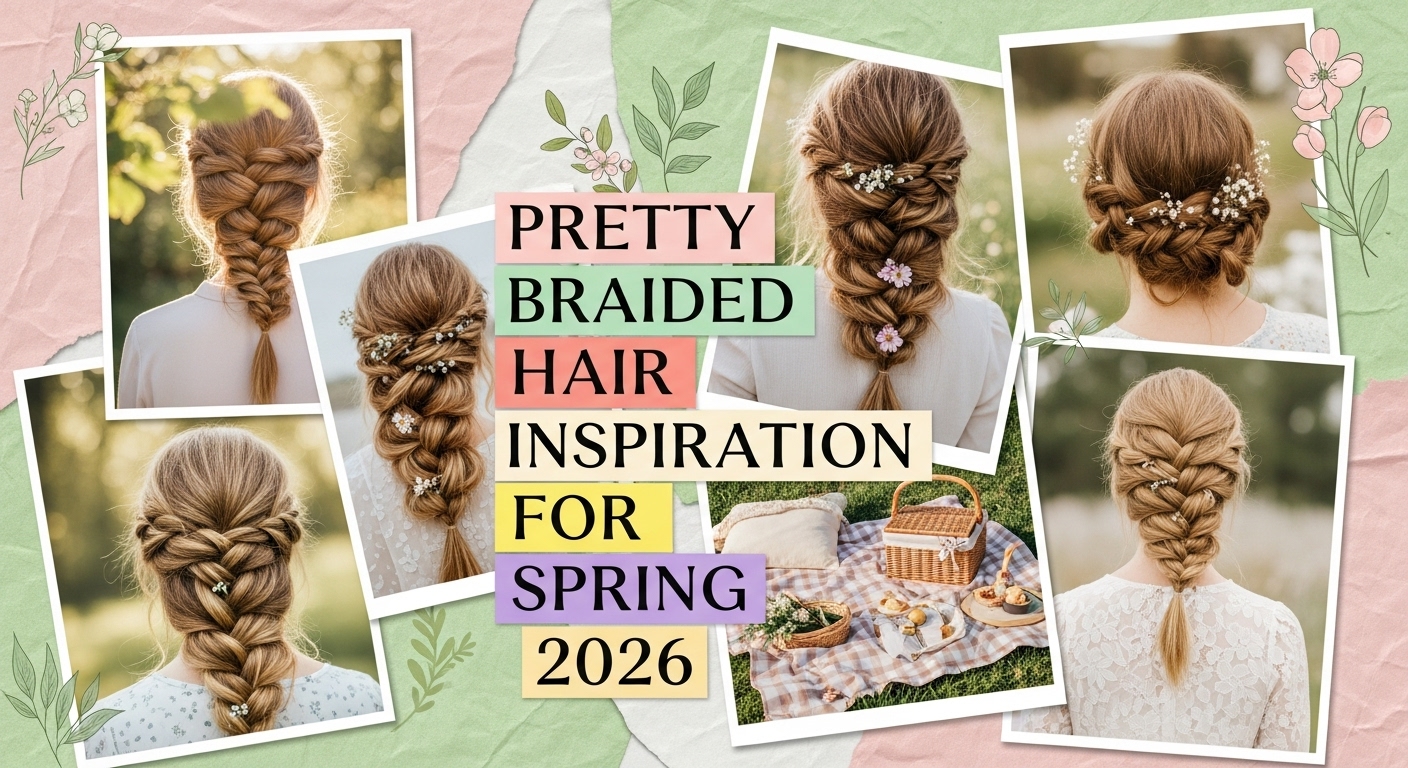
Braided hairstyles possess a timeless beauty that transcends trends, cultures, and generations—they’re practical yet elegant, protective yet stunning, and surprisingly versatile across hair types and occasions. Spring 2026 celebrates braids in all their glory, from simple three-strand classics that anyone can master to intricate patterns that showcase hair as wearable art. The beauty of braids lies in their dual purpose: they keep hair manageable and protected while creating gorgeous styles that work from gym sessions to formal events. Whether you have thick hair that benefits from braided control, fine hair that gains volume through braiding techniques, natural textures that thrive in protective styles, or any hair type in between, these 25 braided looks offer something for everyone. Modern braiding incorporates accessories, color placement, and creative techniques that transform traditional styles into contemporary statements. From casual side braids perfect for weekend errands to elaborate crown braids worthy of special occasions, from sleek cornrows to romantic loose plaits, these spring braided hairstyles prove that this ancient art form remains endlessly relevant and beautiful!
1. Classic French Braid Crown
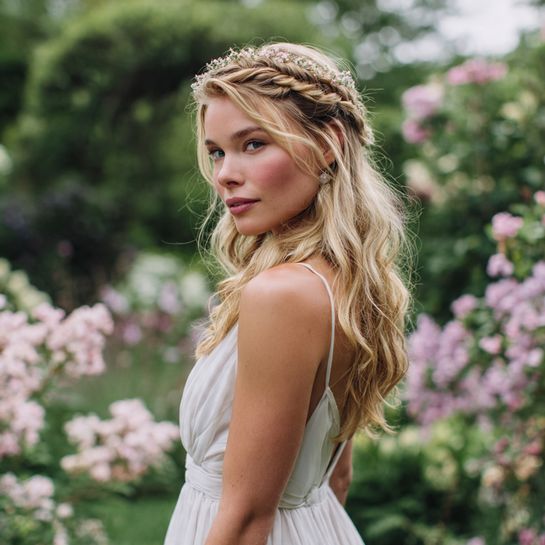
Elegant wrapped sophistication. Traditional French braid wrapped around head creates romantic crown effect.
2. Double Dutch Braids
Athletic chic symmetry. Two Dutch braids from hairline to nape creates sporty elegant look.
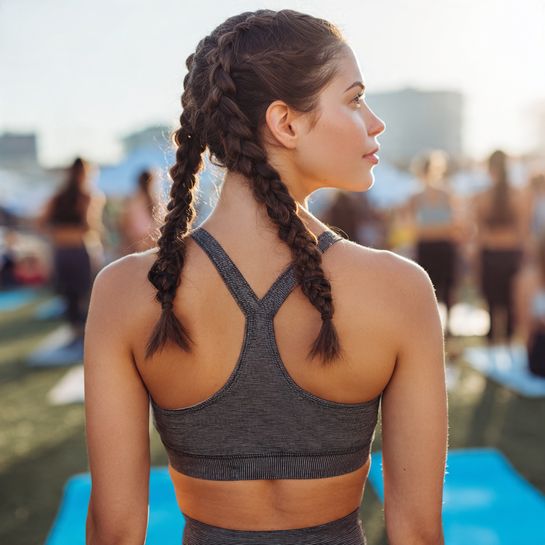
3. Messy Side Braid
Effortless bohemian romance. Loose side braid with pulled sections creates relaxed texture.
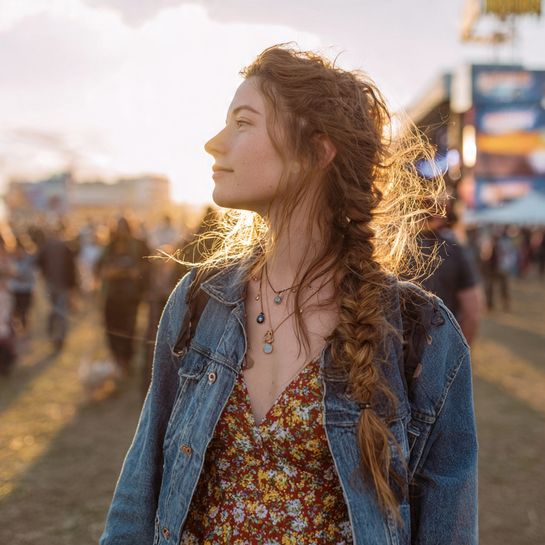
4. Fishtail Braid Ponytail
Intricate textured combination. High ponytail braided in fishtail technique creates dimensional style.
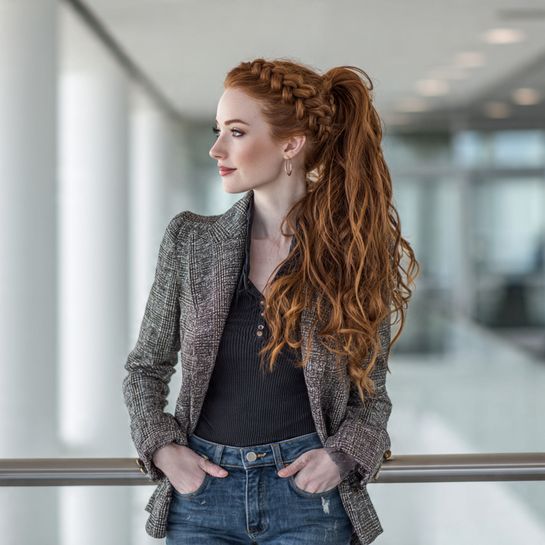
5. Cornrow Braid Pattern
Geometric protective elegance. Straight-back cornrows in neat rows creates sleek sophisticated look.

6. Waterfall Braid Half-Up
Cascading romantic detail. Braid incorporating falling strands creates delicate crown effect.
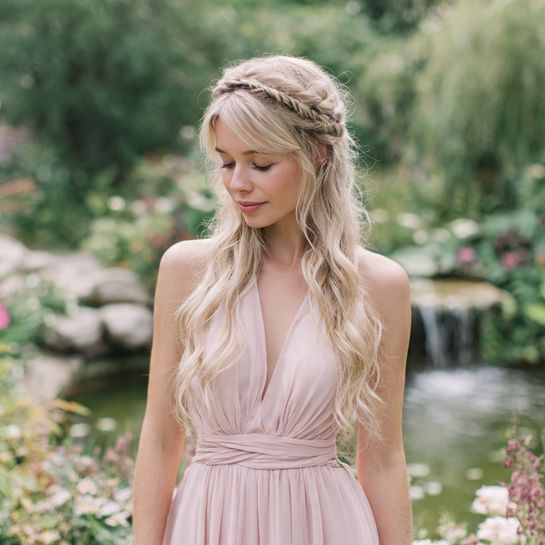
7. Braided Space Buns
Playful youthful style. Hair parted into two sections, each braided then twisted into bun creates fun look.
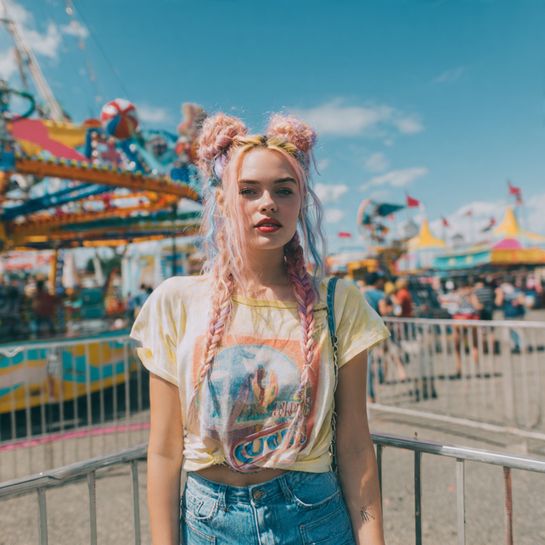
8. Pull-Through Braid
Voluminous faux-braid technique. Ponytails pulled through each other creates thick dimensional braid.
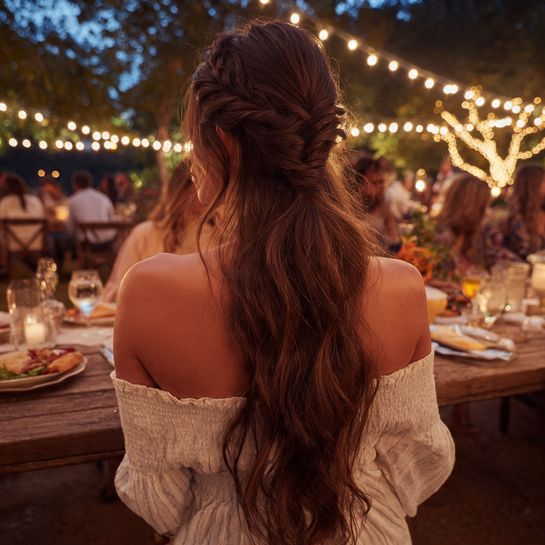
9. Boxer Braids with Extensions
Long sleek athletic style. Two tight braids extended with added hair creates dramatic length.
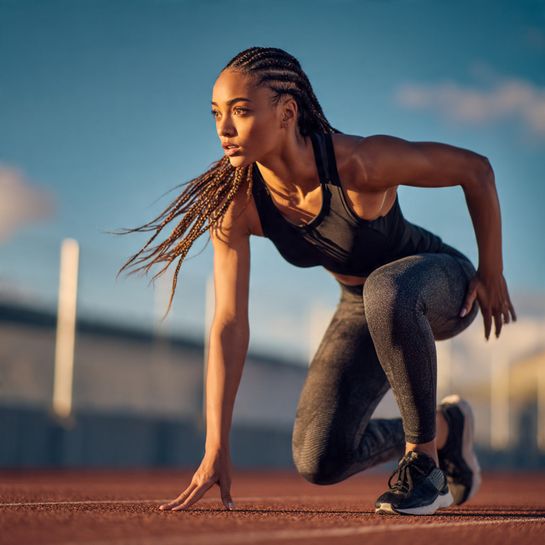
10. Milkmaid Braid
Wrapped crown elegance. Two braids pinned across top of head creates vintage-inspired halo.
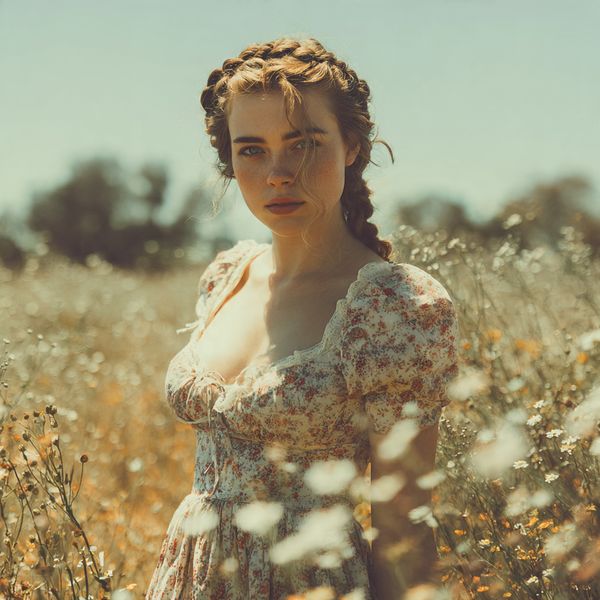
11. Side-Swept Fishtail
Romantic over-shoulder texture. Fishtail braid draped to one side creates elegant asymmetry.
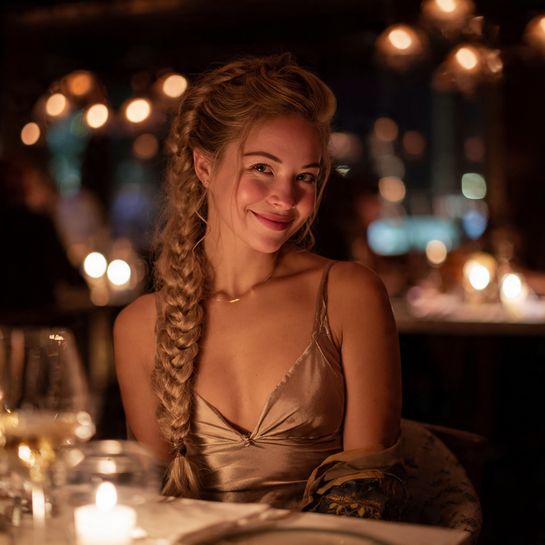
12. Braided Mohawk Updo
Edgy formal combination. Center section braided with sides slicked creates bold elegant style.
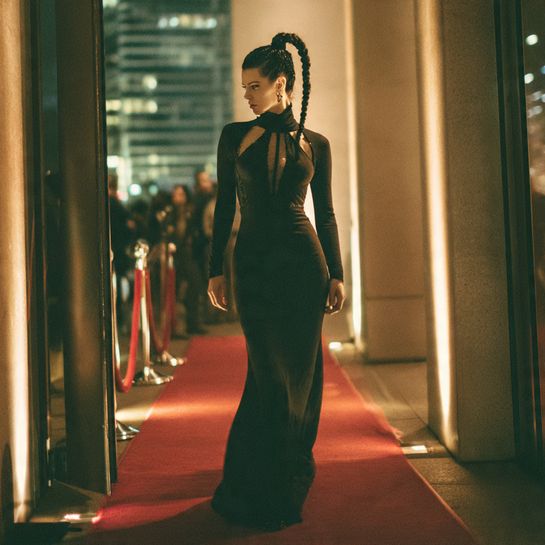
13. Loose Bohemian Braid
Textured undone romance. Loosely woven braid with intentional mess creates effortless boho style.
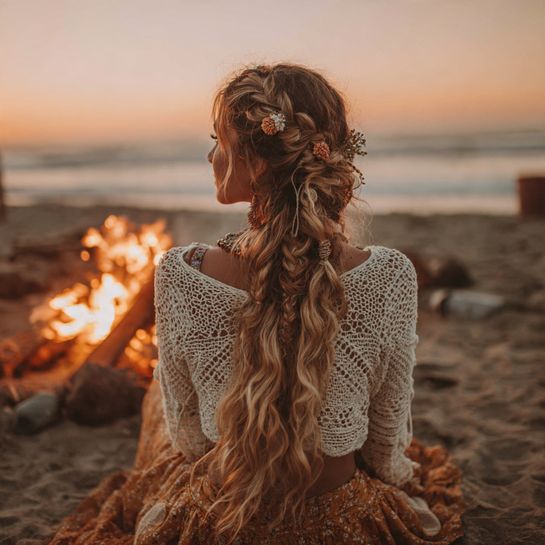
14. Four-Strand Braid
Intricate woven detail. Complex four-section braiding creates unique textured pattern.
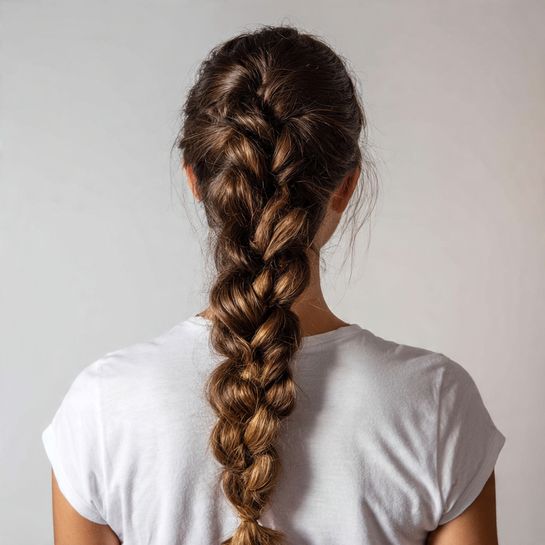
15. Braided Low Bun
Classic sophisticated updo. Braid wrapped into low bun creates polished formal style.

16. Accent Braid in Loose Hair
Subtle detail enhancement. Single small braid in otherwise loose hair adds interest.
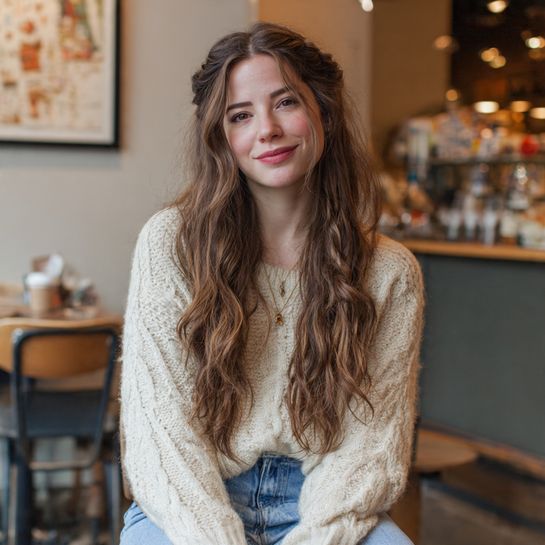
17. Twisted Crown Braid
Rope-braid halo variation. Twisted sections wrapped around head creates textured crown.
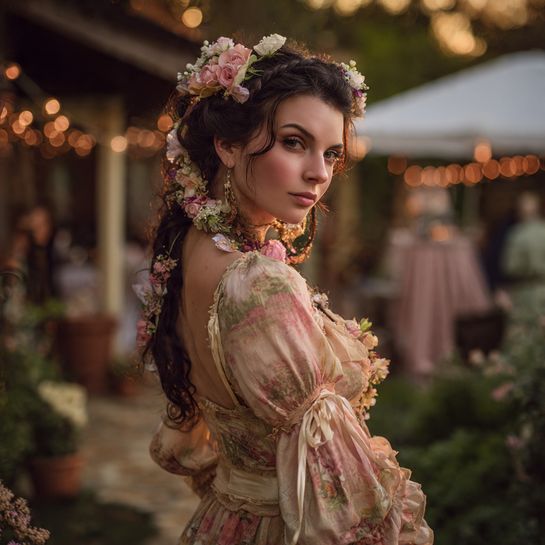
18. Braided Ponytail with Wrap
Polished athletic elegance. High ponytail with braid wrapped around base creates refined sporty look.
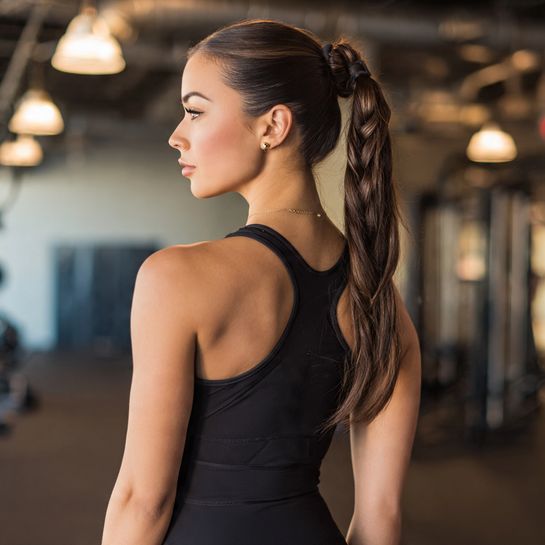
19. Snake Braid
Curved dimensional pattern. Braid woven in S-curve pattern creates unique visual interest.

20. Bubble Braid Pigtails
Playful voluminous style. Two braids with sections pulled into bubbles creates fun dimensional look.

21. French Braid into Low Ponytail
Casual polished transition. French braid from crown transitioning into ponytail creates practical elegance.
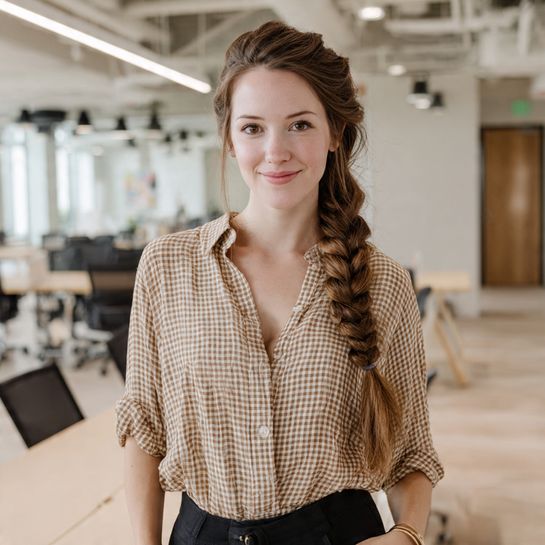
22. Lace Braid Half-Up
Delicate detailed crown. Thin intricate braid across crown creates lace-like detail.
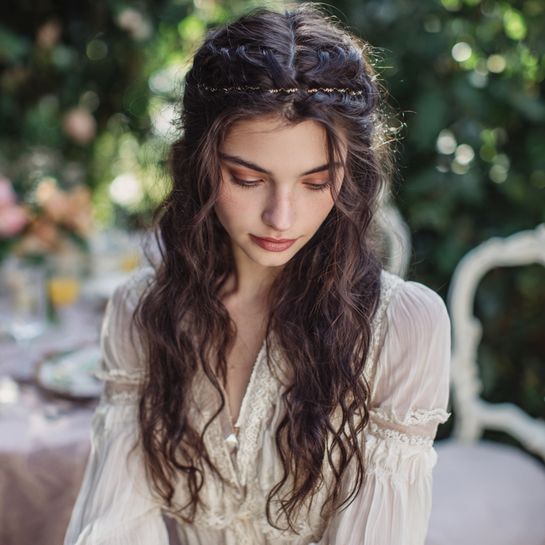
23. Braided Bangs
Face-framing detail. Front section braided back from face creates practical pretty accent.
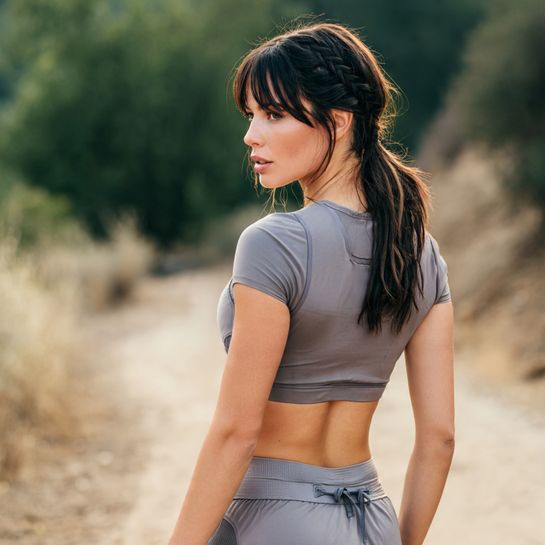
24. Infinity Braid
Figure-eight pattern technique. Complex weaving creating infinity symbol pattern adds unique detail.
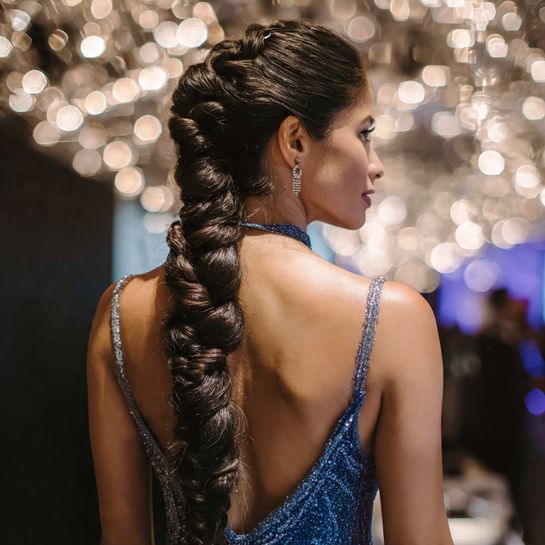
25. Mixed Braid Combination
Multiple techniques merged. Various braiding styles combined in one look creates complex beautiful result.
The Cultural Heritage of Braids
Braiding carries deep cultural significance across many traditions. African cultures developed intricate braiding patterns over thousands of years, with styles indicating age, marital status, wealth, and tribal affiliation. These protective styles continue evolving while honoring ancestral traditions.
European braiding traditions include Viking and Celtic patterns. Asian cultures developed unique braiding techniques. Respect cultural origins when adopting braiding styles, acknowledging their heritage rather than appropriating without understanding.
Benefits of Braided Hairstyles
Braids offer practical benefits beyond aesthetics. They protect hair from environmental damage, reduce tangling, and minimize daily manipulation that can cause breakage. For active lifestyles, braids keep hair secure during sports and exercise.
Protective braiding allows hair rest from heat styling and chemical processing. Many people see improved hair health and growth while wearing protective braided styles regularly.
Braiding for Different Hair Types
Fine hair gains volume through braiding—loosening sections creates fuller appearance. Thick hair becomes manageable when braided, preventing overwhelming volume. Curly and textured hair thrives in braided protective styles that reduce shrinkage and tangling.
Different textures require adapted techniques. Slippery straight hair needs tighter tension. Textured hair may need moisturizing products before braiding. Understanding your hair type ensures successful braiding results.
Essential Braiding Techniques
French braiding incorporates new sections as you braid downward. Dutch braiding (reverse French) creates braids that sit on top rather than tucked under. Fishtail uses two sections instead of three for distinctive pattern.
Rope braids twist two sections around each other. Four-strand and five-strand braids create more complex patterns. Mastering basic three-strand braiding provides foundation for learning advanced techniques.
Tools and Products for Braiding
Successful braiding requires minimal tools: fine-tooth comb for parting, hair elastics for securing, bobby pins for updos, and possibly clips for sectioning. Texturizing spray helps grip slippery hair. Edge control smooths flyaways for sleek styles.
For protective braiding, moisturizing products prevent dryness. Leave-in conditioner, oils, and edge control keep hair healthy and neat within braids. Quality products improve both braiding process and longevity.
Braid Maintenance and Longevity
Simple braids last one to several days depending on complexity and hair type. Protective braided styles can last weeks with proper care. Sleep on satin pillowcases or use bonnets to prevent frizzing.
Refresh braids by smoothing edges with water or edge control. Some styles benefit from light oil to maintain moisture. Remove braids gently to prevent damage—never pull or rush the process.
DIY vs. Professional Braiding
Simple braids—three-strand, basic French, ponytail braids—are achievable at home with practice. Complex patterns, cornrows, and protective styles benefit from professional expertise, especially for sections you can’t see.
Practice basic techniques on friends or mannequin heads before attempting on yourself. YouTube tutorials provide excellent instruction for various braiding methods.
Accessorizing Braided Styles
Accessories enhance braided hairstyles. Flowers create romantic bohemian aesthetics. Ribbons woven through braids add color and texture. Beads on braid ends create movement and cultural connection.
Metallic cuffs, decorative pins, and jeweled accessories elevate simple braids to special-occasion worthy. Keep accessories proportional to braid size for balanced appearance.
Braids for Special Occasions
Weddings, proms, and formal events showcase elaborate braided updos. Crown braids create bridal elegance. Intricate patterns demonstrate artistry appropriate for significant celebrations.
Even simple braids become special-occasion worthy with strategic placement and accessorizing. A basic side braid with flowers transforms into romantic date-night hair.
Seasonal Braiding Considerations
Spring’s moderate temperatures make braiding comfortable—not too hot for scalp proximity like summer, not too cold for exposed necks like winter. Spring activities—outdoor events, travel, sports—benefit from braided hair’s practicality.
Lighter spring colors in hair show braiding patterns beautifully. Dimensional color creates depth within braided textures that solid colors can’t achieve.
Healthy Hair in Braids
Never braid wet hair—it stretches when wet and contracts when dry, causing breakage. Ensure hair is completely dry before braiding. Don’t braid too tightly—tension causes hair loss and discomfort.
Moisturize hair before braiding and maintain moisture during wear. Remove protective braids on schedule—leaving them too long causes matting and breakage.
Learning Resources
Online tutorials make learning braiding more accessible than ever. YouTube channels dedicated to hair braiding teach techniques from beginner to advanced. Instagram provides inspiration and step-by-step visual guides.
Practice develops skill—early attempts may be messy, but consistent practice improves technique. Start with simple styles, gradually advancing to complex patterns as confidence grows.
Embracing Braided Beauty
These 25 spring braided hairstyles for 2026 celebrate braiding’s timeless versatility. They prove that braids work across occasions, hair types, and personal styles while offering practical benefits and gorgeous aesthetics.
Spring 2026 invites you to explore braiding’s creative possibilities. Whether mastering simple techniques for everyday wear or seeking professional braiding for special occasions, there’s a braided style that fits your life, hair, and aesthetic.
Braids connect us to ancient traditions while remaining utterly contemporary. They’re protective and beautiful, practical and artistic, simple and complex. Your hair becomes woven art—a canvas where creativity, culture, and personal style intertwine into something uniquely yours.