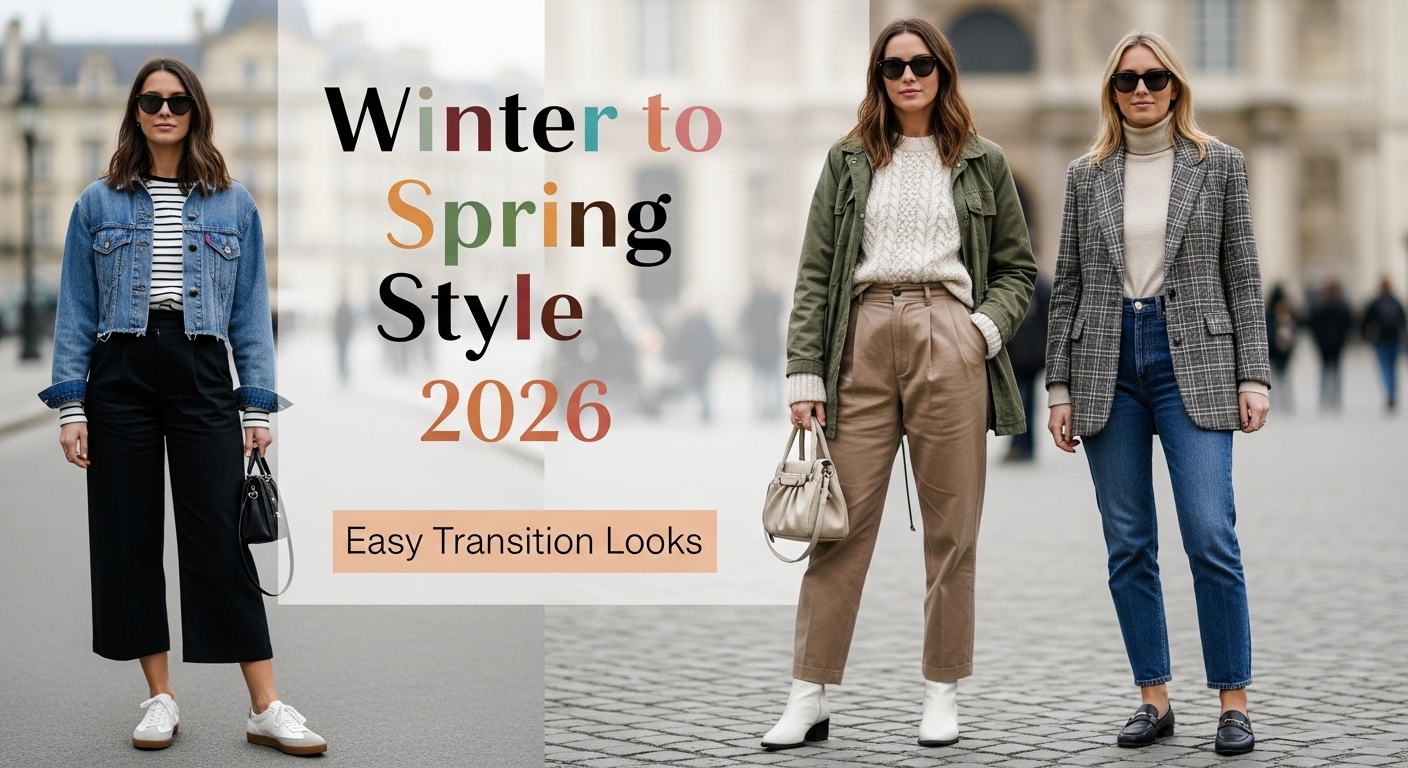
The awkward phase between winter and spring presents one of fashion’s greatest challenges—mornings start frosty while afternoons warm up, unpredictable weather fluctuates hourly, and your wardrobe sits caught between heavy coats and sundresses. Spring 2026 solves this seasonal dilemma with smart transitional outfits that adapt to temperature swings while looking intentionally styled rather than confused. The key lies in strategic layering, versatile pieces that work across seasons, and fabrics that provide warmth without bulk. These aren’t complicated ensembles requiring extensive planning; they’re practical solutions using items you likely already own, combined in fresh ways that carry you comfortably through this in-between season. From lightweight knits that layer beautifully to trench coats that shield against spring showers, from ankle boots that bridge winter and spring aesthetics to scarves that add warmth when needed, these transitional outfits embrace the unpredictability of seasonal change. Let’s explore 21 easy transition looks that eliminate morning wardrobe stress while keeping you perfectly dressed for whatever weather this temperamental season delivers!
1. Trench Coat Over Sweater and Jeans
Classic layering foundation. Lightweight trench coat over medium-weight sweater and jeans creates adaptable outfit for fluctuating temperatures.

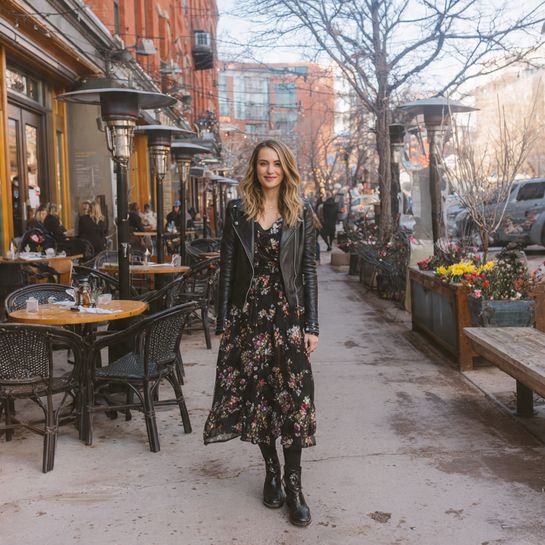
2. Leather Jacket with Long-Sleeve Dress
Edge meets feminine. Black leather jacket over midi or maxi dress in lightweight fabric bridges seasons while creating interesting style contrast.
3. Cardigan Layered Over Button-Down and Jeans
Three-piece versatility. Cardigan over collared shirt with jeans allows temperature adjustment by removing layers as day warms.

4. Light Sweater with White Jeans and Sneakers
Spring preview with warmth. Pastel or neutral lightweight sweater with white jeans signals spring while providing necessary warmth.

5. Midi Skirt with Sweater and Ankle Boots
Transitional silhouette. Midi skirt in heavier fabric paired with fitted sweater and boots works through temperature changes while remaining polished.

6. Blazer Over Hoodie with Trousers
High-low layering. Structured blazer over casual hoodie with tailored trousers creates contemporary transitional look mixing formality levels.

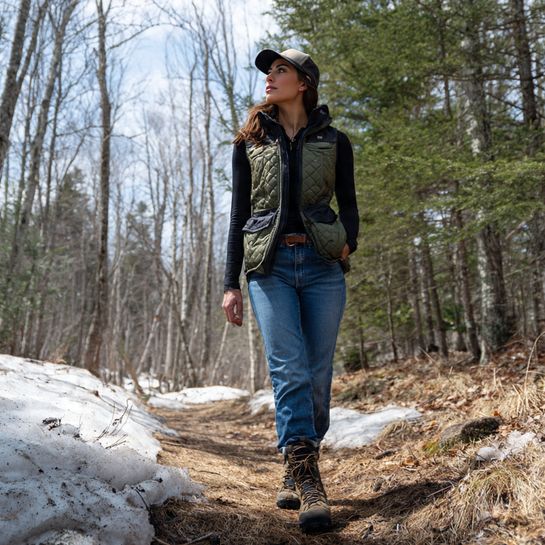
7. Vest Layering with Long Sleeves
Sleeveless outerwear adds core warmth. Puffer vest or quilted vest over long-sleeve tee with jeans provides adaptable temperature control.
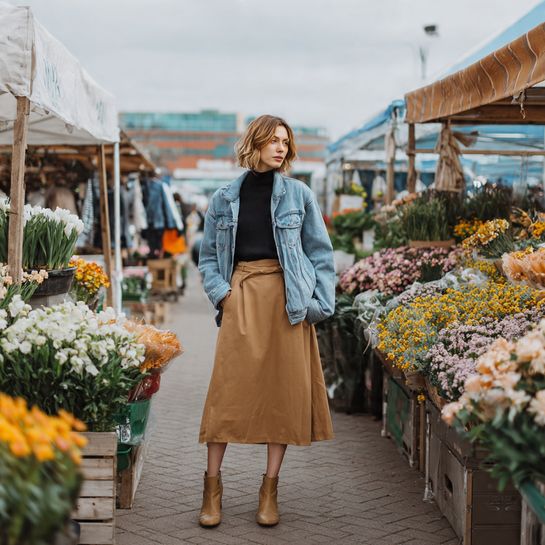
8. Denim Jacket with Turtleneck and Skirt
Canadian tuxedo variation. Denim jacket over turtleneck with skirt combines coverage with breathability for changeable weather.
9. Long Cardigan as Outerwear
Cozy layering piece becomes coat alternative. Floor-length cardigan over simple tee and jeans creates comfortable transitional outfit.

10. Transitional Dress with Tights and Jacket
One piece, multiple layers. Spring dress with tights and leather or jean jacket bridges seasons while simplifying outfit decisions.

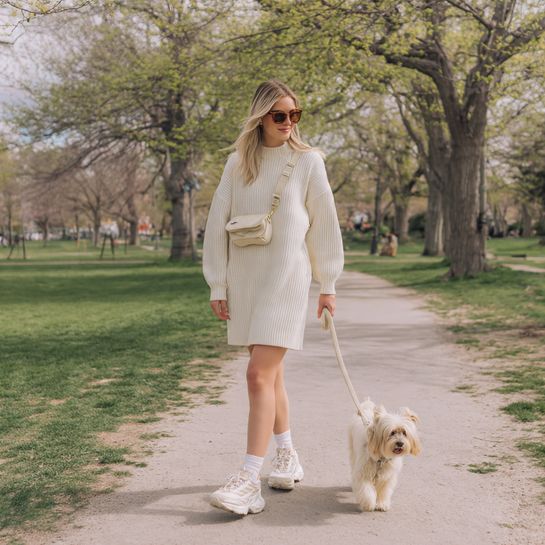
11. Sweater Dress with Sneakers
Comfortable transitional uniform. Midi sweater dress in lighter knit with sneakers creates easy outfit working indoors and out.
12. Lightweight Scarf Adding Warmth
Accessory-based temperature control. Spring outfit with lightweight scarf provides neck warmth for cool mornings, easily removed later.

13. Utility Jacket with Layered Basics
Practical outerwear solution. Olive or khaki utility jacket over layered tees and jeans creates casual transitional look with pocket functionality.

14. Cropped Pants with Long Coat
Proportional transitional styling. Ankle-length trousers with longer coat creates interesting silhouette while accommodating weather changes.

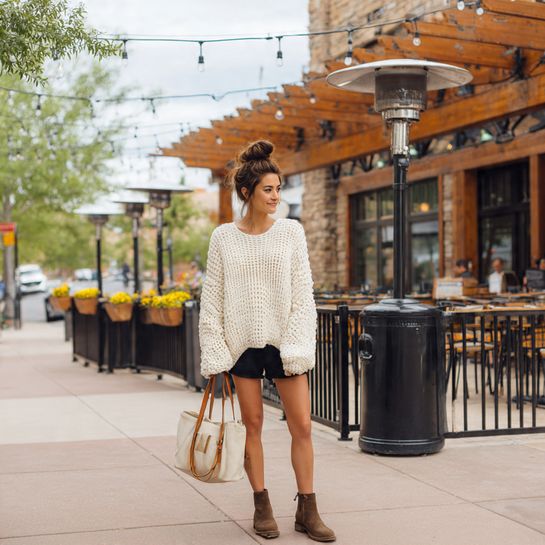
15. Oversized Sweater with Bike Shorts and Boots
Cozy casual transition. Chunky oversized sweater over bike shorts with ankle boots creates comfortable layered look for unpredictable days.
16. Maxi Dress with Denim Jacket and Sneakers
Bohemian transitional ease. Flowing maxi dress with jean jacket and sneakers combines coverage with breathability and casual comfort.

17. Knit Skirt with T-Shirt and Cardigan
Texture mixing for transition. Ribbed knit midi skirt with simple tee and cardigan creates dimension while allowing layer removal.

18. Chinos with Striped Top and Blazer
Preppy transitional polish. Neutral chinos with striped long-sleeve tee and blazer creates put-together look working across settings.

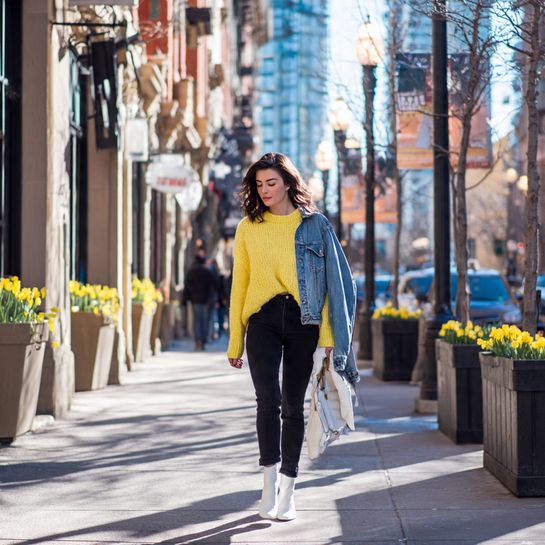
19. Black Jeans with Colorful Sweater
Winter base with spring accent. Black jeans provide winter familiarity while colorful lightweight sweater signals spring optimism.
20. Wide-Leg Pants with Tucked-In Tee and Jacket
Relaxed transitional proportions. Flowing wide-leg pants with fitted tee and structured jacket balances comfort and polish.

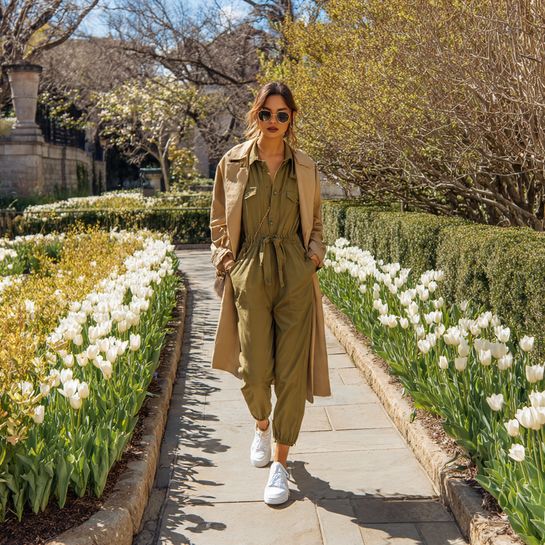
21. Jumpsuit with Layered Jacket
One-piece simplicity with adaptability. Lightweight jumpsuit with jacket layer creates easy transitional outfit for variable temperatures.
Understanding Transitional Seasons
The winter-to-spring transition typically spans late February through April, though timing varies by location. Temperatures fluctuate dramatically—freezing mornings becoming mild afternoons, sunny days alternating with cold snaps, rain showers appearing unexpectedly.
Transitional dressing requires flexibility and adaptability. The goal is staying comfortable throughout the day despite changing conditions, which means thinking in layers that can be added or removed as needed.
The Art of Layering
Successful transitional outfits rely on strategic layering. Start with breathable base layers that wick moisture if you warm up. Add insulating mid-layers like sweaters or hoodies. Finish with weather-resistant outer layers—jackets, coats, or cardigans.
Each layer should function independently, allowing you to remove pieces as temperatures rise without your outfit falling apart visually. A tank under a sweater under a jacket gives three wearable combinations as you shed layers.
Fabric Selection Matters
Choose fabrics appropriate for transition weather. Lightweight knits provide warmth without summer’s heaviness. Cotton and linen blends breathe while offering light insulation. Avoid heavy winter wools and light summer gauze—both are too extreme.
Weather-resistant outer layers protect against spring’s unpredictable rain and wind. Trench coats, denim jackets, and light rain jackets shield you without causing overheating on warmer afternoons.
Color Bridges Seasons
Transitional color palettes draw from both seasons. Incorporate winter’s deeper tones—navy, burgundy, forest green—with spring’s lighter shades—pastels, creams, soft blues. This color bridging visually represents the seasonal shift.
Neutrals excel during transition—beige, grey, tan, white, and black work year-round and pair easily with both winter and spring accent colors. Build transitional outfits on neutral foundations for maximum versatility.
Footwear Transitions
Shoes significantly impact outfit seasonality. Ankle boots bridge winter and spring beautifully—providing coverage and warmth while working with cropped pants and midi skirts. Loafers and oxford-style shoes offer classic transitional footwear.
Sneakers work across seasons, especially in white or neutral colors. Save open-toe sandals for genuinely warm days and winter boots for truly cold weather. Transitional footwear should handle potentially wet conditions while looking appropriate for emerging spring.
Outerwear as Key Piece
Transitional outerwear makes or breaks these outfits. Trench coats epitomize spring transitions—weather-resistant, lightweight, and timelessly stylish. Denim and leather jackets provide warmth without bulk. Light parkas or field jackets offer casual alternatives.
Invest in quality transitional outerwear—it gets heavy use during this lengthy seasonal shift. Classic styles in neutral colors work with everything and last years, making them worthwhile investments.
The Scarf Solution
Scarves provide adjustable warmth perfect for transition weather. Lightweight scarves add neck warmth for chilly mornings, easily removed and tied to bags as temperatures rise. They also add color, pattern, and style interest to simple outfits.
Choose scarves in transitional fabrics—cotton, lightweight wool, or silk blends. Avoid heavy winter scarves that overwhelm spring outfits or summer scarves too thin to provide warmth.
Versatile Wardrobe Building
Transitional dressing highlights the value of versatile wardrobes. Pieces working across seasons maximize utility and justify investment. A good leather jacket, classic trench, quality jeans, and neutral sweaters serve you year-round.
Assess your wardrobe for transitional pieces you already own. Often, smart combinations of existing items create perfect transition outfits without requiring new purchases. Creative mixing maximizes what you have.
Regional Considerations
Transition timing and requirements vary geographically. Southern regions may barely need winter-to-spring transitions, jumping quickly to summer weather. Northern climates experience extended transitions with potential snow into April.
Adapt these outfit ideas to your specific climate. The concepts—layering, weather-appropriate fabrics, adaptable combinations—apply universally, but execution varies based on your location’s particular transitional challenges.
Practical Daily Application
Real life requires outfits working for multiple activities. Transitional pieces excel here—outfits appropriate for work, errands, and casual social activities without changes. This versatility simplifies busy lives where you don’t have time for multiple outfit changes.
Consider your daily routine when planning transitional outfits. If you commute outdoors then work in air-conditioning, layers you can remove and carry are essential. If you’re primarily indoors, focus on pieces comfortable in climate-controlled environments.
Sustainable Seasonal Transitions
Transitional dressing supports sustainable fashion. Rather than separate winter and spring wardrobes, you maximize pieces working across both seasons. This reduces consumption and waste while simplifying your closet.
Investing in quality transitional pieces—they get worn more frequently than purely seasonal items, making cost-per-wear very favorable. A great trench coat or leather jacket serves you for decades across countless seasonal transitions.
Confidence Through Preparation
Knowing you have appropriate transitional outfits eliminates daily stress. When your wardrobe includes reliable combinations handling unpredictable weather, getting dressed becomes effortless rather than frustrating.
Prepare transitional outfits in advance. Organize your closet so layering pieces are accessible together. This morning efficiency ensures you’re appropriately dressed regardless of weather surprises.
Embracing Transitional Style
These 21 winter-to-spring transition outfits for 2026 prove that seasonal change doesn’t require wardrobe panic. With smart layering, versatile pieces, and strategic combinations, you can dress comfortably and stylishly through this unpredictable phase.
Spring transition is actually an opportunity for creative dressing. The layering possibilities create interesting dimension and texture combinations impossible in single-season dressing. Embrace this seasonal shift as a chance to showcase your styling skills and wardrobe versatility.