There’s a specific sensation that arrives with the perfect spring haircut—that delicious physical lightness when weight lifts from your head and shoulders, when your hair suddenly moves differently, catches light differently, frames your face with fresh intention. It’s partly physical reality and partly something more elusive: the psychological lift that comes from aligning your outer appearance with the season’s fundamental energy of renewal and beginning. Spring insists on lightness, and the right haircut delivers that promise completely.
Modern spring haircuts in 2026 have developed a sophisticated relationship with lightness that goes far beyond simply removing length or bulk. The most compelling contemporary cuts achieve lightness through architectural intelligence—strategic layer placement that creates movement and float rather than heaviness, precision texturing that removes weight from exactly the right locations while preserving shape and structure, and cutting techniques borrowed from couture fashion that create visual buoyancy even in longer styles. These aren’t accidental haircuts; they’re engineered lightness delivered through genuine craft.
What distinguishes truly modern haircuts from merely current ones is their engagement with your hair’s natural characteristics rather than imposition of an external ideal. Modern cutting philosophy begins with understanding your specific hair—its texture, density, growth patterns, and natural movement—and working with these qualities intelligently rather than fighting them. A modern haircut makes your hair look like the best possible version of itself rather than a different hair type wearing a style borrowed from someone else entirely.
Spring 2026 specifically celebrates cuts that perform beautifully in the season’s particular conditions—that air-dry gracefully when humidity begins building, that move honestly in spring breezes rather than holding artificial stillness, that maintain their integrity through the increasingly active outdoor lives spring invites. These are haircuts for real spring living: farmers markets, outdoor concerts, spontaneous park afternoons, and all the beautiful ordinary moments that make spring the most beloved season for so many people.
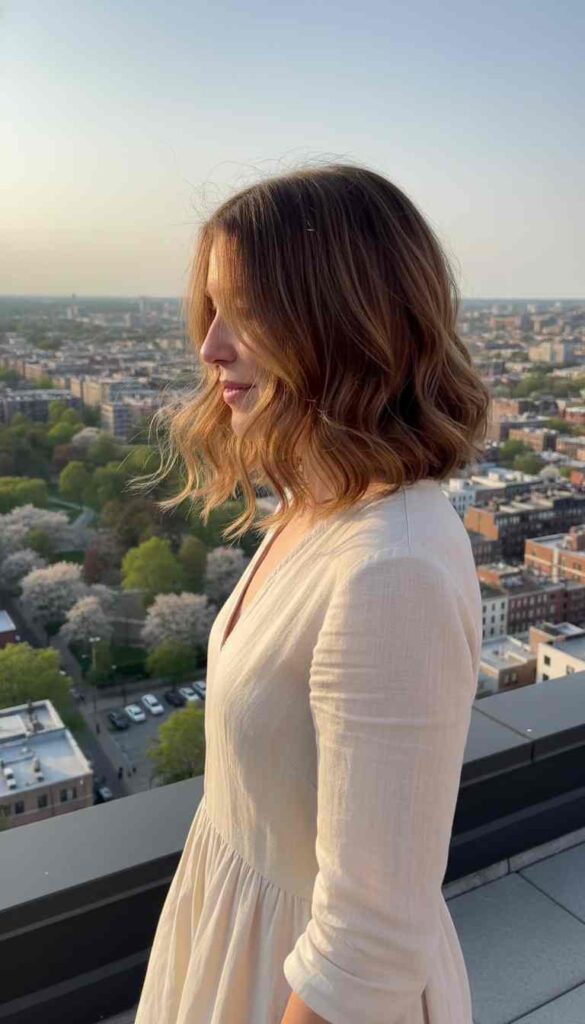
1. The Airy Layered Lob
Layers cut specifically to create float and movement through collarbone-length hair.
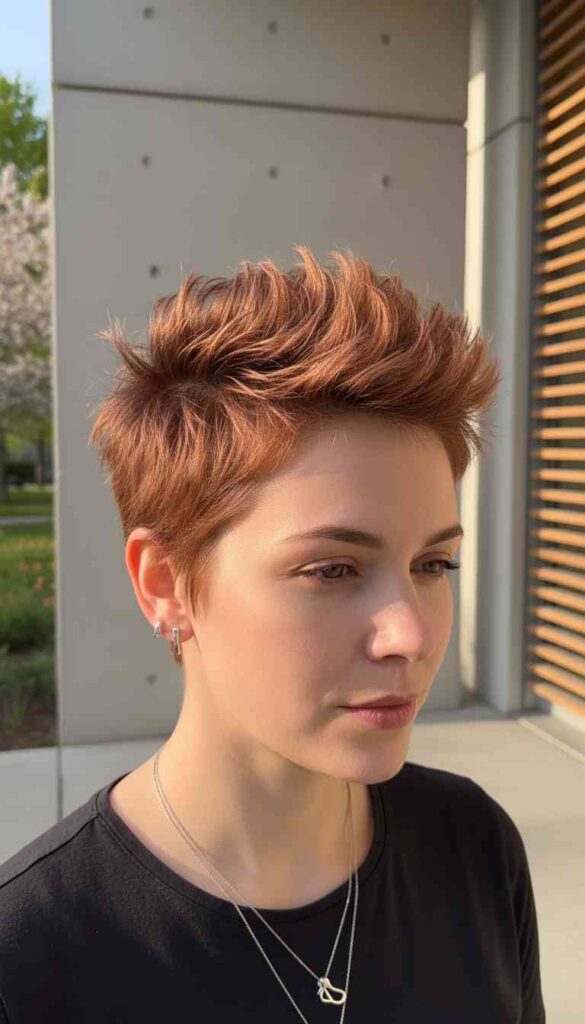
2. The Textured Pixie Float
Ultra-short pixie with deliberately textured crown creating weightless dimensional form.
3. Curtain Bang Bob
Chin-length bob with long curtain bangs creating face-framing movement.
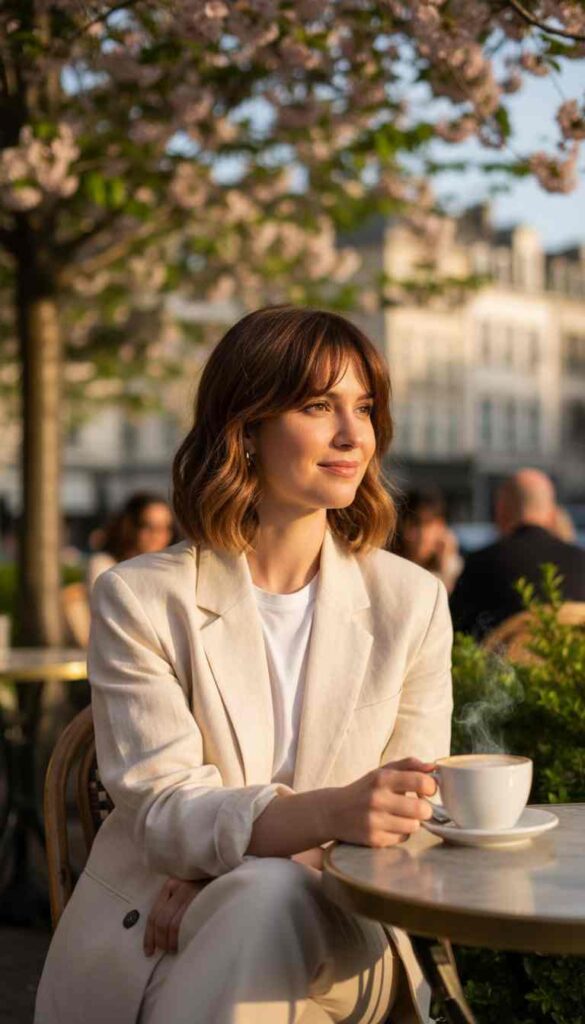
4. The Modern Shag Revival
Updated shag with refined layers creating contemporary version of classic rock-inspired cut.
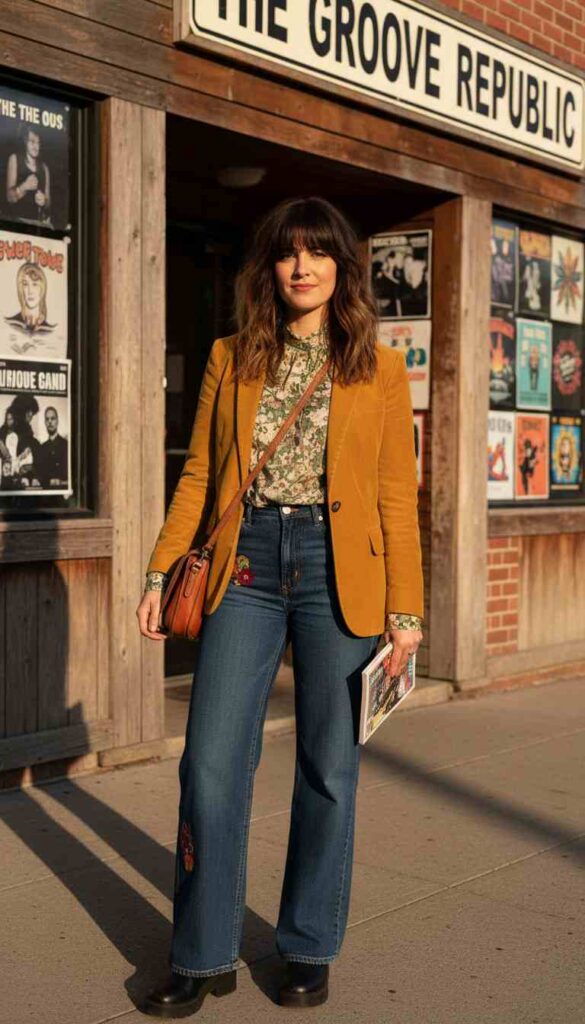
5. The Butterfly Cut
Long hair with distinctive butterfly wing-shaped internal layers creating remarkable volume.
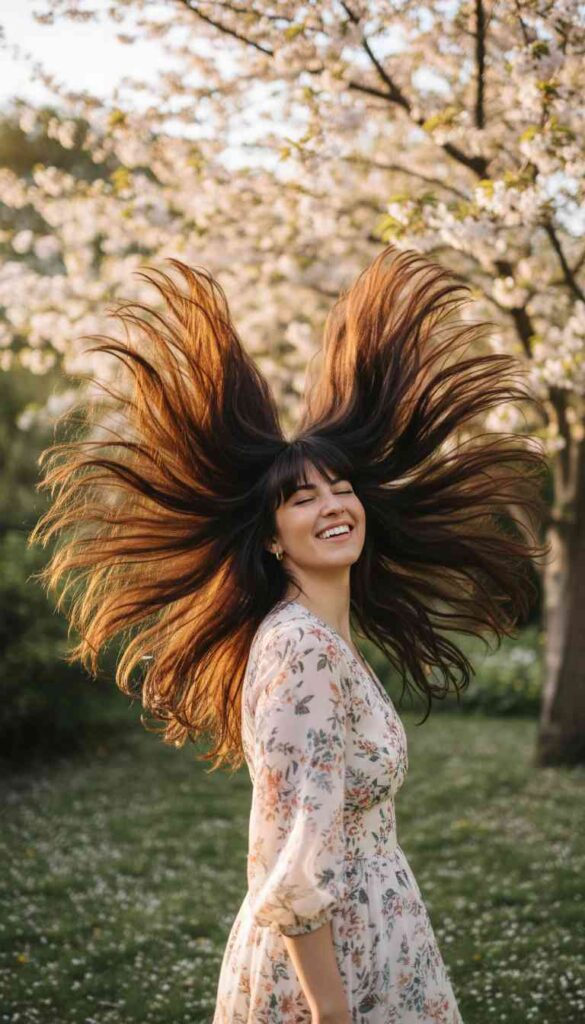
6. Precision Geometric Lob
Mathematically precise angles in shoulder-length bob creating architectural modern statement.
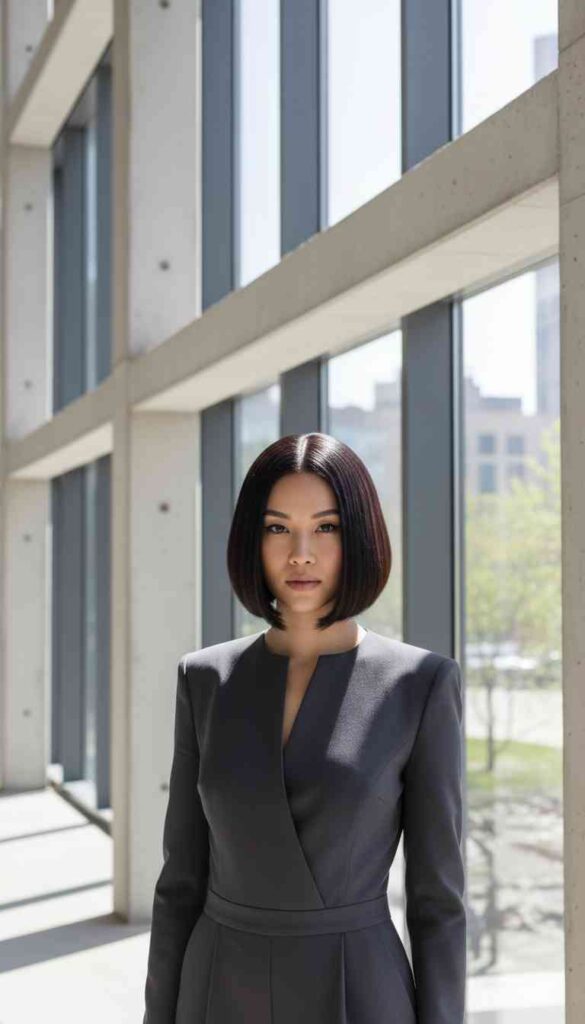
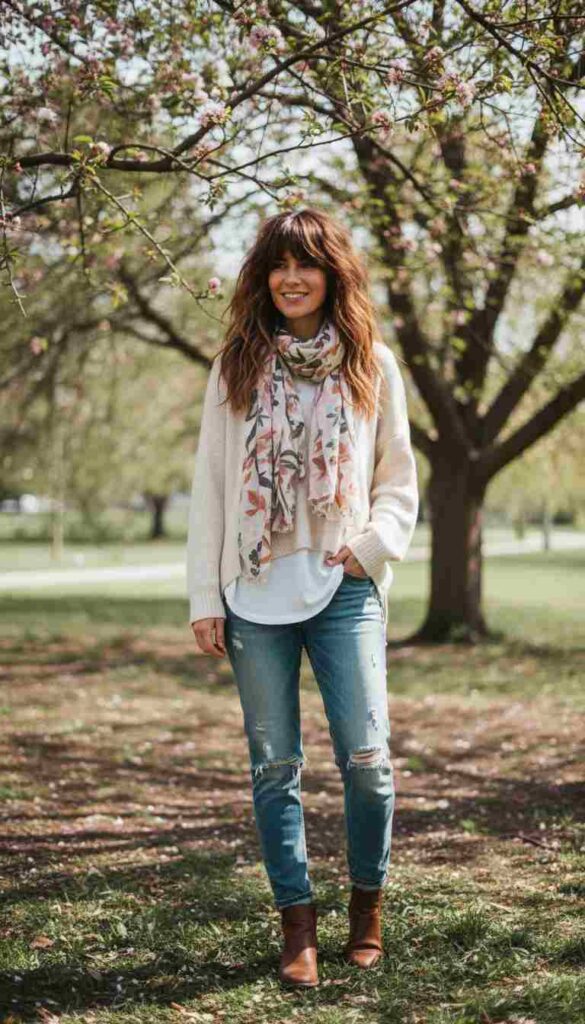
7. The Effortless Wolf Cut
Long wolf cut with heavy layers and face framing creating effortless lived-in modern style.
8. Razored Collarbone Cut
Razor-cut technique creating feathered light ends on collarbone-length hair.

9. The Modern Mullet Refined
Contemporary mullet with shorter structured front and longer textured back refined for professional contexts.

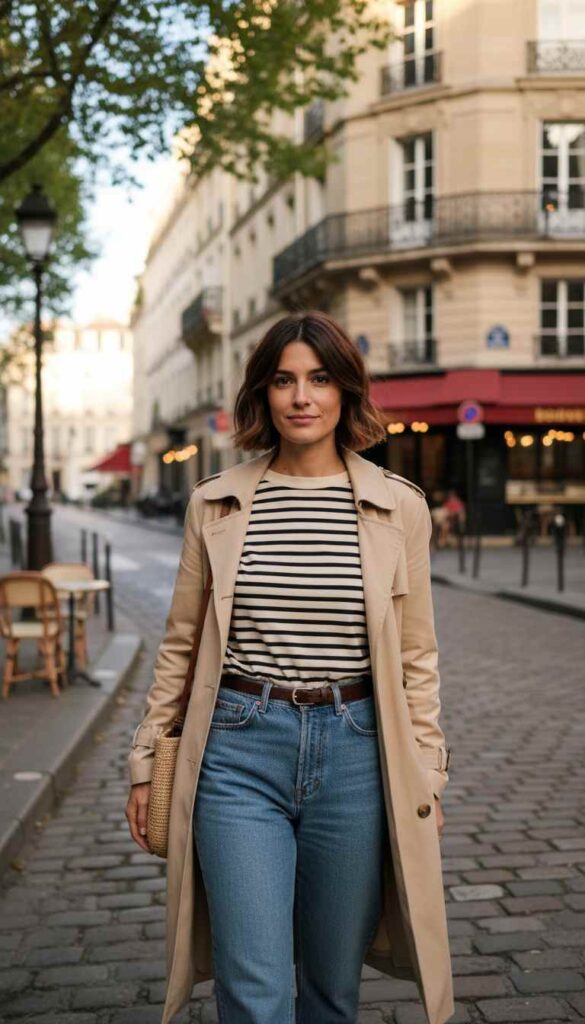
10. Lived-In French Bob
Classic Parisian bob updated with intentional lived-in texture creating contemporary casual elegance.
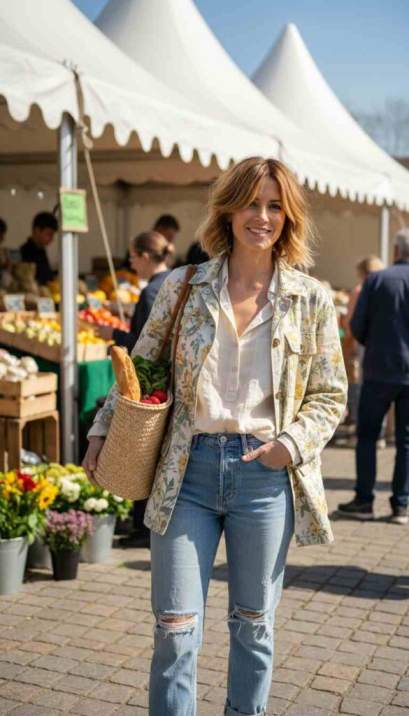
11. The Long Pixie Transition
Longer pixie creating space between classic pixie and bixie with beautiful versatility.
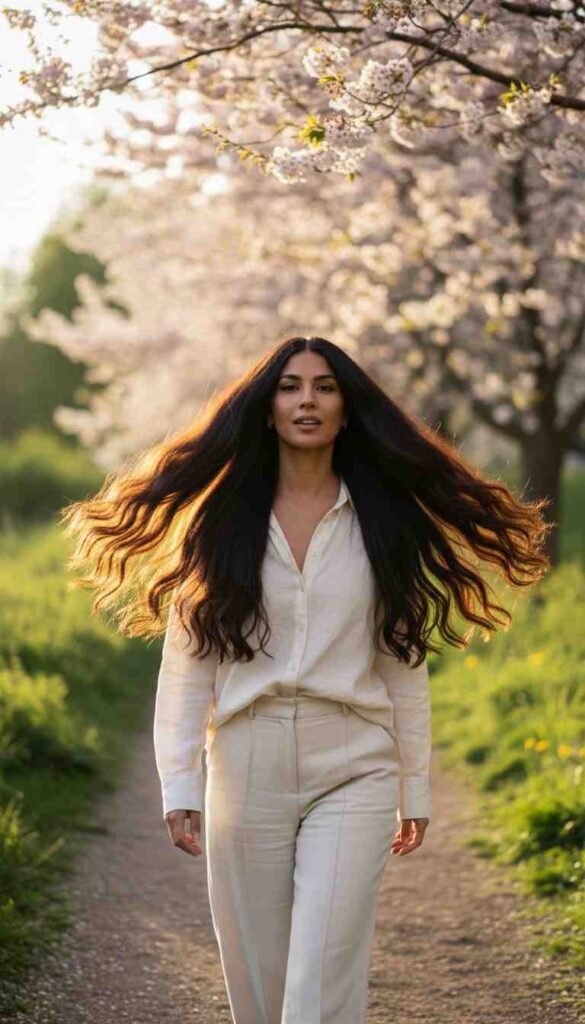
12. Invisible Layer Long Hair
Long hair with invisible internal layers creating movement without visible layer lines.
13. The Textured Midi Bob
Medium bob between chin and shoulder with heavy internal texture creating body.
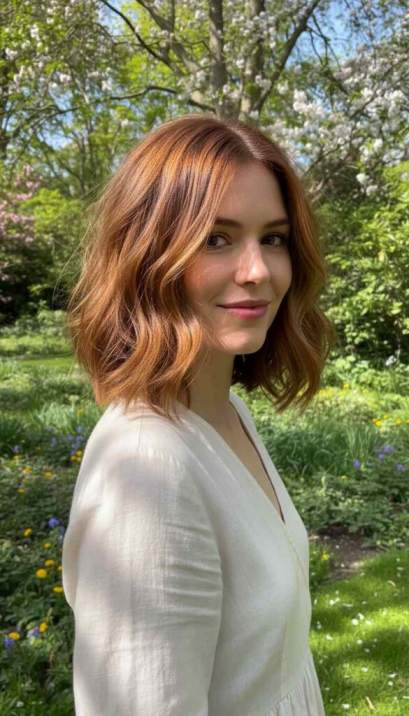
14. Asymmetric Long Bob
Deliberately unequal lengths in extended bob creating modern asymmetric statement.
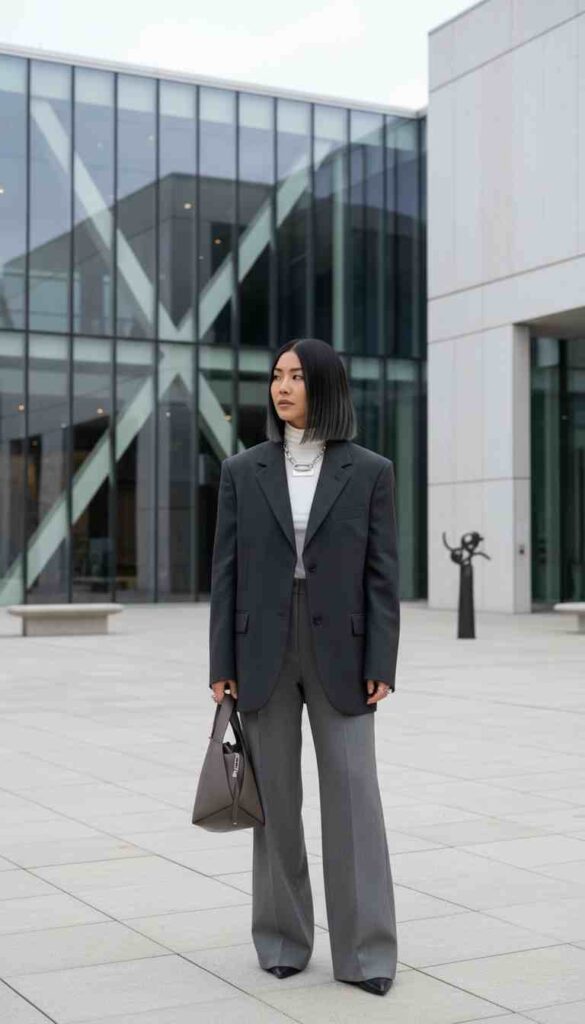
15. The Cloud Perm Bob
Soft cloud perm on bob-length hair creating gentle permanent wave texture.
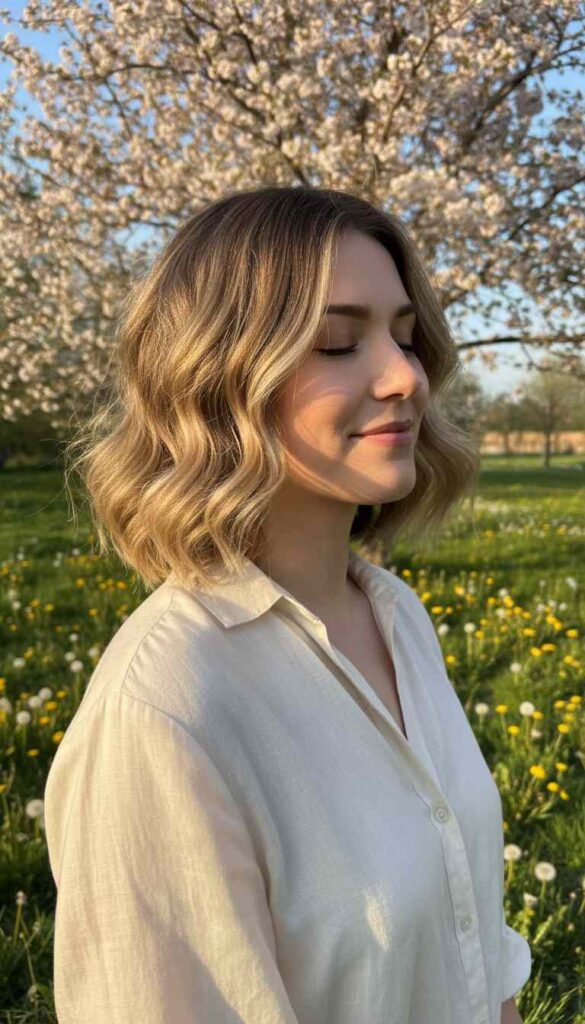
16. Undone Beach Wave Lob
Shoulder-length lob with deeply textured beach waves creating perpetual just-from-ocean aesthetic.
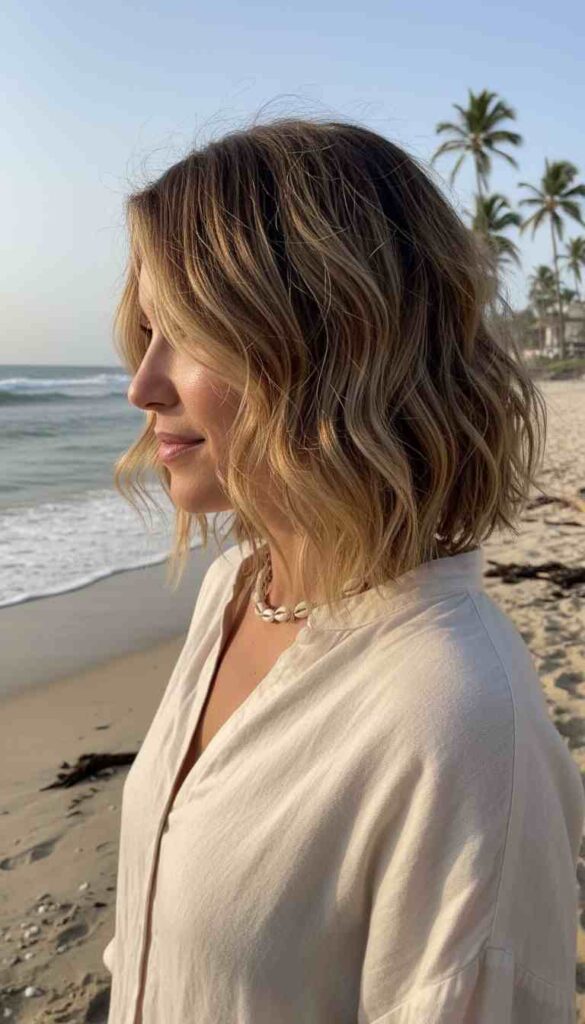
17. The Power Bob
Chin-length bob with power-forward blunt cut creating assertive professional modern statement.
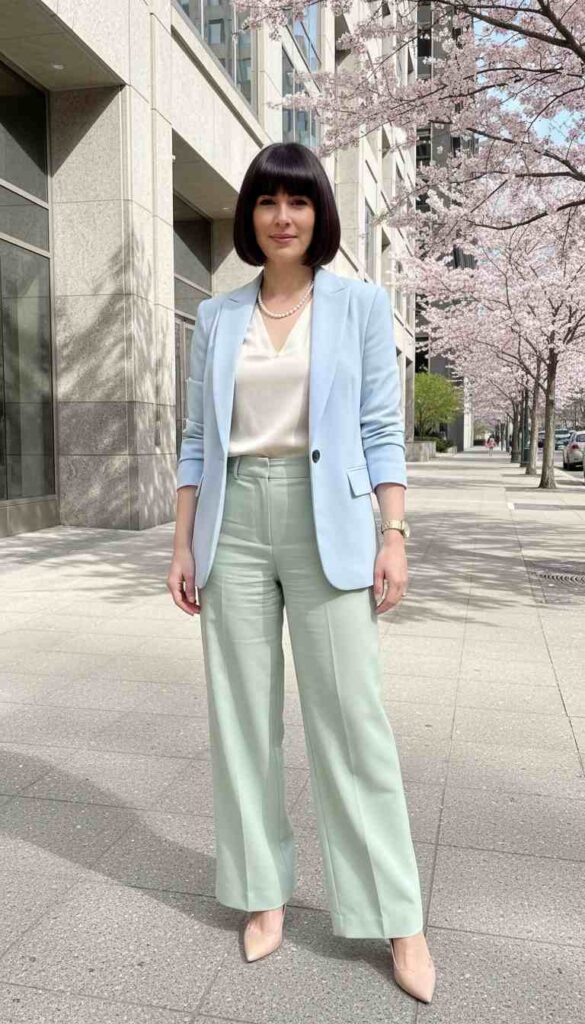
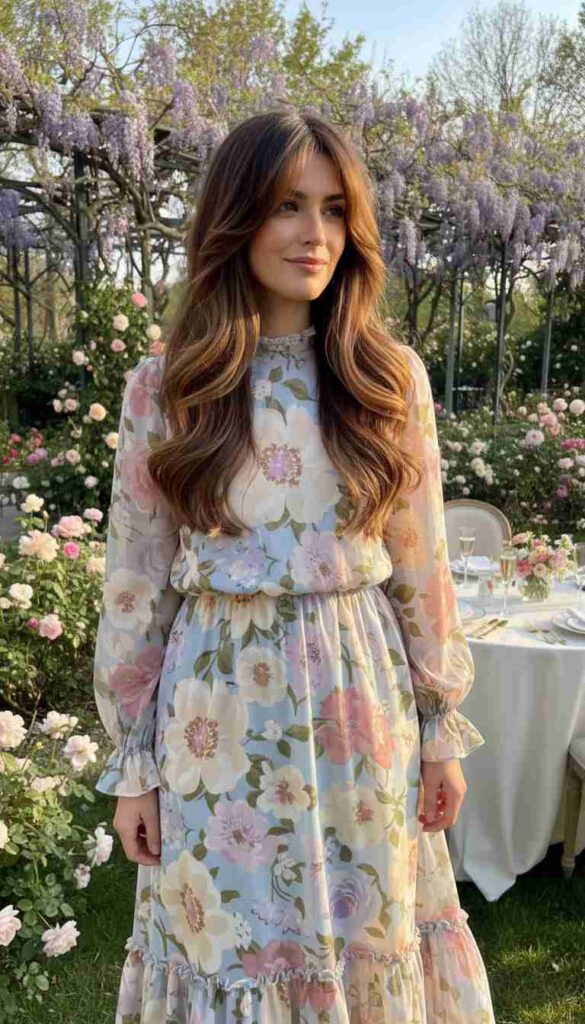
18. Layered Curtain Bang Long Cut
Long hair with strategic layers and pronounced curtain bangs creating romantic frame.
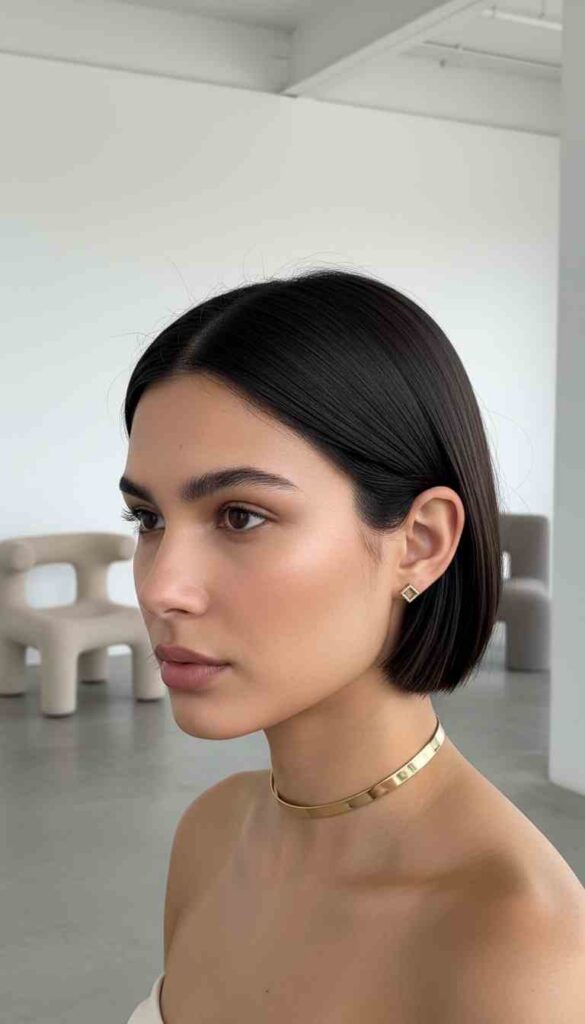
19. The Micro Bob Rebirth
Very short bob cut close to jaw creating bold minimal modern statement.
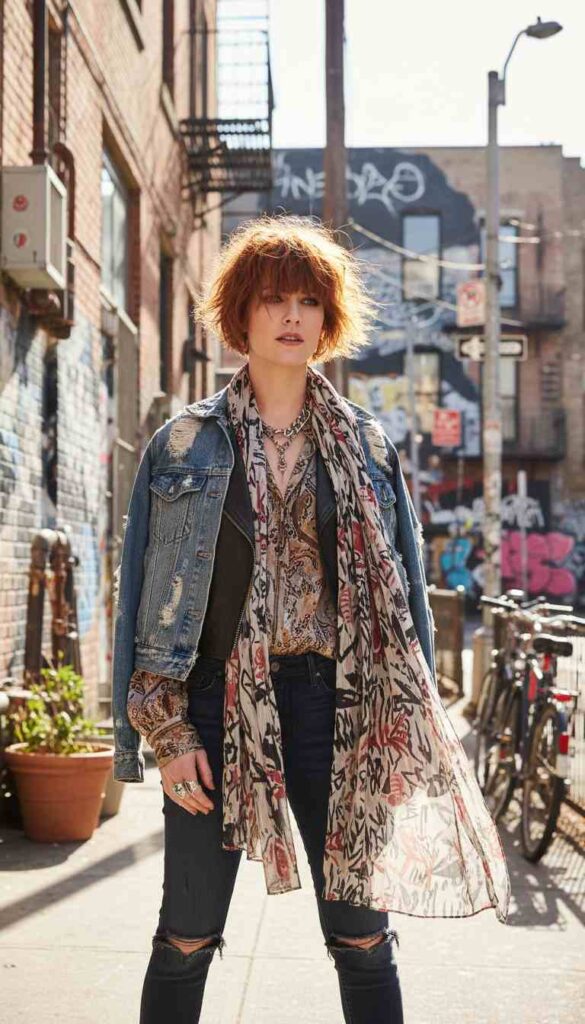
20. Textured Shaggy Pixie
Short pixie with shaggy texture creating movement at every length point.
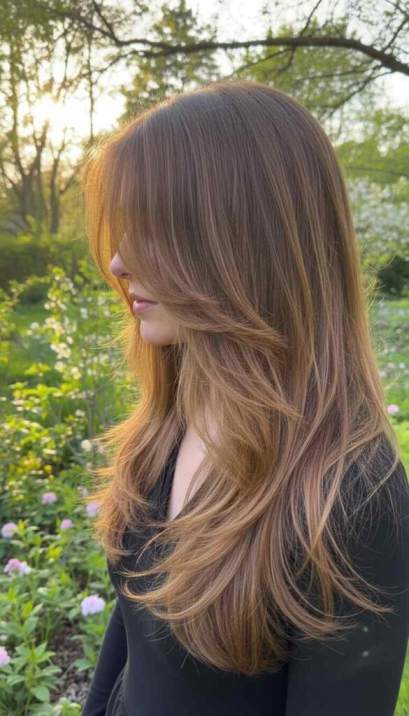
21. The Gentle Cascade Layers
Long hair with cascading layers from face frame downward creating waterfall visual effect.
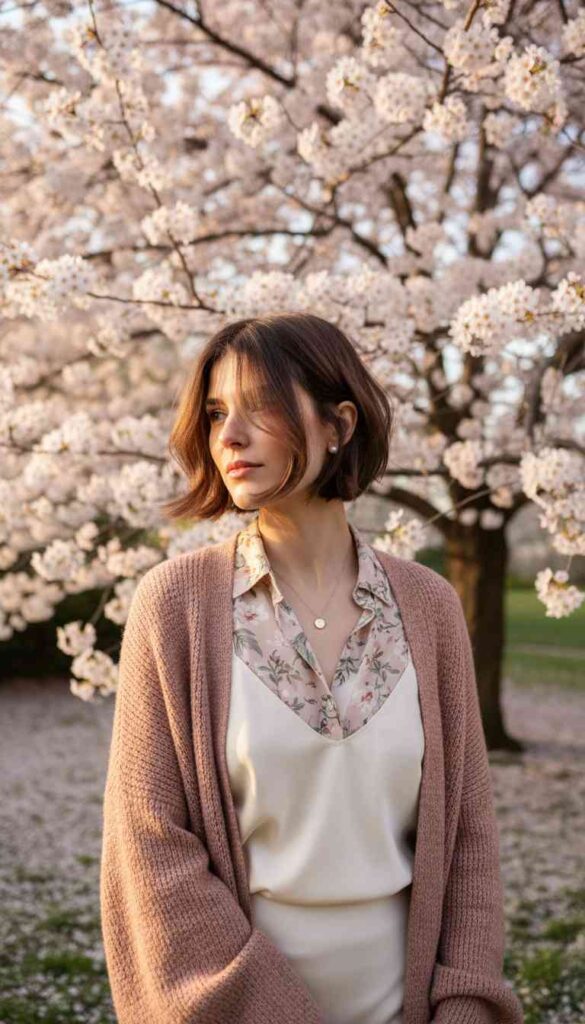
22. The Bixie Soft Version
Bixie cut with softened edges creating feminine version of classic bixie.
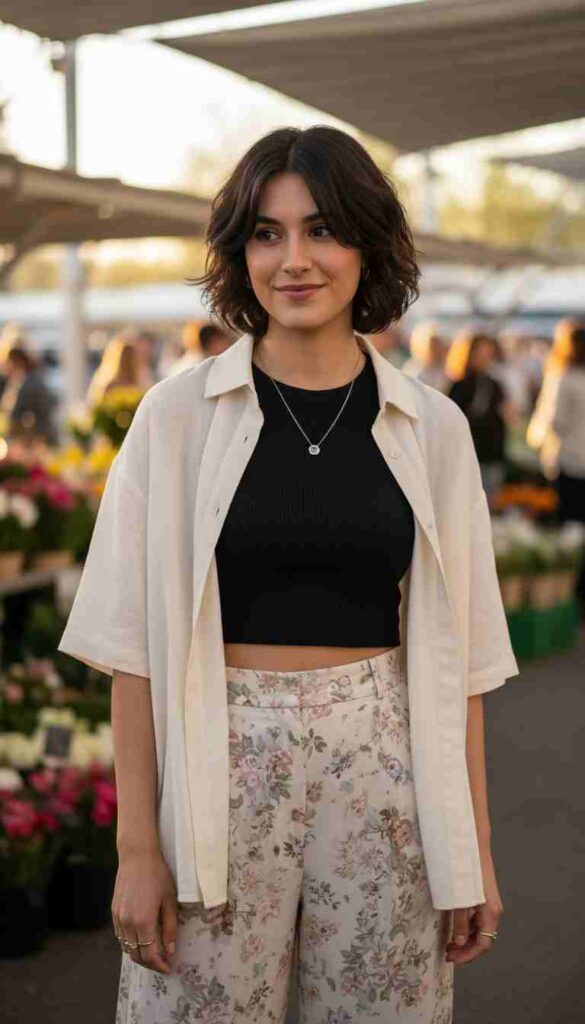
23. The Relaxed Long Crop
Men’s-inspired long crop adapted with feminine ease creating gender-fluid modern elegance.
The Architecture of Light Haircuts
Understanding why certain haircuts feel light while technically identical cuts feel heavy requires understanding the architectural principles governing how hair distributes weight. Hair’s natural tendency is downward—gravity is its constant companion—and the art of creating light haircuts is fundamentally the art of strategically interrupting this gravitational pull through precise technical interventions.
Interior layers represent the primary tool for creating lightweight cuts. When a stylist removes weight from the interior of hair sections—not visible at the surface but creating internal structure—the outer layers lift and float rather than falling heavily against the head. This interior work is invisible in the final result but responsible for the most significant lightness that great cuts achieve. It’s the hair equivalent of a beautiful building’s hidden structural engineering—you never see it but you experience its effects completely.
Point cutting involves cutting into the ends of hair sections at diagonal angles rather than straight across. This technique replaces blunt weight lines with tapered, feathered ends that catch light individually and move independently rather than as a single heavy mass. The visual effect is texture and movement rather than heaviness, creating cuts that appear effortless even when technically complex. Point cutting is why some bob cuts feel feather-light while technically identical cuts in another stylist’s hands feel thick and heavy.
Reading Your Natural Hair Before Choosing a Cut
The most successful spring haircut begins with honest assessment of your hair’s natural characteristics—its genuine texture, density, and growth patterns without the intervention of heat tools, products, or styling habits that may have masked these qualities for years.
Wash your hair with your regular shampoo and conditioner but allow it to air-dry completely without touching it, applying products, or manipulating it in any way. What you see when it dries completely is your hair’s authentic character—the starting point that any great cut must work with rather than against. If your hair reveals surprising wave or curl patterns you’ve been suppressing with heat styling, this is extraordinarily valuable information for choosing a cut that will actually feel low-maintenance rather than constantly fighting natural tendencies.
Hair density—how many individual strands you actually have on your head—affects cut choice differently than texture does. Fine hair might have high density, meaning many thin individual strands creating overall fullness. Coarse hair might have low density, meaning fewer but thicker individual strands. Understanding your specific density and texture combination helps predict which cuts will create desired visual volume or movement effects in your hair specifically.
The Role of Face Shape in Modern Cuts
Contemporary haircut philosophy has evolved significantly in its approach to face shape guidelines. Traditional advice was essentially prescriptive and restrictive—specific shapes only permitted specific cuts, and deviation from these rules supposedly resulted in unflattering outcomes. Modern stylists understand this framework as an oversimplification that ignores the enormous variability in facial features, hair texture, and personal style that makes blanket rules genuinely unhelpful.
The more useful approach considers which specific features you most love about your face and which cuts create visual pathways that naturally lead attention toward those features. If you have exceptional cheekbones, cuts with face-framing layers that direct the eye toward your midface make genuine sense. If you have striking eyes, fringe and bangs that frame your eye area create deliberate emphasis. The goal is celebration of specific features rather than correction of imagined flaws.
What remains genuinely useful from face shape guidance is understanding how different hemline positions and volumes interact with the widest and narrowest points of your specific face. A very short cut that sits entirely above your jawline behaves differently than one that extends below it, and understanding these visual effects in relation to your own measurements helps predict outcomes more accurately than generic shape categories.
Maintenance Honesty
Modern light cuts require maintenance honesty before commitment—an accurate, unsentimental assessment of how much time, skill, and money you’re genuinely willing to invest in maintaining your chosen style. The most beautiful spring haircut becomes a source of daily frustration if its maintenance requirements don’t match your reality.
Precision cuts—the power bob, geometric lob, and micro bob in this guide—grow out very visibly and require trims every five to six weeks to maintain their defining characteristic of clean architectural lines. The growth pattern is the whole point with these cuts, and without regular maintenance, they transform from sharp modern statements into shapeless in-between lengths relatively quickly. If your lifestyle genuinely accommodates frequent salon visits, these cuts deliver spectacular results. If frequent appointments feel burdensome, choosing styles that grow out with more grace serves you better.
Textured cuts—the shag, wolf cut, and various textured options—generally maintain their essential character through longer periods between trims because their defining quality is organic movement rather than precise lines. These styles often look genuinely better at six to eight weeks post-trim than immediately after, as the layers separate and settle into their natural movement patterns. For busy lives, textured styles frequently deliver better real-world results than technically more impressive precision cuts.
Color’s Relationship with Light Haircuts
Color and cut interact in ways that multiply the lightness effect when thoughtfully coordinated. The same haircut in two different colors can create dramatically different impressions of weight and dimension—not because the architecture changed but because color affects how the eye perceives depth, volume, and movement throughout the cut’s layers.
Dimension through color—whether achieved through balayage, highlights, or color melt techniques—makes layer placement visible in ways that solid color cannot. When each layer catches light differently because it’s a slightly different tone, the haircut’s architectural complexity becomes genuinely visible. Your colorist becomes a collaborator in making your stylist’s work more apparent and impactful.
Spring specifically rewards dimensional color in layered cuts because the season’s particular light quality is extraordinarily good at revealing tonal variation. The same hair color that reads as flat and one-dimensional in winter’s low gray light becomes multidimensional and alive in spring’s brighter, more direct sunshine. If you’ve been considering adding dimension to your color, doing so simultaneously with a spring haircut creates compound improvement that’s genuinely greater than the sum of its parts.
The Psychology of Modern Cuts
Modern haircuts communicate something specific about their wearer’s relationship with contemporary culture—an engagement with current aesthetic conversation that goes beyond simply having a current hairstyle. There’s a literacy to choosing a truly modern cut: you’re demonstrating awareness of where fashion, art, and cultural expression currently intersect, and making a deliberate choice to participate in that conversation through your personal appearance.
This doesn’t require extensive fashion knowledge or cultural fluency. It requires honest self-assessment about whether you find a particular cut genuinely beautiful or are simply following a trend that doesn’t speak to your authentic aesthetic sensibility. The most modern thing you can do is make genuinely personal choices rather than trend-following ones—because authentic personal expression is always more contemporary than trend compliance, regardless of how current the specific trend might be.