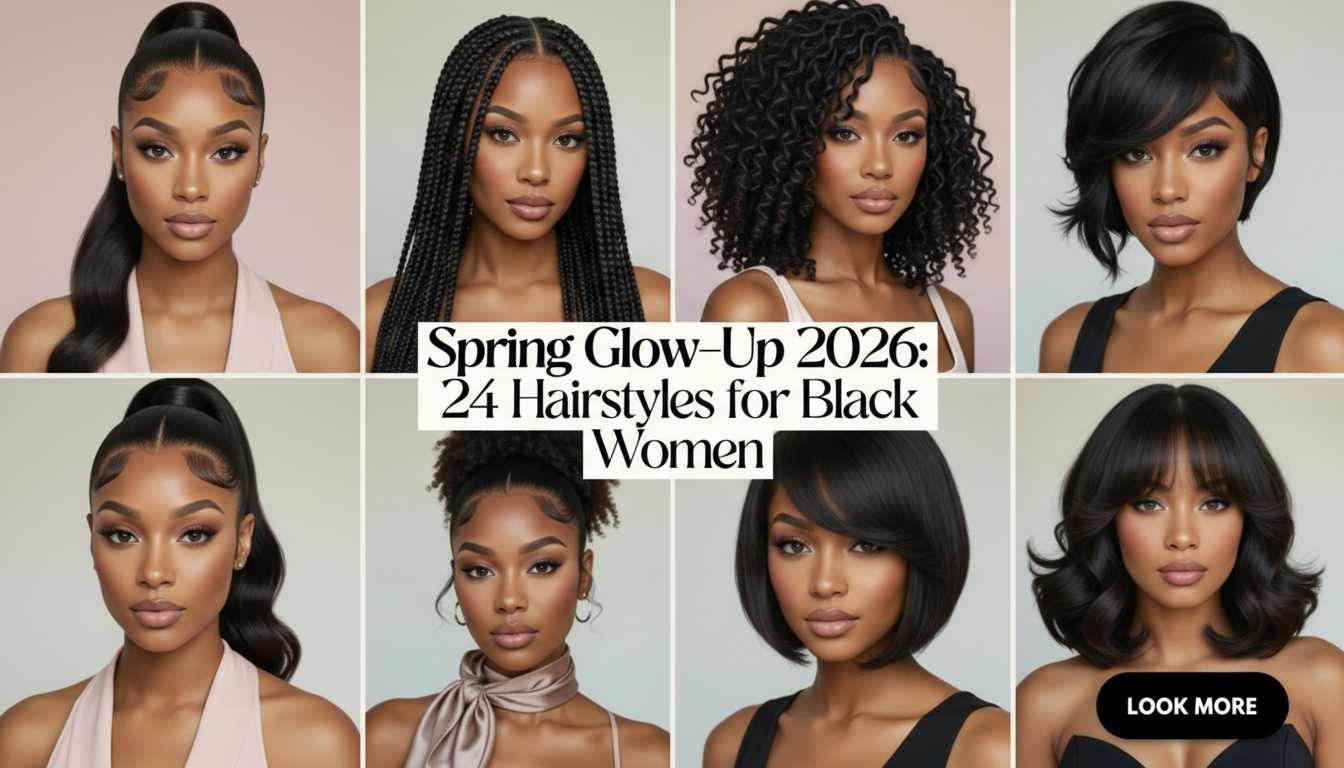
Spring and natural Black hair exist in beautiful conversation—both celebrate texture, both embrace natural variation, both understand that true beauty emerges from honoring authentic character rather than forcing conformity. The natural hair movement has fundamentally transformed the landscape of spring styling for Black women, creating space for protective styles that nurture hair health, celebration of natural texture in all its magnificent diversity, and creative expression that honors cultural heritage while embracing contemporary aesthetics.
Spring 2026 specifically brings exceptional creative energy to hairstyling for Black women. The technical expertise of stylists specializing in textured hair has reached extraordinary levels, producing styles that would have seemed impossible just a decade ago. Pattern manipulation, color application on textured hair, and protective styling innovation have all advanced dramatically. Meanwhile, the economic power and cultural influence of Black women continues growing, ensuring that mainstream beauty conversation increasingly centers rather than marginalizes Black beauty and hair culture.
What makes this particular spring moment especially exciting is the complete rejection of narrow definitions of professionalism, beauty, or appropriateness. Corporate environments increasingly accept natural texture, braids, locs, and creative styles without demanding assimilation to Eurocentric hair standards. This cultural shift means Black women can choose hairstyles based purely on what makes them feel most beautiful, most comfortable, and most authentically themselves—without compromising professional credibility or social acceptance.
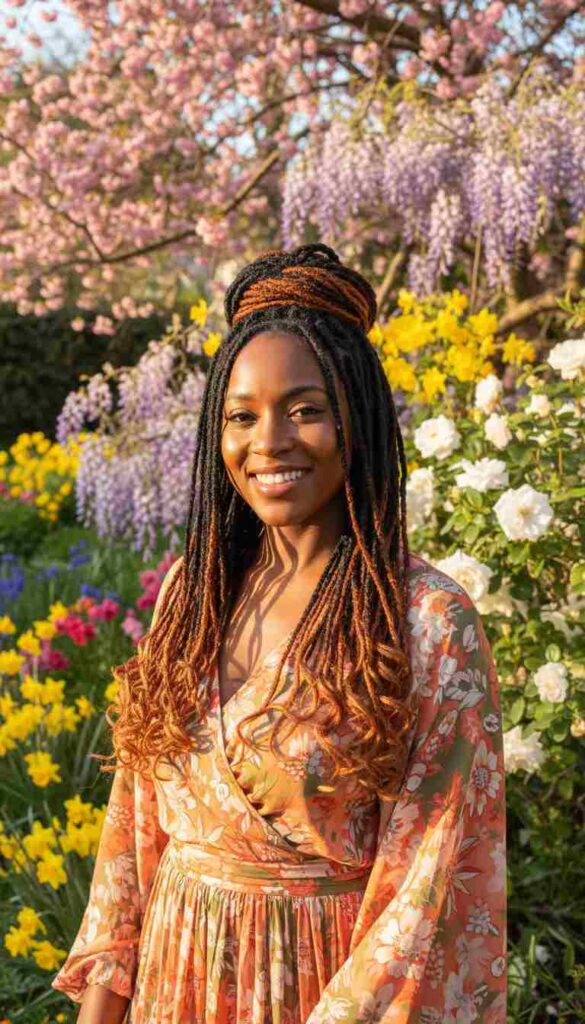
1. Goddess Locs with Copper Highlights
Soft faux locs with copper-toned highlights create warm dimensional protective elegance.
2. Defined Wash-and-Go Crown
Natural coils defined with curl cream creating voluminous authentic texture celebration.
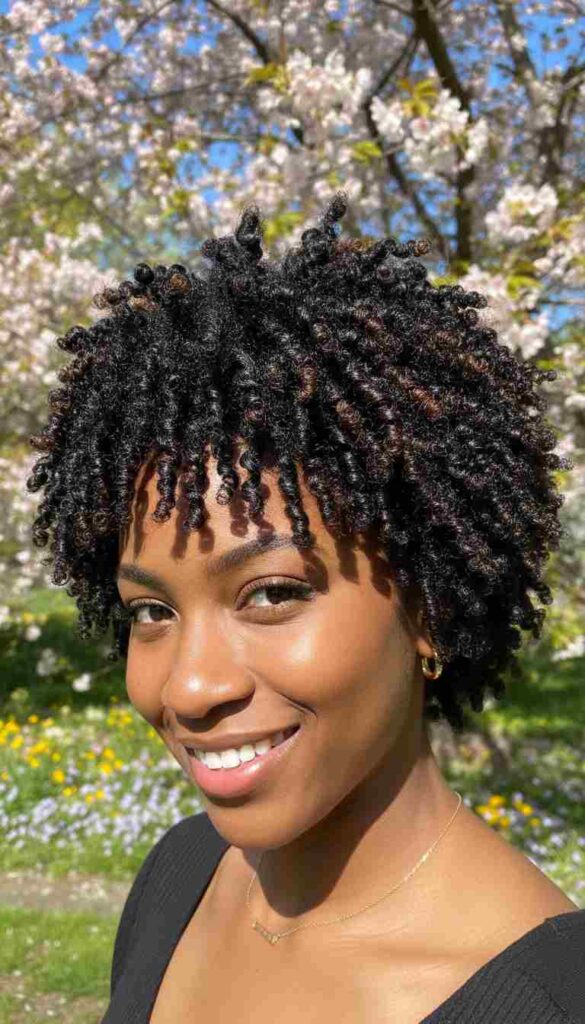
3. Passion Twists with Burgundy
Long passion twists in deep burgundy creating rich protective color statement.

4. Sleek High Puff
Natural hair slicked into smooth high puff creating polished yet natural statement.
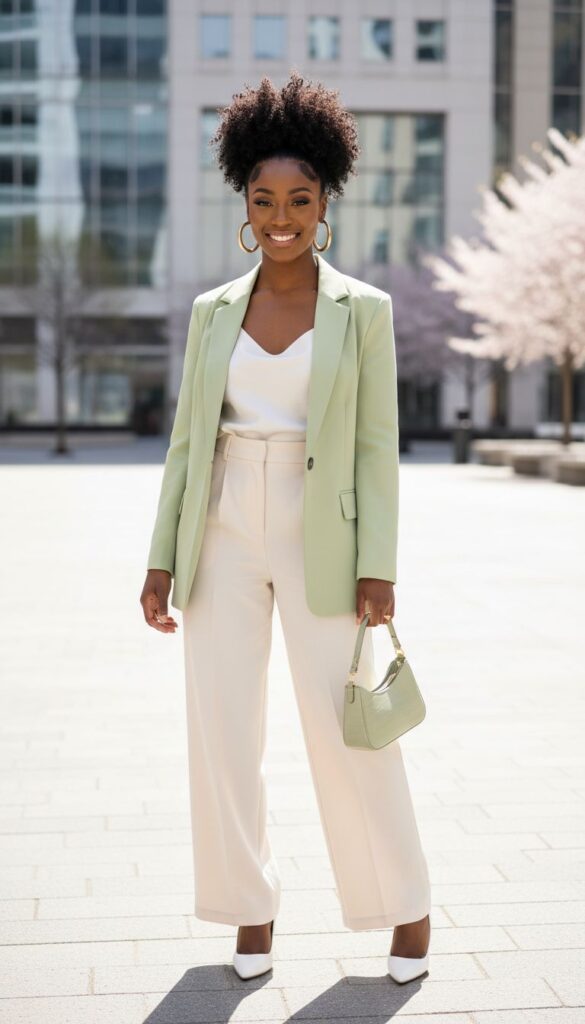
5. Feed-in Cornrows with Colored Tips
Neat cornrows with neon yellow tips creating modern protective creativity.

6. Twist-Out Volume
Natural hair styled in twist-out creating maximum volume and defined curl pattern.
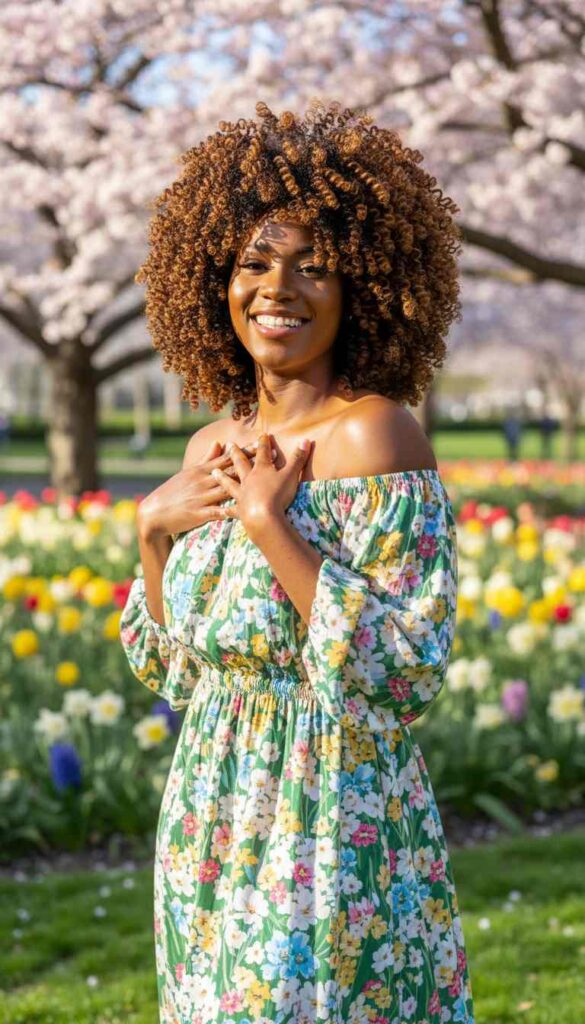
7. Jumbo Box Braids
Large box braids creating classic protective style with modern execution.
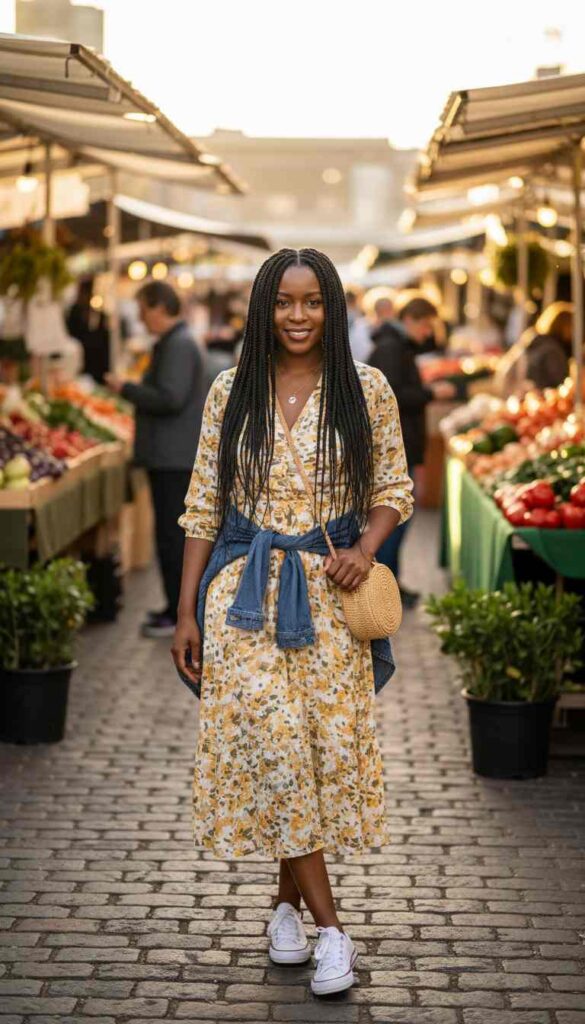
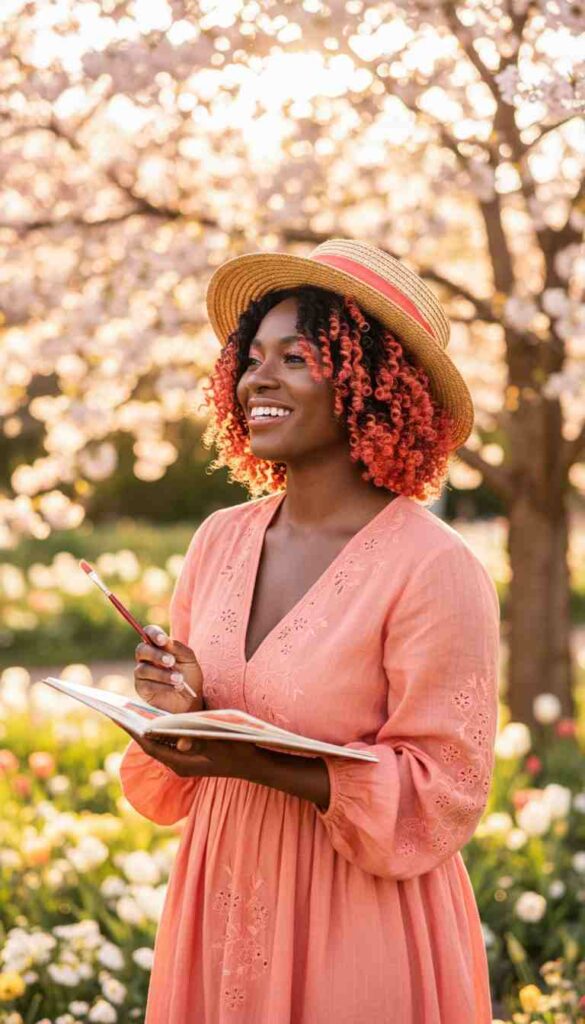
8. Natural Coils with Coral Highlights
Short natural coils with vibrant coral highlights creating playful spring color.
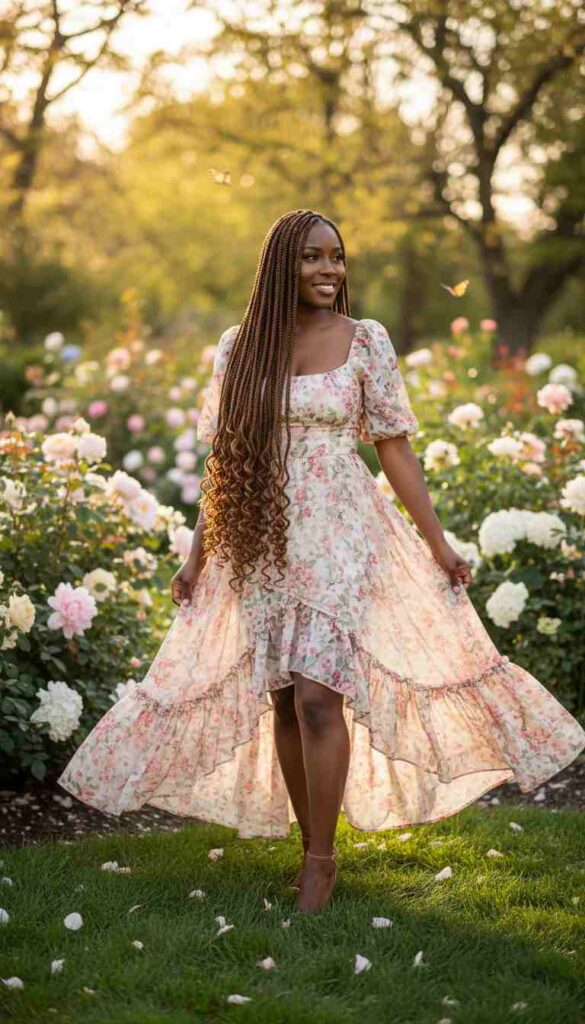
9. Knotless Braids with Curly Ends
Knotless box braids transitioning to loose curly ends creating romantic softness.
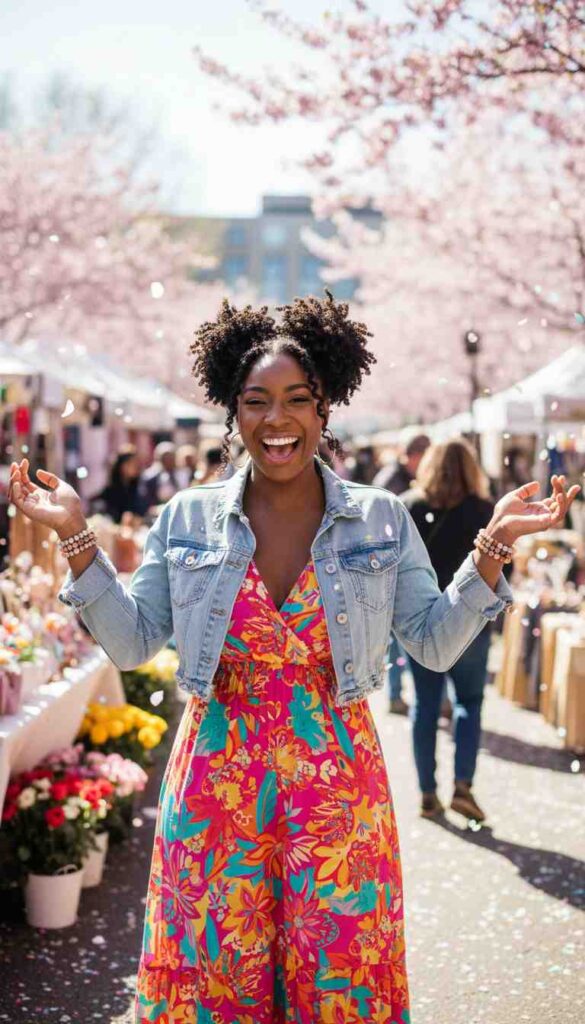
10. Space Buns with Natural Texture
Natural hair styled into two high textured buns creating playful modern statement.
11. Flat Twist Updo
Intricate flat twists forming elegant updo creates protective formal elegance.

12. Senegalese Twists Mid-Length
Smooth Senegalese twists at shoulder length create refined protective versatility.

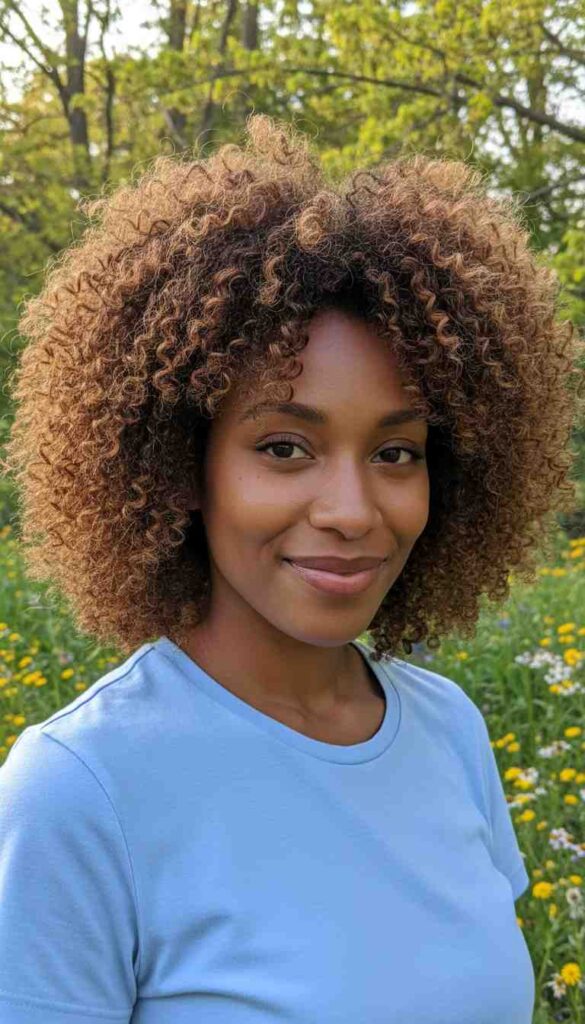
13. Defined Curl Pattern Natural
Natural hair with defined three-dimensional curl pattern creating spectacular texture showcase.
14. Bantu Knot Out
Hair styled in Bantu knot-out creating uniform curl pattern with beautiful volume.

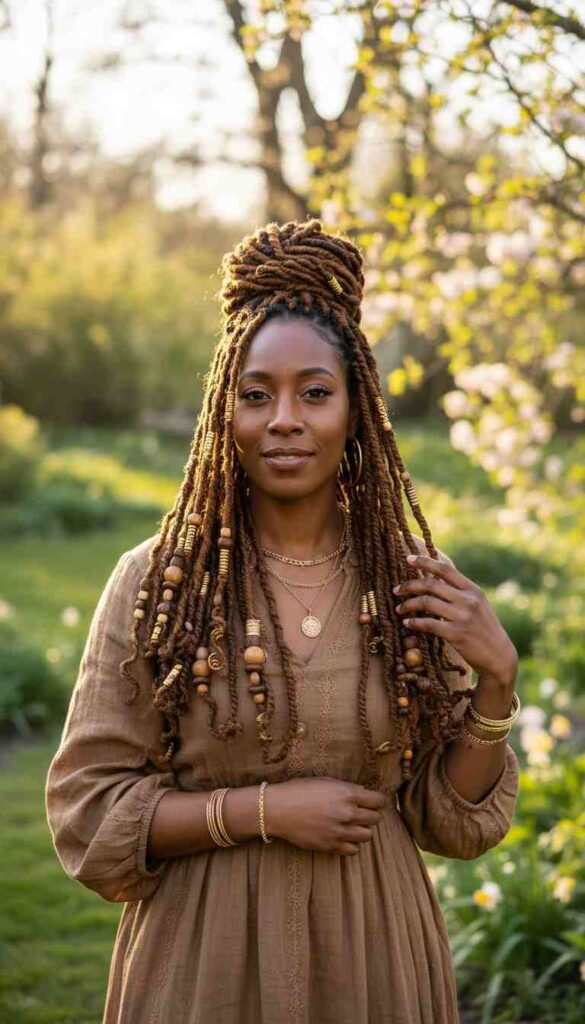
15. Faux Locs with Gold Accessories
Faux locs adorned with gold cuffs and beads creating decorated protective style.
16. High Top Fade Natural
Short sides with natural textured height on top creating modern architectural statement.

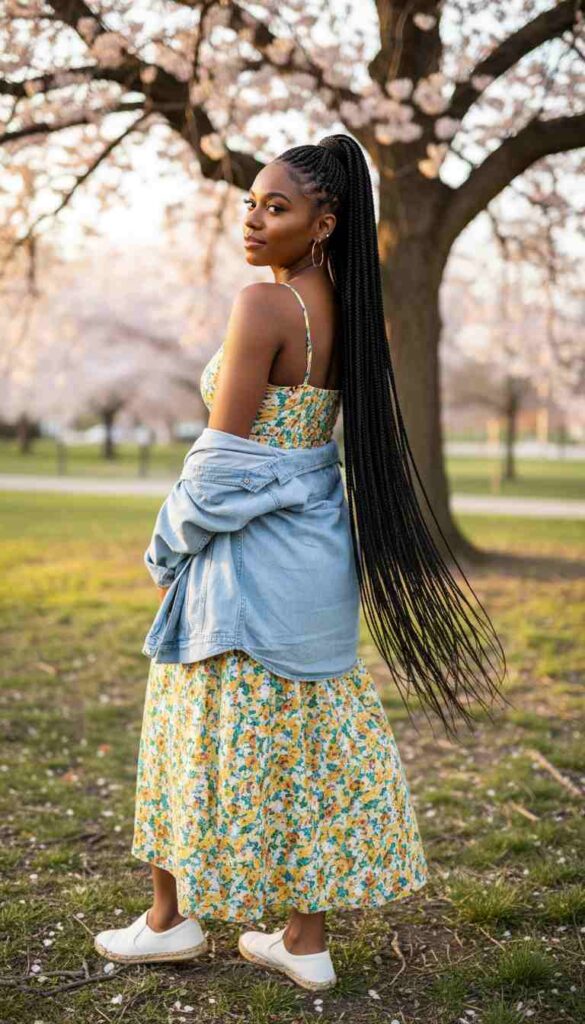
17. Micro Braids Long
Tiny micro braids creating intricate protective style with maximum versatility.
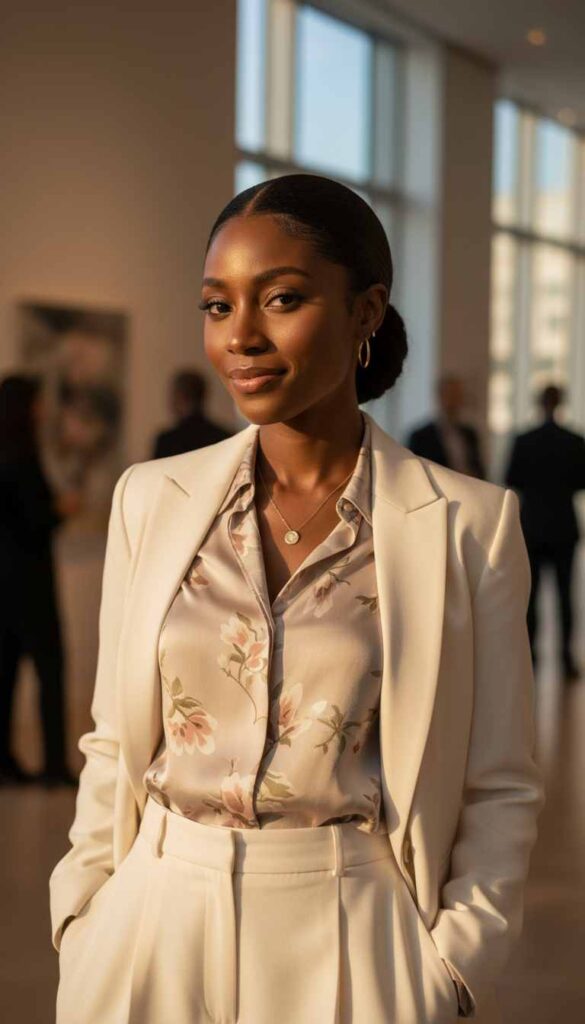
18. Slicked Back Bun Natural
Natural hair slicked into smooth low bun creating polished elegant simplicity.
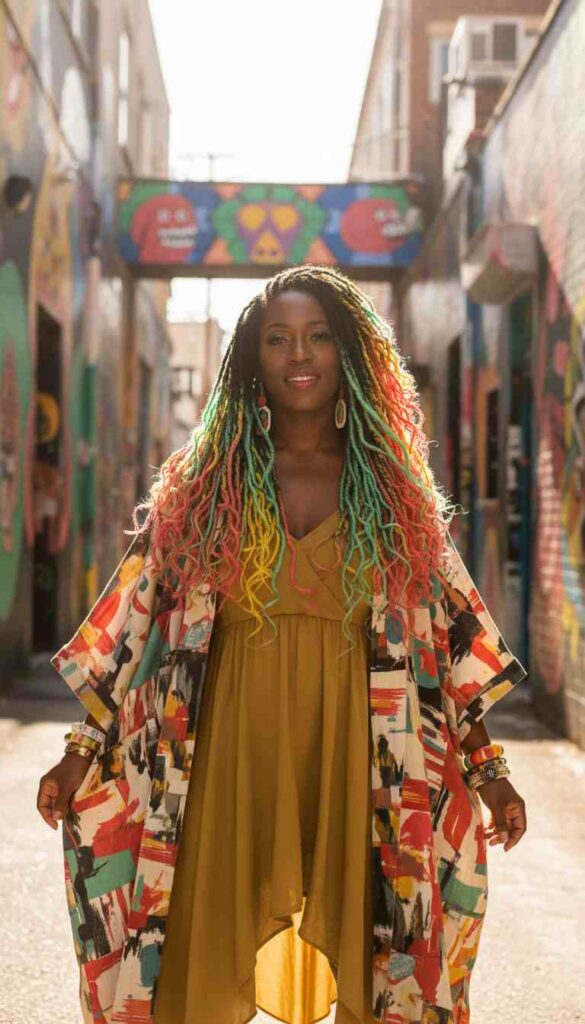
19. Colorful Kinky Twists
Kinky twists incorporating multiple bright spring colors creating artistic protective statement.
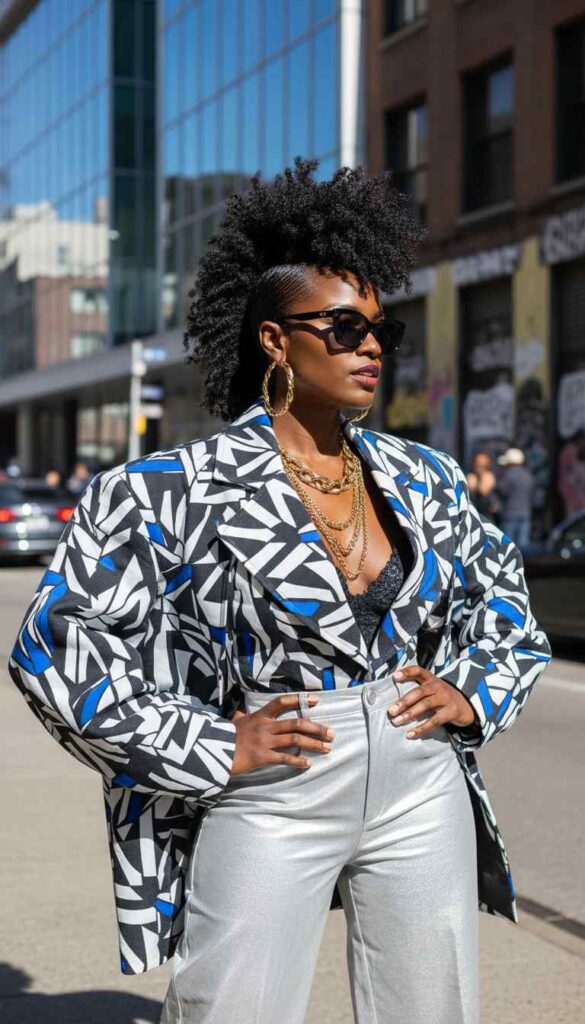
20. Natural Frohawk Styled
Natural hair styled into frohawk shape with sides slicked creating bold natural statement.
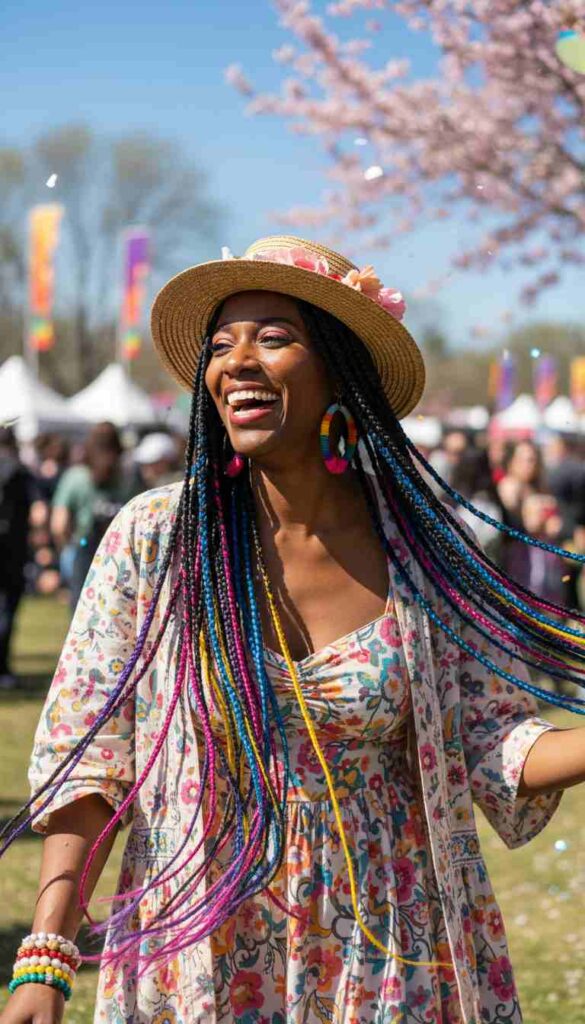
21. Yarn Braids Bright
Braids incorporating colorful yarn creating lightweight protective creativity.
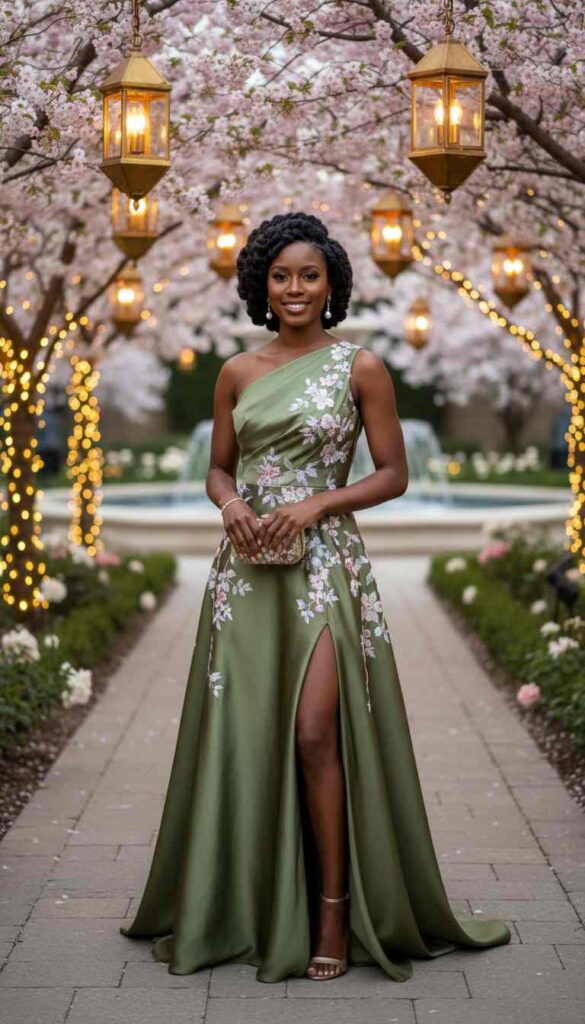
22. Twist and Pin Natural Updo
Natural hair twisted and pinned into elegant updo showcasing natural texture formally.
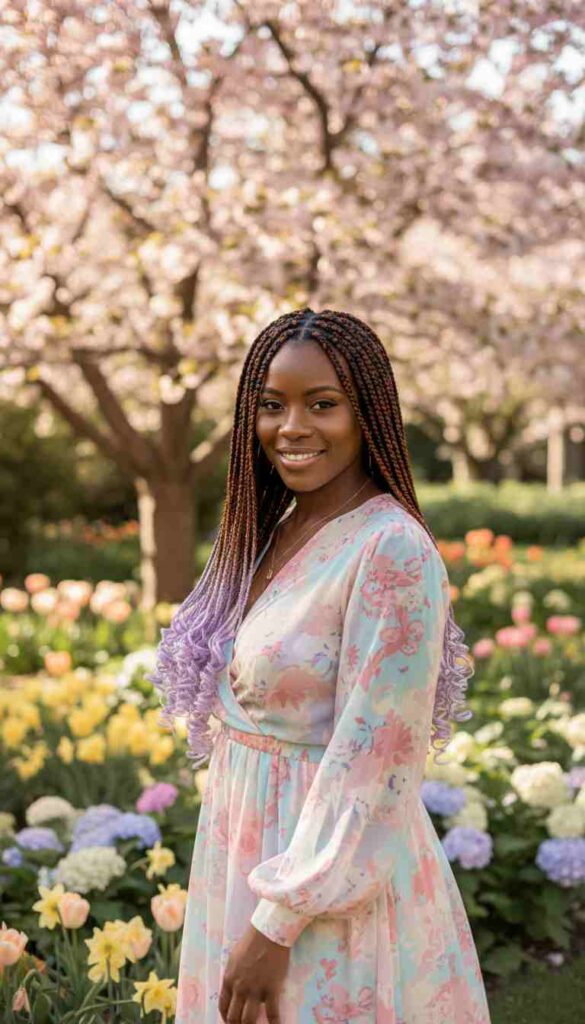
23. Spring Ombre Braids
Box braids transitioning from dark roots to pastel spring color at ends.
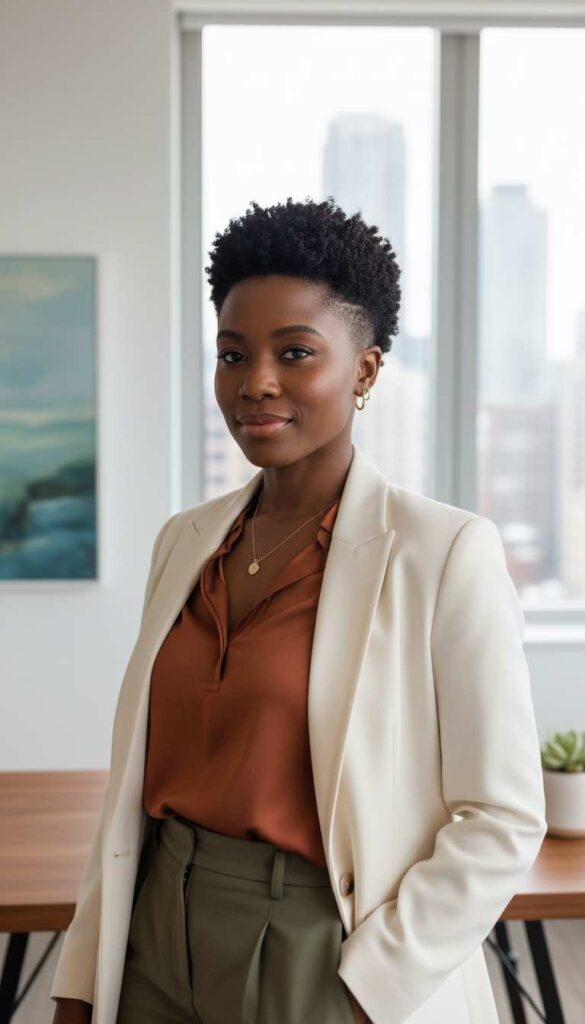
24. Natural Tapered Cut
Short natural cut with tapered sides and textured top creating modern sophisticated shape.
Celebrating Natural Texture
The natural hair movement represents far more than a beauty trend—it’s a cultural reclamation, a political statement, and a profound act of self-acceptance that reverberates through every aspect of Black women’s lives. Choosing to wear natural texture in spring 2026 carries the weight of generations who couldn’t make that choice freely, and the joy of living in a moment when that choice is increasingly celebrated rather than penalized.
Natural texture exists across an extraordinary spectrum—from tightly coiled patterns that spring back immediately when stretched, through looser coil patterns with more visible curl definition, to wavy patterns that might not coil at all. The hair typing system (3A, 4C, etc.) helps communicate about texture but shouldn’t constrain how you understand your own hair. Your specific hair has its own unique character that no numerical system completely captures.
Moisture is natural texture’s fundamental requirement. Unlike straight hair where natural scalp oils travel easily down the hair shaft, textured hair’s curves and coils prevent this natural distribution, requiring deliberate moisture replenishment. Quality leave-in conditioners, curl creams, and regular deep conditioning treatments aren’t luxuries for natural texture—they’re necessities for health and beautiful presentation.
Understanding Protective Styling
Protective styles serve a dual purpose: they protect natural hair from manipulation, environmental stress, and breakage while creating beautiful aesthetic presentations. Spring’s increasing outdoor activity, UV exposure, and potential pool or ocean adventures make protective styling particularly valuable seasonally—your hair remains beautiful and healthy while you enjoy active spring living without constant maintenance demands.
The healthiest protective styles share specific characteristics: they don’t create excessive tension on the scalp or hairline, they allow access to the scalp for cleansing and moisture application, and they’re installed and maintained by stylists who understand hair health principles. Styles pulled so tightly they cause pain or immediate headaches damage follicles and can contribute to traction alopecia—permanent hair loss from repeated tension. True protective styles should feel comfortable immediately and throughout their wearing period.
Quality synthetic hair or human hair extensions used in protective braiding and loc styles require specific care. Just as your natural hair needs moisture, extensions benefit from light oil application to prevent brittleness. Nighttime protection through silk or satin bonnets or pillowcases prevents frizz and extends style longevity. Most protective styles last optimally for four to eight weeks; beyond this timeframe, the risk of matting, buildup, and natural hair damage increases substantially.
Color on Textured Hair
Applying color to natural Black hair requires specialized knowledge that not all colorists possess. The structure of textured hair differs from straight hair in ways that affect both how color lifts natural pigment and how it accepts new color. Seeking colorists specifically experienced with textured hair prevents the damage, uneven color uptake, and disappointing results that occur when colorists treat all hair identically.
Lightening textured hair to achieve blonde or pastel tones requires particular caution because the process of removing melanin inevitably weakens hair structure. For highly textured hair, this structural weakening can create significant breakage and damage if not managed expertfully. Pre-lightening treatments that strengthen hair structure, conservative lightening approaches that reach desired brightness through multiple sessions rather than aggressive single sessions, and intensive conditioning protocols become essential rather than optional.
Fashion colors—the vibrant corals, coppers, burgundies, and pastels featured in this guide—can often be achieved on natural darker hair without pre-lightening by using semi-permanent colors that deposit tone without lifting natural color. These approaches create rich dimensional color while preserving hair integrity, making them ideal for spring experimentation that doesn’t compromise hair health.
Scalp Health Foundation
Scalp health forms the foundation upon which all beautiful hairstyles build. An unhealthy scalp—one experiencing dryness, irritation, buildup, or inflammation—cannot support healthy hair growth regardless of styling choices. Spring represents an ideal time to recommit to scalp care as winter’s dry indoor air gives way to spring’s more balanced humidity.
Regular scalp cleansing removes buildup from products, natural oils, and environmental debris that accumulate regardless of how frequently you wash your hair. Protective styles particularly require scalp attention because the installation can trap debris and product near the scalp where it sits for weeks. Witch hazel applied to a cotton pad and gently rubbed across the scalp, or specialized scalp cleansers that penetrate braids and twists, keep the scalp environment healthy throughout protective style periods.
Scalp massage stimulates circulation and distributes natural oils while providing genuine relaxation benefits. Regular five-minute scalp massage sessions with fingers or a specialized scalp massager promotes healthier hair growth while reducing stress—a win across all dimensions of wellbeing.
Cultural Significance and Personal Choice
Hairstyle choices for Black women carry cultural weight and meaning that hairstyle choices for other groups simply don’t bear. Every natural texture choice, every protective style, every color application exists in conversation with centuries of history where Black hair was politicized, policed, and used as a mechanism of oppression. The freedom to choose hairstyles based purely on aesthetic preference and personal joy—without professional penalty, social judgment, or discriminatory treatment—represents genuine progress that remains incomplete even in 2026.
The CROWN Act (Creating a Respectful and Open World for Natural Hair) has passed in many jurisdictions, legally protecting against hair-based discrimination. Yet cultural attitudes shift more slowly than legislation. Black women still navigate professional environments where natural styles meet subtle resistance, schools where students face dress code enforcement that disproportionately targets textured hair, and social contexts where questions and unwanted touching treat Black hair as public curiosity rather than personal autonomy.
Choosing your spring hairstyle with awareness of this context while refusing to let it constrain your joy represents its own form of resistance and reclamation. Your hair, your scalp, your head—these are yours to decorate, celebrate, and enjoy exactly as you choose. Anyone who has a problem with your choices about your own body is revealing their limitations, not yours.
Spring Hair Health Priorities
Spring’s environmental conditions present specific considerations for hair health. Increasing UV exposure affects hair similarly to skin—it can fade color, dry out hair structure, and weaken protein bonds that give hair its strength. UV-protectant hair products or physical coverage through hats and scarves protect hair from cumulative sun damage through active spring months.
Chlorine and salt water pose particular challenges for textured hair. Both substances are genuinely drying, and chlorine specifically bonds to hair structure in ways that require intentional removal. Before swimming, saturating hair with clean water and applying a thick conditioner or oil creates a barrier that prevents chlorine or salt water from penetrating as deeply. Immediately after swimming, thorough rinsing and deep conditioning prevents the long-term damage that repeated exposure causes.
Spring’s increasing humidity affects textured hair both positively and negatively. The moisture in the air can enhance natural curl patterns and provide environmental moisture that winter’s dry air lacked. However, excessive humidity can also cause frizz and disrupt carefully styled patterns. Understanding your specific hair’s humidity response helps you prepare appropriate products—anti-humidity serums for hair that frizzes, curl enhancers for hair that springs to life in moist air.
Celebrating Your Spring Hair Journey
These 24 hairstyles represent just a fraction of the magnificent variety possible for Black women’s spring hair in 2026. They’re invitations to explore, experiment, and discover what makes you feel most beautifully, authentically yourself during this particular spring of your life. Some will resonate immediately while others might not speak to your aesthetic at all—both responses are completely valid and appropriate.
The most important principle in choosing your spring hairstyle is centering your own joy, comfort, and authentic preference rather than external expectations or approval-seeking. You are the person who lives with your hair daily, who sees it in every mirror, who feels it against your skin, and who deserves to love what you see and feel. Choose the hairstyle that makes you smile when you catch your reflection, that gives you an extra confidence boost walking into rooms, and that feels completely right for this particular spring of your beautiful life.