Layered haircuts represent the foundation of modern hairstyling, offering transformative solutions that add movement, dimension, and life to hair that might otherwise fall flat, hang heavy, or lack personality—making them particularly essential for summer 2026 when humidity, heat, and outdoor activities demand styles that work with natural texture rather than fighting against it. The brilliance of layering lies in its versatility: strategically placed layers can create volume where there’s none, remove bulk where there’s too much, frame faces beautifully, enhance natural curl patterns, or add texture to straight hair, all while maintaining overall length that many women are reluctant to sacrifice. Unlike blunt one-length cuts that can appear heavy and triangular as they grow, properly executed layers create internal movement that allows hair to bounce, flow, and maintain shape between salon visits, making them lower-maintenance than their precisely-cut counterparts. What distinguishes summer layering specifically is the emphasis on air-dry friendly cuts that embrace natural texture—whether straight, wavy, or curly—rather than requiring extensive heat styling that becomes impractical during humid months when carefully-styled perfection wilts within hours. The 2026 approach to layers rejects the dated, overly-choppy interpretations of past decades in favor of softer, more blended techniques that create seamless transitions between lengths while still delivering the dimension and movement that make layering worthwhile. From subtle face-framing pieces that barely qualify as layers to dramatic, heavily-textured cuts where layers become the defining feature, this category encompasses styles that work for virtually every hair type, face shape, and personal aesthetic, united by the principle that strategic cutting creates better results than letting hair simply grow without intention or structure.
1. Long Flowing Layers with Face-Framing
Maintain beautiful length while adding movement through long flowing layers that begin around the collarbone and cascade downward. The face-framing pieces start at cheekbone level, creating flattering contours that enhance features without sacrificing overall length. This classic approach suits those wanting dimensional movement without dramatic change—the layers remove weight while maintaining the security of long hair. The flowing nature creates gorgeous movement that catches light beautifully while the face-framing brightens and opens features naturally.
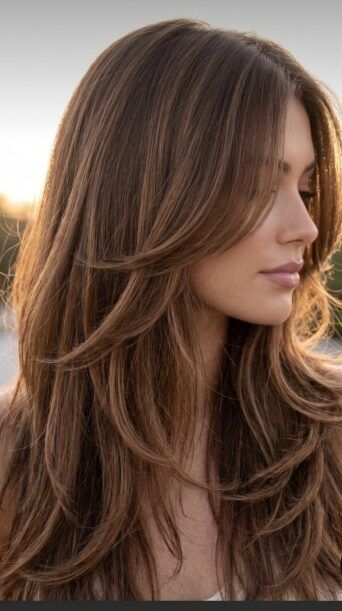
2. Shoulder-Length Choppy Layers
Create contemporary edge with shoulder-length hair featuring choppy, textured layers throughout. The piece-y finish adds modern appeal while the shoulder length maintains versatile styling options. This cut works beautifully for those wanting current style—the choppy texture creates that effortlessly cool aesthetic that defines 2026 trends. The layers remove bulk while adding dimension, and the shoulder length allows wearing down for casual appeal or styling up for more polished occasions.
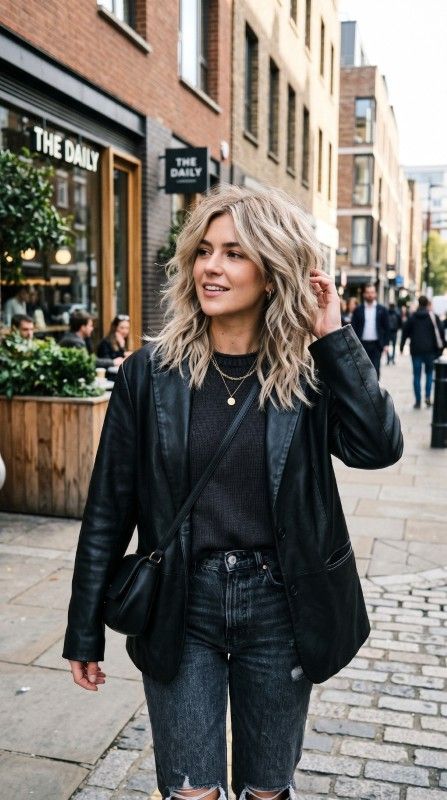
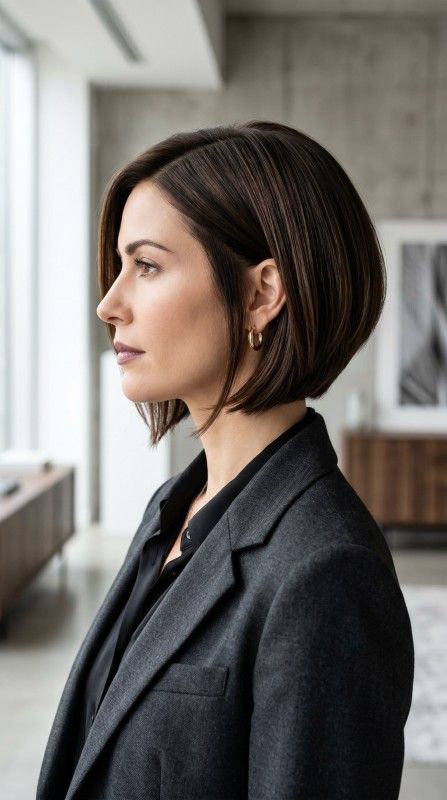
3. Layered Lob with Subtle Graduation
Modernize the classic lob through subtle graduated layers that add shape without obvious choppiness. The gentle layering creates internal movement while maintaining the lob’s signature clean lines. This sophisticated approach suits professional environments where polished appearance matters—the layers add interest and prevent flatness without edgy texture. The collarbone length remains universally flattering while the subtle graduation ensures the cut maintains shape as it grows.
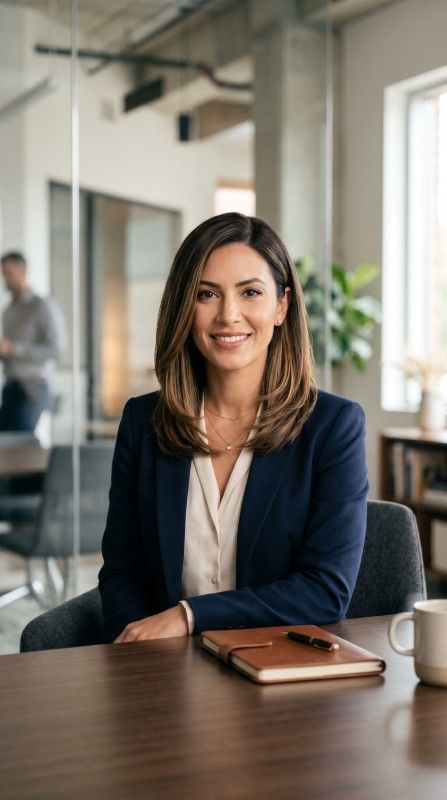
4. Textured Shag with Heavy Layers
Embrace retro-modern fusion with a heavily layered shag featuring significant texture and volume throughout. The abundant layers create that signature shaggy movement while modern cutting techniques prevent dated appearance. This bold cut works for those wanting maximum personality—the heavy layering creates dimension that transforms fine hair or adds definition to thick textures. The shag’s inherent coolness makes this perfect for those drawn to vintage-inspired styles with contemporary relevance.
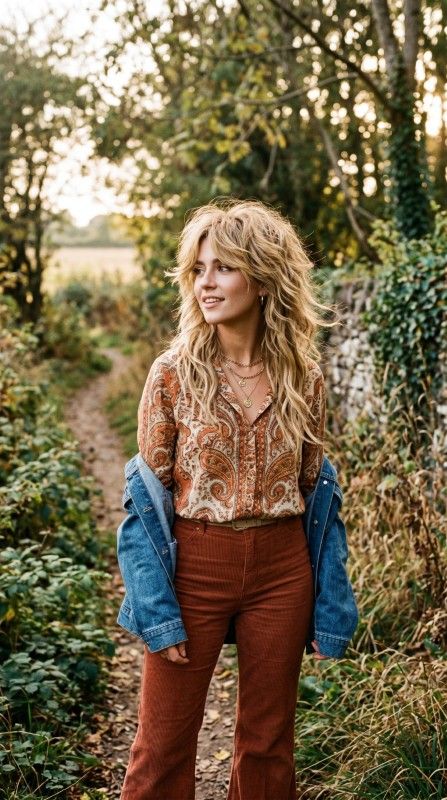
5. Face-Framing Layers with Long Length
Maintain maximum length while adding strategic face-framing layers that contour and brighten features. The shortest layers graze the jawline or chin, creating beautiful framing while the back maintains full length. This approach suits those wanting subtle enhancement without overall haircut—the face-framing creates the illusion of new style while preserving length. The layers can be styled forward for drama or tucked behind ears for versatility, and they grow out gracefully without awkward stages.
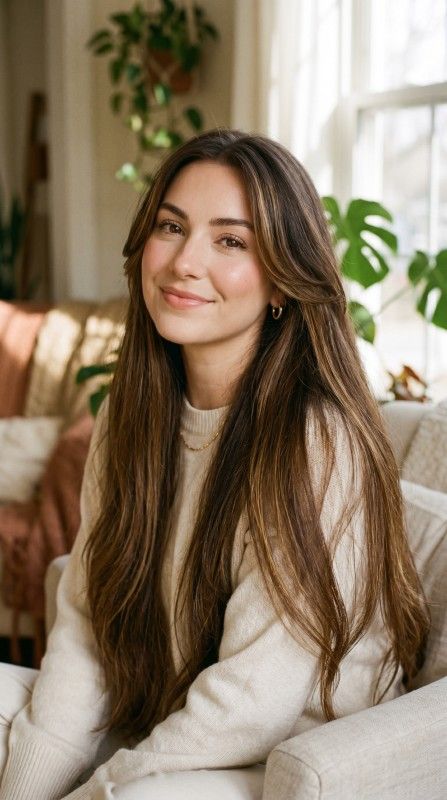
6. Layered Pixie with Textured Crown
Add dimension to short hair through a layered pixie featuring textured crown and tapered sides. The crown layers create lift and volume while the shorter sides maintain the pixie’s signature shape. This cut proves layers work brilliantly on short hair—the dimensional layering prevents pixie cuts from lying flat or appearing too severe. The textured crown allows styling versatility from sleek to tousled depending on mood and occasion.
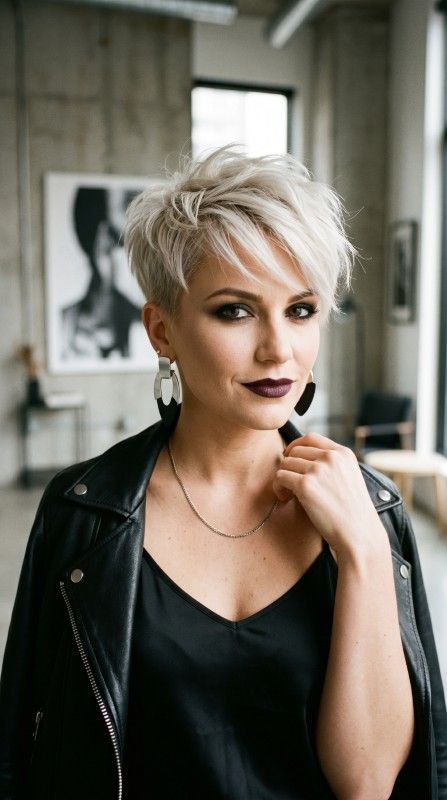
7. Soft Feathered Layers Throughout
Create gentle movement with soft feathered layers distributed evenly from mid-length to ends. The feathering technique produces wispy, delicate ends that move independently, creating airy texture. This approach suits those wanting subtle enhancement—the soft layers add life without dramatic change. The feathered technique works particularly well for fine to medium hair, creating the illusion of fuller, more voluminous hair through the light, separated ends.
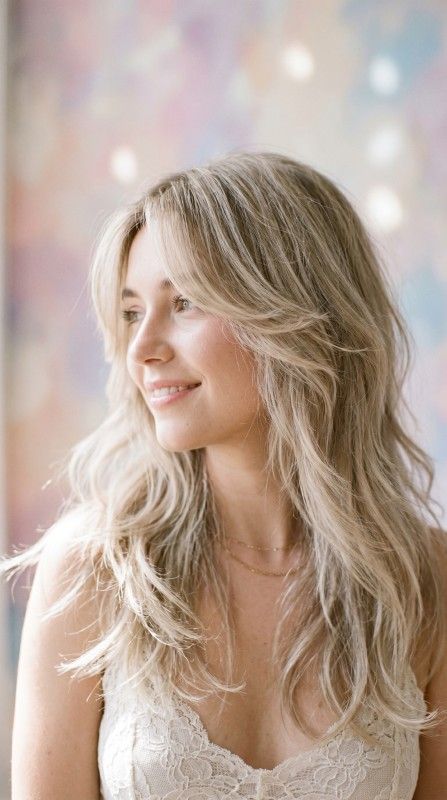
8. Layered Waves with Beach Texture
Enhance natural waves through strategic layering that defines wave pattern and reduces bulk. The layers follow natural wave formation, creating enhanced texture and movement. This cut celebrates natural texture—the layering works with waves rather than against them, creating effortless beachy aesthetic. The dimensional cutting ensures waves bounce and separate rather than clumping heavily, perfect for air-dry styling that summer demands.

9. Layered Bob with Graduated Angle
Modernize the classic bob through graduated layers that create angle and movement. The layers transition from shorter in back to longer in front, creating flattering diagonal line. This sophisticated cut suits those wanting polished style—the graduated layering adds interest to the bob silhouette while maintaining professional appeal. The angle elongates the neck and frames the face beautifully, and the layers prevent the bob from appearing too blunt or heavy.
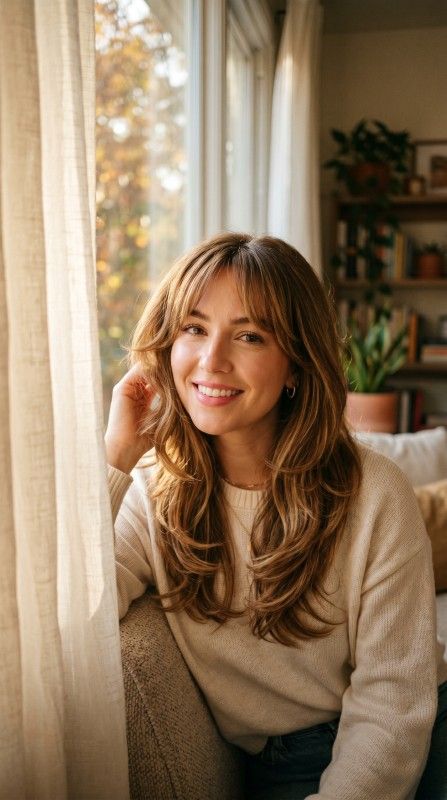
10. Curtain Bangs with Layered Length
Frame the face beautifully with curtain bangs that blend seamlessly into layered length throughout. The soft parted bangs create romantic framing while the layers add movement to remaining length. This combination delivers complete transformation—the curtain bangs change how the face is framed while layers throughout prevent heaviness. The style works across various lengths from shoulder to long, and the bangs can be styled multiple ways for versatility.
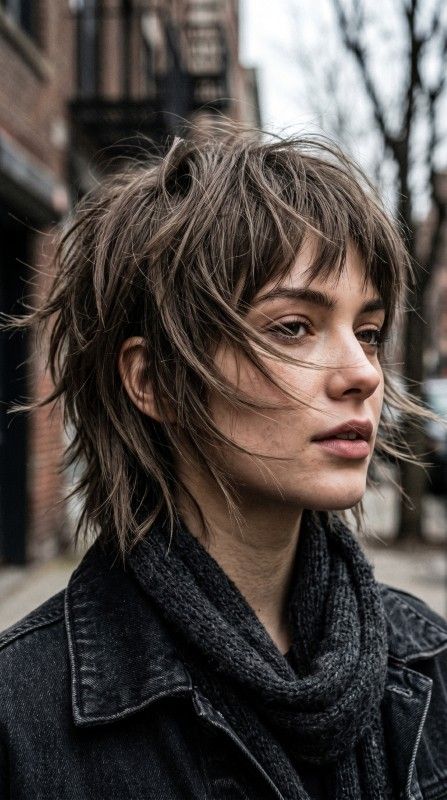
11. Choppy Layers with Razored Ends
Create maximum texture through choppy layers finished with razor cutting for ultra-piece-y ends. The razor technique produces softer, more fragmented texture compared to scissor-cut precision. This edgy approach suits those wanting obvious dimensional layering—the choppy, separated pieces create intentional messiness that feels current and cool. The razored ends move independently, creating that coveted lived-in texture that air-dries beautifully.
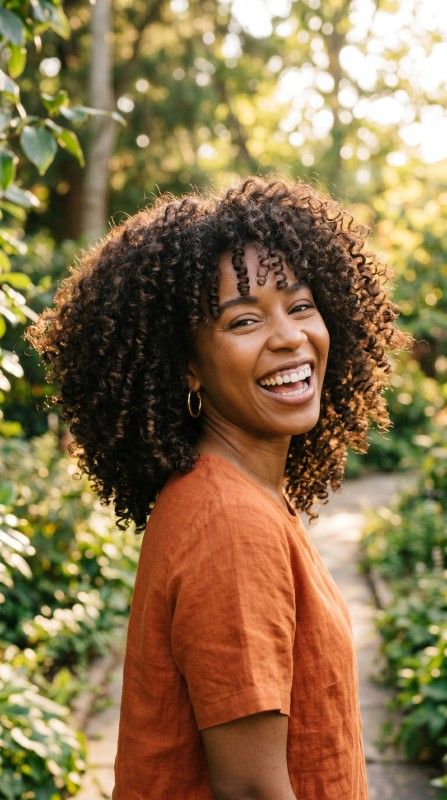
12. Curly Layered Cut for Volume
Embrace natural curls through strategic layering that removes weight and enhances curl definition. The layers prevent the triangular shape common in one-length curly hair, creating balanced volume. This cut transforms curly hair—the layers allow curls to spring and bounce rather than pulling downward. The dimensional cutting ensures curls distribute evenly rather than concentrating bulk, creating flattering shape that celebrates natural texture.
13. Subtle Layers with Healthy Ends
Maintain hair health while adding gentle movement through minimal layering concentrated at ends. This conservative approach removes damaged ends while creating slight dimension. The subtle technique suits those growing out hair or maintaining length—the light layering freshens without dramatic change. The focus on healthy ends ensures hair looks thick and full while the slight movement prevents blunt heaviness.
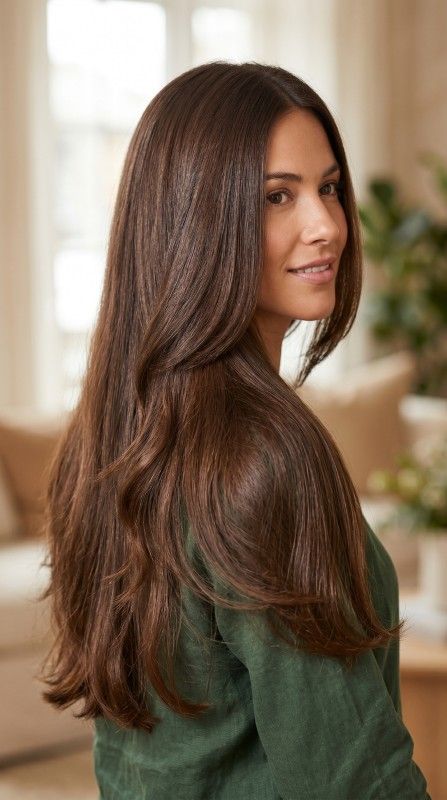
14. Layered Mullet with Modern Edge
Embrace bold proportion through a layered mullet featuring textured short front and sides with longer layered back. The contemporary mullet gains wearability through heavy layering that softens the dramatic length difference. This statement cut works for those wanting to push boundaries—the layering throughout prevents the mullet from reading costume-like. The textured layers create modern interpretation of this divisive style.
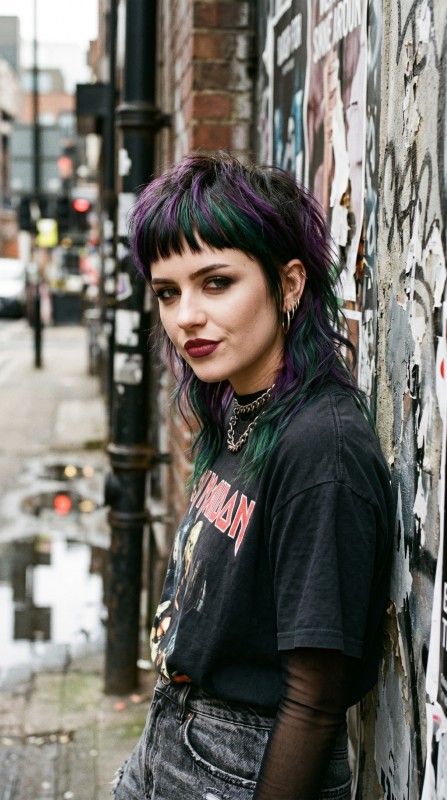
15. Layered Midi Length with Body
Create perfect mid-length proportions through layers that add body and movement to midi hair. The layers concentrate through the mid-lengths and ends, creating bounce without removing too much weight. This flattering length works across ages and styles—the layering ensures the midi length doesn’t appear boring or dated. The body created by layers prevents the awkward heaviness that can affect medium lengths.
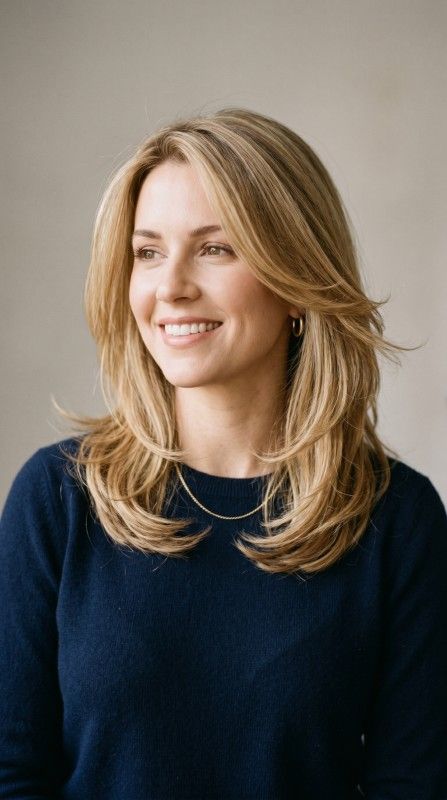
16. Layered Hair with Money Piece Highlights
Enhance layered dimension with bright money piece highlights framing the face. The high-contrast face-framing color emphasizes the layers’ architecture while adding trendy appeal. This combination maximizes impact—the color makes layers visible while the cutting creates shape that showcases color. The money pieces draw attention to face-framing layers, creating cohesive transformation through cut and color working synergistically.
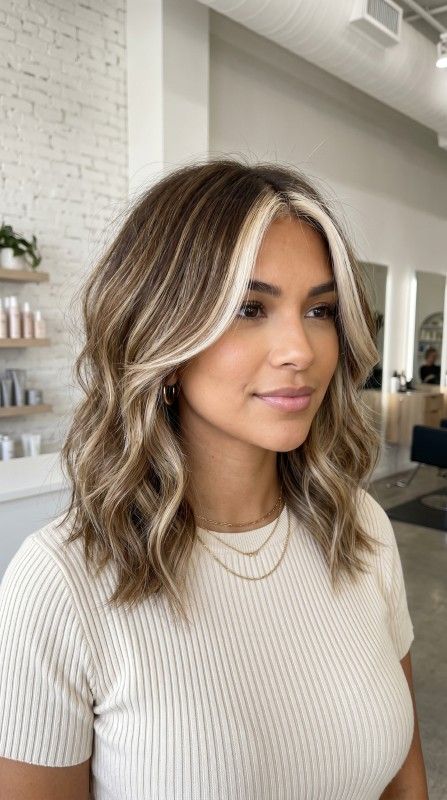
17. Soft Layers for Fine Hair
Create the illusion of fullness through soft, strategic layers designed specifically for fine hair texture. The gentle layering removes just enough weight to create movement without reducing density. This thoughtful approach suits fine hair challenges—the layers create dimension and body while careful technique preserves fullness. The soft graduation ensures fine hair appears thicker and more voluminous rather than wispy or thin.
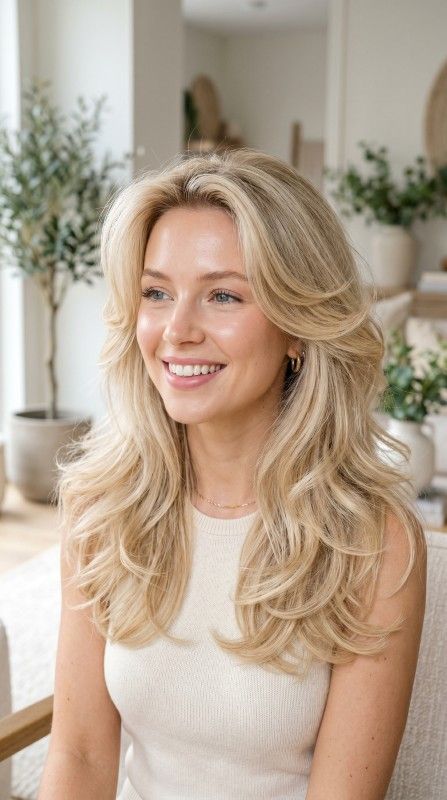
18. Layered Long Bob with Texture
Update the long bob through interior layering that adds texture while maintaining the lob’s signature length. The internal layers create movement without affecting the perimeter length. This modern approach keeps the lob fresh—the hidden layers add dimension that prevents the cut from appearing too blunt. The texture allows versatile styling from sleek to tousled while the lob length remains universally flattering.
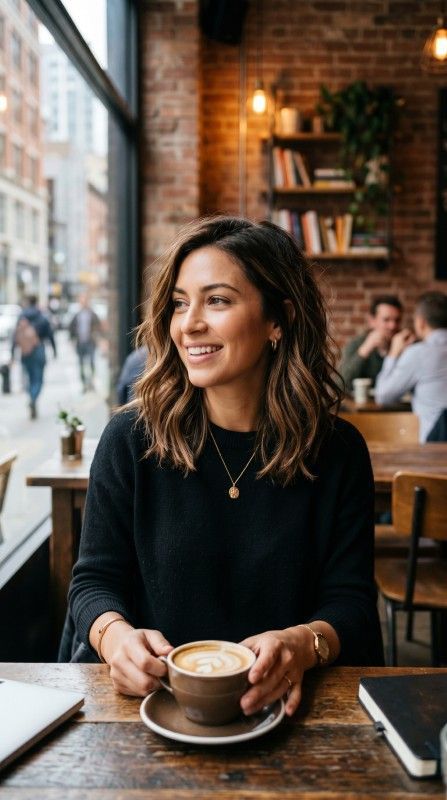
19. Disconnected Layers with Volume
Create dramatic dimension through disconnected layers with visible separation between lengths. The intentional disconnection creates volume and texture that makes a statement. This bold approach suits those wanting obvious layering—the disconnected technique creates eye-catching dimension rather than subtle blending. The volume created by significant length variation adds personality and movement that demands attention.
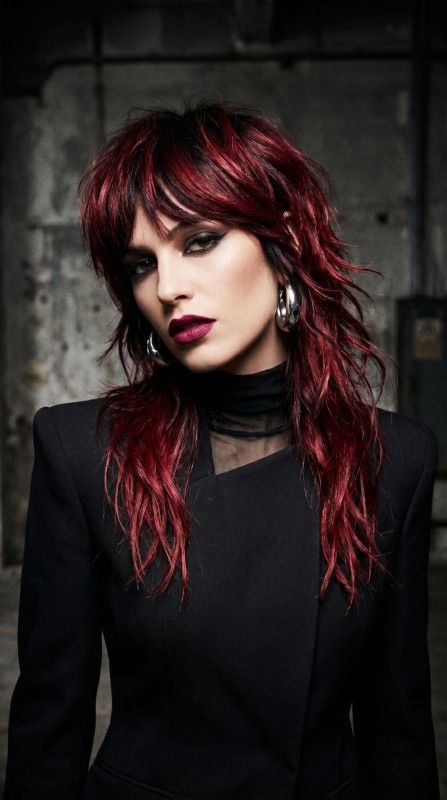
20. Layered Hair with Balayage Dimension
Maximize dimensional effect by combining strategic layers with complementary balayage color. The hand-painted highlights follow the natural flow of layers, making each one visible. This complete transformation approach suits those wanting total makeover—the layers provide structure while color adds depth. The balayage technique emphasizes the movement created by layering, creating multidimensional result.
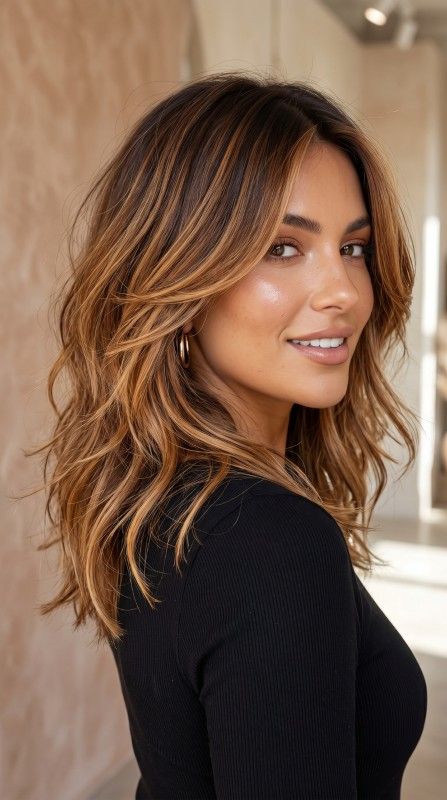
21. Soft A-Line Layers
Create flattering shape through A-line layering that gradually increases length from crown to ends. The soft graduation creates gentle slope rather than obvious steps. This classic technique suits those wanting subtle sophistication—the A-line shape is universally flattering while layers prevent flatness. The gentle graduation creates natural-looking dimension that enhances without overpowering.
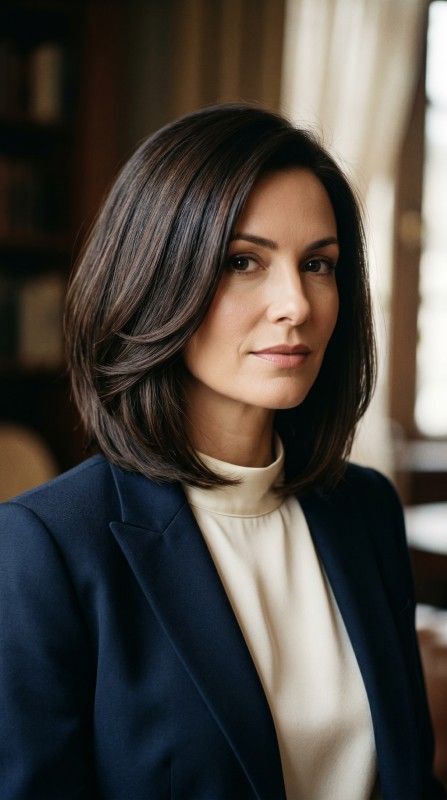
22. Wispy Layers with Bangs
Combine wispy textured layers throughout with complementary wispy bangs. The cohesive wispy texture creates romantic, soft aesthetic. This feminine approach creates gentle, approachable style—the wispy cutting produces delicate movement rather than heavy texture. The matching wispy bangs blend seamlessly with layered length, creating unified soft look perfect for those preferring romantic to edgy.
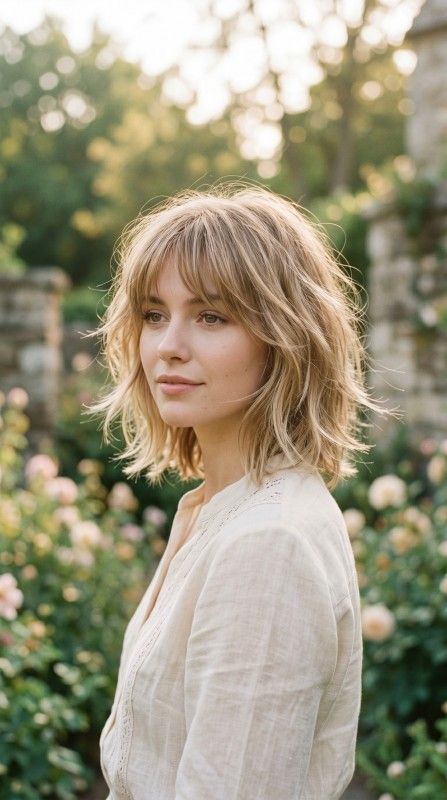
23. Layered Shag Bob
Combine shag texture with bob length for contemporary hybrid cut. The heavily layered shag gains structure through bob perimeter while maintaining textured movement. This fusion creates best of both worlds—the personality of shag layers with the polish of bob length. The combination feels current and fresh while remaining wearable for various lifestyles and style preferences.
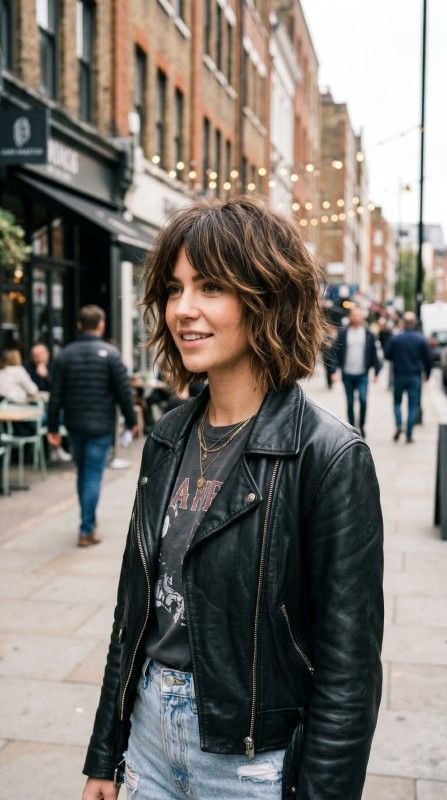
24. Long Layers with Blended Perfection
Create seamless dimension through long layers with perfectly blended transitions. The expert blending ensures no obvious demarcation between layers while still creating movement. This sophisticated approach suits those wanting dimension without visible choppiness—the blended layers create subtle movement that appears completely natural. The seamless technique requires skilled cutting but delivers polished, elegant results.
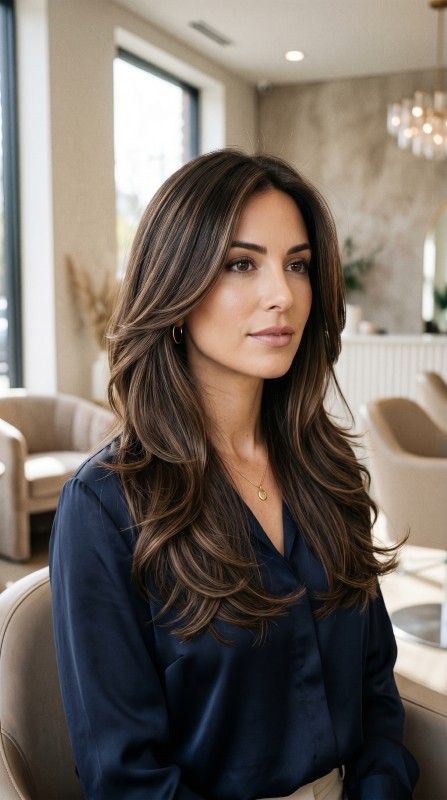
25. Layered Hair with Root Shadow
Enhance layered dimension with root shadow color technique that creates depth at roots while lighter ends emphasize layers. The darker roots create dimension while maintenance-friendly regrowth blending. This practical approach combines cutting and color strategically—the root shadow adds depth while lighter ends make layers pop. The low-maintenance color suits busy lifestyles while layers ensure style remains current.
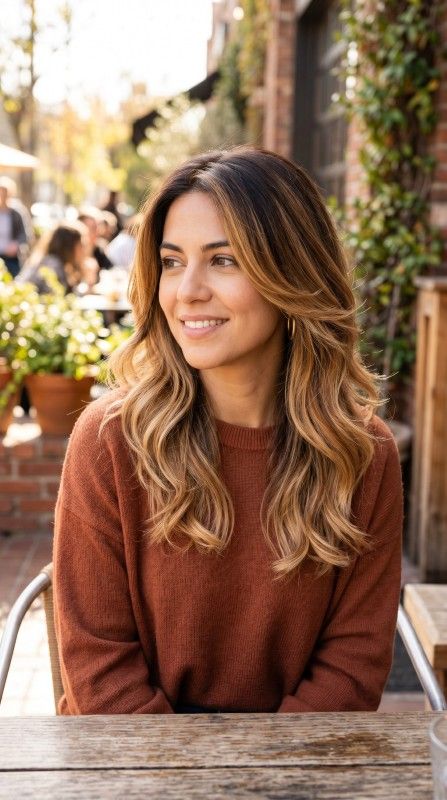
26. Textured Layers for Thick Hair
Remove bulk and create movement through heavy layering specifically designed for thick hair. The aggressive layering removes weight while creating shape and dimension. This essential technique for thick hair prevents triangle shapes—the layers distribute weight evenly while allowing movement. The significant layering makes thick hair more manageable while creating dimension that thick one-length hair often lacks.
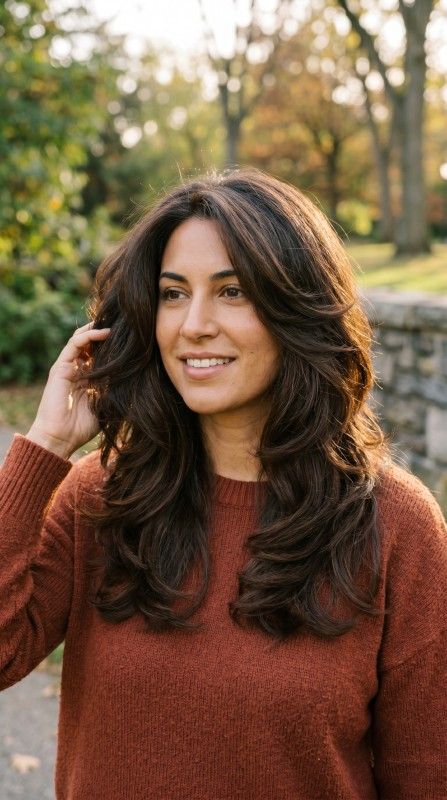
The Science Behind Effective Layering
Understanding how layering works helps explain why it creates such transformative results across different hair types. Layering removes weight through cutting hair at various lengths, which allows the shorter pieces to lift and support longer sections, creating volume and movement. For fine hair, gentle layering removes just enough weight to prevent flatness while maintaining density—too much layering on fine hair can create wispy, thin appearance. Thick hair benefits from more aggressive layering that removes substantial bulk, preventing the heavy triangle shape that occurs when thick hair grows without strategic cutting. The angle at which layers are cut determines their effect: vertical sections create volume, horizontal sections remove bulk, and diagonal cutting creates movement. Face-framing layers work by creating shorter pieces that draw the eye inward, emphasizing features while creating the illusion of lift. The key to successful layering lies in customizing the approach to individual hair texture, density, and growth patterns rather than applying one-size-fits-all techniques.
Layering Techniques Explained
Modern hairstylists employ various layering techniques, each creating distinct effects. Point cutting involves holding scissors at an angle to the hair shaft, creating soft, textured ends that blend seamlessly—this technique produces natural-looking layers perfect for those wanting subtle dimension. Slide cutting (also called slithering) involves closing scissors while sliding down the hair shaft, removing bulk while creating soft graduation—this works particularly well for thick hair needing weight removal without obvious layers. Razor cutting produces the most textured, piece-y results by using a razor blade instead of scissors, creating feathered, wispy ends—this technique suits those wanting edgy, separated texture. Notching involves cutting small V-shaped sections from the hair, creating texture and removing bulk—this technique adds dimension without significantly changing length. Understanding these techniques helps when communicating with stylists, as requesting “soft layering” versus “choppy textured layers” signals different technical approaches that produce different results.
Maintaining Layered Cuts
Layered haircuts require regular maintenance to preserve their shape and prevent awkward growth stages. Most layered cuts benefit from trims every 6-8 weeks, though this varies based on growth rate and how quickly the style loses its shape. The good news: layers typically grow out more gracefully than blunt cuts, as the varied lengths prevent obvious demarcation lines. Between salon visits, at-home care impacts how well layers maintain their appearance. Using lightweight products prevents weighing down layers, which defeats their purpose of creating volume and movement. Air-drying or diffusing with head upside-down enhances the volume created by layering. For those using heat tools, directing airflow from roots to ends while lifting at the crown maximizes the dimensional effect. Split ends disproportionately affect layered cuts since the shortest layers show damage most obviously, making regular conditioning and heat protection non-negotiable for maintaining healthy-looking layered styles.
Choosing Layers for Your Face Shape
Strategic layering placement can enhance facial features and balance proportions, making face shape consideration important when planning layer placement. Round faces benefit from face-framing layers that begin below the chin, creating vertical lines that elongate rather than emphasize width—avoid layers that end at the widest part of the face. Oval faces work with virtually any layer placement, making this the most versatile face shape for experimentation. Square faces soften through layers that begin around the jawline, breaking up angular edges—soft, wispy layers work better than blunt, choppy cutting. Heart-shaped faces balance through layers concentrated around the chin and below, adding width where the face narrows. Long faces benefit from horizontal layering and volume at the sides rather than concentrated at the crown, creating width that balances length. These guidelines serve as starting points rather than rigid rules—personal features, hair texture, and style preferences all factor into optimal layer placement beyond face shape alone.
Summer 2026 celebrates layered haircuts not as specific trend but as fundamental hairstyling principle that creates dimension, movement, and personality across infinite interpretations. These twenty-six styles demonstrate layering’s remarkable adaptability—from subtle enhancement through minimal cutting to dramatic transformation via heavy texturizing, from classic elegance to contemporary edge. The enduring relevance of layering proves that some techniques transcend trends because they solve universal challenges: adding volume to flat hair, removing bulk from thick textures, framing faces beautifully, and creating movement that makes hair feel alive rather than static. As you consider incorporating layers into your summer style, remember that successful results depend less on following specific trends and more on working with skilled stylists who understand how to customize layering techniques to your unique hair texture, density, face shape, and maintenance commitment. The perfect layered cut isn’t one that looks impressive on someone else—it’s one that makes your specific hair work better for your specific life, creating that elusive combination of beautiful appearance and practical wearability that defines truly successful hairstyles.