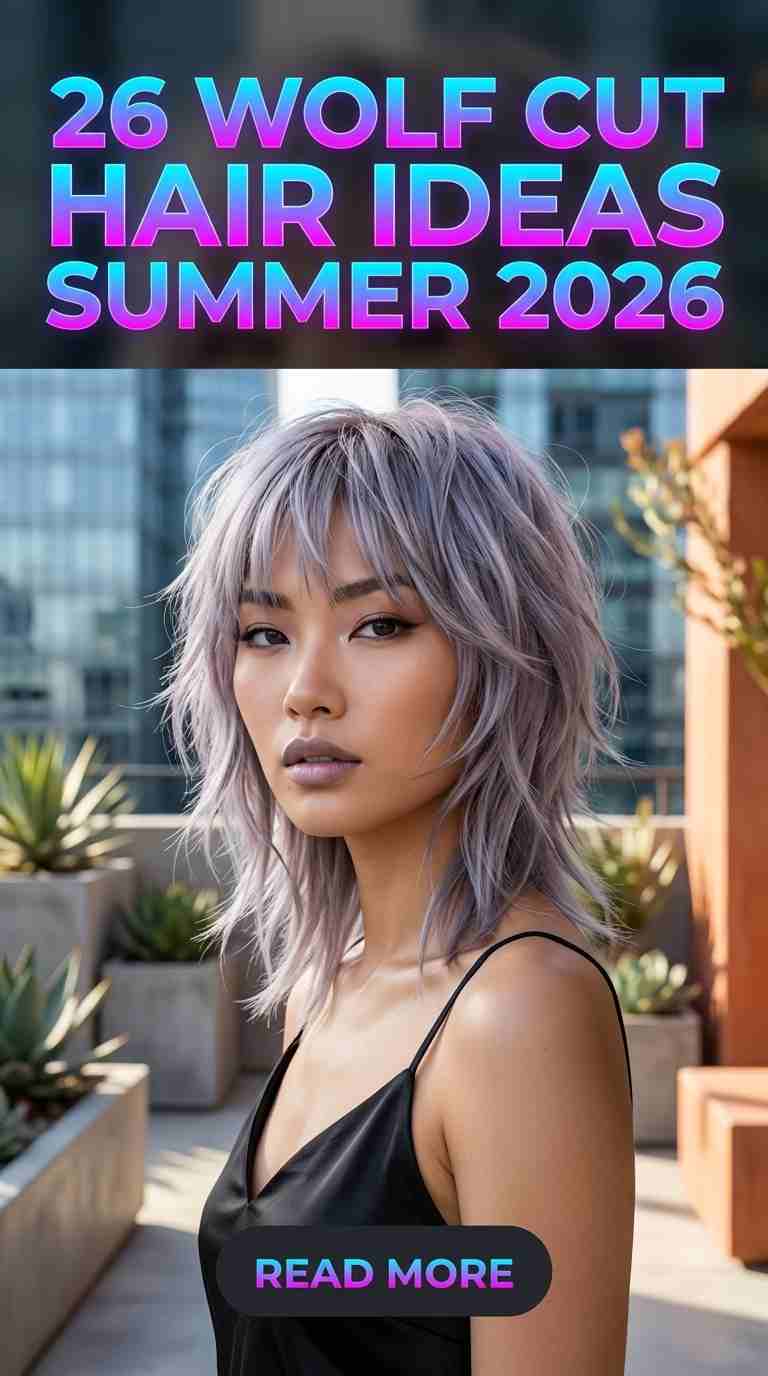
The wolf cut has evolved from viral TikTok trend into legitimate hairstyle movement, representing summer 2026’s rebellion against polished perfection and embrace of intentionally undone, rock-and-roll texture that celebrates individuality over conformity. This distinctive cut merges the shaggy, layered volume of 1970s styles with the choppy, disconnected elements of modern cutting techniques, creating a hybrid that’s simultaneously retro and futuristic, carefully crafted yet effortlessly cool. What makes the wolf cut particularly brilliant for summer is its inherent versatility—the heavily layered construction creates natural movement and texture that air-dries beautifully without requiring extensive heat styling, making it ideal for humid weather when sleek styles fall flat and precise cuts lose their shape within hours. The defining characteristics include significant volume at the crown achieved through shorter layers, dramatic face-framing pieces that range from cheekbone to chin length, and longer disconnected lengths throughout the rest of the hair that create that signature shaggy, wild appearance. Unlike traditional layered cuts that blend seamlessly, the wolf cut celebrates visible separation between lengths, creating textural dimension that adds edge to straight hair, enhances natural wave patterns, and brings definition to curly textures. Whether you’re drawn to subtle interpretations that nod to the trend without fully committing, or dramatic versions that announce your presence before you enter the room, the wolf cut offers customizable approach to cutting-edge style that works across hair types, lengths, and personal aesthetics while maintaining that essential element of fearless, unapologetic confidence.
1. Classic Shoulder-Length Wolf with Curtain Bangs
Embrace the quintessential wolf cut with shoulder-length hair featuring heavily layered crown and dramatic curtain bangs that frame the face. The shorter top layers create significant volume while longer underneath sections maintain weight and movement. This balanced version works beautifully for those new to the wolf cut trend, offering edgy appeal without extreme commitment. The curtain bangs add soft framing that balances the choppy texture while the shoulder length provides styling versatility for updos or wearing down.
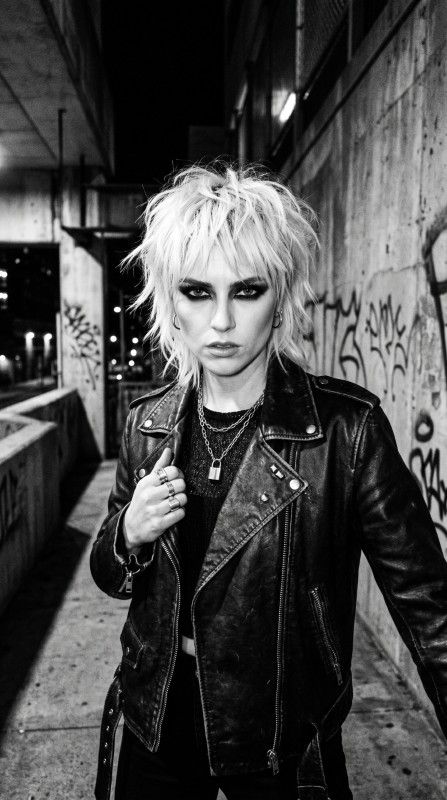
2. Short Choppy Wolf with Platinum Blonde
Make bold statements with a short wolf cut hitting just below the ears, rendered in striking platinum blonde. The dramatic color amplifies the cut’s edgy architecture while the shorter length maximizes volume and texture. This fearless version works gorgeously for those wanting maximum impact with minimal maintenance—the short length air-dries quickly while the platinum makes every layer and texture visible. The choppy, piece-y finish creates that intentionally undone rock-star aesthetic.
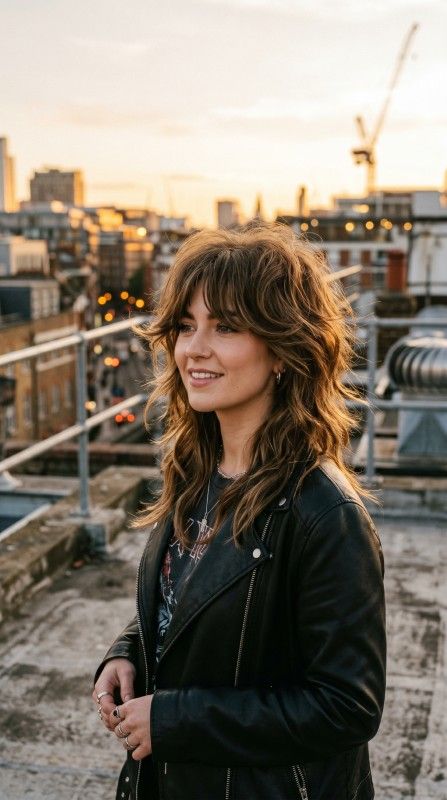
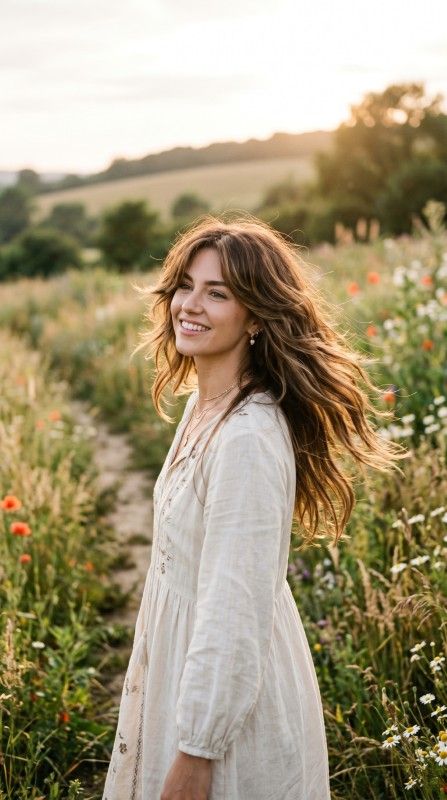
3. Long Wolf Cut with Face-Framing Layers
Maintain length while embracing wolf cut texture through long hair extending past shoulders with aggressive face-framing layers. The top layers begin at cheekbone level, creating dramatic framing while the length maintains feminine appeal. This version suits those wanting edgy style without sacrificing their long hair, as the textured layers add movement and dimension to previously one-length styles. The contrast between short face layers and long back creates the signature wolf cut drama.
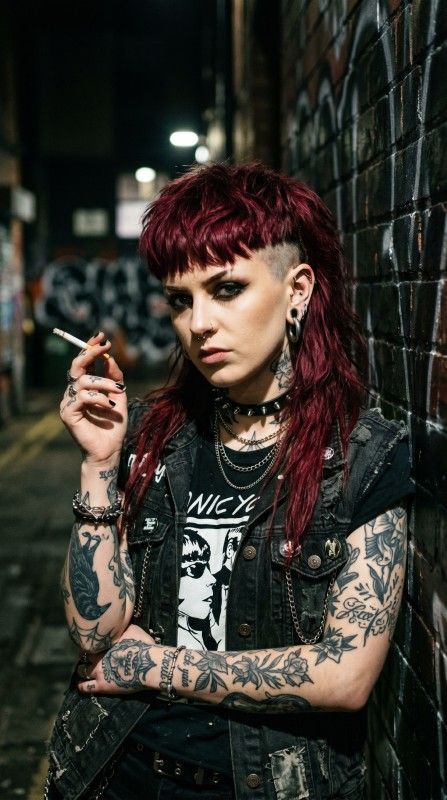
4. Mullet-Inspired Wolf with Shaved Sides
Push boundaries with an extreme wolf cut incorporating mullet proportions and shaved undercut sides. The dramatic short-to-long ratio creates maximum visual impact while the shaved sides add punk edge. This bold interpretation works for those wanting to make serious style statements—the undercut reduces bulk while emphasizing the choppy texture on top. The longer back sections create that classic mullet silhouette reimagined through modern wolf cut layering.
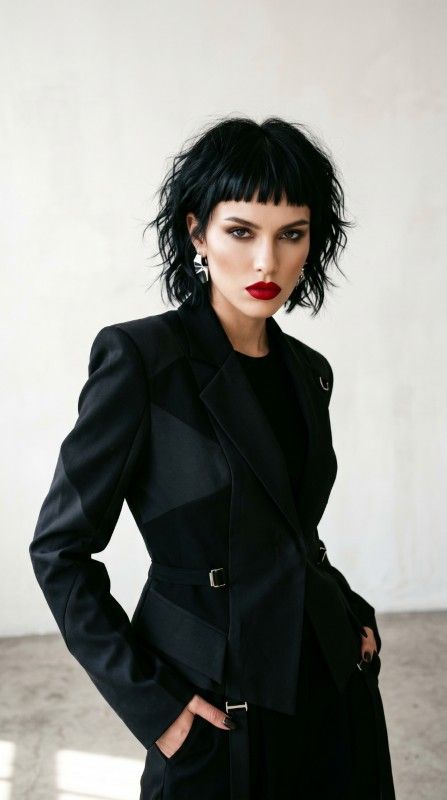
5. Textured Wolf Bob with Micro Bangs
Combine trends with a chin-length wolf cut bob featuring ultra-short micro bangs. The blunt bob length gains edge through heavy layering and choppy texture while the micro bangs add unexpected element. This fashion-forward version works beautifully for those wanting contemporary edge—the short bangs create striking contrast against the textured bob body. The combination of precise length with intentionally messy texture creates compelling visual tension.
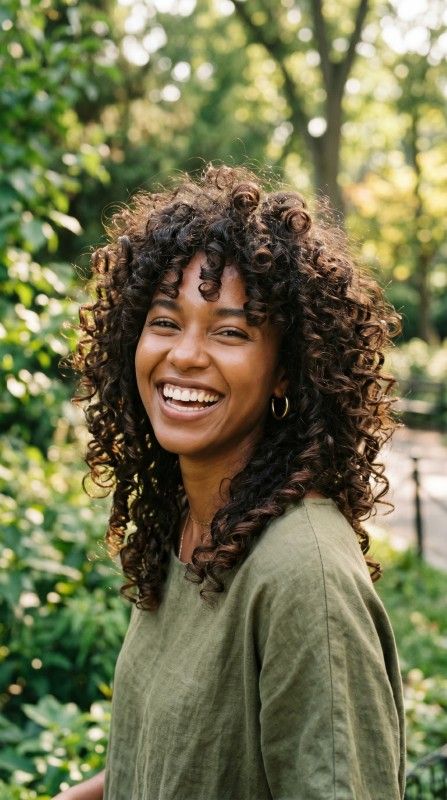
6. Curly Wolf Cut with Volume
Celebrate natural curl with a wolf cut specifically designed for curly hair, creating maximum volume and definition. The layered structure removes weight while encouraging curl pattern to spring and bounce. This version transforms curly hair from triangle-shaped to voluminous and dimensional as the layers create shape and movement. The face-framing pieces define features while the overall shaggy texture embraces curls’ natural wildness.
7. Wolf Shag with Money Pieces
Enhance traditional wolf cut with bright money piece highlights framing the face. The high-contrast face-framing color draws attention to the dramatic layering while adding dimensional interest. This version works beautifully for adding visual pop without all-over color commitment—the strategic highlights emphasize the cut’s architecture. The combination of edgy cut and trendy color creates maximum contemporary appeal.
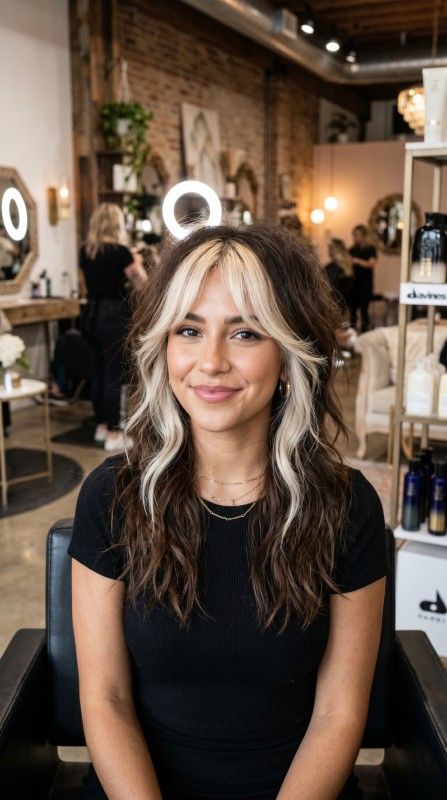
8. Asian Wolf Cut with Soft Layers
Adapt wolf cut for Asian hair textures with softer layering that works with naturally straight, thick hair. The modified approach creates movement without removing excessive bulk, as Asian hair often requires more weight to avoid triangle shapes. This culturally-adapted version maintains wolf cut essence—volume at crown, face framing, textured ends—while respecting hair’s natural characteristics. The result feels effortlessly cool rather than overly worked.
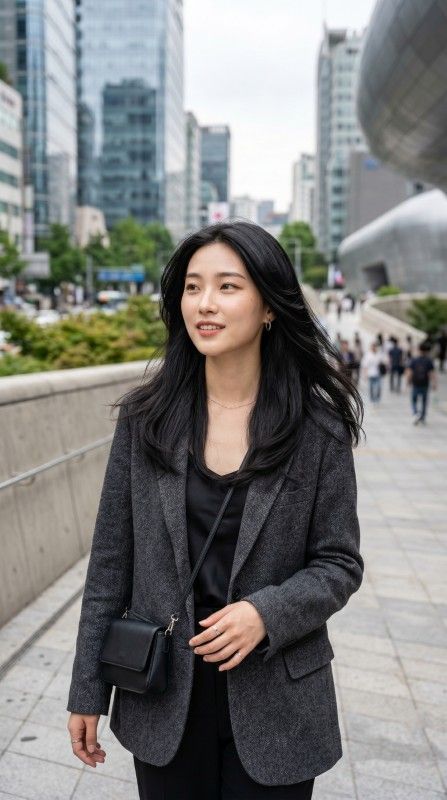
9. Wolf Cut with Curtain Bangs and Balayage
Maximize dimension with a classic wolf cut enhanced by warm balayage color that emphasizes the layered texture. The hand-painted highlights follow the natural movement of layers, making every piece visible and dimensional. This version suits those wanting complete transformation—the color and cut work synergistically to create maximum impact. The warm tones add softness that balances the edgy cut.

10. Shaggy Wolf Cut with Red Tones
Ignite personality with a heavily textured shaggy wolf cut in vibrant red tones from copper to cherry. The bold color amplifies the cut’s rock-and-roll attitude while the shaggy layers create maximum movement. This statement version works for those ready to commit fully to edgy aesthetic—the red ensures you’re never overlooked. The color makes every choppy layer and textured piece intensely visible.

11. Wolf Cut with Razored Ends
Emphasize texture through razored cutting technique that creates ultra-piece-y, feathered ends throughout the wolf cut. The razor creates softer, more fragmented texture compared to scissor-cut precision. This approach maximizes the intentionally messy aesthetic that defines wolf cuts—the feathered ends move independently creating maximum dimension. The technique works especially well for fine to medium hair seeking more texture.
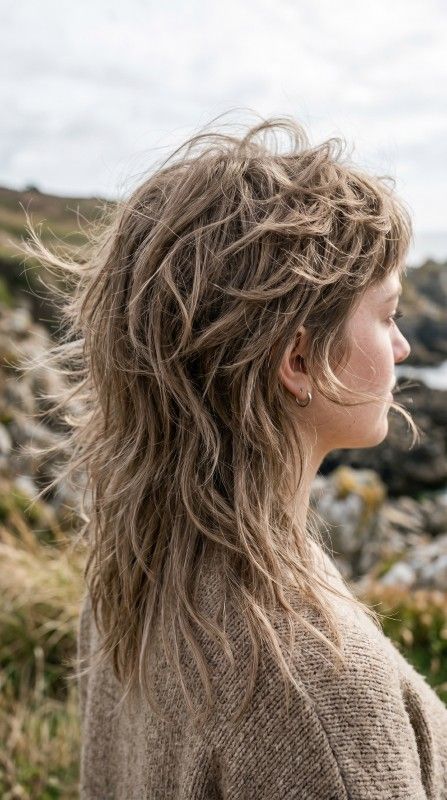
12. Wavy Wolf Cut with Beach Texture
Style natural waves with a wolf cut that enhances beachy, tousled texture through strategic layering. The cut works with wave pattern rather than against it, creating effortless surf-girl aesthetic. This version suits summer perfectly—air-drying creates natural piece-y texture while the layers prevent waves from becoming heavy or shapeless. Salt spray and minimal styling achieve the perfectly undone look.

13. Dramatic Wolf Mullet with Disconnection
Create maximum drama with an extreme wolf cut featuring true mullet proportions and visible disconnection between lengths. The business-party contrast gets amplified through aggressive layering throughout. This bold version makes serious statements—the extreme short-to-long ratio and choppy texture announce fearless style commitment. The disconnected layers create intentional separation that defines the look.
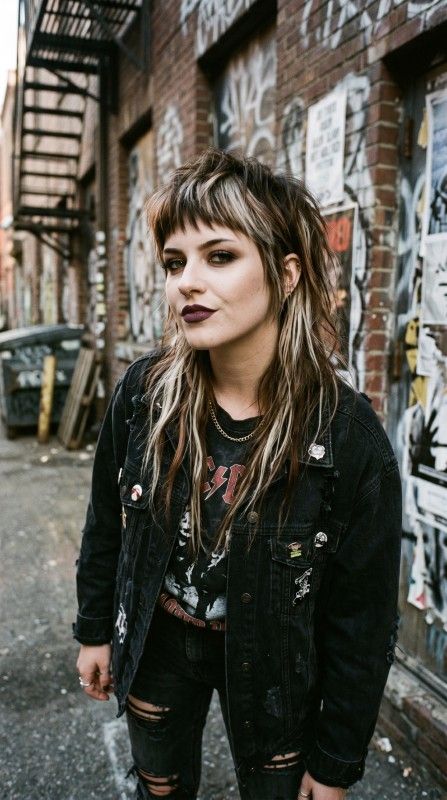
14. Soft Wolf Cut for Fine Hair
Adapt wolf cut principles for fine hair through gentle layering that creates volume without removing too much density. The modified approach maintains the style’s essence while preventing fine hair from looking thin or wispy. This version proves wolf cuts work across hair types when customized appropriately—the softer layers create movement and body while strategic length retention maintains fullness. The result adds drama fine hair often lacks.
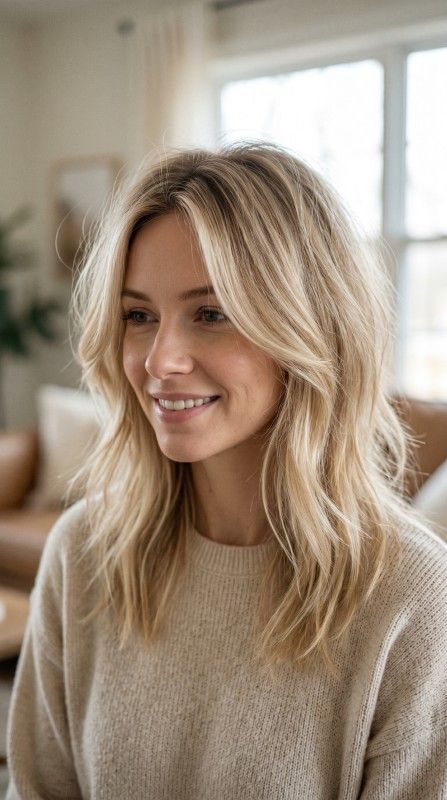
15. Wolf Cut with Peek-a-Boo Color
Add hidden dimension with peek-a-boo color panels beneath the top layers of a wolf cut. The underneath sections feature contrasting color that appears with movement. This version offers color excitement with professional versatility—the bright panels hide when hair is down but flash when moving or styling up. The wolf cut’s layering makes peek-a-boo color particularly effective as movement constantly reveals and conceals the contrast.
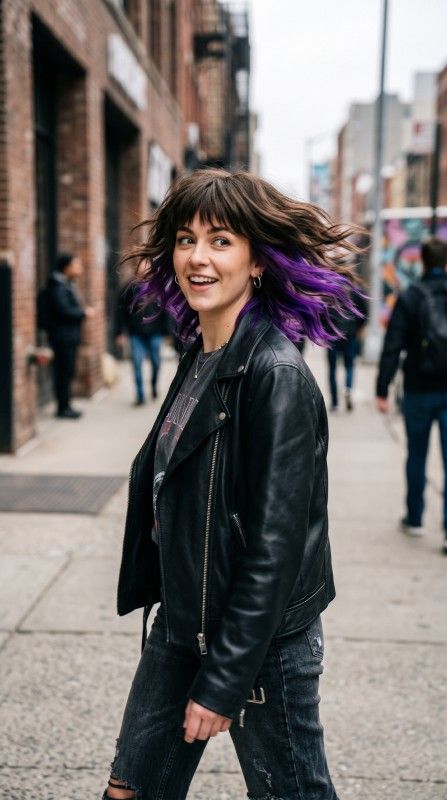
16. Choppy Wolf Lob
Modernize the long bob through wolf cut layering that adds edge to the classic lob length. The choppy texture and face-framing layers transform polished lob into edgier wolf lob. This version suits those wanting contemporary update to their lob—the added texture and layer variation creates more personality and movement. The collarbone length remains versatile while the wolf cut styling adds current relevance.
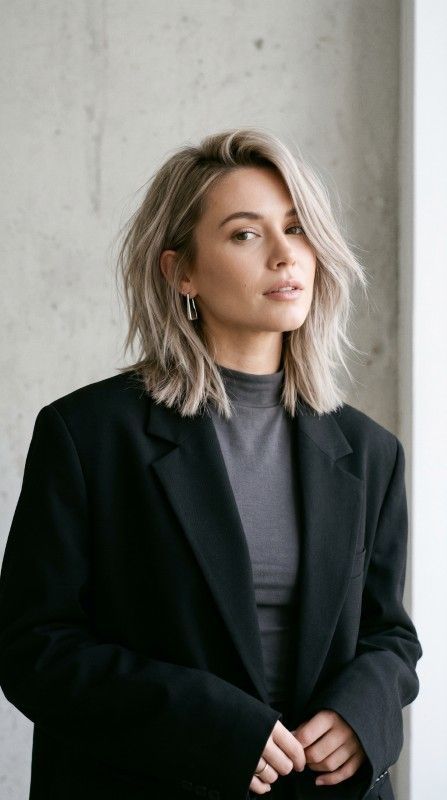
17. Wolf Cut with Swoopy Bangs
Frame the face beautifully with a wolf cut featuring long swooping side bangs that blend into face-framing layers. The curved bang shape softens the choppy texture while maintaining the cut’s edgy foundation. This version balances femininity with edge—the swoopy bangs add romantic element while the shaggy layers maintain attitude. The bangs can be styled forward for drama or swept aside for versatility.
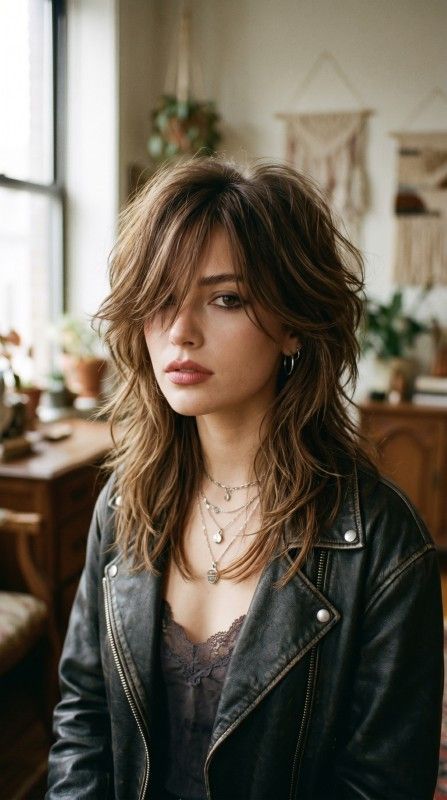
18. Wolf Cut with Ombre Color
Enhance the layered structure with ombre color that transitions from dark roots to lighter ends. The gradual color shift emphasizes the cut’s dimension while the contrast makes every layer visible. This version maximizes visual impact through color and cut synergy—the ombre follows the hair’s natural flow while highlighting the textured layers. The darker roots reduce maintenance while the lighter ends catch light beautifully.

19. Messy Wolf Cut with Bedhead Styling
Embrace intentional chaos with a heavily layered wolf cut styled with maximum bedhead texture. The piece-y, separated styling creates that just-woke-up aesthetic that’s perfectly on-brand for wolf cuts. This version celebrates the cut’s inherent messiness—texture spray and hand-styling replace precise blow-drying. The result looks effortless because it genuinely is, making this ideal for low-maintenance styling routines.

20. Wolf Cut with Side Part Drama
Create asymmetry through a deep side part that emphasizes the wolf cut’s volume on one side. The dramatic part creates uneven distribution that adds visual interest while the heavy side showcases the layered texture. This version adds styling dimension to the cut—the side part can shift for different looks while maintaining the shaggy texture. The asymmetry enhances face-framing on the heavier side.
21. Wolf Cut with Chunky Highlights
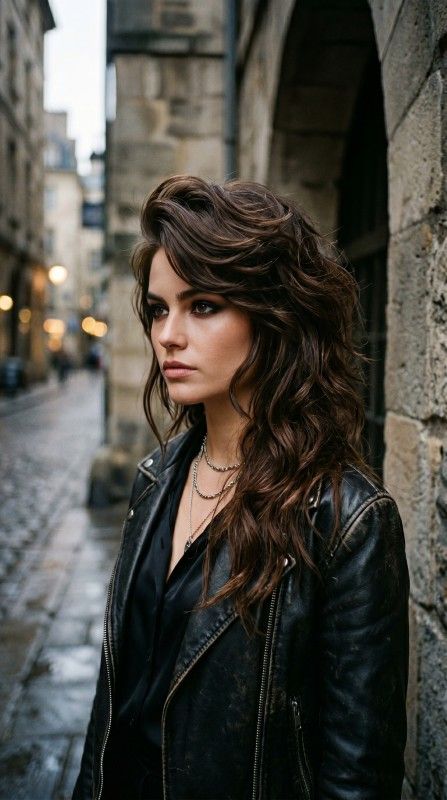
Add bold dimension with chunky, visible highlights throughout a heavily layered wolf cut. The contrast pieces follow the layer pattern, making the cut’s architecture intensely visible. This version channels early-2000s nostalgia through modern lens—the chunky highlights feel retro-inspired yet current when paired with contemporary wolf cut. The color makes the shaggy texture impossible to miss.

22. Pixie Wolf Cut Hybrid
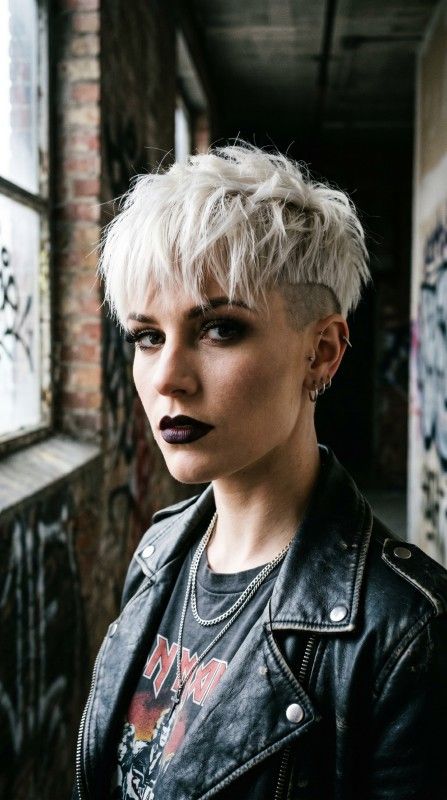
Combine pixie precision with wolf cut texture through short hair featuring longer disconnected top layers. The hybrid maintains pixie length while incorporating wolf cut’s signature choppy crown volume. This version suits those wanting short hair with personality—the textured top prevents the cut from looking too polished or conservative. The combination creates edgy sophistication perfect for bold personalities.
23. Wolf Cut with Face-Framing Brightness
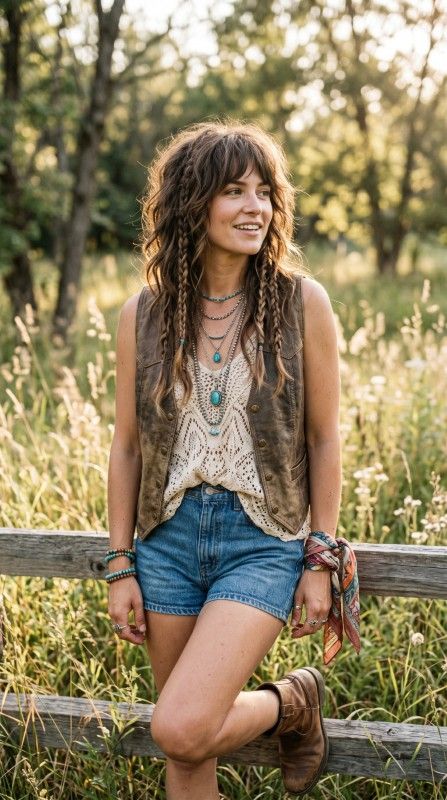
Strategically place bright highlights around the face to emphasize a wolf cut’s dramatic face-framing layers. The lighter pieces draw attention to the cut’s architecture while creating dimensional interest. This version uses color as accent rather than overall transformation—the strategic brightness highlights what makes wolf cuts special. The face-framing light catches attention and brightens features.

24. Textured Wolf Cut with Natural Color
Celebrate natural hair color through a wolf cut that relies entirely on texture and cut for impact. The lack of color processing allows focus on the cut’s architecture while maintaining hair health. This version proves wolf cuts don’t require color to make statements—the dramatic layering and texture create sufficient visual interest. The natural color showcases the cut’s dimension through light and shadow rather than color variation.

25. Wolf Cut with Braided Detail
Add unexpected element to a wolf cut by incorporating small braids through the choppy layers. The braids create textural contrast against the shaggy hair while adding bohemian detail. This version brings creativity to wolf cut styling—the braids can be temporary accent for special occasions or maintained for festival vibes. The combination of edgy cut and romantic braids creates compelling contrast.
26. Sleek Wolf Cut with Flat Iron Styling
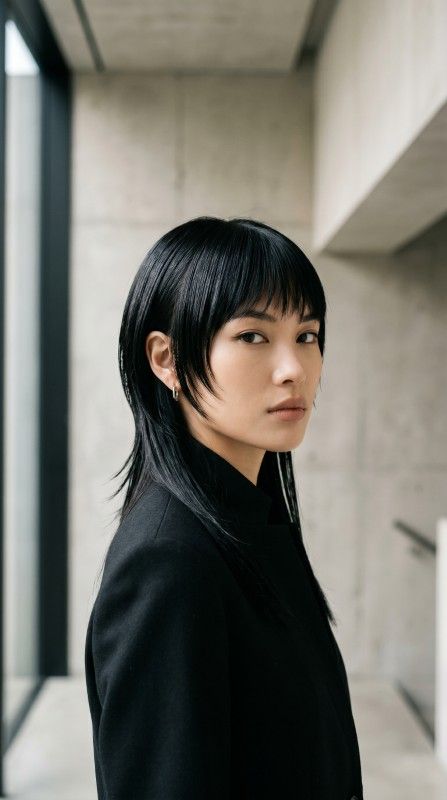
Challenge expectations by styling a wolf cut sleek and straight with flat iron rather than embracing typical messy texture. The straight styling showcases the cut’s precision and layer variation in unexpected way. This version demonstrates wolf cut versatility—the choppy layers create interest even when styled smooth. The sleek finish feels sophisticated while maintaining the cut’s inherent edge through visible layer separation.
Understanding Wolf Cut Construction
The wolf cut’s distinctive appearance results from specific cutting techniques that differentiate it from traditional layered styles. Hairstylists achieve the look through heavily disconnected layers—meaning visible length differences between sections rather than gradual blending—creating intentional separation that defines the cut. The crown area receives the shortest layers, often starting at 2-4 inches depending on overall length, creating volume and lift. Face-framing pieces typically fall between cheekbone and chin length, providing dramatic framing that enhances features. The remaining hair maintains more length with strategic thinning and texturizing to prevent bulk. Point-cutting and slide-cutting techniques create the piece-y, feathered ends that move independently rather than clumping together. This construction requires skilled cutting as improper technique can create unflattering shapes—working with experienced stylists familiar with wolf cuts ensures results match expectations.
Maintenance and Styling Requirements
Despite appearing effortlessly messy, wolf cuts require regular maintenance to prevent the intentional texture from becoming genuinely unkempt. The heavily layered structure grows out relatively gracefully, but most people benefit from trims every 6-8 weeks to maintain the cut’s integrity and remove any pieces that have grown disproportionately. The good news: wolf cuts don’t demand daily heat styling. In fact, they often look best when air-dried with minimal product—the natural texture and movement align with the cut’s aesthetic better than overly styled perfection. Texture spray, light mousse, or sea salt spray enhance the piece-y separation while blow-drying with a diffuser adds volume without smoothing away desired texture. For those wanting more polished looks occasionally, the layering provides versatility for straightening or curling. The key is embracing imperfection—this cut celebrates texture, movement, and that lived-in quality that makes it distinctly modern.
Who Should Consider Wolf Cuts
Wolf cuts work across diverse demographics but suit certain preferences and lifestyles particularly well. Those who struggle with flat, lifeless hair find the heavy layering creates volume and movement previously unattainable with one-length cuts. People with naturally wavy or curly hair discover the layers enhance their texture rather than fighting it, creating defined, bouncy results. Individuals tired of high-maintenance styling appreciate the cut’s air-dry friendly nature and low daily upkeep. The aesthetic appeals strongly to those drawn to edgier, alternative styles or anyone wanting to inject personality into their appearance. Conversely, those preferring sleek, polished, traditional looks may find the intentional messiness challenging. People with very fine or thin hair should work with stylists experienced in adapting wolf cuts for lower density, as heavy layering can reduce fullness if not executed thoughtfully. Age proves irrelevant—confidence matters more than demographics, as the cut’s edge comes from attitude rather than birth year.
Communicating with Your Stylist
Successfully translating wolf cut vision into reality requires clear communication with your hairstylist using visual references and specific terminology. Bring multiple photos showing the cut from different angles—front, sides, back—as single images rarely convey the complete picture. Discuss your hair’s natural texture honestly, as this impacts how the cut will behave between salon visits. Specify your desired length, as “wolf cut” encompasses everything from chin-length to waist-length interpretations. Clarify how much volume you want—some prefer subtle versions while others seek maximum drama. Address your styling commitment realistically; if you won’t use products or spend time styling, communicate this so the stylist can adapt the cut accordingly. Ask questions about maintenance frequency, growing-out process, and daily styling requirements before cutting begins. A consultation before cutting allows addressing concerns and ensuring alignment between your expectations and the stylist’s interpretation. Remember that skilled stylists may suggest modifications based on your specific hair type, face shape, and lifestyle—remaining open to professional guidance often yields better results than rigidly demanding exact Pinterest replication.
Summer 2026 celebrates the wolf cut not as fleeting trend but as legitimate hairstyle movement representing broader cultural shift toward embracing imperfection, rejecting rigid beauty standards, and choosing personal expression over conventional polish. These twenty-six variations demonstrate the cut’s remarkable adaptability—from subtle nods to the trend through gentle layering, to full commitment featuring dramatic disconnection and aggressive texture. The wolf cut succeeds where many trends fail by offering genuine versatility across hair types, lengths, and styling preferences while maintaining distinctive identity that makes it immediately recognizable. As you consider joining the wolf cut movement, remember this cut requires confidence more than any specific hair characteristic—it’s designed to be noticed, to make statements, to refuse fading into backgrounds. The question isn’t whether your hair can handle a wolf cut, but whether you’re ready to embrace the visibility, the texture, the glorious intentional mess that comes with choosing edge over safety. For those ready to howl rather than whisper, the wolf cut awaits with open scissors and endless possibility.